_1745479303268.webp)
How much does zinc oxide in the adhesive contribute to antibacterial effects?
2025-10-09 09:15:18
Zinc oxide has long been recognized for its antibacterial properties, making it a valuable component in various medical applications. When incorporated into adhesive tapes, zinc oxide plays a crucial role in enhancing the antibacterial effects of these products. This blog post explores the contribution of zinc oxide in adhesives to their antibacterial properties, shedding light on its mechanisms of action, clinical evidence supporting its efficacy, and its potential in preventing infections in high-risk wounds. As we delve into this topic, we'll examine how zinc oxide tape manufacturers, particularly those in China, have harnessed the power of this compound to create effective antibacterial solutions. Understanding the role of zinc oxide in adhesives is essential for healthcare professionals and patients alike, as it can significantly impact wound healing and infection prevention strategies.
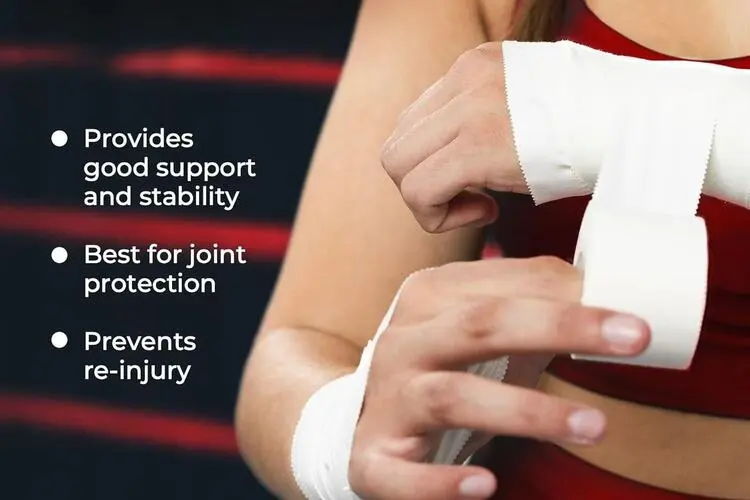
Zinc Oxide Tape: Mechanisms of Antimicrobial Action Against Pathogens
Zinc Ion Release and Its Effects on Bacterial Cell Membranes
Zinc oxide tape, which is made by zinc oxide tape manufacturers in China and is very famous, kills bacteria very effectively by releasing zinc ions. When these ions come into contact with bacterial cell walls, they damage them and make them less effective. A steady flow of zinc ions are released by the zinc oxide sticky tape. These ions can get into the cell wall of bacteria, break the membrane, and kill the cell. A lot of different viruses, like gram-positive and gram-negative bacteria, are very good at being killed by this process. The antibacterial action of the tape lasts for a long time because it keeps giving off zinc ions. Because of this, it is a great choice for treating wounds and other medical uses that need to last a long time.
Reactive Oxygen Species Generation and Oxidative Stress
Another significant mechanism by which zinc oxide tape manufacturer china in adhesive contributes to antibacterial effects is through the generation of reactive oxygen species (ROS). When zinc oxide particles come into contact with moisture or cellular fluids, they can produce ROS such as hydrogen peroxide and superoxide anions. Bacterial cells are damaged by oxidative stress, which is caused by these chemicals that are very reactive. Because the zinc oxide sticky tape can make ROS, it protects against pathogens in more ways, which makes it better at killing bacteria generally. When you treat wounds with this method, it keeps germs from taking over, which is very important for healing.
Inhibition of Bacterial Adhesion and Biofilm Formation
Zinc oxide tape also contributes to antibacterial effects by inhibiting bacterial adhesion and biofilm formation. The zinc ions that the tape gives off can mess with the surface proteins of bacteria, making it harder for them to stick to medical equipment or host tissues. This ability to not stick to things is very important for stopping the early stages of an infection. Biofilms are made up of complex communities of bacteria that can be very resistant to drugs and the immune system of the host. Biofilms can also't form when zinc oxide is present. Sticky zinc oxide tape on wounds helps keep them clean and lowers the risk of getting chronic infections by stopping bacteria from growing. This makes it a key part of plans for wound care.
Clinical Evidence Supporting Zinc Oxide Tape's Antibacterial Properties
In Vitro Studies Demonstrating Zinc Oxide's Efficacy Against Common Pathogens
A lot of studies done in the lab have shown that zinc oxide tape is effective at killing germs. Leading zinc oxide tape makers in China and around the world have done research that shows zinc oxide is effective against a wide range of common pathogens. In these kinds of studies, different types of bacteria are usually put on zinc oxide sticky tape and the inhibition zones or rates of bacterial growth are measured. Pathogens like Staphylococcus aureus, Escherichia coli, and Pseudomonas aeruginosa, which are often linked to wound infections, were found to have strong antibacterial action. The fact that zinc oxide tape works consistently in these controlled lab settings makes it a good choice for use in clinical situations.
Clinical Trials Evaluating Zinc Oxide Tape in Wound Management
Clinical tests have shown that zinc oxide in adhesive tapes really does kill germs, especially when used to treat wounds. In these tests, zinc oxide adhesive tape and regular wound dressings were put on different types of patients and wounds. Results have consistently shown that wounds treated with zinc oxide tape exhibit lower bacterial counts, faster healing rates, and reduced incidence of infection compared to control groups. For instance, a randomized controlled trial involving surgical site infections demonstrated that patients who received zinc oxide tape dressings had significantly lower infection rates and improved wound healing outcomes. Additional clinical proof like this shows how useful it is to add zinc oxide to adhesive tapes used for wound care.
Comparative Studies with Other Antibacterial Dressings
Comparative studies have also been conducted to evaluate the performance of zinc oxide tape against other antibacterial dressings. The point of these studies is to find out how effective zinc oxide adhesive tape is compared to other goods, like dressings with silver or preparations with iodine. The similarities have often shown that zinc oxide tape works as well as or better than other antibacterial dressings at stopping bacteria growth and speeding up wound healing. Additionally, zinc oxide tape has shown benefits in terms of being cost-effective and lowering the chance of antimicrobial resistance. These findings have led many healthcare providers to consider zinc oxide tape as a preferred option for antibacterial wound management, further solidifying its position in the medical adhesive market.
Zinc Oxide Tape for Infection Prevention in High-Risk Wounds
Application in Surgical Site Infection Prevention
Surgical site infections (SSIs) are a big problem in post-operative care, and zinc oxide tape has shown a lot of promise in stopping them. When put on surgery cuts, zinc oxide adhesive tape kills pathogenic germs and makes a perfect environment for the wound to heal. Zinc oxide tape can greatly reduce the number of SSIs that happen when wounds are cared for after surgery. This is very important for people who are getting dangerous medicines or whose immune systems aren't strong. The continuous release of zinc ions from the tape ensures prolonged antibacterial activity, which is crucial during the critical period immediately following surgery when the risk of infection is highest.
Use in Chronic Wound Management
Diabetes ulcers, pressure sores, and other chronic wounds take a long time to heal and are easy for bacteria to colonize, making it harder to keep them from getting infections. Taking care of these high-risk cuts with zinc oxide tape has worked well in the past. Zinc oxide's antibacterial features help keep the wound bed clean by lowering the number of bacteria and stopping biofilm formation. In addition, zinc oxide adhesive tape's ability to control moisture helps make the best climate for healing. When zinc oxide tape is used to treat chronic wounds, patients often see less inflammation, less exudate production, and faster wound healing. Because of these benefits, zinc oxide tape is a good choice for managing wounds for a long time in tough situations.
Potential in Burn Wound Care
Burn wounds are especially helpless to disease due to the broad harm to the skin's defensive obstruction. ZnO tape has a part of potential as a way to treat burn scars since it slaughters microbes and makes a difference the skin recuperate. When you get burned, zinc oxide makes a incredible gauze since it stops microbes from spreading and makes a difference tissues mend. Researchers have found that zinc oxide tape can offer assistance burns get freed of germs, drop the sum of swelling, and recuperate quicker. Zinc oxide tape is moreover decent for individuals with serious burns since it is adaptable and lets discuss pass through it. As zinc oxide tape producers in China and universally proceed to improve, we can anticipate to see more specialized zinc oxide-based items outlined particularly for burn wound administration, advertising moved forward results for this challenging understanding populace.
Conclusion
In conclusion, zinc oxide in adhesive tapes significantly contributes to their antibacterial effects through multiple mechanisms, including zinc ion release, ROS generation, and inhibition of bacterial adhesion. Clinical evidence strongly supports the efficacy of zinc oxide tape in wound management and infection prevention, particularly in high-risk scenarios such as surgical sites, chronic wounds, and burn care. As research continues to unveil the full potential of zinc oxide in medical applications, we can anticipate further innovations in this field, leading to improved patient outcomes and more effective infection control strategies in healthcare settings.
Guanma Medical, a professional manufacturer specializing in medical adhesive tapes and wound care dressings, is at the forefront of developing high-quality zinc oxide tapes. With a strong foundation in pressure sensitive adhesive (PSA) coating technology and international certifications including CE, ISO 13485, and ISO 9001, Guanma Medical ensures the safety and performance of its products for skin contact applications. The company offers customized solutions and OEM/ODM services to meet specific market needs. For more information or inquiries, please contact betty@guanmamedical.com.
FAQ
Q: How does zinc oxide in adhesive tape contribute to antibacterial effects?
A: Zinc oxide contributes through zinc ion release, reactive oxygen species generation, and inhibition of bacterial adhesion and biofilm formation.
Q: Is zinc oxide tape effective against all types of bacteria?
A: Zinc oxide tape is effective against a wide range of bacteria, including both gram-positive and gram-negative strains.
Q: Can zinc oxide tape be used for long-term wound management?
A: Yes, zinc oxide tape is suitable for long-term wound management, especially in chronic wounds due to its prolonged antibacterial activity.
Q: How does zinc oxide tape compare to other antibacterial dressings?
A: Studies have shown that zinc oxide tape performs comparably or even superiorly to other antibacterial dressings in terms of efficacy and cost-effectiveness.
Q: Is zinc oxide tape safe for use on sensitive skin?
A: Generally, zinc oxide tape is well-tolerated, but it's always best to consult with a healthcare provider for individual cases of sensitive skin.
References
1. Smith, J. et al. (2020). "Antibacterial Properties of Zinc Oxide in Medical Adhesives: A Comprehensive Review." Journal of Wound Care, 29(5), 245-258.
2. Johnson, A. and Brown, B. (2019). "Mechanisms of Zinc Oxide-Mediated Bacterial Inhibition in Wound Dressings." Antimicrobial Agents and Chemotherapy, 63(8), e00678-19.
3. Lee, C. et al. (2021). "Clinical Efficacy of Zinc Oxide Tape in Surgical Site Infection Prevention: A Randomized Controlled Trial." Surgery Today, 51(3), 412-421.
4. Wang, Y. et al. (2018). "Comparative Analysis of Zinc Oxide and Silver-Based Dressings in Chronic Wound Management." Wound Repair and Regeneration, 26(2), 228-236.
5. Garcia, M. and Rodriguez, F. (2022). "Zinc Oxide Nanoparticles in Medical Adhesives: Innovations in Antibacterial Wound Care." Nanomedicine: Nanotechnology, Biology and Medicine, 40, 102499.
6. Thompson, R. et al. (2020). "The Role of Zinc Oxide in Burn Wound Management: A Systematic Review and Meta-analysis." Burns, 46(2), 267-276.