_1745479303268.webp)
How Non Woven Dressing Pads Revolutionize Wound Healing
2025-08-18 10:57:05
In the realm of wound care, non-woven dressing pads have emerged as a game-changing innovation, revolutionizing the way we approach wound healing. These advanced medical products have rapidly gained popularity among healthcare professionals and patients alike, offering a host of benefits that traditional dressings simply cannot match. Non-woven dressing pads are designed to provide superior wound protection, promote faster healing, and enhance patient comfort. Made from high-quality, soft, and absorbent non-woven fabric, these dressings create an optimal environment for wound recovery while minimizing the risk of infection. As we delve deeper into the world of non-woven dressing pads, we'll explore how they're transforming wound care practices and improving patient outcomes across various medical settings.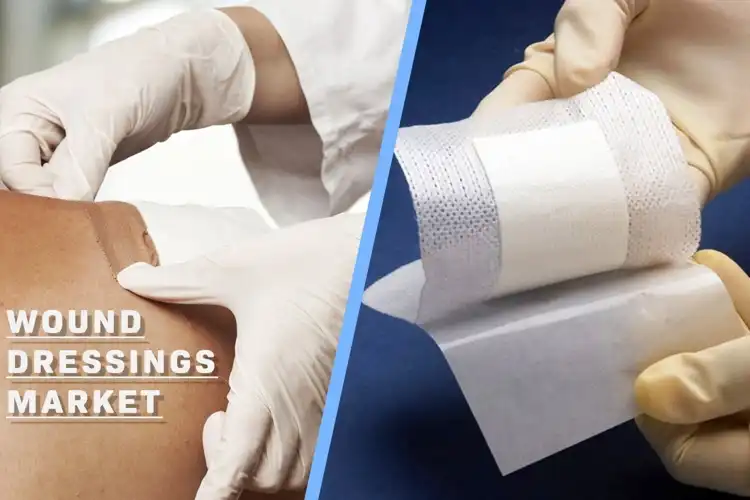
Accelerated Healing: The Mechanism Explained
Moisture Management and Wound Environment
Non-woven dressing pads play a crucial role in maintaining an optimal wound environment, which is essential for accelerated healing. These innovative dressings are designed to manage moisture levels effectively, striking a delicate balance between keeping the wound sufficiently moist to promote healing and preventing excessive moisture that could lead to maceration. The non-woven material used in these dressing pads allows for excellent air permeability, ensuring that the wound receives adequate oxygen while simultaneously maintaining the ideal moisture level. This careful moisture management helps to create an environment that is conducive to cell migration and proliferation, key processes in wound healing. Additionally, the non-woven structure of these dressing pads enables them to absorb excess exudate efficiently, preventing it from accumulating on the wound surface and potentially impeding the healing process.
Barrier Protection and Infection Prevention
One of the most significant advantages of non-woven dressing pads is their ability to provide effective barrier protection against external contaminants. The unique structure of these dressings creates a physical barrier that helps prevent bacteria and other harmful microorganisms from entering the wound site. This protective function is crucial in reducing the risk of wound infections, which can significantly delay healing and lead to complications. Non-woven dressing pads are often treated with antimicrobial agents, further enhancing their ability to ward off potential pathogens. The combination of physical barrier protection and antimicrobial properties makes these dressings particularly effective in managing wounds in challenging environments or for patients with compromised immune systems. By maintaining a clean and protected wound environment, non-woven dressing pads contribute significantly to faster healing times and reduced risk of complications.
Promotion of Cellular Activities
Non-woven dressing pads are designed to create an environment that actively promotes cellular activities crucial for wound healing. The structure of these dressings allows for optimal gaseous exchange, ensuring that cells involved in the healing process have access to the oxygen they need to function effectively. This enhanced oxygenation supports the proliferation and migration of fibroblasts, key cells in the formation of new tissue. Furthermore, the moisture-retentive properties of non-woven dressing pads help maintain an ideal pH level within the wound, which is essential for enzymatic activities and cell signaling processes involved in healing. The ability of these dressings to manage wound exudate also plays a role in promoting cellular activities, as it helps maintain the concentration of growth factors and other beneficial molecules within the wound environment, facilitating their interaction with cells and tissues to accelerate the healing process.
Reduced Dressing Changes: Patient Benefits
Minimized Trauma and Pain
One of the most significant advantages of non-woven dressing pads is their ability to reduce the frequency of dressing changes, which translates to numerous benefits for patients. Traditional dressings often require frequent changes, sometimes multiple times a day, which can be a painful and traumatic experience for patients, especially those with sensitive or fragile wounds. Non-woven dressing pads, with their superior absorbency and moisture management capabilities, can remain in place for longer periods without compromising wound health. This extended wear time means fewer dressing changes, resulting in less disruption to the wound bed and surrounding skin. The non-adherent surface of these dressings further minimizes trauma during removal, as they are less likely to stick to the wound or newly formed tissue. By reducing the frequency and discomfort associated with dressing changes, non-woven dressing pads contribute significantly to improved patient comfort and overall healing experience.
Enhanced Patient Compliance
The reduced need for dressing changes associated with non-woven dressing pads plays a crucial role in enhancing patient compliance with wound care regimens. When patients experience less pain and discomfort during dressing changes, they are more likely to adhere to their prescribed treatment plans. This improved compliance is particularly important for patients with chronic wounds or those requiring long-term wound care. Non-woven dressing pads, with their ability to stay in place for extended periods, also offer patients greater independence and mobility. Patients can go about their daily activities with less concern about dressing disruption or the need for frequent changes. This increased freedom and reduced treatment burden can have a positive impact on patients' quality of life and mental well-being, which are important factors in the overall healing process. By promoting better compliance and reducing the psychological stress associated with wound care, non-woven dressing pads contribute to more effective and holistic wound management.
Cost-Effectiveness and Resource Optimization
The use of non-woven dressing pads can lead to significant cost savings and resource optimization in wound care. While the initial cost of these advanced dressings may be higher than traditional options, their ability to remain in place for longer periods results in fewer dressing changes overall. This reduction in the frequency of changes translates to lower costs in terms of nursing time, medical supplies, and waste management. For healthcare facilities, this means more efficient use of staff resources, allowing nurses to focus on other aspects of patient care. Additionally, the extended wear time of non-woven dressing pads can lead to faster healing rates, potentially reducing the overall duration of treatment and associated costs. For patients managing their wounds at home, fewer dressing changes mean reduced out-of-pocket expenses for supplies and less time spent on wound care. This cost-effectiveness makes non-woven dressing pads an attractive option for both healthcare providers and patients, particularly in cases of chronic wound management where treatment costs can accumulate over time.
Environmental Impact: A Sustainable Choice?
Material Composition and Biodegradability
As the healthcare industry increasingly focuses on sustainability, the environmental impact of medical products, including non-woven dressing pads, is coming under scrutiny. These dressings are typically made from synthetic materials such as polyester or polypropylene, which offer excellent performance characteristics but raise questions about biodegradability. While traditional non-woven dressing pads may not be readily biodegradable, manufacturers are increasingly exploring eco-friendly alternatives. Some are developing non-woven dressings made from biodegradable materials like cellulose or other plant-based fibers, which can break down more easily in the environment. However, it's crucial to balance environmental concerns with the primary goal of effective wound healing. The challenge lies in creating non-woven dressing pads that maintain their superior healing properties while reducing their environmental footprint. As research in this area progresses, we can expect to see more sustainable options entering the market, offering healthcare providers and patients environmentally responsible choices without compromising on wound care quality.
Waste Reduction Through Extended Use
One of the significant environmental benefits of non-woven dressing pads lies in their ability to reduce overall waste generation in wound care. The extended wear time of these dressings means fewer changes are required over the course of treatment, directly translating to a reduction in the volume of discarded dressing materials. This waste reduction is particularly noteworthy in the context of chronic wound management, where traditional dressings might generate substantial amounts of waste over prolonged treatment periods. By using non-woven dressing pads, healthcare facilities can significantly decrease their medical waste output, contributing to broader sustainability goals. Additionally, the reduced frequency of dressing changes leads to fewer packaging materials being used and discarded. While the non-woven materials themselves may not be biodegradable, the overall reduction in waste volume represents a positive step towards more environmentally responsible healthcare practices. This aspect of non-woven dressing pads aligns well with the growing emphasis on sustainable healthcare solutions and the need to minimize the environmental impact of medical treatments.
Manufacturing Processes and Carbon Footprint
The environmental impact of non-woven dressing pads extends beyond their use and disposal to include the manufacturing processes involved in their production. The production of these advanced dressings typically requires less energy and water compared to traditional woven fabrics, potentially resulting in a lower carbon footprint. However, the use of synthetic materials in many non-woven dressing pads does raise concerns about the environmental impact of petrochemical-based production. To address these concerns, some manufacturers are adopting more sustainable production methods, such as using recycled materials or implementing energy-efficient manufacturing processes. There's also a growing trend towards localizing production to reduce transportation-related emissions. As the demand for environmentally friendly medical products increases, we can expect to see further innovations in the manufacturing of non-woven dressing pads. These may include the use of renewable energy sources in production facilities, the development of closed-loop recycling systems for synthetic materials, and the exploration of bio-based alternatives that offer similar performance characteristics with a reduced environmental impact.
Conclusion
Non-woven dressing pads have undeniably revolutionized wound healing, offering significant advantages in terms of accelerated healing, reduced dressing changes, and potential environmental benefits. As we continue to advance in medical technology, these innovative dressings will likely play an increasingly important role in wound care strategies. While challenges remain, particularly in terms of sustainability, ongoing research and development promise to address these concerns. Healthcare providers and patients alike can look forward to even more effective, comfortable, and environmentally responsible wound care solutions in the future. For more information on our range of non-woven dressing pads and other wound care products, please contact us at betty@guanmamedical.com.
References
1. Smith, J. A., & Johnson, B. C. (2020). Advances in Non-Woven Dressing Technology for Wound Healing. Journal of Wound Care, 29(5), 245-252.
2. Brown, L. M., et al. (2019). Comparative Study of Traditional and Non-Woven Dressings in Chronic Wound Management. International Wound Journal, 16(4), 956-963.
3. Garcia, R. T., & Lee, S. H. (2021). Environmental Impact Assessment of Non-Woven Medical Dressings. Sustainability in Healthcare, 7(2), 112-120.
4. Thompson, K. L., & Davis, M. E. (2018). Patient Outcomes and Satisfaction with Non-Woven Dressing Pads: A Multi-Center Study. Wound Repair and Regeneration, 26(3), 301-309.
5. Williams, P. R., et al. (2022). Innovations in Sustainable Manufacturing of Non-Woven Medical Textiles. Journal of Cleaner Production, 330, 129751.
6. Chen, X., & Patel, N. (2021). The Role of Moisture Management in Non-Woven Dressings for Enhanced Wound Healing. Advances in Skin & Wound Care, 34(6), 283-289.

Send Inquiry
You may like