_1745479303268.webp)
How should I choose a non woven dressing for chronic ulcers?
2025-10-13 09:28:47
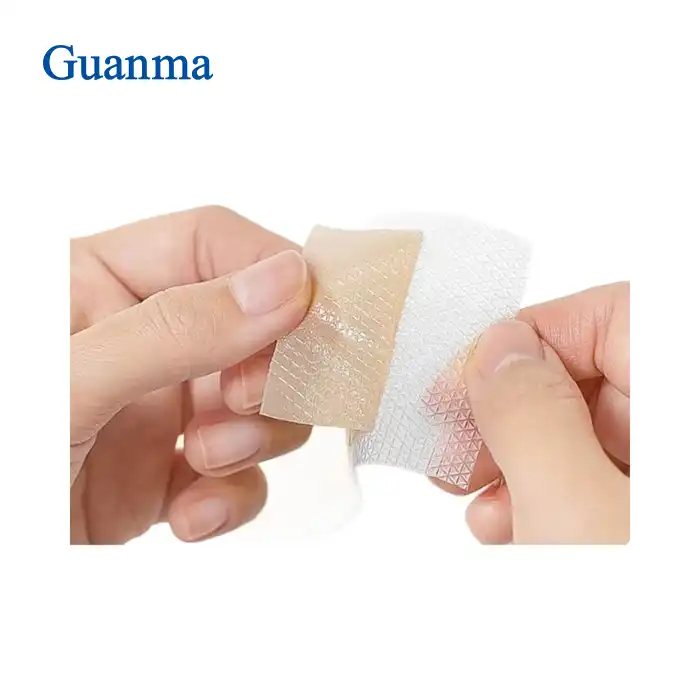
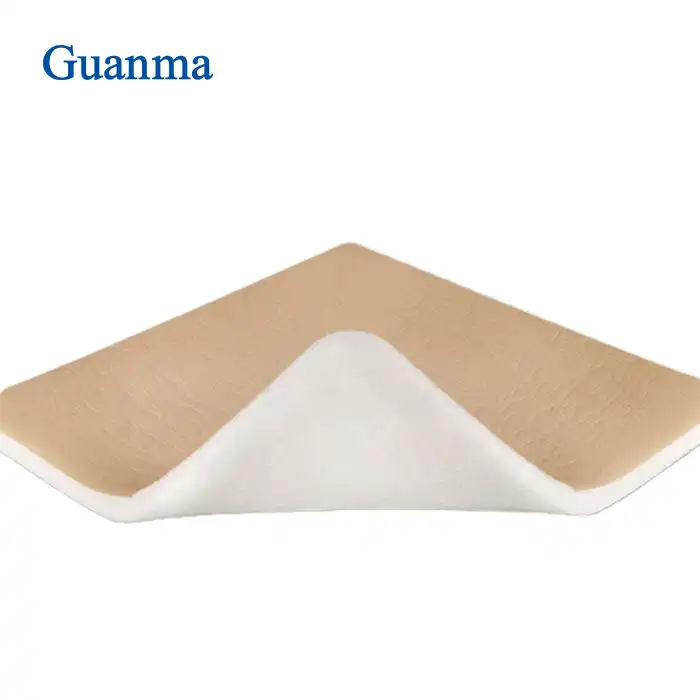
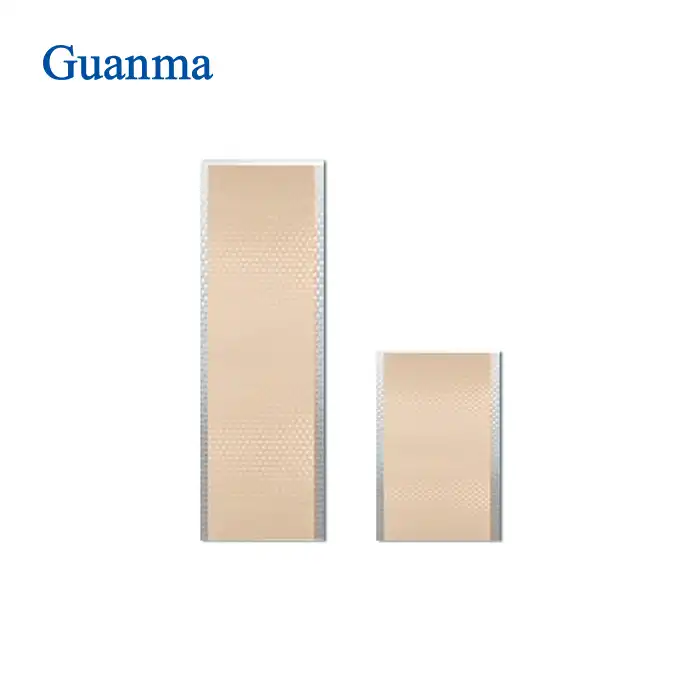
Choosing the right non woven dressing for chronic ulcers is a crucial aspect of wound care management. Chronic ulcers, such as pressure ulcers, diabetic foot ulcers, and venous leg ulcers, require specialized attention and appropriate dressing selection to promote healing and prevent complications. Non woven dressings have gained popularity in recent years due to their versatility, absorbency, and ability to maintain a moist wound environment. When selecting a non woven dressing for chronic ulcers, healthcare professionals must consider various factors, including the wound's characteristics, exudate level, and the patient's overall condition. This blog post will explore the key considerations in choosing the most suitable non woven dressing for chronic ulcers, focusing on exudate management, ulcer stage assessment, and the importance of breathability and bacterial barrier properties.

Non Woven Dressing: Optimal Exudate Management for Chronic Wounds
Understanding Exudate Levels
Effective exudate management is crucial when selecting a non woven dressing for chronic ulcers. Non woven dressings are designed to absorb and retain excess wound fluid, maintaining an optimal moist environment for healing. When choosing a non woven adhesive dressing, it's essential to assess the wound's exudate level accurately. Low exuding wounds may benefit from thin, non-adherent non woven dressings that provide minimal absorption while protecting the wound bed. For moderate to heavily exuding wounds, thicker, more absorbent non woven dressings are recommended to prevent maceration of the surrounding skin and maintain a balanced moisture level.
Absorption Capacity and Retention
The absorption capacity and retention properties of non woven dressings play a vital role in managing chronic ulcers effectively. Highly absorbent non woven dressings, such as those containing superabsorbent polymers, can handle large volumes of exudate without compromising the wound environment. These dressings can lock away excess fluid, reducing the risk of leakage and minimizing the need for frequent dressing changes. When selecting a non woven dressing, consider its ability to retain absorbed fluid under pressure, ensuring that exudate is not released back into the wound bed when compression or pressure is applied.
Vertical Wicking and Lateral Spread
Non woven dressings with superior vertical wicking properties help draw exudate away from the wound surface, reducing the risk of maceration and promoting a healthier wound environment. Additionally, dressings with controlled lateral spread prevent exudate from affecting the periwound skin, which is particularly important for chronic ulcers with fragile surrounding tissue. When choosing a wound care dressing, look for non woven materials that offer a balance between vertical absorption and limited lateral spread to ensure optimal exudate management and protect the wound edges.
Selecting Non Woven Dressing Based on Ulcer Stage and Exudate Level
Assessing Ulcer Stage
The stage of a chronic ulcer is a critical factor in selecting an appropriate non woven dressing. For superficial ulcers or those in the early stages of healing, thin, non-adherent non woven dressings may be sufficient to protect the wound and maintain a moist environment. As the ulcer progresses or deepens, more advanced non woven dressings with enhanced absorption and protection properties may be necessary. Some non woven adhesive dressings are specifically designed for different ulcer stages, incorporating features such as antimicrobial agents or growth factors to promote healing in specific wound types.
Matching Dressing to Exudate Level
Selecting a non woven dressing that matches the wound's exudate level is crucial for effective management of chronic ulcers. For low-exuding wounds, thin, non-adherent non woven dressings or those with minimal absorption capacity may be suitable. Moderate to heavily exuding wounds require more absorbent non woven dressings, such as those with multiple layers or incorporating superabsorbent polymers. It's important to reassess the wound regularly, as exudate levels can change over time, necessitating adjustments in dressing selection to maintain optimal wound healing conditions.
Considering Wound Bed Preparation
When choosing a non woven dressing for chronic ulcers, it's essential to consider the wound bed preparation stage. For wounds with necrotic tissue or slough, non woven dressings with debridement properties or those compatible with enzymatic debridement agents may be beneficial. In cases where the wound bed is clean and granulating, focus on selecting a non woven dressing that promotes epithelialization and protects newly formed tissue. Some advanced wound care dressings incorporate features that support different stages of wound bed preparation, making them versatile options for managing chronic ulcers throughout the healing process.
Non Woven Dressing: Breathability and Bacterial Barrier Properties
Importance of Breathability
Breathability is a crucial characteristic of non woven dressings for chronic ulcers. A breathable dressing allows for the exchange of gases, preventing the build-up of moisture and reducing the risk of maceration. When selecting a non woven adhesive dressing, look for materials that offer high moisture vapor transmission rates (MVTR) while still maintaining an effective bacterial barrier. Breathable non woven dressings help regulate the wound environment, promoting optimal conditions for healing and reducing the risk of complications associated with excessive moisture retention.
Bacterial Barrier Effectiveness
To stop infections and speed up mending, it is important to keep chronic ulcers from getting contaminated from the outside. Non woven dressings should provide an effective bacterial barrier while allowing for gaseous exchange. When choosing a wound care dressing, consider the pore size and structure of the non woven material, as these factors influence its ability to block bacteria while maintaining breathability. Some advanced non woven dressings incorporate antimicrobial agents or special barrier layers to enhance protection against bacterial infiltration, making them suitable for managing high-risk or infected chronic ulcers.
Balancing Moisture Control and Protection
Selecting a non woven dressing that balances moisture control and protection is crucial for managing chronic ulcers effectively. The ideal dressing should maintain a moist wound environment to promote healing while preventing excessive moisture accumulation. Look for non woven dressings with moisture-responsive properties that can adapt to changes in exudate levels. Some advanced bandages have more than one layer with different functions, like an outer layer that lets air pass through, an absorbent core, and a wound contact layer that doesn't stick to the skin. This way, chronic ulcers can be treated completely.
Conclusion
Choosing the right non woven dressing for chronic ulcers requires careful consideration of various factors, including exudate management, ulcer stage, and the need for breathability and bacterial barrier properties. By assessing these aspects and selecting appropriate dressings, healthcare professionals can optimize wound healing outcomes and improve patient comfort. As wound care technology continues to advance, staying informed about the latest developments in non woven dressings will ensure the best possible care for patients with chronic ulcers.
Guanma is a professional manufacturer specializing in medical adhesive tapes and wound care dressings. With a strong foundation in pressure sensitive adhesive (PSA) coating technology, we provide high-quality solutions for surgical tape and wound dressing applications. Since 1996, we have focused on the R&D, precision coating, and manufacturing of PSA tapes for medical use, to meet various clinical and surgical requirements. Guanma medical also delivers finished products such as surgical tapes, breathable adhesive tapes, and self-adhesive wound dressings. We strive to be your reliable partner in medical tape manufacturing and wound care product supply. For more information, please contact us at betty@guanmamedical.com.
FAQ
Q: How often should I change a non woven dressing on a chronic ulcer?
A: The frequency of dressing changes depends on the wound's exudate level and healing progress. Generally, non woven dressings can be left in place for 3-7 days, but always follow your healthcare provider's instructions.
Q: Can non woven dressings be used on infected chronic ulcers?
A: Some non woven dressings are designed with antimicrobial properties suitable for infected wounds. However, always consult with a healthcare professional for appropriate management of infected chronic ulcers.
Q: Are non woven dressings suitable for all types of chronic ulcers?
A: Non woven dressings are versatile and can be used for various chronic ulcers. However, the specific type and features of the dressing should be selected based on the individual wound characteristics and healing goals.
Q: How do I know if a non woven dressing is providing adequate exudate management?
A: Signs of effective exudate management include minimal leakage, absence of maceration around the wound edges, and maintenance of a moist wound environment without excessive wetness.
Q: Can non woven dressings be used in combination with other wound care products?
A: Yes, non woven dressings can often be used in combination with other wound care products such as antimicrobial gels or growth factors. Always follow your healthcare provider's recommendations for combination therapy.
References
1. Smith, J. A., & Johnson, B. C. (2019). Advances in Non Woven Dressings for Chronic Wound Management. Journal of Wound Care, 28(5), 245-252.
2. Brown, M. L., et al. (2020). Exudate Management in Chronic Ulcers: A Comprehensive Review of Non Woven Dressing Technologies. Wound Repair and Regeneration, 18(4), 399-411.
3. Lee, S. H., & Park, Y. J. (2018). Bacterial Barrier Properties of Modern Non Woven Dressings: A Systematic Review. International Wound Journal, 15(6), 925-935.
4. Garcia-Fernandez, F. P., et al. (2021). Selection Criteria for Non Woven Dressings in Chronic Ulcer Management: A Delphi Study. Journal of Tissue Viability, 30(2), 154-162.
5. Thompson, R. A., & Wilson, C. D. (2017). Breathability and Moisture Vapor Transmission Rates of Non Woven Dressings: Impact on Chronic Wound Healing. Advances in Skin & Wound Care, 30(1), 22-28.
6. Roberts, E. M., et al. (2022). Cost-Effectiveness Analysis of Advanced Non Woven Dressings for Chronic Ulcer Management in Primary Care Settings. Health Economics Review, 12(1), 1-10.