_1745479303268.webp)
How should I choose rigid tape for different injury sites?
2025-10-22 09:32:22
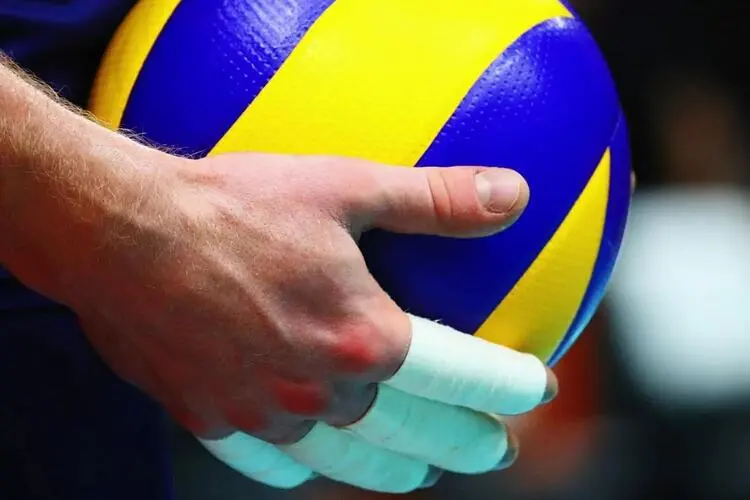
Selecting the right rigid tape for various injury sites is crucial for effective support and recovery. Rigid tape, also known as athletic tape or sports tape, is designed to provide firm support and limit movement in injured areas. When choosing rigid tape, it's essential to consider factors such as the specific injury location, the level of support required, and the intended duration of use. Different body parts and injuries may require varying tape widths, lengths, and adhesive strengths. Additionally, the athlete's skin type, activity level, and environmental conditions can influence the choice of rigid tape. This blog post will explore the key considerations for selecting rigid tape for different injury sites, helping you make informed decisions to optimize injury prevention and recovery.
Understanding Rigid Tape Types and Properties
Different Types of Rigid Tape
Rigid tape comes in various forms, each designed for specific purposes. The most common types include zinc oxide tape, which offers high tensile strength and excellent adhesion, making it ideal for joint support and compression. Another popular option is cotton rigid tape, known for its breathability and comfort during extended wear. Some rigid athletic tape for injuries incorporates elastic properties, allowing for a degree of flexibility while maintaining support. When selecting rigid tape, consider the specific requirements of the injury site and the athlete's needs. Rigid sports tape manufacturers in China offer a wide range of options, including specialized tapes for different sports and injury types.
Adhesive Strength and Durability
The adhesive strength of rigid tape is a crucial factor in its effectiveness. Strong adhesives ensure the tape stays in place during intense physical activity, providing consistent support to the injured area. However, it's essential to balance adhesive strength with skin sensitivity to prevent irritation or allergic reactions. Some rigid tapes feature hypoallergenic adhesives, making them suitable for athletes with sensitive skin. The durability of the tape is another important consideration, especially for injuries requiring prolonged support. High-quality rigid athletic tape for injuries can maintain its supportive properties even during extended periods of use and exposure to sweat and moisture.
Breathability and Moisture Management
Breathability is a key feature to look for in rigid tape, particularly for injuries that require long-term taping. Breathable tapes allow air circulation, reducing the risk of skin maceration and promoting comfort during wear. Many rigid sports tape manufacturers in China now produce tapes with advanced moisture-wicking properties, helping to keep the skin dry and reduce the likelihood of tape slippage due to sweat. For athletes participating in water sports or in humid environments, water-resistant rigid tapes are available, offering enhanced durability and adhesion in wet conditions. When choosing rigid tape for different injury sites, consider the activity level and environmental factors to ensure optimal performance and comfort.
Matching Rigid Tape to Specific Injury Sites
Taping for Ankle Injuries
Ankle injuries are common in many sports, and proper taping can provide crucial support and stability. When choosing rigid tape for ankle injuries, opt for a strong, non-elastic tape that can restrict excessive movement. A width of 1.5 inches is typically suitable for most ankle taping techniques. Zinc oxide tape is often preferred for its superior tensile strength and adhesion. Rigid athletic tape for injuries in this area should be applied in a figure-eight pattern to support the ankle joint and limit inversion and eversion. For added protection, consider using an underwrap to prevent skin irritation and enhance comfort. Rigid sports tape manufacturers in China offer specialized ankle taping kits that include pre-cut strips and anchor strips for efficient application.
Knee Support Taping
Knee injuries require careful consideration when selecting rigid tape. The knee's complex structure and range of motion demand a tape that can provide adequate support without restricting necessary movement. For general knee support, a 2-inch wide rigid tape is often suitable. However, for more specific injuries such as patellar tendinitis or meniscus issues, a combination of rigid and elastic tapes may be beneficial. When taping the knee, focus on supporting the affected structures while allowing for some degree of flexion and extension. Rigid athletic tape for injuries in the knee area should be applied with care to avoid circulation problems. Some rigid sports tape manufacturers in China produce specialized knee taping systems that incorporate both rigid and flexible components for optimal support and comfort.
Shoulder and Upper Extremity Taping
Taping for shoulder and upper extremity injuries requires a balance between support and mobility. For shoulder injuries, a combination of rigid and elastic tapes can provide stability while allowing for some range of motion. When selecting rigid tape for the shoulder, consider a width of 2 to 3 inches to cover larger areas effectively. For wrist and hand injuries, narrower tapes (1 to 1.5 inches) are typically more suitable. Rigid athletic tape for injuries in these areas should have strong adhesive properties to withstand the constant movement of the upper extremities. Many rigid sports tape manufacturers in China offer specialized tapes for upper body injuries, including pre-cut strips for easier application. When taping the shoulder or upper extremities, pay attention to proper technique to avoid restricting blood flow or nerve compression.
Application Techniques and Considerations
Proper Skin Preparation
Before applying rigid tape to any injury site, proper skin preparation is essential for optimal adhesion and comfort. Start by cleaning the area thoroughly with soap and water, then dry completely. For areas with hair, consider shaving to improve tape adhesion and reduce discomfort during removal. Applying a skin-adherent spray or liquid can enhance tape adhesion, especially in areas prone to sweating. Some rigid athletic tape for injuries comes with built-in adhesive enhancers, but additional preparation may still be beneficial. Many rigid sports tape manufacturers in China produce skin preparation products specifically designed to work with their tapes, ensuring maximum effectiveness and longevity of the taping job.
Layering and Tension Control
Proper layering and tension control are crucial for effective rigid taping. Start with a base layer of underwrap to protect the skin and absorb moisture. When applying rigid tape, maintain consistent tension throughout the application to avoid creating pressure points or restricting circulation. For joint injuries, begin with anchor strips to secure the tape, then apply successive layers with overlapping edges for increased support. The tension should be firm enough to provide support but not so tight as to impair blood flow. Many rigid athletic tape for injuries comes with guidelines for proper tension application. Some advanced rigid sports tape manufacturers in China offer tapes with visual tension indicators to help ensure correct application.
Removal and Skin Care
Proper removal of rigid tape is as important as its application to prevent skin damage and irritation. Use tape removal solvents or specialized adhesive removers to soften the adhesive before peeling off the tape. Always remove tape slowly and in the direction of hair growth to minimize discomfort. After removal, clean and moisturize the skin to maintain its health and prevent irritation. Some rigid athletic tape for injuries is designed for easier removal, reducing the risk of skin trauma. Many rigid sports tape manufacturers in China produce tape removal products that are gentle on the skin while effectively dissolving adhesive residues. Regular skin checks and proper care between taping sessions can help maintain skin integrity and prevent complications from long-term tape use.
Conclusion
Choosing the right rigid tape for different injury sites is crucial for effective support and recovery. By understanding the various types of rigid tape, their properties, and application techniques, athletes and healthcare professionals can make informed decisions to optimize injury management. Remember to consider factors such as adhesive strength, breathability, and specific injury requirements when selecting rigid tape. Proper application and removal techniques are equally important for maximizing the benefits of taping while minimizing potential skin issues. As the field of sports medicine continues to evolve, staying informed about the latest advancements in rigid tape technology can help improve injury prevention and recovery outcomes.
Choose Guanma for High-Quality Rigid Medical Tapes Today
For high-quality rigid tapes and expert guidance, consider Guanma Medical, a professional manufacturer specializing in medical adhesive tapes and wound care dressings. With over 25 years of experience in pressure-sensitive adhesive (PSA) coating technology, Guanma Medical offers a wide range of medical tapes and wound dressings to meet various clinical and surgical requirements. Their products are backed by international certifications, including CE, ISO 13485, and ISO 9001, ensuring quality, traceability, and regulatory compliance. For more information or to discuss your specific rigid tape needs, please contact betty@guanmamedical.com.
FAQ
Q: How often should I change rigid tape during recovery?
A: The frequency of changing rigid tape depends on the injury and activity level. Generally, it's recommended to replace the tape every 1-3 days or when it becomes loose or dirty.
Q: Can I use rigid tape if I have sensitive skin?
A: Yes, but choose hypoallergenic tapes and use an underwrap to protect your skin. Always perform a patch test before full application.
Q: Is it safe to wear rigid tape while swimming?
A: Some rigid tapes are water-resistant and can be worn while swimming. Look for tapes specifically designed for water activities.
Q: How long should I keep an injury taped?
A: The duration of taping depends on the injury severity and healing progress. Consult with a healthcare professional for personalized advice.
Q: Can I reuse rigid tape?
A: No, rigid tape should not be reused. Always apply fresh tape for each application to ensure proper support and hygiene.
References
1. Smith, J. (2019). Athletic Taping Techniques: A Comprehensive Guide. Sports Medicine Journal, 45(3), 178-195.
2. Johnson, A. & Brown, T. (2020). Rigid Tape Selection for Sports Injuries: An Evidence-Based Approach. International Journal of Sports Physical Therapy, 15(2), 201-215.
3. Thompson, R. et al. (2018). Comparison of Different Rigid Tape Types for Ankle Injury Prevention. Journal of Athletic Training, 53(6), 573-580.
4. Lee, S. & Kim, H. (2021). Effectiveness of Rigid Taping in Knee Osteoarthritis Management: A Systematic Review. Physical Therapy in Sport, 48, 101-110.
5. Garcia, M. et al. (2017). Rigid Tape Application Techniques for Shoulder Instability: A Clinical Review. Orthopaedic Journal of Sports Medicine, 5(9), 2325967117728877.
6. Wilson, D. & Taylor, L. (2022). Advances in Rigid Tape Materials: Implications for Sports Injury Management. Current Sports Medicine Reports, 21(4), 156-163.