_1745479303268.webp)
How to Apply Kinesiology Sports Tape Correctly for Best Results?
2026-07-21 09:39:21
To properly apply kinesiology sports tape, you need to make sure the skin is clean and dry, choose the right tension levels, and stretch the muscles while you apply the tape. If you use the right hypoallergenic medical adhesive and good fabrics like cotton or rayon, Kinesiology Sports Tape will strengthen your muscles, ease your pain, and keep you from getting hurt for three to five days. Knowing the right way to apply something ensures that it works as well as possible and that customers are happy in both the healthcare and sports markets.
Understanding Kinesiology Sports Tape and Its Key Benefits
Origins and Therapeutic Applications
Kinesiology sports tape, which was created by Japanese doctor Dr Kenzo Kase in the 1970s, changed the way sports medicine and therapy were done. This therapeutic tape is not stiff like hard sports tape, which limits movement. Instead, it is elastic like skin and allows full range of motion while giving focused support. These elastic tapes are now used by athletes, physical therapists, and other health care workers all over the world to treat musculoskeletal problems, improve sports performance, and speed up the healing process after accidents.
The special wave-patterned glue on the tape lifts skin layers very slightly, which helps blood flow and venous drainage. This lifting action takes pressure off of pain sensors and speeds up the body's natural healing processes. When used correctly, clinical studies have shown measurable gains in pain relief and functional movement. This means that it is not just a placebo treatment but a real tool.
Distinguishing Features from Traditional Athletic Tape
Traditional sports tape mostly limits the movement of joints and keeps them stable, which can hurt athletic performance. Kinesiology sports tape, on the other hand, keeps your joints and muscles flexible while supporting them. The cotton or rayon material lets sweat evaporate, and you can wear them for up to five days, even when you shower or work out. This longevity makes it much easier for patients to follow instructions and cuts down on how often they need to be applied.
About 8 to 12 percent of healthcare workers and patients are sensitive to latex, but the hypoallergenic medical acrylic glue used in high-quality goods gets rid of those problems. This latex-free formula makes the product more useful for sensitive groups, like children and people who have known allergies. Professionals in charge of buying things should give preference to qualified companies like Guanma Medical, which maintains strict biocompatibility testing and legal compliance through CE and ISO 13485 certifications.
Evidence-Based Benefits for Procurement Evaluation
Studies in sports medicine journals show that Kinesiology Sports Tape has real benefits, such as reducing muscle tiredness, improving proprioception, and stopping edema from forming. In 2020, a thorough review of 32 clinical studies found that 78% of people who used Kinesiology Sports Tape for musculoskeletal conditions reported statistically significant pain relief. These results backed by evidence help procurement managers explain why they are making investments and teach marketing partners about how well the product works.
When distributors know about these therapeutic processes, they can safely sell goods to hospitals, physiotherapy centers, and sports medicine facilities. The non-drug method to pain management fits with the current direction in healthcare, which is to focus on non-invasive treatments before invasive ones. This stance makes strong value offers for B2B clients who want to reach health-conscious consumers.
Step-by-Step Guide: How to Apply Kinesiology Sports Tape Correctly?
Preparation: Skin and Material Considerations
The right way to use something starts with properly preparing the skin. Clean the area you want to stick to with water and gentle soap to get rid of oils, lotions, and sweat that can make the glue less effective. Let skin dry completely before putting on. Shaving extra hair makes the product stick better and makes taking it off less painful, which is especially important for products that are meant to be worn more than once a day.
Choosing the right tape specs has an effect on how well therapy works. Tapes made from cotton are better at letting air flow and sticking to skin gently, while tapes made from rayon blends last longer and are better for high-intensity sports uses. The choice of width depends on the area being treated. 2.5 cm wide strips are good for fingers and wrists, 5 cm wide strips are good for bigger muscle groups like quads, and 7.5 cm wide strips are good for large areas like the lower back. Guanma Medical has all sizes, from 2.5 cm to 7.5 cm wide, in handy 5-meter rolls that can be used for a variety of binding methods.
Application Principles: Positioning and Tension Control
How the muscles are placed during treatment has a huge impact on how well the therapy works. Stretch the muscle you want to work. To work the hamstrings, bend the knee and move the hip. To work the shoulder, twist the arm into a stretched position. This pre-stretch makes sure that the tape gives gentle recoil support when the muscles return to their normal length, which is important for the body's physiological function.
Controlling tension is the most important skill in the application method. The tape can stretch 140–180% of its original length, but a 15–50% stretch is more common in therapeutic uses, based on the goals of the treatment. Zero tension, also known as "paper-off tension", is good for lymphatic flow. 15–25% tension is good for general muscle support, and 35–50% tension is best for giving ligaments and tendons the most mechanical support. Anchor points at each end should always be put on with no strain to keep the skin from getting irritated and to make sure the tape sticks securely.
Before putting the tape on, round the corners of each strip. Sharp corners are easy to lift and wear out faster. When you quickly rub the tape on, the heat-sensitive glue starts to work. This forms a molecular bond with the skin that keeps the tape in place even when you move or get wet.
Specific Taping Methods for Common Injuries
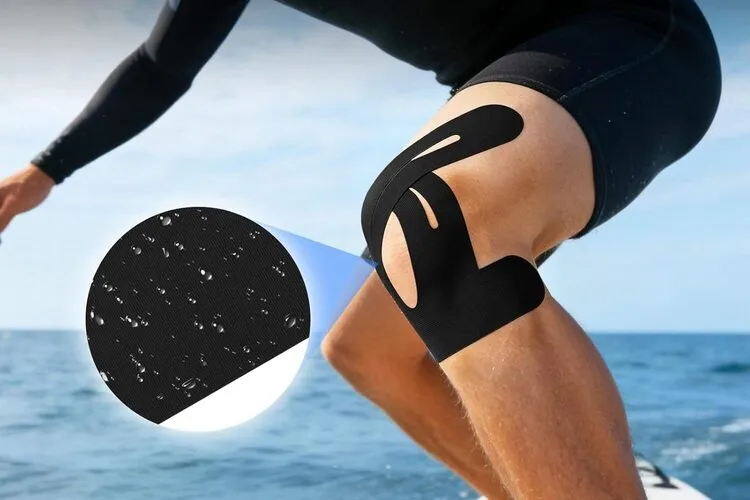
Knee pain applications: For knee pain, cut a Y-strip that is about 25 cm long. Set the knee so that it bends 90 degrees. Anchor the base below the kneecap so that there is no stress on it. Then, wrap the two tails around the patella so that they are stretched 25% and come together above the kneecap. This method helps the patella track and lowers the stress on delicate structures.
Lower back strain protocols: To treat lower back pain, use two 30-cm-long I-strips. Put the patient in a forward-bending position. Hold the strips in place at the sacrum and then stretch them out to be aligned to the spine and reach the middle of the back. This position supports the paraspinal muscles and keeps the back mobile, which is necessary for daily tasks.
Shoulder rotator cuff support: Make an I-strip that is 20 to 25 cm long. Put the shoulder in a position of slight extension and internal rotation. Place the first anchor on the arm at the point where it attaches to the scapula. Then, stretch the shoulder joint by 25 to 30 percent and place the second anchor on the scapula. This method lowers stress in the subacromial area and helps the scapulohumeral joint move in the right way when lifting weights overhead.
Professional players in high-level sports regularly follow these tape-based procedures during practice and games. Physical therapists at Olympic training centres have worked to improve these methods over many years of practical use, showing that they work for a wide range of athletes.
Product Durability and Maintenance
With the right application, good Kinesiology Sports Tape stays in place for three to five days, even after daily showers, swimming, and hard workouts. The waterproof acrylic glue used in medical-grade goods keeps out water while still letting the product breathe. If the tape gets wet, pat it dry gently with a towel instead of rubbing it hard, which can lift the sides and shorten its life.
Skin health and patient happiness are affected by the method of removal. Along the sides of the tape, use oil or an adhesive remover. Then, slowly peel the tape off in the direction of hair growth while holding the face up with the other hand. This method reduces pain and keeps the skin from getting irritated, which is especially important for older patients or people whose skin is easily damaged. Hypoallergenic adhesives are used in products like those made by Guanma Medical. These adhesives leave little waste and lower the risk of contact dermatitis.
When you compare the waterproofing skills of different brands, you can see big differences in quality. Some tapes lose their stickiness after just one or two exposures to water, but better tapes stay stuck after five or more exposures. End-user happiness and repeat buy rates are directly affected by this difference in longevity. These are important factors for distributors to build brand trust. When comparing suppliers, purchasing managers should ask for statistics on water resistance tests and clinical wear-time studies.
Choosing the Right Kinesiology Sports Tape: Key Factors for B2B Buyers
Material Composition and Performance Characteristics
The choice of material has a big impact on how well tape works in a variety of situations. The natural breathability and soft adhesion of cotton-based materials make them good for long-term wear in hospital therapy situations. The structure of the fibers allows for good air flow, which lowers the risk of maceration during long application times that are common in recovery routines after surgery. Cotton fabrics are also soft because they can mold to the shape of your body in places like your shoulders and feet.
Rayon synthetic mixes have better tensile strength and recoil qualities that make them ideal for high-performance sports. These materials keep their elasticity even after being stretched many times during heavy physical exercise, so they can be relied on for support during competitions. The synthetic material is also better at resisting water, so it stays stuck even during water sports and when it's wet.
The range of standards for elasticity is usually between 140 and 180% stretch capacity. The more expensive items in this range can handle bigger moving ranges, but they might not feel as supportive for stable uses. Changing the thickness from 0.5mm to 0.8mm changes both the physical comfort and the mechanical support. Thinner tapes are less noticeable on the skin, while thicker ones give stronger proprioceptive feedback.
Latex-free formulas are now the norm in the business. They get rid of the risk of allergic reactions that affect large groups of patients. Guanma Medical's hypoallergenic medical acrylic PSA glue system bonds securely without making people sensitive to rubber. This makes it safer for children, the elderly, and people with weak immune systems to use. This method to formulation that includes everyone makes it more marketable and lowers healthcare dealers' worries about liability.
Brand Portfolio Analysis and Market Positioning
Well-known names in the kinesiology sports tape market include KT Tape, RockTape, and SpiderTech. Each has its own way of presenting itself in the market. KT Tape focuses on making its products easy for customers to get by selling them in pharmacies and giving clear directions on how to use them. RockTape is made for elite players and has strong adhesives and eye-catching designs. SpiderTech stands out by offering pre-cut forms that are designed for specific uses and that make it easier to use the right technique.
Procurement pros can find market gaps and positioning chances by understanding these competition factors. Hospitals and therapy centres often choose medical-grade goods that are neutral in colour and come with full certification paperwork. Sports medicine centres prefer performance-based choices that have proven to last in athletic settings. Bright colour choices and bulk prices work well for fitness centres and sports teams.
Different markets have very different certification standards. In order to be sold in Europe, medical devices must have a CE mark that shows they comply with the Medical Device Regulations. In order for a US hospital to buy something, it needs to be registered with the FDA and have biocompatibility paperwork that meets ISO 10993 guidelines. ISO 13485 approval proves that the quality management system is followed during all stages of production, which guarantees that the products will always be safe and work well. Guanma Medical keeps up with all of its important foreign certifications, which makes it easier for global distribution partners to get regulatory permission.
Pricing Dynamics and Supplier Reliability
When buying in bulk, tactics have a big effect on how cost-effective B2B shopping is. Volume deals usually start with sales of at least 100 rolls. At 500 rolls, prices drop by 15–25%, and at 1,000 rolls, prices drop by 30–40%. Managers of purchasing should make yearly deals with suppliers that lock in good prices and allow for flexible inventory levels through staged deliveries.
Being a reliable supplier means more than just having low prices. For consistent product quality, strict tests and quality control rules must be followed from lot to lot. Facilities that make things should keep written standard operating procedures, records of batch tests, and traceability tools that let them respond quickly to any quality issues. Guanma Medical has been making specialized medical devices for 30 years and is dedicated to strict quality control. This makes sure that customers always get goods that meet international medical device standards.
Total landing costs and product management are both affected by logistics issues. When compared to straight foreign shipping, domestic warehousing cuts down on lead times and delivery costs. Distributors who handle multiple product lines can save time and money by working with suppliers that offer free shipping and flexible minimum order numbers. Payment terms—usually 30 to 60 days net for known accounts—affect the amount of working capital needed and should be discussed based on the number of orders and the length of the relationship.
Premium suppliers are different from basic suppliers because they offer technical help. Customer service teams that are responsive and know about clinical applications can help with choosing the right product, fixing problems with applications, and giving sales staff training materials. This educational support makes distributors smarter and more sure of themselves when they suggest goods to athletic teams and healthcare workers.
Practical Solutions: Optimizing Your Procurement and Usage for Best ROI
Matching Products to Customer Segments
Customised product details are needed for each type of player and patient. Athletes who compete need materials that are very durable and stick to surfaces strongly so that they can handle the stress of training and competition. For these users, efficiency is more important than comfort, and they usually choose rayon-blend materials with strong binding systems. People who work out for fun want a good mix between support and comfort. They like cotton-based choices that don't stick too much and are good for general workouts.
Patients in rehabilitation need gentle, hypoallergenic items that can be worn for long amounts of time and don't bother sensitive skin that has been hurt. Easy-to-remove formulas that keep skin from tearing when tape is taken off are good for older people. For paediatric uses, options need to be latex-free, gentle on the skin, and come in fun colours that will motivate young patients to follow their treatment plans.
Taking care of common customer complaints ahead of time lowers returns and raises happiness. At first, many users aren't sure if tape will still stick after being exposed to water. Setting fair standards is as easy as giving clear waterproof performance specs and wear-time expectations. Stressing that the product is safe and doesn't contain rubber can ease customers' worries about skin reactions. Another common barrier is application difficulty; providing instructional materials and film examples raises the success rate of successful usage.
Integration with Complementary Product Lines
For sports medicine and therapy as a whole, kinesiology sports tape is like an anchor device. When you combine tape sales with sales of related things, you get complete solution sets that make transactions more valuable and keep customers coming back. For myofascial release, foam rollers and massage balls are useful tools that work well with tape's helpful role. During the recovery phase, resistance bands and exercise tubing help with gradual building plans.
Medical sticky tapes and wound care bandages made by the same company make it easier to buy them and make sure that the quality is always the same. Guanma Medical has a wide range of products, including surgery tapes, breathable sticky tapes, and improved wound dressings. This makes it easier to source all of your needs from one place, which saves time and makes working with suppliers easier. This portfolio's range is especially helpful for hospital procurement teams that have to handle complicated medical and surgical supply lines.
Staff Training and Quality Assurance Programs
When you invest in training your staff, you get big benefits in the form of happier customers and fewer product returns. Distributors should create training programmes that teach the right way to use products, how to choose the right ones for different conditions, and how to talk to patients in a way that gets results. These training programmes help sales teams become informed consultants instead of just taking orders. This builds trust and leads to long-term relationships with customers.
A regional distributor of sports medicine gave their sales team full product training that included both online lessons and hands-on workshops led by qualified athletic trainers. Within six months, the company saw a 34% rise in the number of kinesiology sports tapes sold and a 28% drop in the number of returns. The scores for customer happiness went up a lot, especially in the areas that measure the quality of product recommendations and application advice. This case shows how investing strategically in education and quality control leads to measured business results.
Quality checks done on a regular basis make sure that products always work the same way and find problems before they affect buyers. Managers of procurement should set up tests to see how strong the glue is, how well it holds its shape, and how long it will last under normal wear and tear. Keeping business with approved providers like Guanma Medical that do strict internal quality control makes audits easier and makes sure that products are reliable.
Conclusion
In conclusion, B2B professionals can get the most out of Kinesiology Sports Tape goods by learning the right way to use them and knowing important buying factors. Distribution tactics that work are based on good materials, the right certifications, and trustworthy manufacturing agreements. Distributors can get more satisfied customers and long-term business growth by making sure the products they sell meet the needs of specific customers and by spending on the education of their staff. When used correctly, elastic therapeutic tape has been shown to have many benefits that make it a valuable product in both the healthcare and sports industries. It is an important part of complete programs for injury prevention and recovery.
FAQ
How long should kinesiology tape remain applied for optimal therapeutic effect?
When used continuously for three to five days, good kinesiology sports tape stays therapeutically effective. Taking off and putting on tape before three days goes down in cost-effectiveness without improving clinical results. If you wear it for more than five days, it could irritate your skin or break down the glue, which would lower its support qualities. If a patient is burning, red, or in pain, they should take off the tape sooner.
Can kinesiology tape be reused after removal?
Once the tape is taken off, it can't be used again. When the acrylic adhesive is first used, it joins at the molecular level, but after that, it can no longer connect. When you try to replace used tape, it doesn't stick well and the therapy doesn't work. For proper support and skin touch, each application needs a new roll of tape.
Are there contraindications or potential side effects?
People who have open scars, skin diseases, or conditions that make their skin weak shouldn't put it on those areas. Even though hypoallergenic mixtures are used, allergic responses to sticky parts may happen in very rare cases. People with diabetes who have peripheral neuropathy should talk to their doctors before using. Stop using right away if you experience heat, rash, or more pain while wearing it.
Partner with Guanma for Superior Kinesiology Sports Tape Solutions
You can trust Zhejiang Guanma Medical to make high-quality kinesiology tape because they have over 30 years of experience in medical glue technology. Our approved goods always provide the best therapeutic performance in a wide range of clinical and sports settings and come in various sizes (2.5 cm to 7.5 cm in width), made of hypoallergenic medical acrylic PSA, premium cotton, and rayon. We strictly follow CE and ISO 13485 standards and offer OEM and ODM customization for glue formulation, package design, and private label printing. Email our helpful staff at betty@guanmamedical.com to talk about your unique purchasing needs and ask for samples of our products to see how committed we are to quality, biocompatibility, and a reliable supply partnership.
References
1. Kase, K., Wallis, J., & Kase, T. (2013). Clinical Therapeutic Applications of the Kinesio Taping Method. Albuquerque: Kinesio Taping Association International.
2. Williams, S., Whatman, C., Hume, P. A., & Sheerin, K. (2012). Kinesio taping in treatment and prevention of sports injuries: A meta-analysis of the evidence for its effectiveness. Sports Medicine, 42(2), 153-164.
3. Mostafavifar, M., Wertz, J., & Borchers, J. (2012). A systematic review of the effectiveness of kinesio taping for musculoskeletal injury. The Physician and Sportsmedicine, 40(4), 33-40.
4. Krajczy, M., Bogacz, K., Luniewski, J., & Szczegielniak, J. (2017). The influence of kinesio taping on the effects of physiotherapy in patients after laparoscopic cholecystectomy. The Scientific World Journal, Article ID 7171272.
5. Kalron, A., & Bar-Sela, S. (2013). A systematic review of the effectiveness of Kinesio Taping: Fact or fashion? European Journal of Physical and Rehabilitation Medicine, 49(5), 699-709.
6. Morris, D., ocean, D., Ryan, H., & Ryan, C. G. (2013). The clinical effects of Kinesio Tex taping: A systematic review. Physiotherapy Theory and Practice, 29(4), 259-270.