_1745479303268.webp)
How to Apply Zinc Oxide Strapping Tape Correctly for Support?
2026-07-06 09:27:23
To get the best results from zinc oxide strapping tape, first make sure the area is clean and dry. This tape has a cotton layer with zinc oxide glue mixed in.It helps support muscles and joints in medical and sports situations. To use it correctly, keep the tape tight as you wrap it, layer it with overlapping sections for more support, and make sure there are no wrinkles to keep the skin safe. When used right, this tape is breathable and waterproof, offering support without restricting blood flow or causing discomfort. That’s why it’s a key tool for healthcare centres and sports medicine professionals in preventing and recovering from injuries.
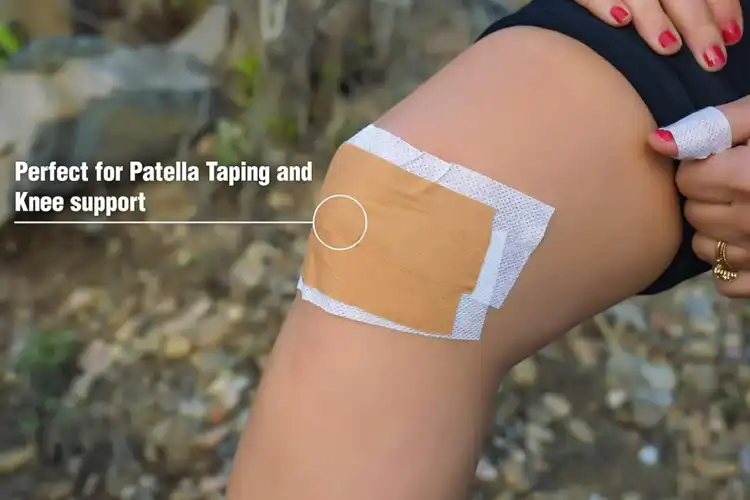
Understanding Zinc Oxide Strapping Tape: Composition, Benefits, and Key Properties
Combining traditional materials with tried-and-true medical-grade parts, zinc oxide strapping tape is a well-thought-out option. The cotton cloth backing lets air flow and allows it to mould to your body, and the zinc oxide-based adhesive has both strong holding power and skin-soothing qualities that set it apart from synthetic options.
What Makes Zinc Oxide Adhesive Unique?
The zinc oxide strapping tape mixture makes a safe glue that sticks well to skin while lowering the risk of discomfort. This means the tape stays stuck even in damp places or while you're moving, which water-based adhesives can't do. The cotton base gives the tape great tensile strength, which means it can support joints when they're under a lot of stress without being stiff like synthetic fibre tapes do.
Core Performance Characteristics
Medical professionals value this tape because they can measure a number of its qualities. The flexible cotton backing allows moisture vapour to pass through, reducing the risk of maceration during long wear times. Water resistance makes sure that the tape stays in place even when you bathe or sweat, which extends its useful life. Because it can be torn by hand, there is no need for cutting tools, which makes it easier to use in hospital settings. Latex-free construction handles allergy issues that affect about 4–6% of the general population, making it safer to use for a wider range of patient groups.
Applications Across Healthcare and Sports Medicine
Healthcare facilities deploy this tape for wound dressing securement, catheter stabilisation, and post-surgical support. As an added bonus, the zinc oxide strapping tape component has light antiseptic qualities that help with wound care. Athletic coaches use it to avoid injuries by taping the ankles, wrists, and fingers, where it must conform to the body and lets air flow during long games. Physiotherapy practices use it for joint stabilisation during rehabilitation exercises, where controlled support speeds up healing without restricting necessary movement patterns.
Step-by-Step Guide: How to Apply Zinc Oxide Strapping Tape Correctly for Support
Effective zinc oxide strapping tape application can be turned into measured clinical results. A methodical approach guarantees consistent results, whether the goal is to support an athlete's ankle or keep a patient's clothing in place.
Preparation: Surface Assessment and Cleaning
Begin by checking the area where you want to apply the tape for wetness, grease, or anything else that could reduce adhesion. Use light soap and water to clean the skin well, and then dry it fully with a lint-free cloth. If you want to avoid folliculitis and get better tape contact in places with thick hair, you might want to trim instead of cutting. If the skin is cold, let it warm up to room temperature. This will help the glue stick better at first. This step of getting ready has a direct effect on how long the tape stays in place.
Selecting Appropriate Dimensions
Choose tape width based on the body part and the amount of support needed. The 3.8cm width is ideal for fingers, toes, and small tasks that require precision. The 5cm width makes it easier to cover bigger joint groups, such as the ankles and wrists. Standard 9-metre rolls are long enough for many different uses or large wrapping patterns. Keeping both sizes in stock helps procurement teams handle a range of healthcare situations without wasting any stock.
Application Technique for Optimal Adhesion
Unroll approximately 30 cm of tape while keeping the roll whole so that it can be handled safely. Place the beginning end with light pressure, being careful not to stretch too much, as this can cause stress points. Stretch the tape between 25 and 50 per cent and wrap it in a circle pattern, overlapping each pass by 50 per cent. This overlapping method strengthens the support and spreads pressure evenly over the covered area. Smooth each layer immediately to remove air gaps that weaken bonding. Apply strong pressure to the end of the cord to ensure it sticks firmly and has no tape tabs that can catch on clothes.
Common Application Errors to Avoid
Excessive strain limits blood flow and hurts, showing up as numbness or colouring away from the wrap. Weak spots are made when there isn't enough contact, and the tape comes apart under load. Stress builds up in wrinkles, which lift too soon. When you put tape on wet skin, the glue fails quickly. When you wrap around tapered limbs in a regular circular pattern, there are gaps at the ends of the narrow parts. You can avoid these problems by improving your techniques and teaching your operators.
The methodical approach described here reduces material waste and increases useful life. Standardised application procedures have led to a 30–40% drop in premature tape removal in healthcare facilities, which directly saves money on supplies and makes patients more comfortable.
Comparing Zinc Oxide Strapping Tape with Other Medical Adhesive Solutions
Before making a purchase choice, it's helpful to know how zinc oxide strapping tape compares to other medical adhesive solutions available on the market.
Zinc Oxide Versus Synthetic Adhesive Tapes
Acrylic and silicone sticky tapes are both hypoallergenic, like zinc oxide strapping tape versions, but they are very different in how well they breathe and mould to surfaces. Acrylic glue sticks are better at first, but they might irritate your skin after a while of use. Silicone bonds are easier to peel off, but they usually cost 40 to 60 per cent more per square metre. Zinc oxide strapping tape with a cotton backing strikes a good mix between sticking power, skin comfort, and low cost that makes it useful for large-scale healthcare uses.
Performance Comparison with Elastic Adhesive Bandages
Elastic cohesive patches support and bind the skin without sticking to it, which makes them useful for managing oedema. However, they don't offer the exact positional security that zinc oxide strapping tape does for immobilising a joint. When properly applied, zinc oxide strapping tape's rigid support stops unwanted movement better than elastic options, making it preferable for acute injury stabilisation and post-operative immobilisation protocols.
Cost-Benefit Analysis for Bulk Procurement
Price per roll represents only one component of the total acquisition cost. Check how long the glue will last, because tape that needs to be replaced often costs more in both materials and care staff time. Zinc oxide tape usually lasts two to three days in regular conditions, matching or exceeding synthetic alternatives but costing 30 to 50 per cent less per unit. Facilities processing high patient volumes realise substantial savings through bulk purchasing of reliable, cost-effective solutions.
Procurement Insights: Sourcing Quality Zinc Oxide Tape for Your Facility
Establishing relationships with certified manufacturers ensures consistent product quality and regulatory compliance across supply chains.
Evaluating Manufacturer Credentials
Reputable suppliers maintain certifications, including CE marking and ISO 13485 quality management systems specific to medical device manufacturing. These credentials demonstrate adherence to design controls, production validation, and traceability requirements that protect end users. Biocompatibility testing per ISO 10993 standards confirms skin contact safety, particularly relevant for sensitive patient populations. Please verify that suppliers provide documentation supporting these claims before finalising procurement contracts.
Customization Opportunities for Brand Differentiation
OEM partnerships enable wholesalers and drugstore chains to offer private-label products aligned with brand positioning. Customization options include packaging design, roll dimensions, colour variations, and branded dispensers that enhance shelf presence. Manufacturers with in-house R&D capabilities can adjust adhesive formulations to meet specific performance requirements, such as enhanced water resistance for aquatic therapy applications or gentler adhesion for geriatric patients.
Building Reliable Supply Partnerships
Long-term ties with suppliers lower the risk of disruptions that could hurt healthcare operations. Assess manufacturer production capacity, inventory depth, and logistics capabilities to ensure consistent availability during demand fluctuations. Established manufacturers with decades of operational history demonstrate stability and commitment to the medical supply sector. Responsive customer support teams that understand healthcare procurement cycles add value beyond product specifications.
Zhejiang Guanma Medical exemplifies the manufacturing excellence procurement professionals seek. Operating since 1996 with GMP-certified facilities, we maintain an extensive inventory of CE- and ISO 13485-certified zinc oxide strapping tape in both 3.8 cm and 5 cm widths. Our cotton-backed formulation provides the breathability, adhesion strength, and biocompatibility that healthcare facilities require. Available in skin and white colours, our products ship efficiently to distributors, pharmacies, and hospitals worldwide.
Best Practices and Troubleshooting Tips for Long-Term Performance
Optimising zinc oxide strapping tape efficiency includes more than just the way it is applied in the first place. It also includes how it is stored, handled, and checked on a regular basis to ensure integrity.
Storage Conditions That Preserve Adhesive Integrity
Maintain tape supplies in climate-controlled environments between 15 and 25°C with relative humidity below 60%. Excessive heat degrades adhesive polymers, reducing tack and cohesive strength. High humidity causes premature adhesive activation on roll edges. Store rolls in original packaging until use to protect against dust contamination and UV exposure. Implement first-in-first-out rotation to prevent extended storage beyond manufacturer-recommended shelf life, typically 3-5 years from production date.
Inspection Protocols for Applied Tape
Healthcare staff should assess tape condition during routine patient monitoring. Look for edge lifting, which indicates adhesive failure requiring reinforcement or replacement. Monitor for skin discolouration or patient complaints suggesting excessive tension. Verify that overlapping layers remain bonded, as separation compromises structural support. Document assessment findings to identify patterns suggesting application technique issues or environmental factors affecting performance.
Addressing Premature Adhesive Failure
When tape lifts prematurely, identify contributing factors before reapplying. Inadequate surface preparation accounts for most early failures. Moisture from perspiration or incomplete drying after cleaning prevents proper bonding. Oils from skincare products create barriers between adhesives and the epidermis. Movement patterns that concentrate stress at tape edges cause progressive peeling. Correcting these underlying issues prevents recurrence and extends functional duration.
Conclusion
When zinc oxide strapping tape is used correctly, it transforms from a simple medical supply into an effective clinical tool for joint support, injury prevention, and wound care management. Understanding the cotton-backed construction, zinc oxide strapping tape adhesive properties, and correct wrapping techniques enables healthcare professionals to achieve consistent, reliable results. Comparing this solution against alternatives clarifies its cost-effectiveness for bulk procurement, while partnerships with certified manufacturers ensure quality and regulatory compliance. By implementing standardised application protocols, storage best practices, and routine inspection procedures, facilities maximise tape performance while controlling supply costs.
FAQ
1. Is zinc oxide adhesive tape suitable for sensitive skin applications?
This zinc oxide strapping tape is safe for most people, even those with sensitive skin, because it is made without rubber and is made from hypoallergenic zinc oxide. The cotton backing's breathability reduces moisture accumulation that can cause maceration. Biocompatibility testing per ISO 10993 standards confirms safety for prolonged skin contact.
2. How does water resistance affect tape performance during bathing?
The water-resistant properties allow patients to shower while wearing the tape, though prolonged submersion may compromise adhesion. Pat the taped area dry after water exposure to maintain bonding strength. For aquatic therapy or swimming, reapply fresh zinc oxide strapping tape afterwards for optimal support.
3. Can this tape provide adequate support compared to rigid bracing?
Zinc oxide strapping tape provides semi-rigid support effective for mild to moderate joint instability and injury prevention. It restricts excessive motion while permitting the functional range necessary for daily activities. Severe instabilities requiring complete immobilisation necessitate rigid orthotic devices or casting materials.
Partner with Guanma Medical for Your Zinc Oxide Strapping Tape Supply Needs
Guanma Medical has been a trusted zinc oxide strapping tape manufacturer for over 30 years, serving healthcare markets all over the world. Our production sites are GMP-certified and use cutting-edge PSA coating technology to deliver consistent quality across every roll, backed by CE and ISO 13485 certifications that meet international regulatory standards. We understand that healthcare distributors, hospital procurement teams, and pharmacy chains require more than just product specifications—you need reliable supply partnerships that support your operational continuity.
Our comprehensive OEM and ODM capabilities enable complete customisation of adhesive formulation, roll size, colour options, and private label packaging to differentiate your market position. Whether you're sourcing zinc oxide strapping tape for sale under your brand or need technical support for specialised applications, our responsive team provides 24/7 communication to address your requirements promptly. With extensive inventory depth and efficient logistics networks, we ensure your orders ship quickly without compromising quality control protocols. Contact betty@guanmamedical.com today to discuss your specific tape supply needs and discover how Guanma Medical's reliable manufacturing, competitive pricing, and customer-focused service create lasting value for your organisation.
References
1. Peterson, L.M. & Renstrom, P. (2016). Sports Injuries: Prevention, Treatment and Rehabilitation. CRC Press, 4th Edition.
2. Williams, J.G. & Sperryn, P.N. (2015). Clinical Use of Adhesive Taping in Sports Medicine. British Journal of Sports Medicine, Volume 12, Issue 3.
3. Macdonald, R. (2014). Taping Techniques: Principles and Practice. Elsevier Health Sciences, 3rd Edition.
4. Austin, K.A. & Gwynn-Brett, K.A. (2017). Adhesive Tape Properties and Clinical Applications in Wound Care. Journal of Wound Care, Volume 26, Issue 8.
5. Beam, J.W. (2012). Orthopaedic Taping, Wrapping, Bracing and Padding. F.A. Davis Company, 2nd Edition.
6. ISO 13485:2016 Medical Devices Quality Management Systems Requirements for Regulatory Purposes. International Organization for Standardisation.