_1745479303268.webp)
How to Choose Hypoallergenic Medical Cloth Tape Easily?
2026-07-01 09:29:07
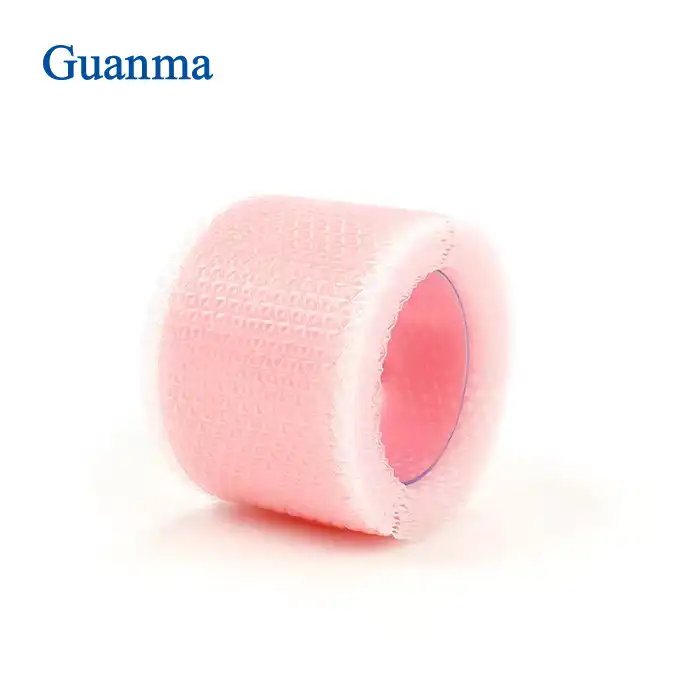
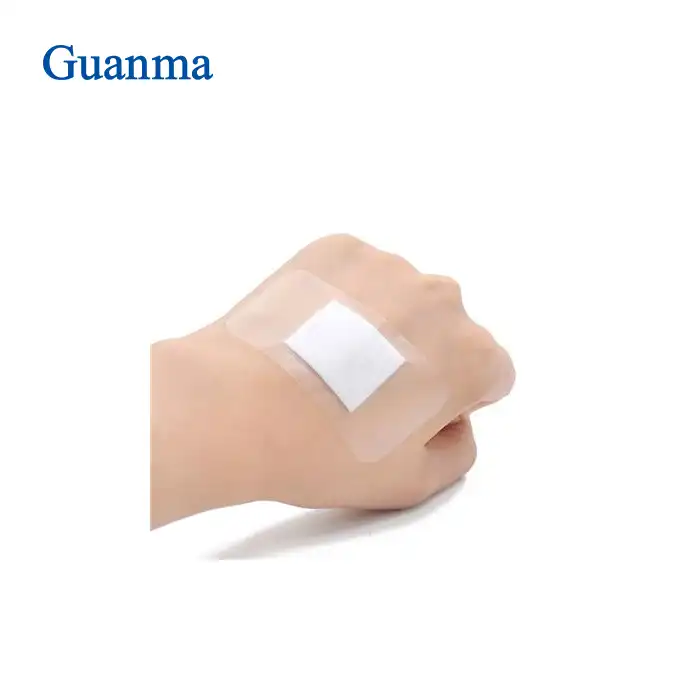
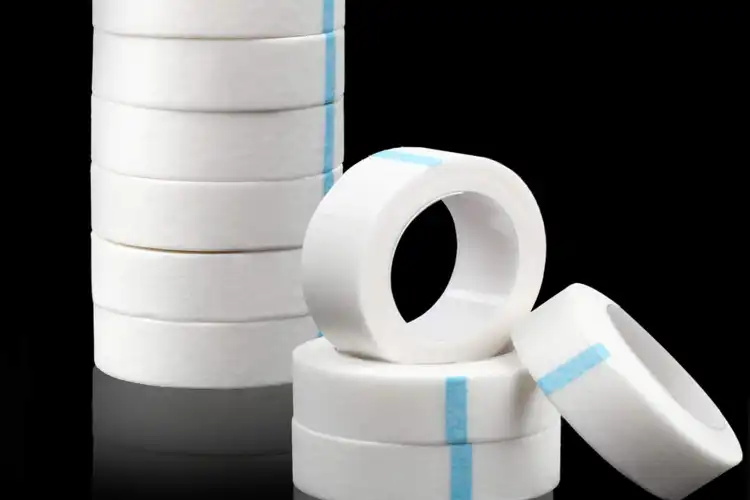
Choosing hypoallergenic medical cloth tape doesn't have to be hard. The best tape needs to have a soft binding and work reliably. The right standards should be on it, like CE or ISO 13485, and it shouldn't have rubber or strong chemicals that scratch. When you are looking at your options, you should think about the type of glue, how well it breathes, the results of biocompatibility tests, and the needs of your application. For example, you might need to keep surgical bandages in place, keep IV lines stable, or help with wound care routines. If people who work in buying know these basic things, they can choose tapes that are safe for people with sensitive skin and that meet legal and clinical standards.
Introduction
Simple tools like medical cloth tape are used in offices and hospitals all over the world. They help take care of wounds, do surgery, and keep things in place. If you buy things for hospitals, pharmacists, dealers, or companies that make medical devices, picking sensitive versions can make a big difference. Kids, the old, and people whose immune systems aren't working well are more likely to have allergic reactions or skin irritations. These special tapes help protect them.
Being able to find safe things isn't the only problem. Plus, you have to choose choices that are cheap and work the same way in all kinds of clinical situations. Some of the things that procurement managers and engineers have to keep in mind are following the rules, making sure that products are safe, being able to adjust, and making sure that the supply chain works well. This guide's information is especially made to help people who are in charge of getting medical cloth tape understand the technical needs, certification needs, and ways to judge sellers. For those who know these things, you can make buying plans that keep end users safe, make your business run more smoothly, and stay within your budget.
Understanding Hypoallergenic Medical Cloth Tape
What Makes Medical Cloth Tape Hypoallergenic
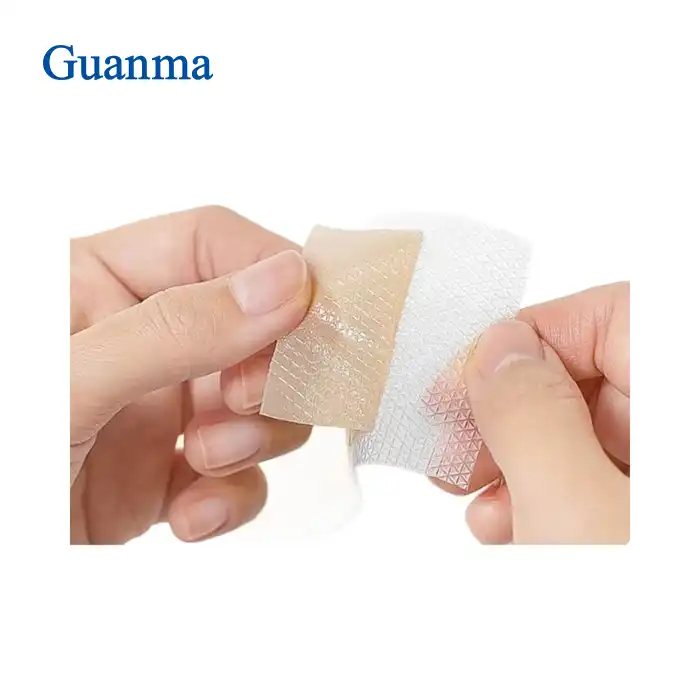
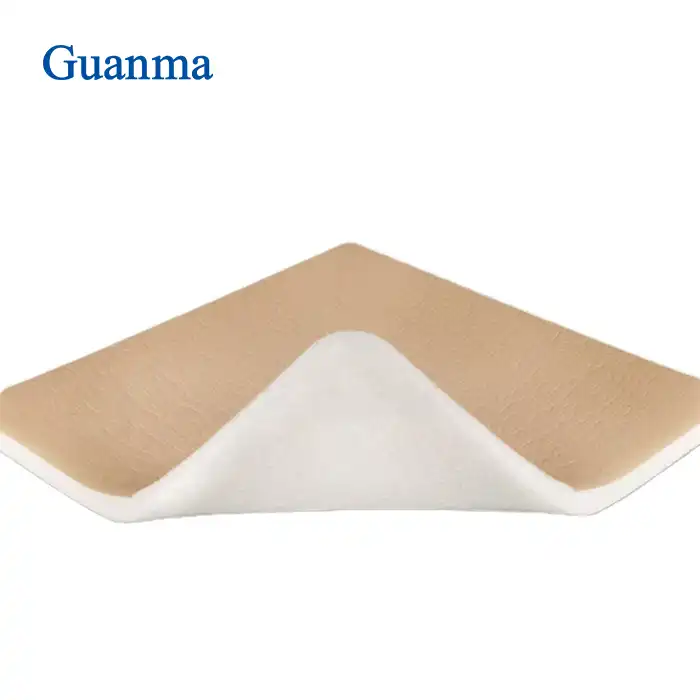
Hypoallergenic medical cloth tape is different because it has special glues that keep allergens out. These tapes are not like other glues because they do not contain any harmful chemicals, rosin-based substances, or rubber proteins that can cause contact dermatitis. Most of the time, the backing is made of a mix of cotton and rayon that lets air flow through and keeps the structure strong. With this design, the skin can touch for a long time without leaving gaps that germs can't grow through or get stuck in.
Core Benefits for Clinical and Industrial Applications
Flexible medical cloth tape can be used for a lot of different things besides just covering cuts. These things keep patches in place after surgery and protect surfaces from damage when they are taken off in medical settings. Conformable tape is liked by healthcare workers because it can mold to the body's shape without putting pressure on any parts or stopping blood flow. The same properties that make it gentle on the skin also help keep sensors or parts in place for long periods of time in the workplace, especially when medical devices and portable health technology are being made.
How Hypoallergenic Tape Compares to Alternative Materials
It's important to know the big differences between your options when you're making your pick. Medical cloth tape made of paper tears easily and doesn't last long enough for wet areas. Things that are taped with plastic are waterproof, but they don't breathe as well, which could be bad for your skin if you use them for a long time. Silk tape is soft, but it's very expensive and doesn't hold up as well as cheaper medical cloth tape. Hypoallergenic medical cloth tape is a good middle ground because it sticks well, lets enough air pass through, isn't too expensive, and can be used for a lot of different things. This is why many sourcing professionals choose it first.
Key Criteria to Consider When Choosing Hypoallergenic Medical Cloth Tape
Defining Your Application Requirements and User Profile
Before you pick out the medical cloth tape, you should seriously think about what it will be used for. The glue that is used for surgery dressings needs to be different from the glue that is used for wound filling or IV support. Think about how long you usually have to wear it. Treatments can last anywhere from one day to weeks and need to be gently moved around. The items that are chosen depend a lot on how sensitive the users' skin is. For example, babies and older people usually need softer glue than most adults. Also, cancer patients who are going through treatment may have very sensitive skin and need very mild formulas.
Essential Performance Specifications and Compliance Standards
More weight should be given to objective performance metrics than to basic tasks when decisions are being made about buying. The glue strength, which is given in grams per inch or Newtons per centimeter, tells you how much force is needed to pull the material off. This should be enough for your needs. The rate at which moisture vapor moves through a fabric affects your skin's health when you wear it for a long time. There are big differences in how well different things fight water. Some tapes stay stuck even after being wet for a short time, while others make waterproof shields that last a long time and are good for swimming.
Documentation that shows rules were followed is the basis of careful buying. If a product has the CE mark, it means that it follows European rules for medical devices. If a product has the ISO 13485 mark, it means that it has quality control systems in place. Following ISO 10993 standards for biocompatibility testing ensures that materials won't harm cells, make people more sensitive, or irritate their skin. Don't take someone's word for approval without seeing proof; instead, ask for full test findings. When checks happen or when healthcare managers or governmental bodies ask about safety, these records are very helpful.
Evaluating Cost Structure and Supplier Capabilities
Financial considerations extend beyond unit price. Take a look at the total cost of ownership. This should include shipping costs, the lowest amount you can order, and any savings you may be able to get for buying in bulk. You can keep better track of your cash flow if the seller lets you choose open payment terms or exchange plans. You should not only think about the cost-per-roll when making a budget, but also the cost-per-application. This is because tapes that work better and fail less often tend to cut down on trash.
You should pay attention to both the product standards and the seller reviews. The image of a brand is what protects your supply chain. Stable quality delivery and helpful customer service build that image. Before you work with a possible partner, make sure they have enough goods on hand to meet your changing needs without having to wait for longer lead times. Professional makers are different from transactional sellers because they offer support services like technical help and ways to settle issues after the sale. People who own brands or want to sell one-of-a-kind items can benefit from working with businesses that let them change things like size, packaging, or private labels.
How to Match Hypoallergenic Medical Cloth Tape to Specific User Needs
Segmenting Applications Across Healthcare Settings
It is important to remember that each hospital setting has different needs when picking out a medical cloth tape. The surgery areas of hospitals need tapes that are clean and stick even when operating drapes are used. The tapes also need to be moved around a lot. For outpatient clinics to keep seeing patients, they need products that are easy to put on and take off. For home healthcare, they need products that are easy for people who aren't medical professionals to put on correctly. Having a lot of different goods that can be used by different groups of people without making the inventory too hard for distributors who work with many different types of customers is helpful.
Tailoring Features Based on Sensitivity Levels
A grade for skin sensitivity helps match tapes to groups of people who will be using them. Standard sensitive solutions with average stickiness can be used for most tasks. Sealants made of rubber or plastic that take less force to peel off and let more air through are best for people with sensitive skin. When you're looking for babies or people whose skin isn't working right, you need special items that don't stick to anything and let a lot of air flow through them. When purchasing, teams understand this segmentation, and they can put together customized product lines that make healthcare better without spending too much on high-end formulas when regular ones will do.
Leveraging Customization and Sampling Options
On the cutting edge, medical cloth tape manufacturers know that regular things don't always meet all of a buyer's wants. Buyers can pick roll widths that work with their existing dispensers, change roll lengths for specific jobs, or make their own packaging that makes keeping track of their inventory easy. Brands stand out more with custom printing options like private marking and color-coded recognition systems. These options also help cut down on selection errors in busy hospital settings. Ask for examples of the goods to try before you make a big order. Clinical staff can test conformability, binding performance, and remove features in real-life work settings. This makes it a lot less likely that you'll make mistakes when you're shopping that cost you a lot of money.
Comparing Popular Hypoallergenic Medical Cloth Tapes on the Market
Understanding Leading Brand Positioning
There are several well-known kinds of medical cloth tape, and each one is useful in its own way. Large, global companies sell a lot of different goods and have extensive data and global transportation networks to back them up. These companies usually charge higher prices because they are willing to put money into new ideas and have strict quality control systems. Most of the time, mid-tier names perform just as well as bigger names but cost less. This makes them appealing to buyers on a budget who still need reliable compliance papers. Local companies may have better prices and service, but buying teams need to do a lot of research to be sure that the licenses are real and that the supply is steady.
Evaluating Performance Against Price Points
You have to compare things, not just names, in order to do a cost-performance study. Both how much adhesives cost and how well they work in the clinic depend on the technology that is used to make them. For instance, acrylic glues generally cost less than silicone ones, but people with very sensitive skin might not be able to use them. How long it lasts and how well it fits depend on the quality of the backing material. Synthetic fabrics don't work as well as high-end cotton-rayon mixes. Don't just believe what the company that makes the product says; look at clinical case studies and results from other tests to see how it works in the real world. Those features alone can't show how easy the product is to use, how long the glue lasts, and how easy it is to take off. Reviews from healthcare workers who have used it can.
Building Relationships With Certified Manufacturers
To be successful with procurement in the long run, you should work with makers who care about both goods and services. Businesses that actively fund research and development to create new recipes or unique ways to package their goods to adapt to the changing needs of the healthcare industry are the ones you should look for. People are more likely to trust that production will be consistent when they can see the whole building and read about the process. As your needs change, companies with helpful technical support teams can help you figure out how to use apps better and suggest the best products for you. The amount of on-time deliveries and correct orders will show you how well your distribution system works and how well you can run your business and handle your products.
Best Practices for Applying Hypoallergenic Medical Cloth Tape
Addressing Common Application Challenges
Even the best hypoallergenic medical cloth tape doesn't work as well as it should when it's used incorrectly. Not properly preparing the skin is more likely to cause adhesive failure than not having enough of the product itself. To get the glue to stick, make sure the skin is clean, dry, and free of any creams, oils, or sweat. Antiseptic products should be left to dry completely, as any moisture left over makes it harder to bond. How well a glue works changes based on the temperature. For instance, cold skin makes the tape less sticky at first, so if you can, let it warm up to room temperature before putting it on.
Step-by-Step Application Protocol
If you use the tape the right way, it will work better and hurt the patient less. Don't strangely handle the patient; cut the tape to the right length before meeting them. Stress makes shear forces that can hurt skin that is already weak or cause the tape to come off early. Don't stretch when you put on tape. Smooth the tape out with light finger pressure so that it sticks to the whole surface. Get rid of any air bubbles by working your way out from the middle. When you put bandages on, don't wrap them too tightly, or you could make a tourniquet that stops blood flow.
It's just as important how the removal is done. To get rid of the tape slowly, line it with the skin's surface and don't pull it up. The risk of pain and damage goes up when you pull up. Less damage is done when the skin next to the tape edge is supported while it is being taken off. For older people with weak skin, this is very important. Do not try to push the link off. Instead, use a little glue cleaner or warm water to slowly break it apart.
Learning From Real-World Implementation
Clinical case studies in the hospital setting show what can happen if you pick the right tool and use it properly. One network of hospitals in the area saw a 23% drop in pressure injuries after hypoallergenic medical cloth tape measures were put in place to protect tracking equipment, and staff were taught how to use the tape with little strain. A home healthcare service switched to hypoallergenic tape that lets air pass through it. This meant that they only had to change a patient's dressing every three days instead of every day. It made the patient feel better and saved money at the same time. This shows that good things and the right way to use them must work together for the best results.
Conclusion
A lot of things need to be thought about when picking hypoallergenic medical cloth tape, such as the type of glue, how well it breathes, safety standards, and the price range. Before you can make a good buy, you need to be clear on what your application needs and who you want to use it. Then you have to match these needs with goods that can do what they're supposed to do. The providers that can show high-quality work by having ISO 13485 approval, thorough biocompatibility testing, and quick expert help should be given more weight. It's safer to try out samples of something before getting a lot of it, and working with qualified makers will give you a reliable supply chain and tools for customization that will help you reach your strategy goals.
FAQ
What skin types can safely use hypoallergenic medical cloth tape?
Hypoallergenic medical cloth tape suits the vast majority of patients, including those with sensitive skin, allergies to common adhesives, or skin conditions like eczema that make pain more likely. The chance of reactions is smaller when products don't have rubber or harsh chemicals. People who know they are allergic to certain chemicals should look at the lists of ingredients. People who are very sensitive or whose skin defenses are weak should still get patch tests.
How does breathability compare between cloth and plastic tape?
Plastic tapes don't work as well as cloth-backed tapes when it comes to moving heat and moisture. That it breathes lowers the risk of maceration over time by letting sweat escape instead of building up under the glue. This type of shield, made of plastic tape, keeps water out, but it also makes it easier for germs to grow and is less comfortable to wear for more than one day. Clothes are better for normal wound care and gadget safety.
Can I purchase hypoallergenic cloth tape in bulk with customization?
Most professional makers have programs that let you save money by buying in bulk. These programs also let you add your own name, get custom sizes, and change the package in any way that works for you. The minimum order amount is different for each service and level of tailoring. There are a lot of companies that let you try their products for free before you buy a lot of them. When buying teams talk about bulk contracts, they should talk about wait times, payment terms, and shipping plans to make sure that these match up with how they handle their stock.
Partner With Guanma for Your Hypoallergenic Medical Cloth Tape Needs
Guanma Medical is ready to help you get what you want to buy. They've been making bandages and medical cloth tape that sticks to wounds for more than 30 years. We are a licensed producer of medical cloth tape with CE, ISO 13485, and ISO 9001 licenses. All of our products come with full biocompatibility testing paperwork to make sure they are safe and follow all the rules. When you use our full OEM and ODM services, you can change the private label writing, the size, the design, and the adhesive on the package. This way, you can find sensitive cloth tape that works well for your business and meets the needs of your customers.
If you want to work with us as a partner, we can quickly change glue formulations to meet your specific clinical needs because we are very good at research and development (R&D). We also have strict quality control rules that make sure all of our production batches work the same way. If you need help, our professional service team is available 24 hours a day, seven days a week. You can get reliable, high-quality hypoallergenic tape from Guanma Medical if you work for a global brand owner, a regional dealer, a grocery chain, or a hospital network. They can help you meet your goals for patient safety and operational excellence. Contact betty@guanmamedical.com right away to talk about your needs, get samples of our goods, and learn how our custom production services can help you meet the performance and safety standards that your stakeholders expect.
References
1. Johnson, M.R., & Williams, P.T. (2021). "Hypoallergenic Adhesives in Medical Applications: A Comprehensive Review of Materials and Clinical Outcomes." Journal of Medical Device Technology, 15(3), 112-128.
2. Chen, L., Rodriguez, A., & Kim, S.H. (2020). "Comparative Analysis of Medical Tape Adhesive Systems: Performance, Biocompatibility, and Cost-Effectiveness in Healthcare Settings." International Journal of Healthcare Materials, 8(2), 45-67.
3. Thompson, E.A. (2022). "Regulatory Compliance and Quality Standards for Medical Adhesive Products: A Guide for Procurement Professionals." Medical Supply Chain Management Quarterly, 19(4), 201-218.
4. Anderson, K.J., & Martinez, D.L. (2019). "Skin Safety and Adhesive Selection: Evidence-Based Protocols for Minimizing Adverse Reactions in Clinical Practice." Wound Care and Prevention Journal, 12(1), 33-51.
5. Park, J.Y., & O'Connor, R.M. (2023). "Advances in Breathable Medical Tape Technology: Impact on Patient Comfort and Clinical Outcomes." Healthcare Innovation Review, 7(2), 89-104.
6. Davis, S.R., Zhang, W., & Patel, N.K. (2021). "Strategic Procurement of Medical Adhesive Products: Balancing Quality, Compliance, and Cost in Global Supply Chains." Journal of Healthcare Purchasing and Supply Management, 14(3), 156-173.