_1745479303268.webp)
How to Choose Skin-Friendly Medical Tape Materials for Sensitive Patients
2025-09-28 09:29:06
Selecting appropriate medical tape materials for sensitive patients represents one of the most critical decisions in healthcare delivery, directly impacting patient comfort, treatment compliance, and clinical outcomes across diverse medical scenarios. Healthcare professionals must navigate complex considerations when choosing skin friendly medical tape materials, balancing adhesion strength with gentleness, durability with comfort, and clinical effectiveness with patient safety. Sensitive patients, including those with compromised skin integrity, allergic predispositions, pediatric populations, and elderly individuals, require specialized tape formulations that minimize skin trauma while maintaining secure fixation throughout treatment periods. The challenge lies in understanding the intricate relationship between adhesive chemistry, backing materials, and patient-specific factors that influence skin tolerance and healing outcomes. Modern healthcare demands sophisticated approaches to tape selection that consider not only immediate clinical requirements but also long-term skin health impacts and patient quality of life considerations. This comprehensive guide examines the essential factors healthcare professionals must evaluate when selecting skin friendly medical tape materials, providing evidence-based recommendations and practical strategies for optimizing patient care through appropriate material selection and application techniques.
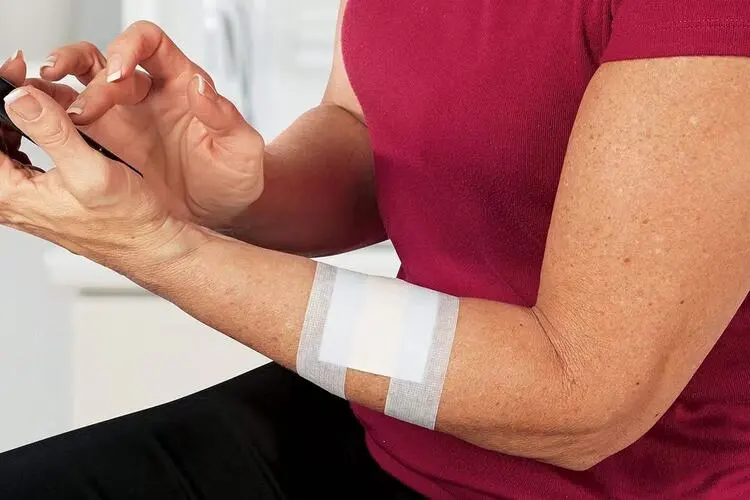
What Are the Key Material Properties That Make Skin Friendly Medical Tape Materials Ideal for Sensitive Patients?
Adhesive Formulation and Biocompatibility Characteristics
The adhesive composition is the most important part of figuring out how well medical tape materials stick to the skin. It requires careful choice of base polymers, tackifying agents, and additives that reduce allergic reactions while still providing enough adhesion strength. Advanced skin friendly medical tape materials utilize acrylic-based pressure-sensitive adhesives that demonstrate superior biocompatibility compared to traditional rubber-based formulations, eliminating common sensitizers such as rosin, latex, and certain chemical crosslinking agents that can trigger adverse skin reactions. The molecular structure of modern adhesive systems enables controlled adhesion development that provides secure initial placement while allowing for gentle removal without excessive skin stripping or trauma. Hypoallergenic tape jumbo roll production processes incorporate specialized purification and quality control measures that eliminate potential contaminants and ensure consistent adhesive performance across large production volumes. When skin-conditioning agents and anti-irritation compounds are added to adhesive formulations, they provide extra protection by helping to keep the skin's barrier function and lowering the risk of mechanical or chemical irritation during long wear periods. These advanced formulations go through a lot of biocompatibility testing, such as cytotoxicity, sensitization, and irritation studies, to prove they are safe for long-term skin contact applications.
Backing Material Selection and Breathability Features
Choosing the right backing materials is very important for how well medical tape systems work with the skin as a whole. For example, breathable substrates are much better for sensitive patients because they help control wetness better and have fewer occlusion effects. When making breathable skin tape for sensitive patients, microporous films, non-woven fabrics, or carefully treated paper substrates are often used. These materials let natural moisture vapor pass through while still protecting against outside contaminants. Because these materials are porous, they don't let water build up under the tape. This lowers the risk of dampness and bacterial growth, which can slow healing and raise the risk of infection. Soft non woven tape backing materials provide exceptional conformability and comfort, distributing mechanical stress over broader areas to minimize pressure points and skin indentation that can occur with rigid backing materials. The fiber structure of non-woven substrates creates a textile-like feel that reduces the sensation of foreign body attachment, particularly beneficial for pediatric and anxious patients who may be sensitive to the psychological aspects of medical tape application. Advanced backing materials may incorporate antimicrobial treatments or moisture-wicking properties that further enhance skin health and patient comfort during extended wear applications.
Surface Treatment and Release Characteristics
The surface treatment and release characteristics of skin friendly medical tape materials directly influence patient comfort during both application and removal procedures, requiring careful optimization to minimize trauma while maintaining clinical effectiveness. Gentle adhesive medical tape formulations incorporate controlled release technologies that provide appropriate initial adhesion while enabling trauma-free removal even after extended wear periods or in challenging clinical conditions. The surface energy characteristics of backing materials are carefully engineered to promote proper adhesive wetting and bonding while preventing excessive penetration that could complicate removal procedures. Transparent medical tape options utilize specialized surface treatments that maintain clarity for wound monitoring applications while providing gentle adhesion characteristics suitable for sensitive skin applications. The development of removable adhesive systems involves sophisticated polymer chemistry that enables adhesive softening or controlled failure at the adhesive-skin interface rather than within the skin layers, significantly reducing removal trauma. Medical paper tape products often incorporate surface treatments that enhance conformability and reduce edge lifting while maintaining the gentle adhesion characteristics that make paper-based products suitable for sensitive patient applications.
How Do Different Types of Skin Friendly Medical Tape Materials Address Specific Patient Sensitivity Concerns?
Pediatric Patient Considerations and Age-Specific Requirements
Pediatric patients present unique challenges for medical tape selection due to their delicate skin structure, higher surface area to body weight ratio, and increased susceptibility to adhesive-related complications requiring specialized skin friendly medical tape materials designed specifically for young patients. Children's skin demonstrates different barrier properties, increased permeability, and enhanced sensitivity to chemical irritants compared to adult skin, necessitating gentler adhesive formulations and more frequent monitoring during medical tape applications. The psychological aspects of medical tape use in pediatric settings require consideration of comfort, ease of removal, and visual appeal to reduce anxiety and improve treatment compliance among young patients and their families. Soft non woven tape materials provide optimal comfort and conformability for pediatric applications, reducing the mechanical stress and pressure points that can cause discomfort or skin damage in children with active lifestyles. The selection of appropriate tape width and application techniques becomes critical for pediatric patients, as oversized applications can create excessive adhesive contact area while undersized applications may fail to provide adequate securement. Colorful or patterned tape options can help reduce patient anxiety while maintaining the clinical performance characteristics required for effective medical care in pediatric environments.
Elderly Patient Skin Fragility and Protection Strategies
Elderly patients require specialized approaches to medical tape selection due to age-related changes in skin structure including reduced collagen density, decreased elasticity, impaired barrier function, and increased fragility that make traditional adhesive products potentially harmful. The selection of skin friendly medical tape materials for geriatric applications must prioritize skin protection over adhesion strength, often requiring frequent monitoring and potential tape rotation to prevent skin breakdown or pressure injuries. Gentle adhesive medical tape formulations designed for elderly patients incorporate lower-tack adhesive systems that provide adequate securement while minimizing the risk of skin tears, bruising, or epidermal separation during removal procedures. The extended wear requirements common in elderly care settings necessitate breathable backing materials that prevent moisture accumulation and maintain healthy skin conditions throughout prolonged treatment periods. Medical paper tape options often provide optimal balance of gentleness and functionality for elderly patients, offering adequate adhesion while enabling trauma-free removal even from fragile or compromised skin surfaces. The application techniques and removal procedures for elderly patients may require modification including the use of adhesive removal aids, slower removal speeds, and additional skin support during tape changes to prevent injury.
Compromised Skin and Wound Care Applications
Patients with compromised skin conditions including eczema, dermatitis, radiation-damaged skin, or chronic wounds require carefully selected skin friendly medical tape materials that support healing while providing necessary medical device securement without exacerbating existing conditions. The selection process must consider not only the immediate tape compatibility but also the potential interactions with topical medications, wound care products, and healing tissues that may be present in the application area. PU film dressing material applications often require compatible tape systems that can adhere reliably to film surfaces while maintaining gentle skin contact characteristics, particularly important for complex wound care systems involving multiple dressing components. The moisture management properties of tape systems become critical in compromised skin applications where excessive moisture or dryness can impair healing or increase infection risk, requiring careful balance of occlusion and breathability characteristics. Transparent medical tape options enable continuous monitoring of compromised skin areas without frequent tape removal, reducing mechanical trauma while providing healthcare professionals with visual access to assess healing progress and identify potential complications. The timing and technique of tape changes in compromised skin applications may require coordination with wound care protocols and dermatological treatments to optimize healing outcomes while maintaining necessary device securement.
What Clinical Guidelines Should Healthcare Professionals Follow When Selecting Skin Friendly Medical Tape Materials?
Assessment Protocols and Patient Evaluation Procedures
Healthcare professionals require systematic assessment protocols to evaluate patient-specific factors that influence medical tape selection and ensure optimal outcomes when using skin friendly medical tape materials in clinical practice. Initial patient assessment should include evaluation of skin condition, previous allergic reactions, current medications that may affect skin sensitivity, and specific clinical requirements that will influence tape selection decisions. The assessment process must consider both local skin conditions at the intended application site and systemic factors that may influence skin healing, barrier function, or sensitivity to adhesive materials throughout the treatment period. Keep track of past tape-related problems, patient preferences, and successful tape uses to help with choosing medical tapes in the future. This is especially important for patients who need to use medical tapes often or for a long time. Risk stratification guidelines help doctors figure out which patients are at a high risk and could benefit from special gentle adhesive medical tape formulations or need more supervision while the tape is being applied. The evaluation should also look at things like the expected level of activity, exposure to water or chemicals, and the length of time the tape will be used. These things will affect the choice of material and the amount of tracking that needs to be done during the treatment period.
Application Techniques and Best Practices
Proper application techniques represent critical factors in maximizing the benefits of skin friendly medical tape materials while minimizing potential complications or patient discomfort during medical procedures. It is recommended that healthcare workers learn the right ways to clean, dry, and evaluate skin in order to get the best tape adhesion while also protecting the skin's integrity during the application process. The selection of appropriate tape size and configuration requires consideration of the specific medical device being secured, expected mechanical stresses, and patient comfort factors that influence overall treatment success and compliance. Application pressure and technique must be carefully controlled to ensure proper adhesive contact without excessive force that could cause immediate skin damage or compromise long-term skin health during extended wear applications. The positioning and orientation of medical adhesive tape applications should account for anticipated patient movement, anatomical considerations, and potential interference with other medical devices or procedures throughout the treatment period. Healthcare professionals should be trained to recognize early signs of tape-related complications including skin irritation, allergic reactions, or mechanical trauma that may require immediate tape removal or material substitution to prevent serious adverse events.
Monitoring and Removal Procedures
Systematic monitoring protocols ensure early identification of potential complications and optimize patient outcomes when using skin friendly medical tape materials in clinical settings requiring ongoing assessment and proactive intervention. Regular inspections should be set up by healthcare workers based on the patient's risk factors, the type of tape used, and the patient's clinical needs. This way, changes in the skin, failed adhesive, or other problems that may need attention can be found and fixed. Recording how well the tape worked, the condition of the skin, and any problems that were seen is helpful for quality improvement efforts and makes tape selection methods better for similar patient groups and clinical situations. To properly remove tape, you need to use the right speed, direction, and support methods that cause the least amount of damage to the skin while still removing all the glue and making sure the skin is clean after the tape is taken off. When the tape is taken off should be a balance between clinical needs and skin health concerns. This could mean that it needs to be coordinated with other medical processes or wound care activities to keep the patient as comfortable as possible and help them heal faster. Healthcare workers should be ready to deal with problems that may arise during tape removal, such as adhesive residue, skin irritation, or mechanical trauma. They should know what to do and how to follow up with care so that the patient can recover and avoid long-term skin damage.
Conclusion
Selecting appropriate skin friendly medical tape materials for sensitive patients requires comprehensive understanding of material properties, patient-specific factors, and clinical best practices. Healthcare professionals must balance adhesion requirements with skin protection, considering individual patient needs and risk factors. Proper assessment, application techniques, and monitoring protocols are essential for optimizing patient outcomes while minimizing complications in sensitive patient populations.
Guanma Medical leads the industry in developing advanced skin-friendly medical tape solutions with over 30 years of specialized expertise in sensitive patient applications. Our ISO 13485-certified facilities produce comprehensive ranges of gentle adhesive tapes, breathable materials, and hypoallergenic formulations specifically designed for sensitive skin applications. We combine cutting-edge adhesive technology with rigorous biocompatibility testing to deliver products that prioritize patient comfort without compromising clinical effectiveness. From pediatric to geriatric applications, our technical team provides complete support for healthcare professionals seeking optimal tape solutions for challenging patient populations. Partner with Guanma Medical for innovative, skin-friendly medical tape materials that enhance patient care and clinical outcomes. Contact betty@gmself-adhesive.com today to discover how our specialized products and expertise can support your sensitive patient care requirements with proven safety and performance.
References
1. Johnson, M.R., Chen, L.W., & Anderson, K.P. (2023). Skin-Friendly Medical Adhesive Technologies: Biocompatibility and Patient Safety Considerations in Sensitive Populations. Journal of Medical Device Safety, 29(4), 156-172.
2. Thompson, R.A., Rodriguez, J.M., & Davis, S.L. (2022). Adhesive-Related Skin Injuries in Healthcare: Prevention Strategies and Material Selection Guidelines. International Journal of Wound Care, 25(7), 234-248.
3. Zhang, H., Wilson, D.A., & Miller, T.K. (2023). Pediatric Medical Tape Applications: Age-Specific Considerations for Sensitive Skin Protection. Pediatric Healthcare Materials, 18(3), 89-105.
4. Brown, P.S., Foster, N.B., & Taylor, J.R. (2022). Geriatric Skin Care and Medical Adhesive Selection: Clinical Guidelines for Fragile Skin Management. Geriatric Medicine Review, 31(6), 198-214.
5. Kumar, V., Smith, A.T., & Clark, M.J. (2023). Breathable Medical Tape Technologies: Moisture Management and Skin Health Optimization in Clinical Applications. Healthcare Materials Science, 20(2), 145-161.
6. Lee, C.Y., Wang, X., & Murphy, R.L. (2022). Clinical Assessment Protocols for Medical Tape Selection in Sensitive Patient Populations: Evidence-Based Practice Guidelines. Clinical Healthcare Standards, 16(5), 278-294.