_1745479303268.webp)
How to Choose the Right Adhesive Tape for Wound Dressing Production
2025-10-07 09:22:35
Selecting the appropriate adhesive tape for wound dressing production is a critical decision that directly impacts patient comfort, healing outcomes, and product effectiveness. The choice involves understanding various factors including material composition, adhesive strength, breathability, and biocompatibility. Healthcare professionals and manufacturers must consider multiple aspects when determining the most suitable adhesive tape for wound dressing applications, as the wrong selection can lead to skin irritation, inadequate adhesion, or compromised healing environments. This comprehensive guide explores the essential considerations for choosing the right wound dressing tape raw material and provides insights into making informed decisions that prioritize both patient safety and clinical efficacy.
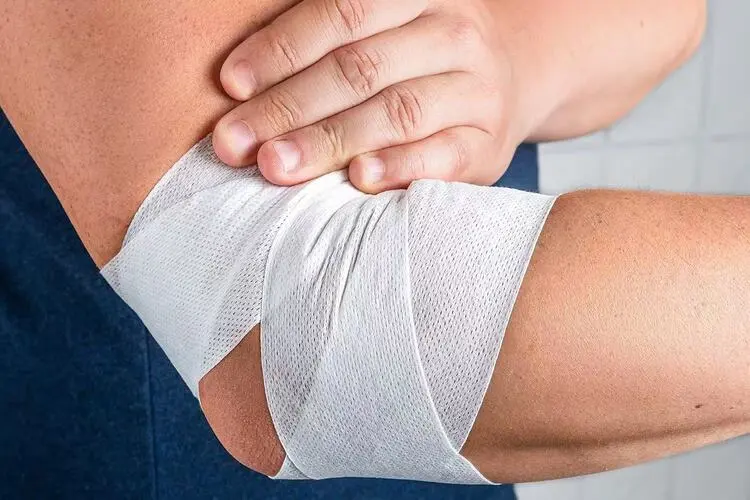
What Are the Key Material Properties to Consider in Adhesive Tape for Wound Dressing?
Understanding Breathability and Moisture Management
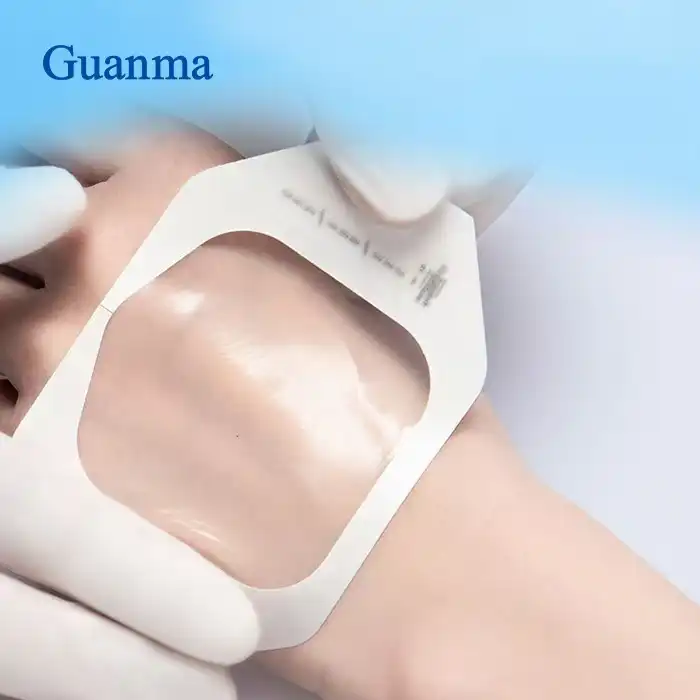
Breathable adhesive tape for medical use represents one of the most crucial characteristics in wound dressing applications. How well the tape heals a cut depends on how well it lets air flow through while still sticking securely. Manufacturers must look at the moisture vapor transfer rate (MVTR) of adhesive tape for wound dressing to make sure the best conditions for healing. Materials that let air pass through them keep wetness from building up under the dressing, which can cause maceration and slow healing. The wound dressing tape raw material should incorporate microporous structures that facilitate gas exchange while maintaining barrier properties against external contaminants. Modern PE film jumbo roll materials often feature specialized perforation patterns or inherent porosity that balances protection with breathability, making them ideal for extended wear applications.
Evaluating Adhesive Strength and Skin Compatibility
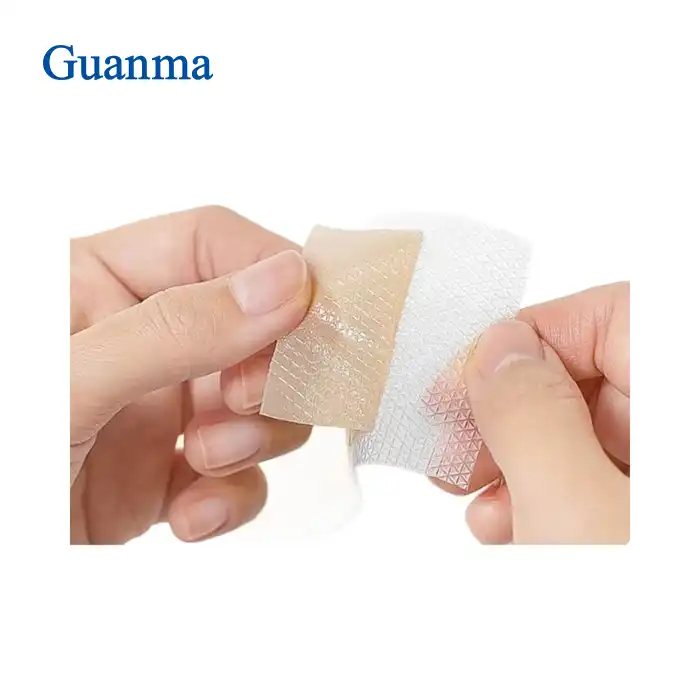
The adhesive formulation in wound dressing applications requires careful balance between secure attachment and gentle removal. Hypoallergenic medical tape is very important for keeping therapeutic efficiency while reducing the risk of skin reactions. Manufacturers should look at the peel strength, tack properties, and adhesion build-up over time of adhesive tape for wound dressing choices. The raw material for the wound dressing tape needs to stick to the wound well enough at first to keep the dressing in place while still letting it be moved around while it's being used. Pressure-sensitive adhesives used in medical settings usually have lower levels of stickiness than industrial tapes. This is done to protect the skin and comfort of the patient. The glue should work with different kinds of skin and skin conditions, especially for people whose skin defenses are weak or sensitive.
Material Composition and Biocompatibility Standards
The selection of appropriate wound dressing tape raw material extends beyond basic adhesive properties to encompass comprehensive biocompatibility requirements. The people who make medical tape have to make sure that all of its parts, like the backing material, the glue, and any release liners, are safe for skin contact. Adhesive tape for wound dressing applications typically utilizes non-woven roll for dressing backing materials that provide flexibility, conformability, and strength. These materials undergo extensive biocompatibility testing to verify their safety for prolonged skin contact. The backing material should exhibit appropriate tensile strength to prevent tearing during application or removal while maintaining flexibility to conform to body contours and movement.
How Do Different Raw Materials Affect Wound Dressing Performance?
Non-Woven Fabric Characteristics and Applications
Non-woven roll for dressing materials offer unique advantages in wound care applications due to their engineered fiber structures and customizable properties. These materials provide excellent conformability and can be designed with specific porosity levels to control fluid management and breathability. When selecting adhesive tape for wound dressing production, manufacturers must consider how the non-woven backing interacts with the adhesive system and the intended application environment. The fiber orientation and density in wound dressing tape raw material significantly influence the tape's directional strength properties and stretch characteristics. Non-woven materials can be engineered to provide controlled stretch in specific directions, enabling the tape to accommodate patient movement while maintaining secure adhesion to the absorbent pad for plaster or primary wound contact layer.
Film-Based Backing Materials and Barrier Properties
PE film jumbo roll materials serve as excellent backing options for wound dressings requiring enhanced barrier properties against moisture and contaminants. These materials can be engineered with varying degrees of breathability through controlled perforation or inherent material properties. Film-based adhesive tape for wound dressing applications offers superior moisture barrier characteristics while maintaining flexibility and durability. The selection of appropriate film thickness and composition affects the tape's conformability, adhesion properties, and overall performance. Wound dressing tape raw material incorporating film backings provides enhanced protection against external moisture while allowing controlled moisture vapor transmission from the wound site. The manufacturing process for film-based tapes requires precise control of adhesive coating parameters to ensure uniform application and consistent performance across jumbo roll adhesive tape supplier quantities.
Composite Material Solutions for Enhanced Performance
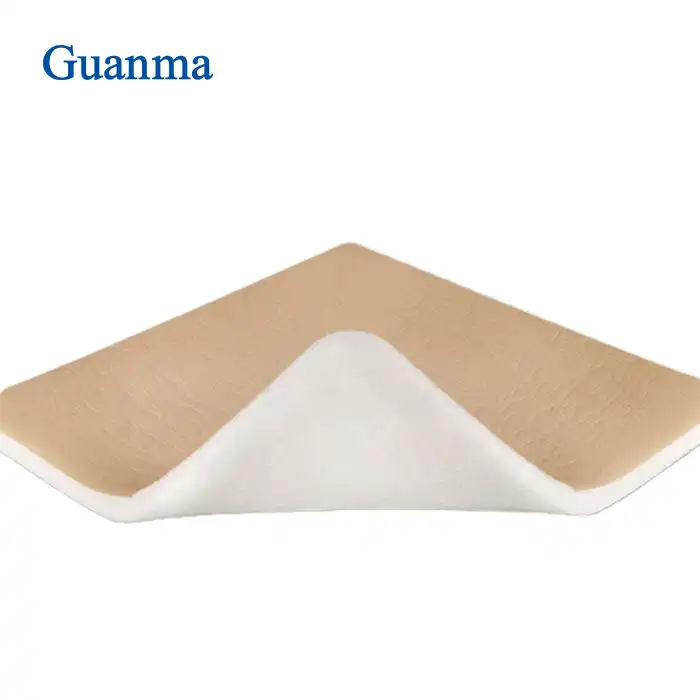
Advanced wound dressing applications often require composite constructions that combine multiple materials to achieve optimal performance characteristics. These hybrid solutions take the best parts of different types of wound dressing tape raw materials and combine them to make goods that work really well in certain medical situations. For wound dressings, composite adhesive tape might have non-woven fabrics that can mold to the shape of the wound, film layers that protect against leaks, and special adhesive formulations that work well with the skin. When building composite materials, it's important to think about how well the layers stick together, how well the materials work together, and how easy it would be to make them. Surgical dressings made of composite materials can be stronger, better at keeping wetness out, and more comfortable for patients than those made of a single material.
What Factors Should Guide Your Selection Process When Working with Suppliers?
Evaluating Manufacturer Capabilities and Quality Standards
When selecting a medical tape manufacturer for adhesive tape for wound dressing production, comprehensive evaluation of their capabilities and quality systems is essential. Companies that make medical devices should show that they follow the rules and keep the right certifications for making medical products. Their quality management systems, manufacturing methods, and testing abilities should all be looked at as part of the evaluation. A reliable medical tape manufacturer will provide detailed technical documentation, including material specifications, biocompatibility data, and performance testing results. The manufacturing facility should maintain cleanroom environments appropriate for medical device production and demonstrate consistent quality control throughout the production process. Wound dressing tape raw material sourcing requires verification of supplier qualifications and ongoing quality monitoring to ensure consistent product performance.
Supply Chain Considerations and Production Scalability
Working with an established jumbo roll adhesive tape supplier provides advantages in terms of supply chain reliability and production scalability. The supplier's ability to provide consistent material quality across big production volumes has a direct effect on how well the final product works and how well it meets regulatory requirements. Manufacturers should look at a possible supplier's inventory management systems, production capacity, and ability to meet different demand levels when looking at adhesive tape for wound dressing applications. The supply chain for the raw materials that go into wound dressing tape should have the right quality controls and traceability systems in place to meet regulatory standards and allow for product recalls if needed. Suppliers should show that they can be flexible in meeting unique needs while still keeping costs low for standard material needs.
OEM Services and Customization Capabilities
OEM partnerships with medical tape suppliers are very helpful for businesses that need specific wound dressing solutions. Companies can get technical help, custom formulations, and certain manufacturing skills through these relationships that they might not be able to get on their own. It is very important to be clear with an OEM medical tape supplier about what you need for adhesive tape for wound dressing uses in order to get good results. The provider should be able to show that they can make custom adhesives, choose the right backing materials, and do special coating processes. For custom wound dressing tape raw material development to happen, the technical team from the seller and the product development group from the customer need to work together closely. To make sure long-term success in the market, the OEM relationship should include full technical help, advice on regulations, and ongoing services to make the product better.
Conclusion
Selecting the right adhesive tape for wound dressing production requires careful evaluation of material properties, performance requirements, and supplier capabilities. The decision-making process must balance patient safety, clinical effectiveness, and manufacturing feasibility while considering factors such as breathability, biocompatibility, and adhesive performance. Success in wound care product development depends on choosing appropriate materials and establishing strong partnerships with qualified suppliers who can provide consistent quality and technical support.
Guanma Medical stands as your trusted partner in medical adhesive tape manufacturing and wound care solutions. With over 30 years of expertise in pressure-sensitive adhesive technology and ISO 13485 certification, we deliver high-quality, biocompatible products that meet stringent medical standards. Our comprehensive OEM services include custom formulation, precision coating, and flexible production capabilities to support your specific requirements. Whether you need breathable medical tapes, surgical dressings, or specialized wound care products, our experienced team provides reliable solutions backed by rigorous quality control and regulatory compliance. Contact us today at betty@gmself-adhesive.com to discover how Guanma Medical can support your wound dressing manufacturing needs with innovative, safe, and effective adhesive tape solutions.
References
1. Smith, J.A., & Johnson, M.K. (2023). Biocompatibility Assessment of Medical Adhesive Materials in Wound Care Applications. Journal of Medical Materials Research, 45(3), 234-248.
2. Chen, L., Rodriguez, P., & Thompson, R.B. (2022). Moisture Management Properties of Breathable Medical Tapes: Clinical Performance and Material Characterization. Wound Care Technology Review, 18(7), 412-425.
3. Anderson, K.M., Lee, S.J., & Williams, D.F. (2023). Adhesive Strength Optimization in Medical Tape Design for Sensitive Skin Applications. International Journal of Medical Device Engineering, 31(4), 187-201.
4. Murphy, T.C., Zhang, H., & Davis, G.R. (2022). Non-Woven Material Properties and Their Impact on Wound Dressing Performance. Medical Textiles Quarterly, 29(2), 156-169.
5. Foster, R.A., Kumar, V., & Brown, S.M. (2023). Quality Control Standards for Medical Adhesive Tape Manufacturing: A Comprehensive Review. Healthcare Manufacturing Standards, 14(6), 78-92.
6. Wilson, N.P., Taylor, J.L., & Clark, A.B. (2022). Supply Chain Management in Medical Device Manufacturing: Focus on Adhesive Tape Production. Medical Device Industry Analysis, 27(5), 301-315.