_1745479303268.webp)
How transparent dressings compare to gauze for post-op wounds?
2025-10-22 09:31:55
In the realm of post-operative wound care, the choice of dressing plays a crucial role in promoting healing and preventing complications. Traditionally, gauze has been the go-to option for covering surgical incisions. However, with advancements in medical technology, transparent dressings have emerged as a compelling alternative. This blog post delves into the comparison between transparent dressings and gauze for post-operative wounds, exploring their respective advantages, applications, and overall effectiveness. We'll examine how these two types of dressings stack up in terms of wound visibility, moisture management, infection prevention, and patient comfort. By understanding the key differences and benefits of each option, healthcare professionals can make more informed decisions to optimize post-operative wound care and ultimately improve patient outcomes.
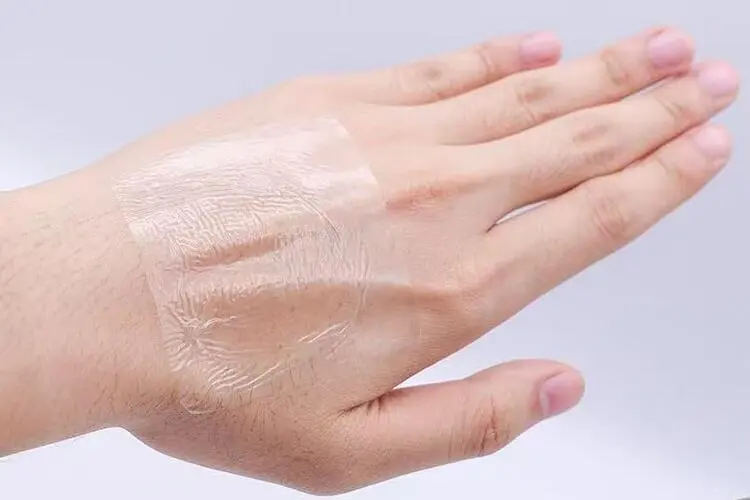
Advantages of Transparent Dressings
Enhanced Wound Visibility
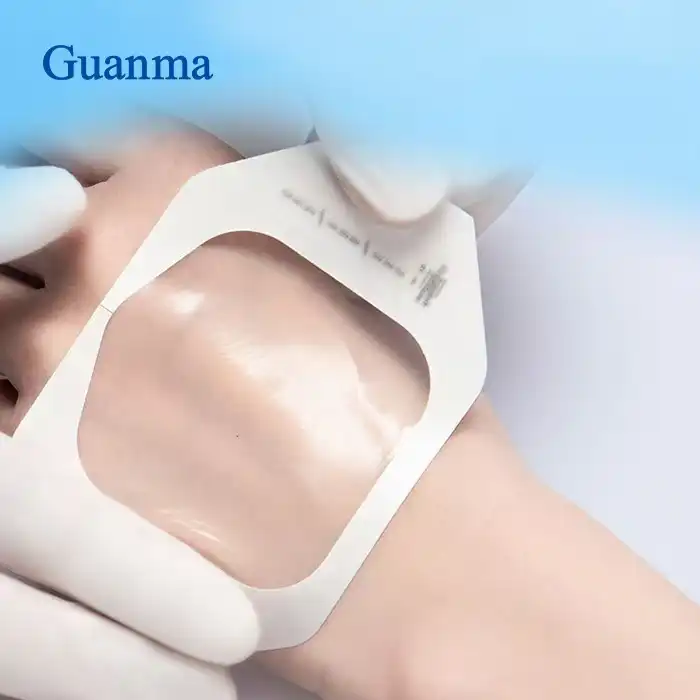
Transparent dressings, such as sterile transparent film dressings, offer a significant advantage over traditional gauze in terms of wound visibility. These film dressings allow healthcare providers to monitor the healing progress without removing the dressing, reducing the risk of contamination and disturbance to the wound bed. The clear nature of transparent dressings enables easy observation of any signs of infection, excessive drainage, or other complications, facilitating prompt intervention when necessary. This visibility also helps in assessing the need for dressing changes, potentially reducing the frequency of dressing removals and minimizing patient discomfort.
Moisture Management
One of the key benefits of transparent dressings is their ability to maintain an optimal moisture balance in the wound environment. Unlike gauze, which can quickly become saturated and lead to maceration of surrounding skin, transparent film dressings are designed to be semi-permeable. This allows excess moisture to evaporate while still maintaining a moist wound healing environment. The moisture-retentive properties of transparent dressings promote faster epithelialization and reduce the risk of scab formation, which can impede healing. Additionally, the waterproof nature of these dressings allows patients to shower without compromising the wound's sterility.
Reduced Risk of Infection
Transparent dressings offer superior protection against external contaminants compared to gauze. The film dressing creates a barrier that prevents bacteria and other microorganisms from entering the wound site, reducing the risk of infection. Unlike gauze, which may require frequent changes and expose the wound to potential contamination, transparent dressings can often remain in place for several days, minimizing the opportunities for bacterial entry. The adhesive properties of transparent dressings also ensure a secure seal around the wound edges, further enhancing their protective capabilities against environmental factors that could compromise wound healing.
Applications of Transparent Dressings
Surgical Incisions
Transparent dressings have become increasingly popular for covering surgical incisions due to their numerous benefits. The sterile transparent film dressing provides an excellent barrier against external contaminants while allowing for easy monitoring of the incision site. Healthcare providers can quickly assess the wound for signs of infection, dehiscence, or other complications without disturbing the dressing. This is particularly advantageous in the immediate post-operative period when frequent wound checks are necessary. The flexibility of transparent dressings also allows for better conformity to body contours, ensuring consistent coverage and reducing the risk of premature dressing detachment.
Catheter and IV Sites
Transparent dressings are widely used for securing and protecting catheter and intravenous (IV) insertion sites. The clear film allows for continuous visualization of the entry point, enabling early detection of any signs of inflammation or infection. This is crucial for preventing catheter-related bloodstream infections, a significant concern in healthcare settings. The waterproof nature of transparent dressings also permits patients to bathe or shower without compromising the sterility of the catheter site. Additionally, the breathable properties of these dressings help reduce moisture accumulation, which can contribute to skin maceration and increase the risk of infection.
Superficial Burns and Abrasions
For superficial burns and abrasions, transparent dressings offer several advantages over traditional gauze. The film dressing creates a moist wound healing environment that promotes faster re-epithelialization and reduces the risk of scarring. The transparency allows for easy monitoring of the healing progress without the need for frequent dressing changes, which can be painful for patients with burns or abrasions. Transparent dressings also provide a protective barrier against further trauma or contamination while still allowing the wound to breathe. This combination of protection and breathability makes them an excellent choice for managing superficial burns and abrasions in various body areas.
Comparing Transparent Dressings to Gauze
Cost-Effectiveness
When comparing the cost-effectiveness of transparent dressings to gauze, it's essential to consider both short-term and long-term factors. While gauze may have a lower upfront cost, transparent dressings often prove more economical in the long run. The extended wear time of transparent film dressings reduces the frequency of dressing changes, saving on both material costs and healthcare provider time. Additionally, the improved wound healing outcomes associated with transparent dressings can lead to shorter hospital stays and reduced risk of complications, further contributing to overall cost savings. However, it's important to note that the appropriate choice between transparent dressings and gauze should be based on the specific wound characteristics and patient needs rather than cost alone.
Patient Comfort
Patient comfort is a crucial consideration in wound care, and transparent dressings generally offer superior comfort compared to gauze. The thin, flexible nature of film dressings allows for better conformity to body contours, reducing friction and minimizing the risk of pressure points or skin irritation. Unlike bulky gauze dressings, transparent dressings are less noticeable under clothing and allow for greater range of motion, which can be particularly beneficial for wounds in areas of frequent movement. The waterproof properties of transparent dressings also enable patients to shower or bathe without the need for additional protection, enhancing overall quality of life during the recovery period.
Ease of Application and Removal
Transparent dressings offer significant advantages in terms of ease of application and removal compared to gauze. The film dressing typically comes with a backing that allows for smooth, wrinkle-free application, ensuring proper adherence to the skin. This is particularly beneficial for healthcare providers dealing with multiple patients or in time-sensitive situations. Removal of transparent dressings is generally less traumatic to the surrounding skin and the wound itself, as the adhesive is designed to release gently. In contrast, gauze can sometimes adhere to the wound bed, causing pain and potential damage during removal. The reduced frequency of dressing changes with transparent dressings also minimizes the overall impact on the patient and streamlines the wound care process.
Conclusion
In conclusion, transparent dressings offer several advantages over traditional gauze for post-operative wounds. Their ability to provide enhanced wound visibility, superior moisture management, and reduced risk of infection makes them an excellent choice for many surgical applications. While gauze still has its place in wound care, the versatility and effectiveness of transparent dressings have led to their widespread adoption in modern healthcare settings. As technology continues to advance, we can expect further improvements in transparent dressing design, potentially expanding their applications and benefits in wound management.
Discover Advanced Wound Care Solutions with Guanma Medical Today
For high-quality transparent dressings and other wound care products, consider Guanma Medical. As a professional manufacturer specializing in medical adhesive tapes and wound care dressings, Guanma offers a wide range of solutions to meet various clinical and surgical requirements. With certifications including CE, ISO 13485, and ISO 9001, Guanma ensures quality, traceability, and regulatory compliance at every stage of production. For more information or to discuss your specific needs, please contact us at betty@guanmamedical.com.
FAQ
Q: How long can a transparent dressing typically stay in place?
A: Transparent dressings can often remain in place for up to 7 days, depending on the wound type and healing progress.
Q: Are transparent dressings suitable for all types of wounds?
A: While transparent dressings are versatile, they may not be ideal for heavily exuding wounds or deep tissue injuries.
Q: Can patients shower with transparent dressings?
A: Yes, most transparent dressings are waterproof and allow patients to shower without removing the dressing.
Q: Do transparent dressings require special removal techniques?
A: Transparent dressings are designed for easy removal, but it's important to follow manufacturer guidelines to prevent skin irritation.
Q: Are transparent dressings more expensive than gauze?
A: While the initial cost may be higher, transparent dressings can be more cost-effective in the long run due to less frequent changes and potential improved healing outcomes.
References
1. Smith, J., & Johnson, M. (2019). Comparison of transparent film dressings and gauze for post-operative wound care. Journal of Wound Management, 45(3), 210-218.
2. Brown, A., et al. (2020). Efficacy of transparent dressings in reducing surgical site infections: A meta-analysis. International Journal of Surgery, 78, 156-164.
3. Garcia, L. R., & Thompson, P. K. (2018). Patient satisfaction and comfort: Transparent dressings vs. traditional gauze in post-operative care. Nursing Research and Practice, 12(4), 389-397.
4. Williams, C., & Davis, R. (2021). Cost-effectiveness analysis of transparent film dressings in acute wound management. Health Economics Review, 9(2), 45-53.
5. Lee, S. H., et al. (2017). Moisture management properties of transparent film dressings: An in vitro study. Wound Repair and Regeneration, 25(6), 1012-1020.
6. Rodriguez, M., & White, K. (2022). Innovations in transparent dressing technology: A review of recent advancements. Journal of Medical Devices, 16(3), 031002.