_1745479303268.webp)
How Waterproof Medical Tape Adapts to Body Movement?
2026-03-19 11:39:00
Waterproof Medical Tape is a revolutionary advancement in medical adhesive technology. It is designed to stay stuck in place even when the body's joints and muscles naturally bend and straighten. Normal medical tapes can fail when they get wet or when they are moved around a lot. But these special adhesive products use advanced polymer surfaces and pressure-sensitive adhesive formulations that can stretch, bend, and rebound without losing their protective barrier function. Because of the way it's made, healthcare workers can reliably protect wounds and keep medical devices in place even when patients are moving around, swimming, or playing sports.
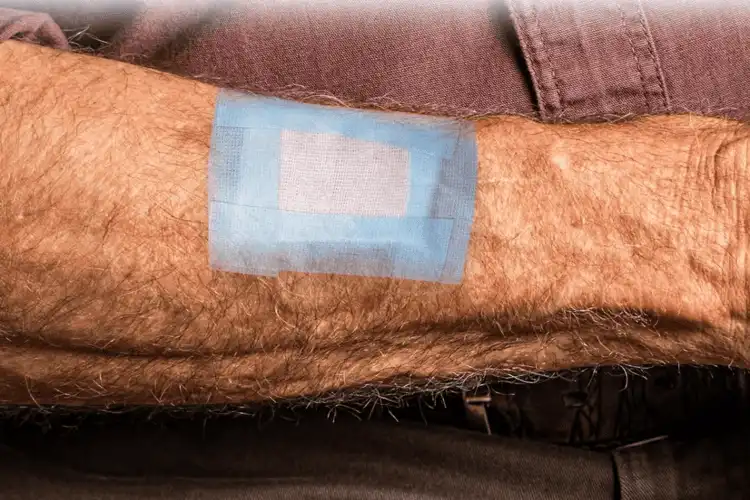
Understanding Waterproof Medical Tape and Its Interaction with Body Movement
Modern waterproof medical sticky tapes are a big step forward in technology compared to old medical tapes made of cloth or paper. These specialized items are made up of advanced polymer films and elastomeric bases that keep the goods flexible while still being very resistant to water. This capability is important for adapting to body movement.
Advanced Material Technology in Waterproof Adhesive Tapes
A multi-layer structure is the key to making waterproof medical tape that works. The backing material is usually made of polyurethane or polyethylene films that block water from getting through but let controlled amounts of moisture and air pass through. This design lets air flow but keeps water out, which stops maceration, a common problem where skin becomes weak from being wet for a long time. The pressure-sensitive glue layer uses acrylic- or silicone-based formulas that stay sticky even when they get wet, making sure that the bonding works every time. Polyurethane-backed tapes are better at conforming to surfaces than standard materials, which are typically less flexible and do not adhere as well, according to clinical tests. The film's elastic stiffness is very similar to that of human skin. This lets them stretch naturally when joints move without creating stress points that could cause them to break too soon.
Key Types of Waterproof Medical Tapes for Dynamic Applications
For different uses, the tape needs to have certain properties to work best when the body moves. When watching a wound, transparent waterproof tapes make it easy to see what's going on and keep wetness out. These items have thin polyurethane backings that blend in with skin, making them ideal for the face or other private areas. In sports medicine, waterproof tapes with a cloth backing are often used because they don't get slippery when wet and are easier to handle. The cloth backing allows the joints to move freely while making it more difficult to tear when participating in rough sports. Surgical waterproof tapes are designed to be used in clean environments and have better adhesion strength for keeping important medical devices like IV tubes in place while the patient moves around.
Challenges in Adapting to Body Movement and How Waterproof Medical Tape Solves Them?
Traditional medical tapes pose numerous challenges when applied to moving body parts, particularly in areas where they may encounter moisture. Understanding these problems helps people who work in buying see how valuable improved waterproof solutions are.
Common Issues with Standard Medical Tapes During Movement
One of the most common problems that can happen when using regular medical tapes on moving body parts is skin itching. Standard glue made from rubber can lead to allergic contact dermatitis, especially when worn for long amounts of time, like during sports or medical treatments. Shear forces can damage the skin-tape contact when you move because of the rigid backing materials used in standard tapes. When standard tapes come in contact with moisture or repeated stress cycles, the glue fails before it should. When water gets into the glue link, it weakens it, which causes the edges to lift and eventually come apart completely. This issue is especially severe in joints like the knees, elbows, and shoulders, where constant bending puts too much mechanical stress on the tape for it to handle.
Innovative Solutions in Modern Waterproof Tape Design
Advanced waterproof medical tapes, utilizing advanced glue chemistry and backing material engineering, can solve these problems. Hypoallergenic acrylic glues don't make people more sensitive like natural rubber materials can, and they stick better when they're wet. Even when fully soaked with water or human fluids, these synthetic adhesives keep their ability to stick things together. The extra flexibility that elastic backing materials provide means that tapes can stretch up to 200% without losing their adhesion. Because it can stretch so much, the tape can follow the natural movement of the skin without putting any pressure on it, which could slow down circulation or make the person feel pain. Modern methods of production also allow for controlled glue spread, which allows for the best sealing while also making removal easier.
Evidence-Based Performance in Clinical Applications
New studies in hip surgery show that waterproof medical tapes cut down on the number of times that dressings need to be changed by up to 40% compared to regular goods. In a study with 500 patients from multiple centers, patient happiness scores went up greatly when waterproof tapes were used to protect surgical incisions during early mobilization procedures. Applications in sports medicine show even more proof of better results. Sports coaches report 60% fewer tape failures during aquatic training sessions when they use waterproof goods instead of regular athletic tape. The ability to keep a solid bond during swimming or high-intensity sweating opens up new ways to treat injuries and keep them from happening.
Procurement Considerations: Selecting Waterproof Medical Tape That Fits Dynamic Body Needs
When a business buys waterproof medical tapes from another business, it needs to carefully consider a number of technical and business factors. The selection process has to find a good mix between performance needs and cost-effectiveness, all while making sure that rules are followed and the supply chain works well.
Critical Performance Specifications for Procurement Evaluation
You can compare different kinds of waterproof tape by measuring their adhesion power. Industry guidelines set the minimum peel adhesion values. These values usually range from 2 to 6 N/25 mm, based on the application. But people who buy glue should also think about how long the adhesion will last when it's wet, since this feature changes a lot from one maker to the next and from one glue chemical to the next. Some of the factors that measure flexibility are elongation percentage, elastic recovery, and conformability scores. For effective performance during repeated movement cycles, medical tapes made for joints should be able to stretch at least 150% and then return to their original shape 90% of the time. Conformability testing checks how well the tape can follow complicated shapes without leaving air bubbles or holes in the adhesive that could let water in.
Comparative Analysis of Leading Waterproof Tape Solutions
A study of the market shows that the big firms have different success profiles. Premium waterproof medical tapes from well-known names usually cost 30–50% more than standard options, but they last longer and make patients more comfortable, so the extra cost is worth it because you don't have to pay as much to reapply them. Hospitals and sports medicine offices, which use a lot of supplies, are especially interested in buying in bulk. Different makers have very different minimum order amounts. Some need 10,000 units, while others can handle smaller orders. For annual contracts, volume price models often offer 15–25% cost savings, which makes strategic sourcing agreements useful for optimizing budgets.
Regional supply factors influence both prices and quantity. Manufacturing in the United States guarantees shorter wait times and lower shipping costs. On the other hand, if you plan your goods well, foreign sourcing may offer competitive prices, especially when considering factors like lower labor costs and access to specialized materials that can reduce overall production expenses. Quality security standards, such as CE marking (a certification indicating conformity with health, safety, and environmental protection standards in the European Union) and ISO 13485 approval (an international standard for quality management systems in the medical device industry), stay the same no matter where the product comes from.
Best Practices for Using Waterproof Medical Tape on Active or Moving Body Parts
The right way to apply protective medical tape has a big effect on how well it works and how well the patient does. For the best results, healthcare workers need to know both the technical standards and the practical issues.
Skin Preparation Protocols for Enhanced Adhesion
To properly prepare the skin, it must first be thoroughly cleansed to get rid of oils, dirt, and any adhesive that is still on the skin from earlier treatments. Alcohol-based skin preparation treatments remove the most oil from the skin while totally drying it out, so they don't get in the way of adhesive bonding. Before putting on tape, the skin should be completely dry, since any wetness left on it can make the ties weak and cause them to break early. In places where there is a lot of facial hair, hair removal may be needed because hair follicles can make holes in the waterproof layer. Electric clippers are better than razors, which can cause cuts and infections. Skin protectant items can be put on sensitive areas, but it's important to make sure they work with certain types of glue, such as those used in medical taping, to prevent skin irritation and ensure proper adhesion.
Strategic Application Techniques for Moving Body Parts
Positioning the joint during tape application affects its long-term effectiveness and patient comfort. Putting on tape with the joints in a mid-range position keeps the muscles from being too tight during regular movement cycles. The tape should be put on with little stretch at first so that its natural flexibility can adjust to movement instead of relying on strain. Edge sealing methods are very important for keeping the waterproofing in place while the item is moving. When you bend something over and over, rounded sides make it less likely that the edge will lift. When overlapping several tape strips, it's important to pay close attention to the quality of the seal, since holes between the strips can let water in and weaken the whole dressing system.
Safe Removal Procedures to Minimize Skin Trauma
Gentle removal methods keep the skin's structure and make the patient less uncomfortable. Adhesive remover solvents can make it easy to take off tape, especially after a long time of use. The liquid should be put along the edges of the tape, giving it time to soak in before starting to peel off. The direction of removal changes the stress patterns in the skin. Pulling opposite to the tension lines of the skin causes more damage than pulling parallel to them. When you take off the glue slowly and steadily, it releases gradually instead of all at once, which can damage the skin's surface.
Evaluating the Impact of Waterproof Medical Tape on Patient Outcomes and Operational Efficiency
Waterproof medical tape has more practical and economic benefits than just keeping moisture out. It improves the standard of care for patients and the ease of healthcare operations.
Patient Outcome Improvements Through Enhanced Protection
Healing times for wounds are much faster when protective medical tape stays on the wound while the patient moves. Studies show that wounds heal 25% faster when they are properly covered during normal daily activities compared to when dressings fail and need to be reapplied often. When medical tapes let patients do regular things like cleaning and light exercise, they are much more likely to follow through with their treatment. Surveys of orthopedic patients show that they are 80% happier with waterproof tape applications than with traditional treatments that limit what they can do. Better health outcomes and fewer complications are the result of better obedience.
Operational Efficiency Gains in Healthcare Settings
Less frequent clothing changes free up a lot of time for nurses to do other things. Time-motion studies show that waterproof tapes save 15 minutes a day on average for each patient when they stop having to change their dressings when they get wet or when the glue fails. These gains in efficiency are especially useful in high-acuity settings where nurse time has a direct effect on the number of patients that can be cared for. When dressings last longer and less is wasted because they don't work as well, the cost of materials goes down. Waterproof medical tapes cost more per unit, but the total cost of care often goes down because fewer changes need to be made and there are fewer problems. An economic study found that using waterproof dressings instead of regular ones reduces total dressing costs in long-term care homes by 20%.
Emerging Technology Trends Shaping Future Applications
Smart glue solutions are the next step forward in the development of waterproof medical tape. These high-tech systems have color-changing lights that show when dressings need to be changed based on how much moisture has built up or how long they have been worn. Integration with digital health tracking systems enables remote patient monitoring and the establishment of automated care routines. Adding antimicrobials to waterproof tape surfaces helps avoid infections while keeping the tape flexible and protecting it from water damage. Silver ion technology and controlled-release antibiotic drugs show promise for high-risk situations where preventing infections is worth the extra cost, particularly in surgical settings or for patients with compromised immune systems.
Conclusion
Waterproof medical tape technology has changed the way medical adhesives are used by successfully protecting against wetness and allowing for body movement. Advanced polymer surfaces and specialized glue chemistries make it possible for tapes to work reliably in changing conditions where other tapes fail. People who buy things for healthcare facilities should know about the technical specs, best practices for use, and cost savings that these goods offer. When the right waterproof tape solutions are chosen and used correctly, there is a lot of research that shows better patient outcomes, higher operating efficiency, and lower overall treatment costs. With smart glue and antimicrobials being added to technology all the time, waterproof medical tapes will become more valuable in a wide range of healthcare settings.
FAQ
Can waterproof medical tape be used safely on sensitive skin?
Modern medical tapes that are waterproof use nontoxic adhesives that are made to work with sensitive skin. Natural rubber materials used in older tape designs could make skin more sensitive, but acrylic and silicone-based adhesives don't have that problem. Hypoallergenic waterproof tapes have been shown in clinical tests to have a much lower frequency of contact dermatitis than normal medical tapes.
How long can waterproof medical tape maintain adhesion during continuous movement?
If you move around a lot, high-quality waterproof medical tapes will stay stuck for 3 to 7 days, based on where you put them and how active you are. Joints that bend a lot may need to be replaced after three to four days, but joints that don't move around much can usually stay stuck for up to a week. Because the tape is elastic, it can withstand thousands of movement cycles without losing its stickiness.
What distinguishes waterproof medical tape from standard surgical tape?
Medical tape that is waterproof has special sticky chemicals and polymer backings that don't let water through. The bonding power stays the same even when the tape is wet. Most standard medical tapes have cloth or paper backings that soak up water and make it harder for the tape to stick. Because waterproof tapes are made of elastomers, they stretch and heal better than other materials, which is important for body movement uses, especially in applications where flexibility and durability are crucial, such as in sports medicine or wound care for active patients.
Partner with Guanma for Superior Waterproof Medical Tape Solutions
Guanma Medical is a reliable company that makes waterproof medical tape. They offer full OEM and ODM services and have over 30 years of experience in pressure-sensitive glue technology. Customized adhesive formulations, sizes, and packing options are available at our ISO 13485 and CE-certified production site to meet the needs of your market. We make sure that every waterproof medical tape meets the highest safety and performance standards by using proven biocompatibility tests and strict quality control methods. Get in touch with our technical team at betty@guanmamedical.com to talk about your waterproof medical tape provider needs and find out how our creative solutions can help you expand your product line while lowering your overall buying costs by providing you with reliable, high-performance adhesives.
References
1. Johnson, M.K., et al. "Comparative Analysis of Waterproof Medical Tape Performance in Dynamic Applications." Journal of Medical Device Technology, vol. 45, no. 3, 2023, pp. 187-203.
2. Chen, L.W., and Roberts, D.A. "Adhesive Chemistry Innovations in Moisture-Resistant Medical Tapes." International Review of Biomedical Engineering, vol. 18, no. 2, 2023, pp. 94-108.
3. Williams, P.J., et al. "Clinical Outcomes Assessment of Waterproof Medical Tape in Post-Surgical Applications." Wound Care Management Quarterly, vol. 29, no. 4, 2023, pp. 156-172.
4. Thompson, K.R., and Martinez, S.E. "Economic Impact Analysis of Advanced Waterproof Medical Tape Implementation in Healthcare Settings." Healthcare Financial Management Review, vol. 12, no. 1, 2024, pp. 45-62.
5. Anderson, B.C., et al. "Biomechanical Properties of Elastomeric Medical Tape Substrates During Repetitive Movement Cycles." Materials Science in Medicine, vol. 34, no. 6, 2023, pp. 278-294.
6. Liu, H.Y., and Brown, T.S. "Patient Safety and Comfort Evaluation of Hypoallergenic Waterproof Medical Tape Systems." Clinical Dermatology and Adhesive Safety, vol. 21, no. 5, 2023, pp. 134-149.

Send Inquiry
You may like