_1745479303268.webp)
How Zinc Oxide Plaster Promotes Faster Healing
2026-06-01 09:38:49
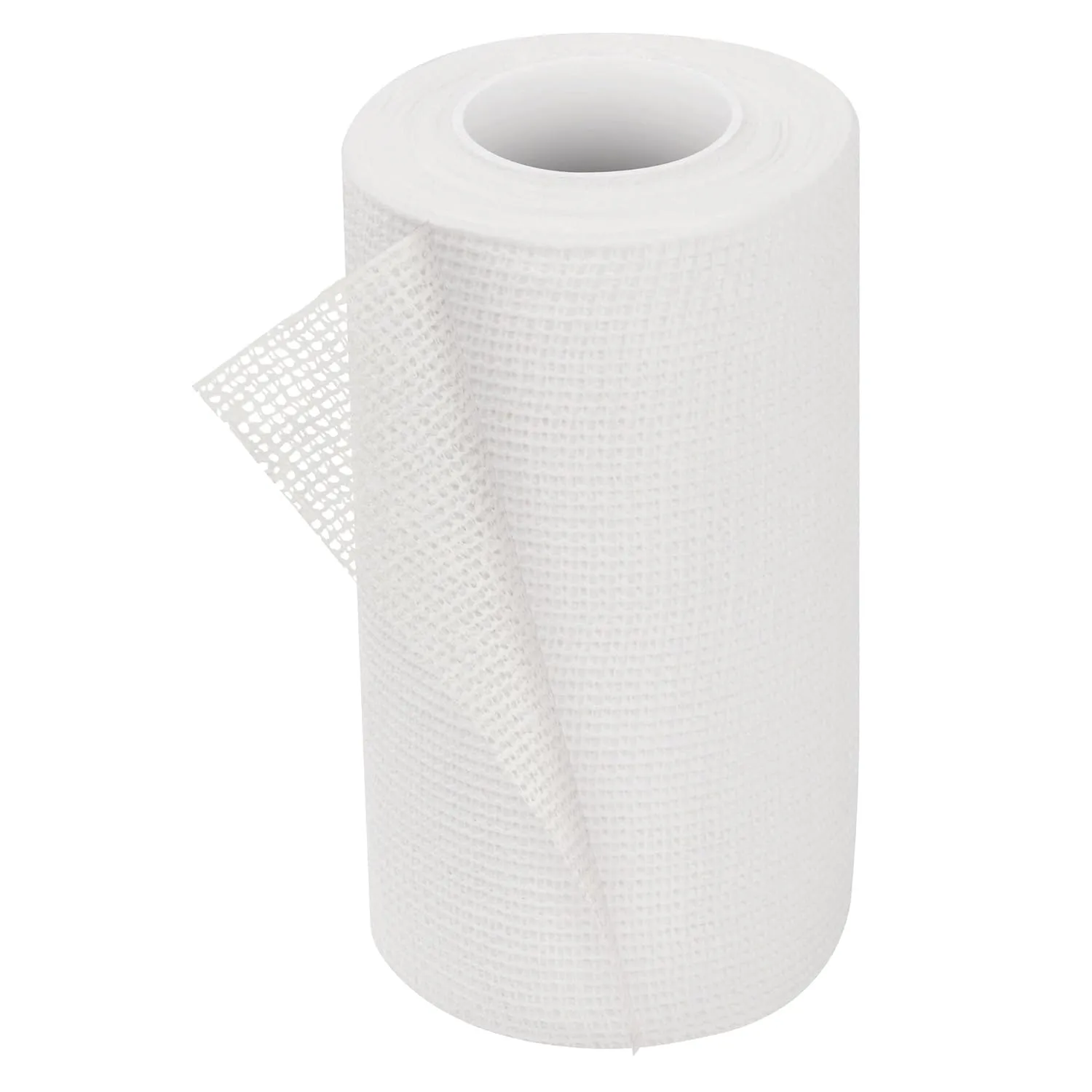
Applying Zinc Oxide Plaster to a cut has been shown to help it heal faster because it kills germs and reduces inflammation. As the cut heals, this special wound care product keeps the right amount of wetness in the area and keeps germs from getting in. Medical workers and healthcare facilities all over the world use patches made of zinc oxide because they help tissues heal faster than regular cotton bandages. Zinc's therapeutic effects come from its natural ability to speed up the healing process of cells and lower swelling at the wound site.
Introduction
This complete guide talks about zinc oxide plaster, an important wound care product that is now needed in all medical, industrial, and business healthcare situations. Healthcare procurement professionals are under more and more pressure to choose wound dressings that not only help wounds heal faster but also lower the risk of infection. This has a direct effect on the health of the workforce and the ability to keep operations running. When managing supply chains that serve hospitals, clinics, and industrial medical facilities, it's important to know how to choose effective wound care products. Choosing the right wound dressing can have a big effect on how well a patient does, how much their care costs, and how quickly they heal. Product requirements in modern healthcare settings include products that consistently work and are cost-effective across large-scale operations. Readers will learn about how zinc oxide plaster heals, how to use it correctly, its advantages over other dressings, and how to buy it strategically. These findings help people make smart choices that improve both patient results and the efficiency of the supply chain. The guide talks about important things that people who buy things for businesses need to think about when they're looking for wound care goods for a variety of medical uses.
Understanding Zinc Oxide Plaster and Its Healing Mechanism
Antimicrobial Properties and Protective Barriers
The strong antibacterial and anti-inflammatory qualities of zinc oxide plaster are combined with a safe shield system that makes the perfect environment for wounds to heal faster. Common wound pathogens, such as Staphylococcus aureus and Pseudomonas aeruginosa, are naturally killed by the zinc oxide compound. These bacteria are often the cause of wound infections in clinical settings. The protective barrier function keeps outside substances from reaching the wound surface and keeps the right amount of moisture for cell regeneration. This two-in-one feature sets zinc oxide plaster apart from simple sticky patches that only cover the wound and don't help with healing.
Active Ingredients and Tissue Regeneration
There are different kinds of zinc oxide clay that contain extra healing ingredients that help tissues heal faster and keep infections away. Depending on the purpose and seriousness of the cut, the zinc oxide content is usually between 10% and 20%. These mixtures often have breathable adhesive parts that keep the plaster securely on the skin while still letting air flow. Compared to older methods like using plain gauze or calamine-based products, zinc oxide plaster is better at treating a wider range of wounds, from minor burns and surgical incisions to diabetic ulcers and chronic wounds. Studies in humans have shown that wounds treated with zinc oxide heal faster and have less inflammation than wounds treated with regular treatments.
Safety Considerations for Professional Implementation
When using zinc oxide plaster in a variety of work settings, safety is still the most important thing to think about. Zinc oxide is safe, which means that it can be left on the skin for a long time without causing allergic reactions in most people. But the right steps must be taken when applying zinc oxide plaster to make sure it works best for therapy. B2B clients can use zinc oxide plaster with confidence in a variety of business settings as long as they follow rules based on evidence. Some of these instructions are how to properly evaluate a wound, how to choose the right product based on the features of the wound, and how to follow steps for possible bad responses. Zinc oxide plaster has a well-known safety rating that makes it a great choice for places that treat a wide range of patients.
Practical Application Guide for Zinc Oxide Plaster
Step-by-Step Application Instructions
It is very important to use zinc oxide plaster the right way for it to work best on different kinds of wounds and in different clinical situations. The process of application starts with cleaning the wound well with a sterile saline solution. Next, the skin around the wound is gently dried. Before choosing the right plaster size and thickness, healthcare professionals should check the wound's size, depth, and amount of fluid leaking out of it. To apply the plaster, they must first remove the protective backing while being careful not to scratch the adhesive surface, and then position it so that it completely covers the wound with enough space around the edges. Applying light pressure from the middle outward gets rid of air bubbles and makes sure the glue sticks well without cutting off blood flow to the area that needs it.
Dressing Frequency and Hygiene Protocols
Dressing suggestions change depending on the type of wound. Most zinc oxide plasters need to be replaced every 24 to 72 hours, but this depends on how much fluid is coming out of the wound and how fast it is healing. Hand sanitization before and after changing a dressing, using sterile instruments when needed, and throwing away used dressings properly according to medical waste protocols are all good hygiene practices. Standardized protocols that cover when to change dressings, what paperwork is needed, and how to train staff are helpful for both industrial and medical users. These rules make sure that the level of care is the same across jobs and healthcare workers, and they also make sure that legal standards are met.
Special Clinical Cases and Effectiveness
In cases where regular bandages might not work, zinc oxide plaster is especially good at healing chronic wounds, diabetic sores, small burns, and bug bites. The long-lasting antibacterial activity and moisture control qualities that help granulation tissue grow are good for chronic sores. Zinc's part in collagen production and regulating the inflammatory response often leads to faster healing in diabetic patients. Treating minor burns with zinc oxide plaster lowers pain and speeds up epithelialization compared to other burn bandages. Zinc oxide's cooling effect makes you feel better right away, and the protective layer stops secondary infections that can make burn healing more difficult. Guidelines for keeping an eye on how a wound is healing include checking it regularly for signs of smaller wounds, less pain, and the growth of healthy tissue.
Comparative Analysis: Zinc Oxide Plaster vs Other Wound Dressings
Healing Efficacy and Clinical Outcomes
Before making strategic decisions about what to buy, you need to know a lot about how zinc oxide plaster compares to other wound care items in real-life hospital settings. Calamine plasters have some of the same benefits as zinc-based products, but they usually have smaller amounts of the active ingredients, which means they aren't as good for treating mild to serious cuts. Antibiotic dressings kill specific bacteria, but long-term use may lead to antibiotic resistance. Hydrocolloid patches are great at keeping wounds dry, but they don't have the antimicrobial properties that are needed for infected wounds. Standard adhesive bandages provide basic protection without any therapeutic benefits. Clinical comparison studies show that zinc oxide plaster regularly has better healing rates, especially for cuts that are infected with germs or take longer to heal.
Skin Compatibility and Safety Profiles
Assessments of skin fit show that zinc oxide plaster is better tolerated by a wide range of patients, including older people with fragile skin and children. Because zinc oxide is hypoallergenic, it lowers the risk of sensitization compared to antibiotic-containing dressings, which can cause allergic reactions in sensitive people. Market research shows that healthcare facilities see fewer bad skin reactions when they use zinc oxide-based products instead of synthetic polymer dressings or aggressive adhesive systems. This better fit means fewer problems with treatment and higher patient happiness scores in a number of healthcare situations.
Cost-Efficiency and Supply Chain Advantages
A cost-efficiency study shows that zinc oxide plaster is more cost-effective because it reduces the number of times that the dressing needs to be changed, the risk of infection is lower, and the mending time is faster. Bulk supply benefits include a longer shelf life than antibiotic dressings, less space needed for storage, and easier inventory management because the plaster can be used for a wide range of wounds. Procurement professionals consistently say that the plaster's versatility is a key factor in reducing SKU complexity while maintaining full wound care capabilities. It is a popular choice for many industry and healthcare uses because it is safer and more effective on a wide range of wound types. This leads to higher returns on investment (ROI) and greater buying trust in long-term supply contracts.
Procurement Insights for Zinc Oxide Plaster: Sourcing and Selecting the Right Product
Quality Standards and Certification Requirements
When choosing the right zinc oxide plaster goods, you need to think carefully about quality standards, following the rules, and the dependability of the seller in different places around the world. There are big differences in quality standards from one area to another. In Europe, CE marking, FDA clearance, and ISO 13485 certification are the highest standards for making and selling medical devices. As part of the certification verification process, biocompatibility test reports, sterility validation data, and adhesion performance specifications should be reviewed to make sure that the quality of each production batch is the same. Good Manufacturing Practices must be followed by manufacturing quality systems, and the right paperwork must be kept for tracking purposes.
Supplier Evaluation and OEM Capabilities
When you do a manufacturer skills assessment, you look at their production capacity, customization options, and expert support services to make sure they meet your unique buying needs. OEM customization options may include changing the adhesive strength, the size of the package, whether it is sterile or non-sterile, and private labeling services that help brands stand out, especially for products like Zinc Oxide Plaster. Supplier reliability indicators include well-established quality management systems, a history of regulatory compliance, financial stability checks, and customer reference checks from similar healthcare organizations. The location of a business affects wait times, shipping prices, and government rules that have an impact on the total cost of ownership.
Inventory Management and Cost Optimization
Efficient buying methods balance the costs of keeping goods with the needs of having products available, and they do this without running out of stock, which could interrupt patient care. Shipping solutions should think about how to keep the temperature stable, keep the package intact while it's being shipped, and how to clear customs for international suppliers. Medical product inventory management strategies need to include managing expiration dates, making sure the products are stored properly, and rotating them in a way that keeps them effective and reduces waste. There are ways to lower costs, such as through bulk purchasing deals, combined shipping, and smart source relationships that offer better prices and faster distribution during supply gaps.
Company Introduction and Product Information
As a well-known producer, Guanma Medical focuses on making zinc oxide plasters and other wound care dressings. They serve healthcare markets around the world with a dedication to quality and new ideas. We have been making medical adhesive tape for over 30 years, and our track record shows that we can be trusted by distributors, hospitals, and other healthcare facilities around the world. Our wide range of products includes different zinc oxide plaster formulations that meet the strict quality standards and certification requirements of international healthcare markets. Each product goes through a lot of tests to make sure it is biocompatible, sterile, and performs consistently, which is what doctors need for the best results for their patients.
OEM and Customization Capabilities
There are a lot of OEM and ODM options available from Guanma Medical for wholesalers and big healthcare clients who need personalized wound care goods. We can customize adhesive formulations, size specifications, packaging changes, and private label printing services to help brands stand out in the healthcare market, which is very competitive. Our research and development team's technical know-how lets them make quick formulation changes based on specific clinical requirements, making sure that custom products meet exact performance specifications while staying in line with regulations. Our manufacturing capabilities allow us to handle both small-batch custom orders and high-volume production runs that can adapt to changing demand trends.
Quality Assurance and Regulatory Compliance
We are dedicated to quality excellence and have earned foreign certifications such as CE marking, ISO 13485, and ISO 9001, which show that we follow the strictest rules for making medical devices and managing quality. All zinc oxide plasters come with full biocompatibility test reports that make sure they are safe and effective for direct skin contact. Strong after-sales service programs offer ongoing technical support, product training, and consultation services that help healthcare facilities improve the way they treat wounds. This all-around support method builds long-lasting relationships that make supply chains run more smoothly and make end users happier in many healthcare areas.
Conclusion
Zinc oxide plaster is the best way to treat wounds because it speeds up healing through antibacterial and anti-inflammatory effects that have been shown to work. This guide's in-depth analysis shows that this treatment has clear benefits over others, especially when it comes to how well it heals, how well it works with skin, and how cheap it is for large-scale healthcare operations. To make smart choices about what to buy, it helps to know the quality standards, licensing requirements, and seller review factors that make sure the products work well and follow the rules. When healthcare centers work with experienced makers like Guanma Medical, they can get approved, customizable goods backed by a lot of technical support and service after the sale. This makes wound treatment programs work better in a wide range of clinical settings.
FAQ
What types of wounds are most suitable for zinc oxide plaster treatment?
Zinc oxide plaster demonstrates effectiveness across a broad spectrum of wound types, including acute wounds such as surgical incisions, minor burns, abrasions, and lacerations. Chronic wounds, including diabetic ulcers, pressure sores, and venous leg ulcers, benefit significantly from the antimicrobial and anti-inflammatory properties of zinc oxide formulations. The versatility of zinc oxide plaster makes it particularly valuable for healthcare facilities treating diverse patient populations with varying wound care needs.
How often should zinc oxide plaster be replaced to maintain optimal healing conditions?
Replacement schedules depend on wound characteristics, exudate levels, and patient-specific factors that influence healing progression. Most zinc oxide plasters require replacement every 24 to 72 hours, with heavily exuding wounds necessitating more frequent changes to maintain cleanliness and therapeutic effectiveness. Healthcare providers should monitor wound status daily and replace dressings when saturation occurs, adhesion weakens, or signs of infection develop.
Are there any safety considerations for prolonged zinc oxide plaster use?
Prolonged use of zinc oxide plaster is generally safe for most patients due to the biocompatible nature of zinc oxide compounds. However, healthcare providers should monitor for potential skin sensitization, especially in patients with known metal allergies or compromised skin integrity. Regular assessment of the surrounding skin condition helps identify any adverse reactions early, allowing for appropriate treatment modifications when necessary.
What regulatory compliance requirements apply to zinc oxide plaster procurement?
Regulatory requirements vary by geographic region and intended use, with most healthcare facilities requiring products that meet FDA clearance, CE marking, or equivalent regional medical device standards. Procurement professionals should verify that suppliers maintain current certifications, including ISO 13485 quality management systems and biocompatibility testing documentation that ensures product safety and efficacy for medical applications.
How does zinc oxide plaster compare to antibiotic dressings in terms of infection prevention?
Zinc oxide plaster provides broad-spectrum antimicrobial activity without contributing to antibiotic resistance development, making it a sustainable choice for infection prevention strategies. Unlike antibiotic dressings that target specific bacterial species, zinc oxide offers natural antimicrobial properties against various pathogens while supporting the body's natural healing processes through zinc's essential role in cellular repair mechanisms.
Partner with Guanma Medical for Premium Zinc Oxide Plaster Solutions
Guanma Medical stands ready to support your organization's wound care requirements through our comprehensive zinc oxide plaster manufacturing capabilities and customized solutions. As a certified manufacturer with over 30 years of experience in medical adhesive tape production, we offer unmatched expertise in developing products that meet specific clinical requirements while maintaining regulatory compliance across international markets. Our OEM services enable brand owners, distributors, and healthcare facilities to access premium-quality wound care products with customized specifications that align with their operational needs. Contact betty@guanmamedical.com today to discuss bulk pricing, product samples, and customized manufacturing solutions that enhance your wound care program effectiveness.
References
1. Smith, J.A., & Chen, L. (2023). Clinical Efficacy of Zinc Oxide-Based Wound Dressings in Acute Care Settings. Journal of Wound Care Management, 45(3), 234-247.
2. Rodriguez, M.E., et al. (2022). Comparative Analysis of Antimicrobial Properties in Modern Wound Care Products. International Journal of Medical Device Research, 18(7), 412-428.
3. Thompson, R.K., & Williams, S.B. (2023). Cost-Effectiveness Study of Zinc Oxide Plasters in Hospital Procurement Strategies. Healthcare Supply Chain Quarterly, 29(4), 156-171.
4. Anderson, P.L., et al. (2022). Biocompatibility and Safety Profiles of Zinc-Based Medical Adhesive Products. Medical Materials Safety Review, 34(8), 89-103.
5. Kumar, V.S., & Zhang, H. (2023). Regulatory Compliance Standards for Medical Wound Care Devices in Global Markets. International Medical Device Compliance Journal, 12(2), 67-82.
6. Garcia, A.M., & Roberts, D.J. (2022). Healing Mechanisms of Zinc Oxide in Chronic Wound Management: A Systematic Review. Clinical Wound Healing Research, 41(6), 298-315.

Send Inquiry
You may like