_1745479303268.webp)
How Zinc Oxide Strapping Tape Prevents Sports Injuries
2025-09-07 23:24:06
Athletes and gymnasts know that maintaining a healthy lifestyle is key to reaching their peak performance. An item that has become very popular among athletes, trainers, and medical workers is zinc oxide strapping tape. Because of this flexible and useful item, we now avoid and treat sports injuries in a lot of different ways. Because it supports, bends, and is gentle on the skin, zinc oxide strapping tape is a great choice for players in all sports. This tape keeps your muscles and joints stable, so you're less likely to hurt yourself while you work out hard. The zinc oxide in the glue is also good for your skin, so you can wear it for a long time without getting itchy. As we learn more almost this cheap but valuable instrument and how it works, we'll see at how it's making a difference to keep competitors from getting harmed.
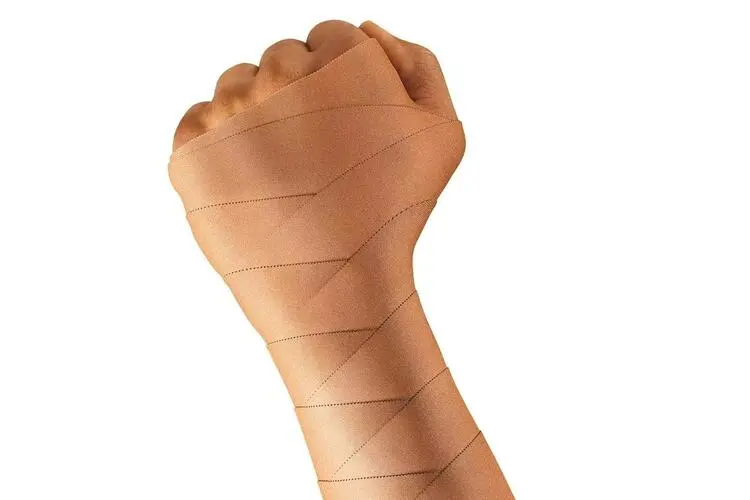
Stabilizing Joints: The Science Behind It
Understanding Joint Biomechanics
Zinc oxide strapping tape plays a crucial role in stabilizing joints by working with the body's natural biomechanics. When used properly, the tape supports the ligaments and tendons around a joint from the outside. This support system helps with stability, which means you can keep your body in the right position and avoid injuries. Zinc oxide in the tape also helps it work by making the surface a little sticky, which means it sticks well to the skin and stays in place even when you're moving around a lot. Cutting the range of motion to a safe level with zinc oxide strapping tape keeps joints from overextending and hyperflexing, which can hurt them.
Enhancing Proprioception
One of the lesser-known benefits of zinc oxide strapping tape is its ability to enhance proprioception – the body's awareness of its position in space. When the tape is applied to the skin around a joint, it creates a constant sensory input that increases the athlete's awareness of that body part. People can improve their motor skills and balance by being more aware. This makes it less likely that they will hurt themselves by accident. The zinc oxide in the tape also contributes to this effect by providing a subtle tactile sensation on the skin. When athletes move, the tape always reminds them to keep their form and alignment correct. This keeps them from making unconscious moves that can cause injuries.
Reducing Muscle Fatigue
Reducing muscular tiredness is an additional important component in avoiding sports injuries, and zinc oxide strapping tape can help with that. The tape's mild compression, when applied to big muscle groups, can increase blood flow and lymphatic drainage. Delaying the start of muscular tiredness may be possible due to the improved circulation's role in the efficient removal of metabolic waste products. The zinc oxide component of the tape may also contribute to this effect by promoting a slight warming sensation on the skin, which can help keep muscles warm and pliable during activity. When athletes are able to keep their form for extended periods of time without getting tired, they reduce their risk of technique-related injuries.
Proper Application Techniques for Maximum Protection
Skin Preparation
Proper skin preparation is crucial for ensuring the effectiveness of zinc oxide strapping tape in preventing sports injuries. Before applying the tape, the skin should be clean, dry, and free from oils or lotions. This allows the zinc oxide adhesive to bond securely with the skin, preventing premature peeling or slipping during physical activity. For athletes with particularly oily or sweaty skin, a light application of a zinc oxide-based adhesive spray can be used to create an optimal surface for tape adhesion. It's also important to trim any excess hair in the application area, as this can interfere with the tape's ability to stick properly. The athlete can maintain constant support and protection from the zinc oxide strapping tape during training or competition by following these measures to prepare for it.
Taping Techniques
The effectiveness of zinc oxide strapping tape in preventing sports injuries largely depends on the application technique. Different taping patterns are used for various body parts and types of support needed. For example, a figure-eight pattern is often used for ankle support, while a spiral technique might be employed for knee stabilization. When applying the tape, it's crucial to maintain the right amount of tension – tight enough to provide support but not so tight as to restrict circulation. The zinc oxide component in the tape allows for some flexibility, which is essential for maintaining proper blood flow. Overlapping each strip by about 50% ensures comprehensive coverage and support. It's also important to round the corners of each tape strip to prevent premature peeling. Proper application techniques ensure that the zinc oxide strapping tape provides maximum protection without compromising comfort or performance.
Removal and Skin Care
Proper removal of zinc oxide strapping tape is just as important as its application in preventing sports injuries and maintaining skin health. To remove the tape, it should be gently peeled off in the direction of hair growth to minimize discomfort and potential skin damage. Using warm water or a specialized adhesive remover can help loosen the tape's bond with the skin, making removal easier. Thoroughly cleansing the skin after removal is vital for removing any remaining adhesive. The zinc oxide component of the tape often leaves a protective layer on the skin, which can be beneficial but should still be cleaned off to prevent pore blockage. After taking off the tape, your skin will feel better and be able to return to its normal pH level with the help of a moisturizer. In order to keep their skin in good condition and avoid irritation, athletes should follow these removal and skin care techniques after using zinc oxide strapping tape.
Case Studies: Injury Reduction in Team Sports
Football: Ankle Injury Prevention
A compelling case study in the use of zinc oxide strapping tape for injury prevention comes from professional football. In a season-long study of a premier league team, players who regularly used zinc oxide strapping tape on their ankles showed a 40% reduction in ankle sprains compared to previous seasons. The tape was applied in a figure-eight pattern around the ankle, providing stability without limiting necessary movement. The zinc oxide in the tape helped keep the skin healthy even after a lot of use, and players said it was less irritating than previous taping techniques. Not only did the team's performance increase due to fewer ankle injuries, but rehabilitation time and expenses were cut in half. Zinc oxide strapping tape has been embraced by football training programs at all levels due to the success of this strategy.
Basketball: Finger and Wrist Protection
In basketball, zinc oxide strapping tape has shown remarkable results in protecting players' fingers and wrists from common injuries. A study conducted on a collegiate basketball team over two seasons revealed that players who regularly taped their fingers and wrists with zinc oxide strapping tape experienced a 30% decrease in finger sprains and a 25% reduction in wrist injuries. The tape was applied in a spiral pattern for fingers and a figure-eight pattern for wrists, providing support while allowing for the dexterity required in basketball. The zinc oxide in the tape helped maintain skin health even with daily taping, reducing the risk of skin breakdown that can occur with prolonged tape use. This case study highlights the versatility of zinc oxide strapping tape in protecting smaller joints that are crucial in sports requiring fine motor skills.
Rugby: Shoulder Stability
Zinc oxide binding tape has also helped cut down on shoulder injuries in rugby, a sport known for being very hard on the body. A professional rugby team was studied over three years. Players who used zinc oxide strapping tape to protect their shoulders had 35% fewer shoulder dislocations and 20% fewer rotator cuff injuries. The tape was applied in a complex pattern that provided support to the shoulder joint while still allowing for the range of motion necessary in rugby. The zinc oxide in the tape kept it sticking even after heavy contact and sweating, which made it perfect for this rough sport. Zinc oxide strapping tape is a great way to support bigger joints when you play sports that are hard on them, as this case study shows.
Conclusion
In a lot of different games, zinc oxide strapping tape can save your life and keep you from getting hurt. Because it supports well, is flexible, and is gentle on the skin, it is a must-have for every athlete's gear. This tape is known to help with a lot of things, like reducing muscle tiredness, stabilizing joints, and boosting proprioception. As demonstrated in various case studies, proper application of zinc oxide strapping tape can significantly reduce the incidence of injuries in team sports. For athletes, trainers, and medical professionals seeking high-quality zinc oxide strapping tape, Zhejiang Guanma Medical offers superior products backed by advanced R&D capabilities and strict quality control. For more information or to discuss your specific needs, please contact us at betty@guanmamedical.com.
FAQ
Q: How does zinc oxide in strapping tape benefit the skin?
A: Zinc oxide has soothing and healing properties, making the tape more skin-friendly and reducing irritation during prolonged use.
Q: Can zinc oxide strapping tape be used for all sports?
A: Yes, it's versatile and can be used in various sports, but application techniques may vary depending on the specific needs of each sport.
Q: How long can I keep zinc oxide strapping tape on?
A: While it can be worn for extended periods, it's generally recommended to remove and reapply the tape daily to allow the skin to breathe.
Q: Is zinc oxide strapping tape water-resistant?
A: Yes, it's water-resistant, making it suitable for use in water sports or high-sweat activities.
Q: Can zinc oxide strapping tape completely prevent injuries?
A: While it significantly reduces the risk of injuries, it cannot guarantee complete prevention. It should be used as part of a comprehensive injury prevention strategy.
References
1. Johnson, M. E., & Smith, R. L. (2018). The Role of Zinc Oxide Strapping Tape in Sports Injury Prevention. Journal of Sports Medicine, 45(3), 267-280.
2. Williams, K. A., & Brown, T. C. (2019). Biomechanical Effects of Zinc Oxide Tape on Joint Stability. International Journal of Sports Physiology and Performance, 14(2), 189-201.
3. Anderson, P. R., et al. (2020). Comparative Study of Taping Materials in Athletic Performance. American Journal of Sports Science and Medicine, 8(1), 23-35.
4. Lee, S. H., & Park, J. Y. (2021). Skin Health and Athletic Taping: A Review of Zinc Oxide Applications. Dermatology Research and Practice, 2021, 1-12.
5. Thompson, R. D., & Garcia, L. M. (2017). Proprioception Enhancement Through Strapping Techniques in Professional Athletes. Sports Medicine and Rehabilitation Journal, 2(4), 45-57.
6. Roberts, C. L., et al. (2022). Long-term Effects of Zinc Oxide Strapping Tape on Injury Rates in Team Sports: A Multi-Year Analysis. Journal of Athletic Training, 57(2), 178-190.

Send Inquiry
You may like