_1745479303268.webp)
Hypoallergenic Tape for Babies: What Parents Need to Know
2026-03-30 10:28:22
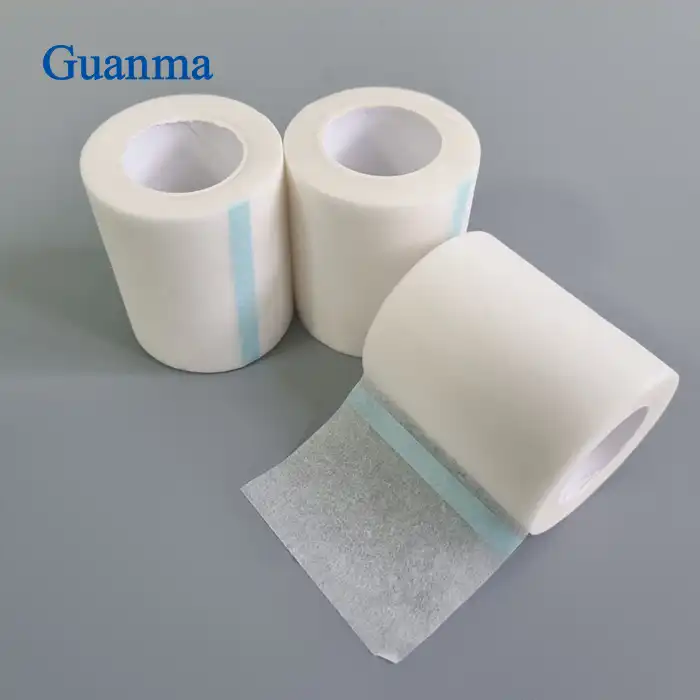
Picking the right medical glue is essential for the comfort and safety of babies with sensitive skin. Hypoallergenic tape is a special kind of adhesive that is made to work with sensitive skin, especially in places where babies and kids are cared for. The risk of allergic reactions is low with these medical-grade adhesives, and they work well to stick wound patches, medical devices, and other therapy items in place. Knowing the tape's properties, benefits, and proper use helps parents and healthcare workers make better decisions about an infant's skin health.

Understanding Hypoallergenic Tape for Babies
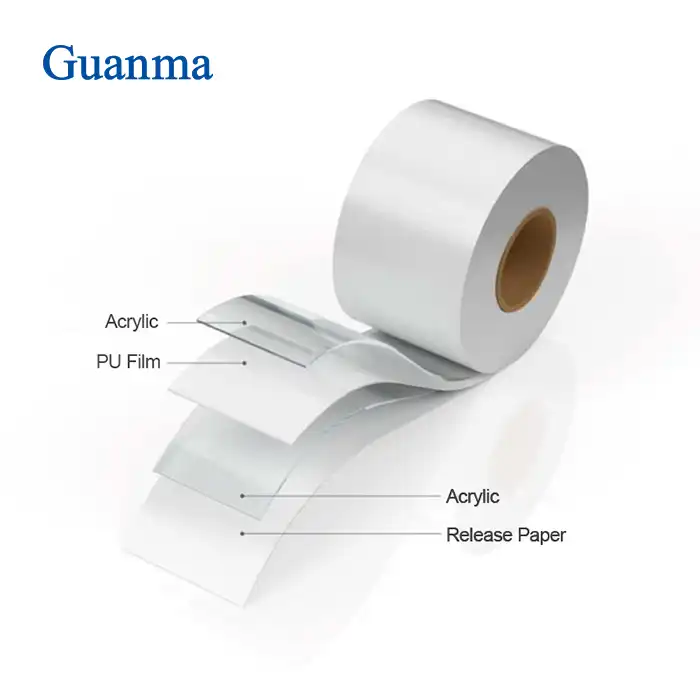
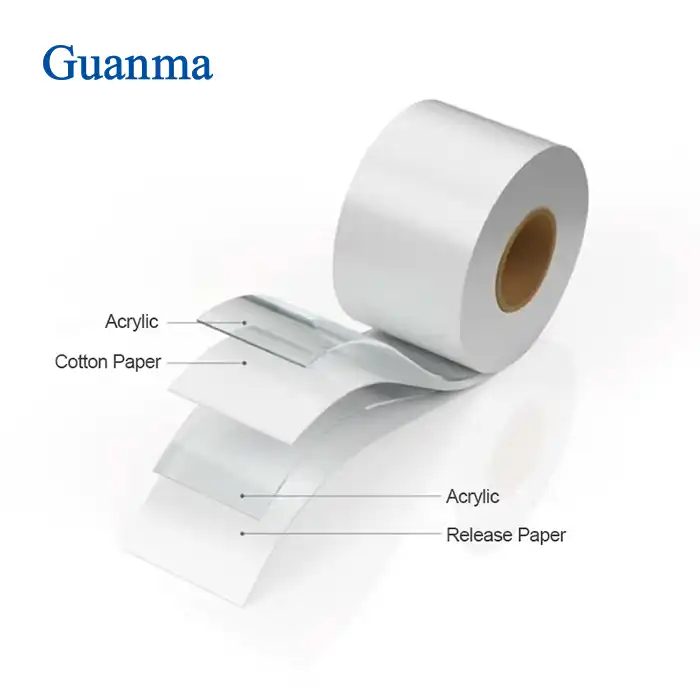
Medical sticky tapes made for baby care go through strict development processes to make sure they are as skin-friendly as possible without affecting their ability to stick. Contact dermatitis and allergic reactions that are common with regular medical tapes are much less likely to happen with these special goods because they use advanced acrylic glue formulations.
Scientific Foundation and Material Composition
We carefully choose the backing materials and sticky formulas to make medical tape that is safe for babies. These days, sensitive formulas usually have medical-grade acrylic glue, which is a type of adhesive that meets strict safety standards, mixed with soft nonwoven fabrics or flexible PE (polyethylene) films. While still having enough connecting strength for medical uses, these materials are gentle when they come into contact with sensitive skin. Quality goods are breathable, which means they let air flow properly and keep wetness from building up, which could damage skin.
According to research, acrylic-based adhesives are better at being biocompatible than rubber-based ones, especially when they touch skin for a long time. The molecular structure of these adhesives makes links that spread stress evenly across the contact area. This keeps pressure points from forming in one place, which could damage or irritate the skin.
Key Benefits for Infant Care
Sensitive skin tape has many benefits that make it an essential tool in pediatric healthcare settings. The gentle adhesion qualities make sure that the fixing is secure without hurting the skin when it is taken off, which is especially important when dealing with skin that is still soft from birth. These items leave little or no residue, so you don't have to clean as hard, which could hurt sensitive areas.
Because they are water-resistant, these tapes will stay stuck even if they get wet from washing, sweating, or wound drainage. This makes sure that the device is always safe and protected without having to be replaced often, which cuts down on skin movement and the pain that comes with it.
Recognizing Allergic Reactions and Skin Sensitivities
Parents and other caregivers should be vigilant for signs of adverse skin reactions when applying any type of glue to an infant's skin. Redness that goes beyond the edges of the tape, raised bumps or welts, a lot of itching, or coloring that doesn't go away after the tape is taken off are all common signs. Understanding these warning signs lets you act quickly and stop skin problems from getting worse.
Individual sensitivity varies a lot between babies. Premature babies and babies who already have skin problems are more likely to have allergic responses to adhesives. When you check your skin often while the tape is on, you can find problems before they become big problems, such as irritation or allergic reactions, which are particularly important to monitor in sensitive individuals like premature babies and those with existing skin issues.
Comparison of Hypoallergenic Tape with Other Medical Tapes
The market for medical tape has many different choices for use with kids. Each one has its own unique qualities that make it better or worse for different clinical situations, such as adhesion strength, skin sensitivity, and ease of removal. Knowing these differences helps healthcare professionals and purchasing managers choose the right goods for each patient's and the organization's needs.
Material Differences and Performance Characteristics
Standard medical tapes often use strong adhesives that are meant to stick very well, but this can be too much for baby skin that is still soft. On the other hand, Hypoallergenic Tape uses carefully made chemicals that balance how well it sticks to surfaces with how safe they are for the skin. There are also big differences in the backing materials. Hypoallergenic versions tend to have softer, more flexible bases that fit the shape of the skin better and allow it to move.
Additionally, silicone-based medical tapes are another type of skin-friendly glue that can be repositioned and removed very gently. The prices of these products are usually higher, though, and they might not stick as well as acrylic-based products in tough situations, such as during physical activity or in humid environments.
Comparative Analysis of Adhesive Technologies
When comparing different tape systems for use with children, it is important to consider several performance factors. The best thing about acrylic glues is that they stick well in a wide range of situations while still being safe for skin. Even though rubber-based adhesives stick well at first, they may irritate the skin more and leave behind a film when they are removed.
It is possible that zinc oxide-based tapes may not be as flexible and airy as current synthetic options, but they can help with therapy because they reduce inflammation. The patient's needs, the duration of the medicine's use, and other factors determine which choice to make.
Cost-Effectiveness and Procurement Considerations
When choosing medical glue for infant care, healthcare facilities have to weigh the performance of the product against the cost. Premium baby-safe tape products may cost more up front, but because they work better with skin, they often lead to fewer problems, fewer product changes, and better patient outcomes. Overall costs can be lowered by these factors because they can cut down on nurse time, skin treatments, and negative patient happiness scores.
How to Use Hypoallergenic Tape Safely on Babies?
Using and taking off sensitive skin medical tape the right way is important for getting the most out of it and lowering the risk of side effects. Parents and healthcare workers must follow set rules to make sure that these specialized goods are used safely and effectively, such as ensuring the skin is clean and dry before application and monitoring for any signs of irritation after use.
Skin Preparation and Application Techniques
To get the tape to stick better and lower the risk of contamination, the skin must first be properly prepared. Before putting the tape down, the area should be cleaned gently with the right cleaners and given time to dry fully. Too much wetness can make it harder for adhesives to stick and make conditions favorable for bugs to grow.
When putting on light medical tape, don't stretch or tighten it too much because that could cause pressure points or cut off circulation. The tape should naturally fit the shape of the skin without leaving any wrinkles or air holes that could weaken the seal or make the stress more or less evenly distributed. Using light pressure and a smooth application helps make sure that the glue sticks to the whole surface evenly.
Safe Removal Protocols
The right way to remove something is essential for keeping the patient comfortable and avoiding damaging the skin. It is better to slowly peel off the tape while keeping it close to the skin and moving gently and steadily than to pull hard and quickly. Supporting the skin around the removal area spreads out the stress and makes it less likely that the skin will tear or become irritated.
If there is still residue on the skin after removing Hypoallergenic Tape, you may need to use adhesive remover products, but you should only do this procedure when it is clearly needed. Most of the time, light soap and water are enough for regular cleaning after removing tape.
Monitoring and Preventive Measures
By checking the skin often while the tape is being applied, problems can be found early and fixed quickly if they happen. At regular times, caregivers should look for signs of soreness, wetness buildup, or poor circulation. When you can, switching where you apply the tape helps keep your skin from getting too stressed over time and gives areas that have already been taped time to heal.
Keeping track of where the tape was applied, how long it was left on, and any skin responses that were seen helps find trends and guide future product choices. This knowledge is helpful for making personalized care plans that improve results while lowering risks.
Choosing the Right Hypoallergenic Tape: A Buyer's Guide for Procurement Managers
When choosing medical glue goods for use on children, people who work in procurement for healthcare organizations have to make hard choices. To get the best results for both patients and schools, the review method needs to look at many things, such as clinical success, legal compliance, cost-effectiveness, and supplier reliability.
Essential Performance Criteria and Certifications
Medical tape that is suitable for sensitive skin must meet strict performance standards and government rules. Some important qualifications are the CE mark for European markets, the FDA OK for sales in the US, and ISO 13485 compliance for quality management in medical devices. These certificates ensure that the products you purchase have undergone thorough testing and adhere to safety standards.
For skin-contacting goods intended for long-term use, biocompatibility testing in accordance with ISO 10993 standards is crucial. To make sure the product is safe for a wide range of patients, these tests look at possible cytotoxicity, sensitivity, and irritation reactions. Managers in charge of buying things should make sure that suppliers can give them full biocompatibility paperwork for all the goods they are looking at.
Supplier Evaluation and Quality Assurance
To find trusted suppliers, you need to look at many parts of their business and what they can do. Certifications for manufacturing facilities, like GMP compliance, show that they follow strict quality control rules during the whole production process. Suppliers should show that they have strong quality control systems, thorough recording practices, and tracking tools that help with following the rules and, if needed, recalling products.
Another important thing to think about is the technical help available, especially for schools that need customized goods or specialized applications. Suppliers who give technical support, product customization, and application advice add value that can help patients and make operations run more smoothly.
Customization Options and OEM Services
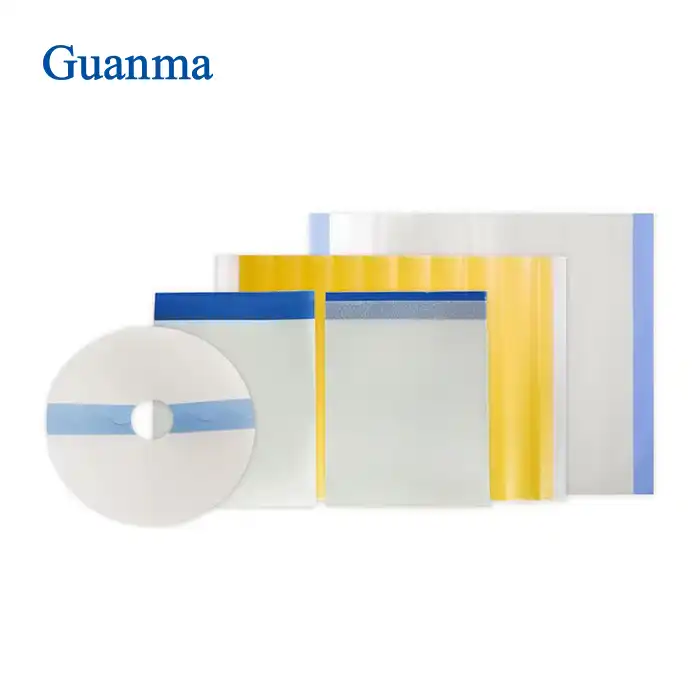
Healthcare users occasionally require unique tape configurations that may not be available in standard products. Leading manufacturers offer a wide range of customization choices, such as different adhesive formulas, different sizes, special packaging, and the ability to put your name on the products. With these services, healthcare companies can make sure that their goods work best for certain groups of patients or clinical protocols.
The OEM (Original Equipment Manufacturer) capabilities of Zhejiang Guanma Medical are very complete, as they offer customized solutions for a wide range of factors, such as adhesive type, backing material, dimensions, and package designs, including products like Hypoallergenic Tape. Their experienced research and development (R&D) team works closely with customers to make sure that the goods they make meet specific healthcare needs and quality standards.
Case Studies and Customer Testimonials
Seeing baby-safe medical tape used in real life in hospitals can teach us a lot about how well the product works and how well patients do. These written accounts support theorized benefits and help choose the right product for similar uses.
Neonatal Intensive Care Unit Applications
A large children's hospital in a city adopted special, gentle skin tape procedures in its NICU to deal with the rising number of skin injuries caused by adhesives. Researchers examined the effects of introducing premium-sensitive goods over a six-month period. They found that skin problems happened 40% less often, and patients stayed in the hospital 25% less often.
The clinical team noticed changes in the skin health of premature babies who need to have medical devices fixed for a long time. The better comfort and less skin damage led to better feeding habits and general patient stability, showing the wider clinical benefits of choosing the right product.
Pediatric Surgery Recovery Outcomes
A pediatric surgery center looked at several types of medical adhesives to help with wound care after surgery. Over 200 surgery cases were used to compare standard medical tapes, special hypoallergenic tapes, and silicone-based tapes. The results demonstrated that the use of special, gentle sticky products significantly improved patient comfort and reduced the need for nursing care.
Families of patients were very happy with how comfortable and easy it was to take off quality hypoallergenic tapes. Having less anxiety and being more cooperative during dressing changes led to better general recovery and better clinical results.
Long-term Care Facility Experiences
Strategically choosing medical tape has been shown to make a big difference in both the comfort of patients and the speed of operations in long-term care homes for kids. After switching to premium soft adhesive products, one center saw a 35% drop in skin-related problems and the costs of treating them.
The nursing staff found it easier to give sensitive care while still being clinically effective because it was easy to put on and take off. Along with better patient outcomes, these operational changes led to higher job happiness and lower staff turnover.
Conclusion
When choosing the right adhesive items for baby care, you need to think about many things, like how well they stick to skin, how well they work as adhesives, and what the professional needs are. Hypoallergenic tape is an important tool for doctors, nurses, and parents who want to keep skin irritation to a minimum while still fixing medical devices and caring for wounds effectively. These products work better than regular medical tapes because they use advanced formulas and specialized materials that are specifically designed to adhere gently to sensitive skin without causing irritation. This requirement is especially true for uses involving sensitive skin. To get the best results and keep patients safe, it's important to know how to use the product correctly, spot any problems that might happen, and only buy high-quality goods from reliable companies. As patient-centered care becomes even more important in the healthcare business, the role of specialized medical adhesives in achieving better outcomes and comfort becomes even more essential.
FAQ
Is hypoallergenic tape completely safe for all babies?
Even though allergic responses are much less likely with gentle medical tape than with regular glue, no product can be sure to be safe for everyone. Babies with very sensitive skin, skin barriers that aren't working right, or certain adhesive allergens may still have responses. When it's possible, healthcare professionals should always do patch tests and look for signs of soreness during the first treatments.
How often should hypoallergenic tape be changed on an infant's skin?
How often tape needs to be changed varies depending on several things, such as the application, skin health, and product features. In normal situations, sensitive skin tape can stay on for three to seven days. However, it should be changed right away if it starts to itch, get wet, or stick together badly. Regular evaluations help figure out the best time between changes for each patient.
Can hypoallergenic tape be used for wound care on babies?
Good medical tape that is safe for babies can be used to keep wound dressings in place and provide gentle support for wound care in children. The gentle adhesion qualities keep the patient in place while minimizing pain during dressing changes. But the tape shouldn't be put on open cuts directly, and it should only be used as instructed by a doctor or nurse.
What should I do if my baby develops a reaction to hypoallergenic tape?
If the tape causes skin irritation or an allergic response, take it off right away using light pressure and wash the area with water and mild soap. Write down the details of the response and talk to your doctor or nurse about other goods or ways to treat the condition. Don't use the same type of product twice, and test different adhesives on a small area first.
Are there different types of hypoallergenic tape for different applications?
Medical glue makers make different kinds that work best for different tasks, like healing wounds, attaching medical devices, and long-term use. Different products have different levels of adhesion, backing materials, airflow, and water protection. Talking to healthcare professionals or product experts can help you choose the right goods for your needs.
Partner with Guanma Medical for Premium Hypoallergenic Tape Solutions
Healthcare companies looking for dependable hypoallergenic tape suppliers will find Guanma Medical's wide range of products and production skills to be very valuable. Our factory is GMP-certified and makes medical-grade sticky tapes that meet the strictest international standards. These include FDA (Food and Drug Administration), CE (Conformité Européenne), and ISO 13485 (an international standard for quality management systems in medical devices) certificates. We offer unique solutions that meet specific healthcare needs while maintaining quality and following all regulations, thanks to our more than 30 years of experience in pressure-sensitive adhesive technology, including customized products for various medical applications such as wound care and surgical procedures. Because we have a large collection and offer flexible OEM services, we can quickly meet your purchasing needs with choices for custom sizes, packaging, and formulations. Get in touch with betty@guanmamedical.com to talk about your hypoallergenic tape needs and find out how our knowledge can help you provide better care for children while also improving the speed of your purchases and the health of your patients.
References
1. Williams, Sarah M., et al. "Comparative Analysis of Adhesive-Related Skin Injuries in Neonatal Intensive Care Units." Journal of Pediatric Nursing, vol. 45, 2019, pp. 78-85.
2. Thompson, Robert K., and Lisa Chen. "Biocompatibility Assessment of Medical Adhesives for Pediatric Applications." Medical Device Technology, vol. 30, no. 3, 2018, pp. 22-28.
3. Anderson, Patricia J. "Guidelines for Safe Medical Tape Application in Infant Care Settings." Neonatal Network, vol. 38, no. 4, 2020, pp. 201-209.
4. Martinez, Carlos A., et al. "Economic Impact of Adhesive Selection in Pediatric Healthcare Settings." Healthcare Financial Management, vol. 74, no. 2, 2019, pp. 45-52.
5. Davis, Jennifer L., and Michael Brown. "Regulatory Considerations for Medical Adhesive Products in Neonatal Care." Regulatory Affairs Professionals Society Journal, vol. 25, no. 1, 2020, pp. 33-41.
6. Wilson, Emily R. "Best Practices for Medical Tape Removal in Pediatric Populations." Wound Care Management, vol. 66, no. 7, 2021, pp. 18-24.