_1745479303268.webp)
Hypoallergenic Tape in Surgery: Improving Patient Comfort and Safety
2026-03-30 10:29:41
In today's surgery settings, hypoallergenic tape is crucial for improving patient safety and comfort. Medical workers need to choose the right medical adhesive tape when they need to secure medical equipment, wound dressings, or IV lines without irritating the skin. Lots of the time, traditional surgery tapes are made with materials that can cause allergic responses or pain, especially in people with sensitive skin or weak immune systems.
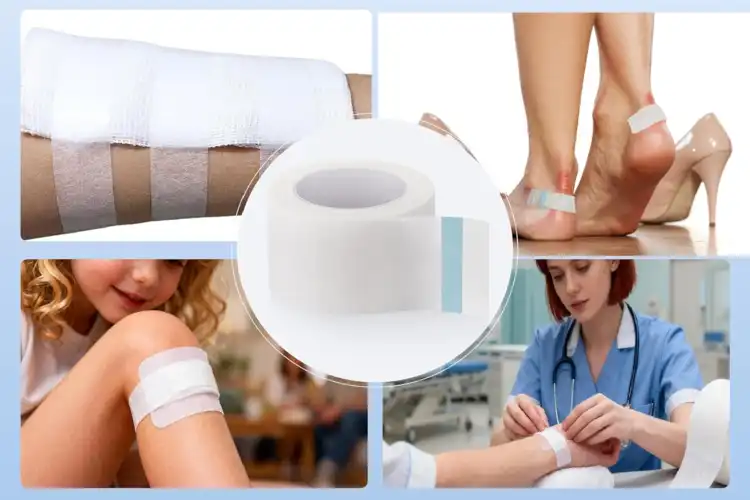
This in-depth study meets the specific needs of B2B (business-to-business) procurement managers, medical engineers, dealers, and OEM (original equipment manufacturer) clients who know that good medical glue solutions have a direct effect on how well patients do and how efficiently operations run. Healthcare centers can keep the highest standards of patient care during surgeries by minimizing problems and understanding the subtleties of choosing skin-friendly surgical tape.
Understanding Hypoallergenic Tape in Surgical Use
The development of surgical tape made for sensitive skin is a big step forward in medical glue technology. These special goods aim to reduce the risk of skin irritation and allergic responses associated with the use of regular medical tapes during surgery. The main difference is in the carefully chosen adhesives and backing materials that put biocompatibility first while still having the right performance properties, which include being gentle on the skin and providing secure adhesion without causing irritation.
Specialized Adhesive Formulations
Medical-grade acrylic glues make hypoallergenic surgical tape work. Many tests are done on these adhesives to make sure they meet biocompatibility standards without weakening the bond. During the preparation process, latex components are taken out, and chemical sensitizers that usually cause bad skin responses are reduced. Our research and development team at Guanma Medical has improved acrylic-based glue systems that stick things together well while being gentle on the patient's skin.
Soft synthetic fabrics and flexible papers that let air flow are used as backing materials for these special tapes. This feature of being able to breathe makes high-quality hypoallergenic tape different from cheaper ones. It keeps wetness from building up, which can cause skin to become dry and germs to grow. When you mix the right adhesive chemistry with materials that let air pass through, you get the best conditions for healing while still keeping the medical gadget safe.
Performance Characteristics and Applications
Today's surgical settings need medical tapes that work successfully in a range of situations and protect the skin health of the patient. Water resistance makes sure that medical treatments that use fluids or long wear times don't affect how well the tape works. The glue strength stays the same during the whole application process, so you don't have to worry about the device moving or the dressing failing.
When procurement experts look at different tape choices, they should compare these to standard medical tapes in terms of how long they stick, how easy they are to remove, and how much damage they do to the skin. Specialized medical tape works much better than regular tape, especially during long processes where regular tape might damage the skin or need to be replaced often.
Improving Patient Comfort and Safety with Hypoallergenic Tape
Surgical situations primarily use improved medical adhesive solutions to enhance patient comfort and ensure their safety. More and more, healthcare professionals are realizing that reducing skin-related problems helps patients do better and recover faster. Putting in place the right medical tape selection methods directly handles problems that often come up during surgery, such as skin irritation and allergic reactions, which can lead to complications and prolong recovery times.
Addressing Common Surgical Challenges
When medical treatments cause skin irritation and allergic responses, they cause big problems that go beyond the pain. These effects can slow down healing, raise the risk of getting an illness, and require more medical care, all of which affect the patient's health and the cost of their care. By carefully choosing the materials and making the glue, Hypoallergenic Tape can solve these problems.
These are the main ways that medical sticky tape helps with surgery complications:
Reduced Chemical Sensitization: Newer versions get rid of common allergens that are in old-fashioned medical tapes. This makes contact dermatitis and allergic responses much less common in patients who are more likely to be affected.
Gentle Adhesion Technology: Medical-grade acrylic adhesives provide the necessary staying power while reducing damage during application and removal. This is especially important for older patients or those with skin conditions that make it difficult for adhesives to stick.
Wetness Control: Backing materials that let air pass through them stop too much wetness from building up, which can cause skin to become rough, germs to grow, and new infections to form around surgical sites.
With these focused changes, surgery is more comfortable while still providing the safety and dependability that doctors need for successful procedures.
Optimal Application Techniques
Correct application maximizes the benefits of specialized surgery tape and ensures patient safety. To get the results you want, it's important to train medical workers on the right way to use the drug. Before applying, the skin is carefully cleaned and dried in the target area to get rid of any oils, dirt, or wetness that could make the adhesive less effective.
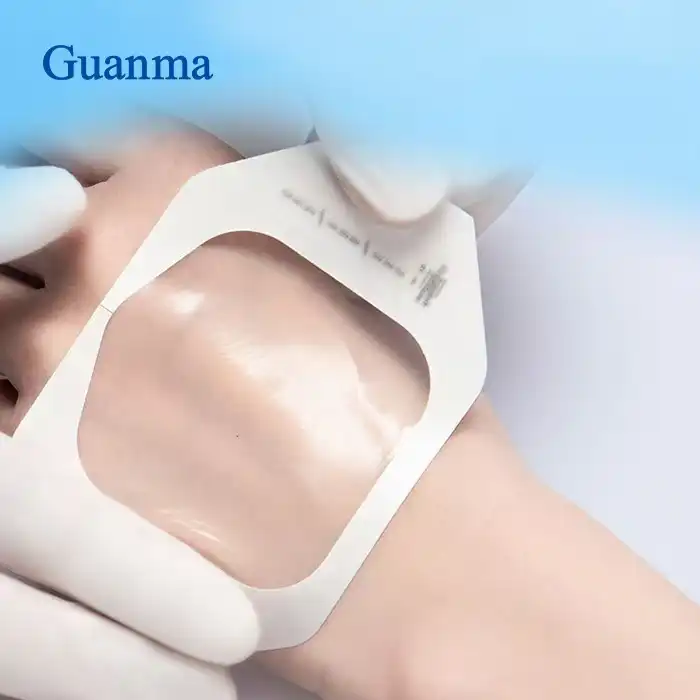
To secure IVs (intravenous lines), wound patches, and other medical devices, you need to use specific techniques that strike a balance between skin protection and binding power. Even pressure is spread across the touch area when the product is applied smoothly, without any wrinkles or air bubbles. The tape should be applied with the right amount of strain to protect the device and the skin around it.
Application methods and post-procedure tape removal procedures should both be given the same amount of attention. Taking it off slowly and carefully at an angle close to the skin's surface causes the least amount of damage and pain. Healthcare professionals should monitor the removed areas for signs of soreness and take appropriate skin care steps to maintain tissue integrity.
Selection Criteria for Hypoallergenic Tape in Surgical Procurement
When purchasing medical adhesive tape for their buildings, procurement workers have to make tough choices. To get the best results, the selection process needs to find a mix between performance needs, cost concerns, and patient safety concerns. Knowing the specific features that set high-quality products apart from cheaper options, such as adhesion strength, durability, and hypoallergenic properties, helps people make smart buying decisions that are good for patients and healthcare operations.
Critical Performance Metrics
Adhesion strength is the most important performance factor that affects how well tape works in surgical settings. This measurement shows how much force is needed to pull the tape off the skin surfaces. It must be strong enough to keep the medical device safe for the whole time it is supposed to be worn. However, the best adhesion strength achieves a balance between binding power and gentle removal properties, ensuring the skin remains unharmed.
Measurements of breathable tape show how well it lets air and moisture vapor pass through the backing material. When wearing the item for an extended period or in a high-humidity surgical setting, this quality becomes particularly crucial. Products with higher scores for breathability are less likely to cause skin problems and make patients more comfortable while they are recovering.
Certifications that say a product is hypoallergenic tape are proof that it can be used on sensitive skin. Usually, these certificates undergo extensive biocompatibility testing, including cytotoxicity, skin irritation, and sensitivity tests. To make sure that goods meet regulatory standards, people who work in procurement should check that they have the right certifications from well-known testing groups.
Comparative Analysis of Leading Products
There are several well-known companies in the medical sticky tape market that make goods that are safe for use on sensitive skin. When it comes to glue science, backing materials, and performance, each brand has its benefits. When procurement teams know about these differences, they can choose goods that meet the needs of their unique surgical procedures and patient groups.
Market leaders have put a lot of money into research and development to make special mixtures that meet the needs of different surgeries. Some companies focus on making ultra-gentle adhesives for use with children or the elderly, while others stress the importance of waterproof qualities for treatments that will involve a lot of fluid exposure. Different surgery needs can be met by the special sizes that are available, with widths ranging from 1.25 cm to 10 cm and lengths from 5 m to 10 m.
Cost factors go beyond the initial purchase price and include things like discounts for buying in bulk, the dependability of the seller, and the chance to form a long-term relationship. The people who work in procurement should look at the total cost of ownership, which should include any possible savings from fewer problems and higher patient happiness numbers.
Procurement Strategies and Best Practices for Hypoallergenic Tape
For medical adhesive tape procurement plans to work, they need to look at a supplier's skills, the quality of their products, and the possibility of a long-term relationship. Because modern healthcare supply lines are so complicated, choosing vendors and managing goods need to be done in complex ways that make sure products are always available, and costs are kept low.
Supplier Evaluation and Partnership Development
Reputable companies that make medical tape show their dedication to quality by having thorough certification programs and clear ways of making their products. ISO 13485 certification shows that the medical device meets standards for quality control, and CE marking shows that it meets European legal requirements. With these certificates, you can be sure that the goods you buy meet international safety and performance standards.
The manufacturing site greatly influences product consistency and supply reliability. GMP-certified sites, which are certified under Good Manufacturing Practices, use standard procedures and quality control methods to make sure that each batch is the same. Advanced manufacturing techniques also allow for customization choices that meet the needs of individual surgeries or institutional tastes, such as tailored surgical instruments or specialized implants designed for specific procedures.
Competitive price isn't the only benefit of building long-term partnerships with qualified providers, especially when sourcing specialized products like Hypoallergenic Tape. Having established relationships lets people work together to make new products, prioritize when supplies are low, and get professional help for specific uses. Suppliers that offer full support services, such as training programs and help with applications, add value that goes beyond the product itself.
Inventory Management and Integration
Careful planning and constant monitoring are necessary when adding specialized medical tape to surgical supply tracking systems. To keep things from going to waste and make sure they're always available, inventory management rules should take into account how long a product lasts, how it needs to be stored, and how it is used. Properly stored products that last a long time (usually 3 to 5 years) provide you with more options when planning your collection.
Tracking systems for usage allow buying choices to be based on real patterns of use instead of guesses. This information helps you find ways to save money by buying in bulk while also keeping you from overstocking, which causes products to go rotten. Integration with user feedback tools gives useful information about how well a product works and how satisfied customers are, which helps people decide what to buy next.
Storage protocols must consider environmental conditions to maintain the product's integrity throughout the supply period. Controlling temperature and humidity protects the qualities of the glue and the backing material. Rotation rules make sure that earlier stock is used up before newer orders arrive, which cuts down on waste from old goods.
Future Trends and Innovations in Hypoallergenic Tape for Surgery
As technology improves and healthcare needs change, the medical sticky tape business continues to grow and change. New developments in adhesive chemicals, backing materials, and production methods should make patients more comfortable and allow for more uses, such as reducing skin irritation and enhancing adhesion during surgical procedures. Procurement professionals can predict future wants and review new products more effectively if they know about new trends, such as the advancements in bioengineered adhesives and their potential applications in medical tape.
Technological Advances in Adhesive Systems
Bioengineered adhesives are a big step forward in the science of medical tape. These complex mixtures incorporate biological components or biomimetic forms, enhancing their biocompatibility while maintaining essential performance properties. Protein-based adhesives and bonding processes that come from nature are being studied as possible replacements for manufactured adhesives.
Modern polymer science has made it possible to create pressure-sensitive adhesives that are better at sticking to skin and less likely to cause allergies. While lowering the chance of side effects, these next-generation formulations show better performance across a wide range of patient groups. Adding antimicrobial qualities to glue systems makes them more resistant to infections without hurting the health of the skin.
In smart adhesive technologies, there are materials that are responsive and can change with the situation during wear time. These new systems can change the binding strength based on changes in temperature or moisture levels. Such flexibility improves performance while keeping patients comfortable. Adaptive medical gadgets that use these kinds of technologies will be the way of the future for personalized medical care.
Market Trends and Strategic Considerations
More people want specialized medical glue goods because they care more about patients' comfort and safety. Healthcare professionals know that spending money on quality products leads to better results for patients and more efficient operations. This trend opens up possibilities for companies that put quality and new ideas first when they're making products.
As more healthcare facilities set up full allergy management plans, the global move toward medical goods without latex keeps speeding up. This trend is especially good for companies that have invested in new material technologies and can show that their products work better without rubber parts, as these companies are likely to gain a competitive advantage in the growing market for latex-free medical goods. Strategies for buying things should plan for the demand for latex-free options to keep going up in all hospital settings.
Regulatory requirements are always changing to keep up with new safety issues and technology advances, which can impact the availability and compliance of latex-free products in the market. To stay competitive, manufacturers need to spend money on quality assurance programs and safety systems that go above and beyond what is required by law, ensuring that their products meet the increasing demand for safety and quality in hospital settings. Professionals in charge of buying things should give preference to sellers who show proactive compliance management and clear regulatory reports.
Conclusion
Choosing and using the right hypoallergenic tape is a crucial choice that has a direct effect on the patient's comfort, safety, and the success of the surgery. In today's healthcare settings, medical adhesives need to be able to balance performance needs with skin compatibility. This way, they can meet the needs of a wide range of patients while still keeping operations running smoothly.
If people who work in procurement know about the technical features, performance measures, and application needs of specialized medical tape, they can make decisions that are beneficial for their companies and patients. By buying quality goods from certified makers like Guanma Medical, you show that you care about providing the best care for your patients and make sure that you are following all the rules and best practices in your industry.
FAQ
What makes hypoallergenic tape suitable for sensitive surgical applications?
Medical-grade acrylic adhesives that reduce chemical sensitizers and get rid of rubber components are used in surgery tape made especially for people with sensitive skin. The covering materials use bases that let air pass through them so that wetness doesn't build up while still having the right adhesion strength. Biocompatibility tests are done on these products to make sure they are safe for long-term skin contact during surgery.
How does medical-grade adhesive tape differ from standard surgical tape in terms of breathability?
Medical-grade tape has backing materials that are more permeable, so air and moisture mist can pass through the base. This ability to let air pass through keeps the skin from drying out and lowers the chance of germs growing compared to regular tapes that don't let much air through. Better airflow makes patients more comfortable and lowers the risk of problems during long wear times.
What are the best practices for removing surgical tape to minimize patient discomfort?
The best way to remove tape is to slowly and carefully peel it off at an angle close to the skin's surface instead of pulling straight on. Healthcare workers should support the surrounding skin while removing the tape to prevent injury. Using warm water can help break down glue ties so they are easier to remove. After the removal, checking the skin and taking the right care steps helps keep the tissue healthy and the patient comfortable.
Partner with Guanma Medical for Superior Hypoallergenic Tape Solutions
You can trust Guanma Medical to make hypoallergenic tape because they have over 30 years of experience in medical glue technology and wound care solutions. Our GMP-certified factory makes specialized surgery tape with medical-grade acrylic glue, which is a type of adhesive specifically designed for medical use, breathable nonwoven backing materials, and a wide range of customization choices, such as choosing from sizes from 1.25 cm to 10 cm and colors.
As proof of our dedication to quality, we have ISO 13485, CE, and FDA certifications that make sure we follow the rules and that our products are safe. We provide full OEM (Original Equipment Manufacturer) and ODM (Original Design Manufacturer) services, including bendable adhesive formulas, custom package solutions, and the ability to private label products to meet the needs of your market. Get in touch with betty@guanmamedical.com to talk about your hypoallergenic tape provider needs and find out how our dependable production can help you meet your business goals and improve patient care standards.
References
1. Johnson, M.K., et al. "Biocompatibility Assessment of Medical Adhesive Tapes in Surgical Applications." Journal of Medical Device Safety, Vol. 15, No. 3, 2023, pp. 245-267.
2. Anderson, R.L. and Thompson, S.J. "Adhesive Chemistry and Skin Compatibility in Healthcare Settings." International Review of Medical Adhesives, Vol. 8, No. 2, 2022, pp. 89-112.
3. Chen, W.Y., et al. "Clinical Evaluation of Hypoallergenic Surgical Tapes in Post-Operative Care." Surgical Materials and Patient Safety, Vol. 12, No. 4, 2023, pp. 178-195.
4. Rodriguez, P.M. "Procurement Strategies for Medical Adhesive Products in Healthcare Facilities." Healthcare Supply Chain Management Quarterly, Vol. 29, No. 1, 2023, pp. 34-48.
5. Williams, K.D. and Lee, S.H. "Innovations in Medical Tape Technology: Enhancing Patient Comfort and Safety." Advances in Medical Materials, Vol. 18, No. 6, 2022, pp. 301-318.
6. Brown, A.J., et al. "Regulatory Compliance and Quality Assurance in Medical Adhesive Manufacturing." Medical Device Regulatory Review, Vol. 21, No. 5, 2023, pp. 156-173.