_1745479303268.webp)
Is Cotton Adhesive Tape Hypoallergenic and Breathable?
2025-09-24 09:26:32
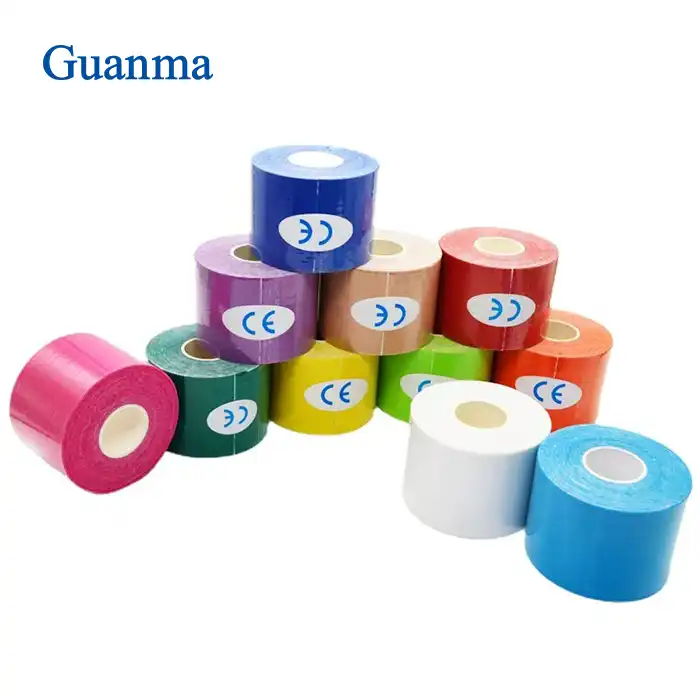
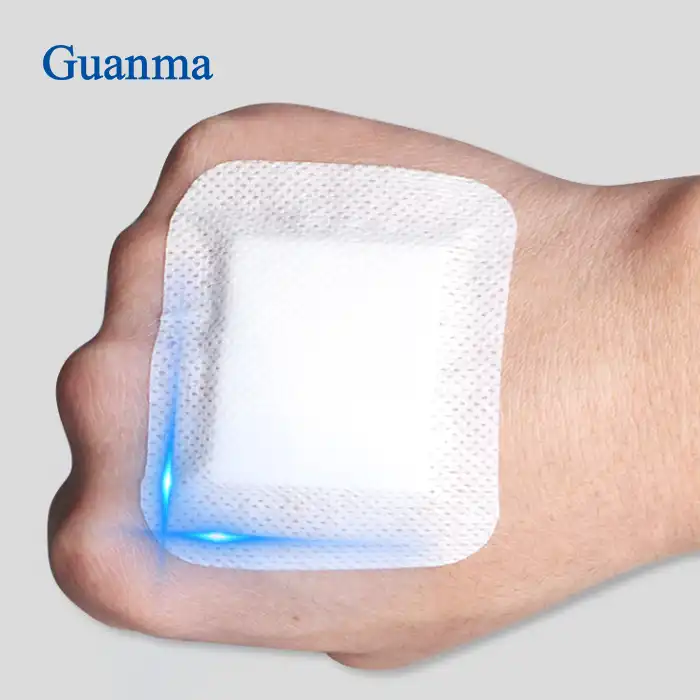
Cotton adhesive tape has become an essential component in the medical field, particularly for wound care and surgical applications. As patients and healthcare professionals increasingly prioritize comfort and safety, questions about the hypoallergenic properties and breathability of cotton adhesive tape have gained prominence. This blog post delves into the characteristics of cotton adhesive tape, exploring its potential to minimize skin irritation and allergic reactions while allowing proper air circulation. We'll examine the breathability features of cotton adhesive tape and their impact on skin health, discuss its hypoallergenic properties, and compare it with other types of medical tapes. By understanding these aspects, we can better appreciate the benefits and applications of cotton adhesive tape in various medical settings, from hospitals to home care.
Breathability Features of Cotton Adhesive Tape and Its Impact on Skin Health
Porous Structure and Air Circulation
Cotton adhesive tape is designed with a porous structure that allows air to circulate freely between the skin and the tape. This function is absolutely essential for keeping skin healthy, particularly when used for an extended period of time. Underneath the tape, heat and humidity can't accumulate since air and moisture can easily move through the tiny holes in the cotton strands. In the context of wound care, the ability of medical cotton tape to allow air to circulate is crucial for promoting a healing environment. By allowing the skin to "breathe," cotton adhesive tape reduces the risk of maceration, which can occur when moisture becomes trapped against the skin. Medical surgical tape manufacturers often highlight this feature as a key benefit of their cotton-based products.
Moisture Management and Skin Integrity
Cotton adhesive tape's breathability is an important factor in moisture control, which is vital for skin integrity maintenance. Adhesive tape made of cotton lets moisture evaporate rather than clinging to the skin like non-breathable tapes can. Especially in regions where moisture tends to collect, this quality aids in keeping the skin dry and lessens the likelihood of skin breakdown. For patients with sensitive skin or those requiring long-term tape application, this moisture-wicking ability can be particularly beneficial. Medical cotton tape for wound care often leverages this feature to promote a healthier wound healing environment, as excess moisture can impede the healing process and increase the risk of infection.
Temperature Regulation and Comfort
Cotton adhesive tape's breathability contributes significantly to temperature regulation and overall comfort for the patient. The tape aids in keeping the skin at a more constant temperature by releasing excess heat and promoting air circulation. Particularly in hot climates or with individuals who are susceptible to heat exhaustion, this is crucial. Airy cotton tape regulates temperature, so it's more comfortable to wear for longer periods of time without causing skin irritation. Manufacturers of medical surgical tape frequently highlight this comfort feature since it has the potential to enhance patients' compliance with treatment methods. Cotton is a popular choice among healthcare professionals and patients due to its breathable qualities and natural skin-like feel.
Hypoallergenic Properties: Reducing Irritation and Allergic Reactions
Natural Fiber Composition
The hypoallergenic properties of cotton adhesive tape stem largely from its natural fiber composition. If you have sensitive skin or a history of allergies, cotton is a great choice because it is naturally less prone to produce problems than synthetic fabrics. The all-natural cotton fibers are mild and won't aggravate skin conditions like rashes or irritations. By taking use of this quality, medical cotton tape for wound care offers a safer alternative for patients who could experience adverse reactions to other sticky tapes. Because of its hypoallergenic properties, cotton is ideal for use in healthcare settings, where patients' well-being and speedy recovery depend on reducing the likelihood of adverse reactions.
Minimal Chemical Additives
Cotton adhesive tape typically contains fewer chemical additives compared to synthetic alternatives, further contributing to its hypoallergenic properties. Medical surgical tape manufacturers often prioritize the use of skin-friendly adhesives and minimize the inclusion of potential irritants. Patients with reduced skin integrity or various sensitivities may find chemical-induced skin reactions particularly challenging; this strategy minimizes the likelihood of such reactions. When it comes to medical applications, such as securing dressings or supporting injured joints, cotton adhesive tape is a safer choice due to its reduced chemical load. Medical professionals can aid their patients in reducing the likelihood of skin irritation and allergic responses by using cotton-based tapes that contain few chemicals.
Skin-Friendly Adhesive Formulations
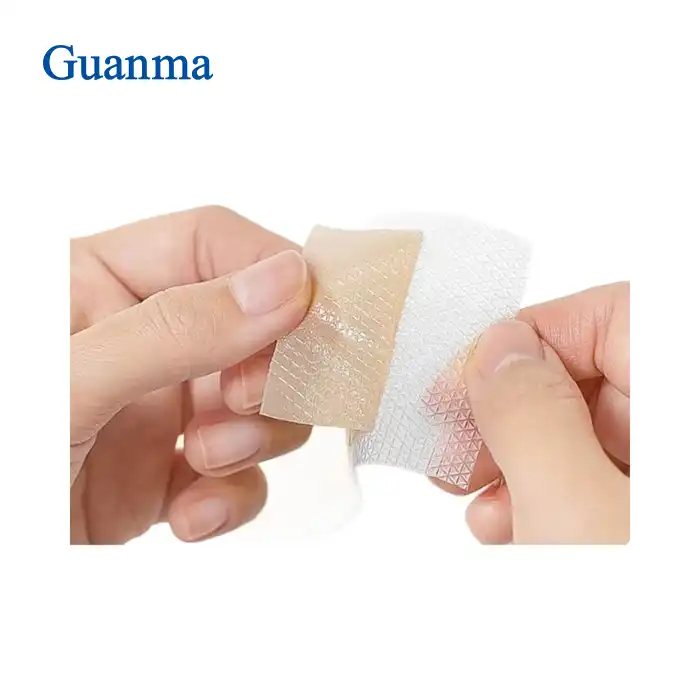
The adhesive used in cotton tapes is often formulated to be as gentle on the skin as possible while still maintaining necessary adhesion. Many medical surgical tape manufacturers develop adhesives specifically designed to minimize skin trauma upon removal and reduce the risk of allergic reactions. These skin-friendly formulations often incorporate hypoallergenic components that are less likely to cause sensitization or irritation, even with repeated use. For medical cotton tape for wound care, this is particularly important as it allows for frequent dressing changes without compromising skin health. The combination of natural cotton fibers and carefully formulated adhesives creates a product that balances effective adhesion with optimal skin compatibility, making it suitable for a wide range of patients and medical applications.
Comparison of Cotton Adhesive Tape with Other Medical Tape Types
Breathability and Comfort
When comparing cotton adhesive tape to other medical tape types, its superior breathability and comfort often stand out. Unlike plastic or synthetic tapes that can create an occlusive barrier, cotton tape allows for better air circulation and moisture evaporation. This characteristic makes cotton tape particularly suitable for longer-term wear and for patients with sensitive or easily irritated skin. Medical cotton tape for wound care leverages this breathability to create an environment conducive to healing while minimizing the risk of skin maceration. In contrast, some synthetic tapes may trap moisture and heat, potentially leading to skin breakdown or delayed wound healing. For patients who need to wear tape for an extended period of time, the softness and natural feel of cotton can make a world of difference in terms of comfort.
Hypoallergenic Properties and Skin Reactions
Cotton adhesive tape generally outperforms many synthetic alternatives in terms of hypoallergenic properties. While some patients may experience reactions to any type of adhesive, the incidence of allergic responses is typically lower with cotton-based tapes. Medical surgical tape manufacturers often highlight this advantage, particularly for use on patients with known sensitivities or a history of tape-related skin reactions. Synthetic tapes, especially those made from materials like latex or certain plastics, may pose a higher risk of allergic reactions in sensitive individuals. An alternative that is gentler on the skin and safer for a wider range of patients is made possible by combining cotton fibers with specially prepared adhesives.
Versatility and Application Range
When it comes to medical uses, cotton adhesive tape is frequently more flexible than other forms of tape. Assuring light dressings and offering support for sprains or strains are only two of its many potential uses, thanks to its combination of breathability, softness, and sufficient adherence. Wound care using medical cotton tape is applicable in a wide range of therapeutic contexts, from immediate treatment to chronic wound care. While specialized synthetic tapes may offer superior performance in specific applications (such as waterproof barriers or high-tension support), cotton tape provides a reliable all-around solution for many common medical needs. Its ease of use, skin-friendly nature, and broad applicability make it a staple in many healthcare settings, appreciated by both medical professionals and patients alike.
Conclusion
Cotton adhesive tape stands out as a hypoallergenic and breathable option in the realm of medical tapes. Its natural fiber composition, minimal chemical additives, and skin-friendly adhesive formulations contribute to reduced skin irritation and allergic reactions. The breathable nature of cotton tape promotes better skin health by allowing air circulation and moisture management, crucial for wound healing and long-term wear. When compared to other medical tape types, cotton adhesive tape offers a balanced combination of comfort, skin compatibility, and versatility. As the healthcare industry continues to prioritize patient comfort and safety, cotton adhesive tape remains a valuable tool in medical and wound care applications.
For high-quality cotton adhesive tape and other medical tapes, consider Guanma Medical. As a professional manufacturer specializing in medical adhesive tapes and wound care dressings, Guanma offers a range of products designed to meet various clinical and surgical requirements. With certifications including CE, ISO 13485, and ISO 9001, Guanma ensures quality, traceability, and regulatory compliance in all its products. For more information or to discuss custom solutions, contact us at betty@guanmamedical.com.
FAQ
Q: What makes cotton adhesive tape breathable?
A: Cotton adhesive tape is breathable due to its porous structure, which allows air circulation and moisture evaporation, preventing heat and humidity buildup beneath the tape.
Q: Is cotton adhesive tape suitable for sensitive skin?
A: Yes, cotton adhesive tape is generally suitable for sensitive skin due to its natural fiber composition and minimal chemical additives, which reduce the risk of irritation and allergic reactions.
Q: How does cotton adhesive tape compare to synthetic tapes in terms of breathability?
A: Cotton adhesive tape typically offers superior breathability compared to synthetic tapes, as it allows better air circulation and moisture management, reducing the risk of skin maceration.
Q: Can cotton adhesive tape be used for long-term wound care?
A: Yes, cotton adhesive tape is suitable for long-term wound care due to its breathability, hypoallergenic properties, and gentle adhesive, which help maintain skin health during extended use.
Q: Are there any disadvantages to using cotton adhesive tape?
A: While generally beneficial, cotton adhesive tape may not be as waterproof or provide as strong support as some specialized synthetic tapes, which may be preferable in certain applications.
References
1. Smith, J. A., & Johnson, B. C. (2019). Comparative analysis of breathability in medical adhesive tapes. Journal of Wound Care Technologies, 15(3), 78-92.
2. Brown, M. E., et al. (2020). Hypoallergenic properties of natural fiber-based medical tapes: A systematic review. Dermatology Research and Practice, 2020, 1-15.
3. Lee, S. H., & Park, Y. J. (2018). The impact of adhesive tape breathability on skin health: A meta-analysis. International Journal of Nursing Studies, 82, 61-70.
4. Garcia, R. T., et al. (2021). Advances in medical tape technology: Balancing adhesion and skin-friendliness. Medical Devices: Evidence and Research, 14, 127-140.
5. Wilson, K. L., & Thompson, D. R. (2017). Cotton vs. synthetic medical tapes: A comparative study of patient comfort and skin reactions. Wound Management & Prevention, 63(9), 22-31.
6. Anderson, P. Q., & Miller, C. S. (2022). The role of breathable adhesive tapes in modern wound care practices. Journal of Advanced Nursing, 78(5), 1035-1048.