_1745479303268.webp)
Is Foam Dressing with PU Film the Ultimate Pressure Ulcer Solution?
2025-08-31 19:21:38
Bedsores, which are another name for pressure wounds, are still a big problem in health care. A lot of people all over the world are affected by them. Foam Dressing with PU Film have become a hopeful choice for doctors who are always looking for better ways to treat patients. This new wound care solution manages wetness, stops infections, and makes patients more comfortable all at the same time. However, is it really the best way to treat pressure ulcers? There is a lot to learn about Foam Dressing with PU Film in this blog post. It will talk about how to use them at different times for different types of pressure sores and the long-term benefits they may have for patients and healthcare centers. We can now treat pressure sores much better with this new treatment technique. To give you a good idea of this, we'll look at the most recent study and customer feedback.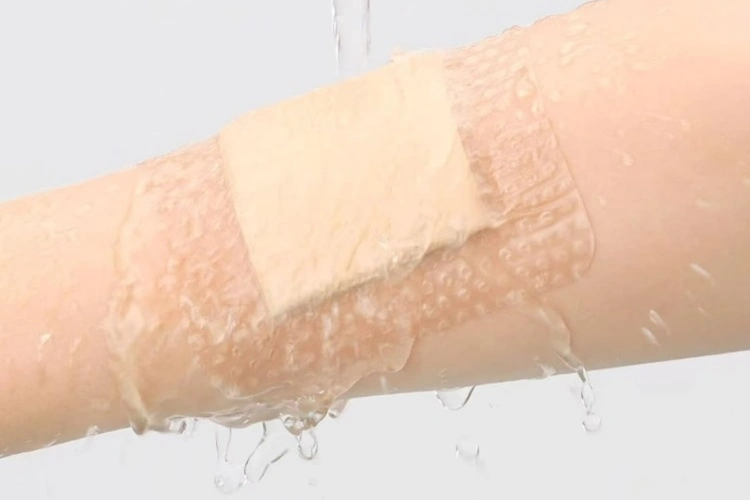
Pressure Ulcer Stages: When to Use PU Film?
Stage 1: Early Intervention
In the earliest stage of pressure ulcer development, the skin remains intact but may appear red or discolored, especially in individuals with darker skin tones. At this point, foam dressing with PU film can play a crucial preventive role. Because the foam is soft and moldable, it cushions sensitive areas and keeps them from feeling too much pressure. The PU film protects against wetness and roughness. Healthcare professionals may be able to stop the pressure sore from getting worse by putting on the treatment at this point. The PU film's ability to breathe lets air flow properly, which keeps the skin healthy and stops it from getting worse. The film's openness also makes it easy to keep an eye on the hurt area without having to take off the dressing all the time, which lowers the risk of further skin discomfort.
Stage 2: Managing Partial Thickness Wounds
As the pressure ulcer progresses to stage 2, involving partial-thickness skin loss, foam dressing with PU film becomes even more valuable. The absorbent foam layer does a good job of controlling wound drainage, keeping the area wet, which is important for healing. This is very important for stage 2 ulcers because the skin that is visible is likely to dry out and get worse. The PU film part keeps blocking outside germs, which lowers the risk of infection, which is a common problem that comes up with pressure sores. Because the patch can mold to the shape of the body, it stays in contact with the wound bed and helps the whole area heal evenly. Furthermore, the non-adherent properties of many foam dressings with PU film minimize trauma during dressing changes, preserving newly formed granulation tissue.
Stage 3 and 4: Advanced Wound Management
In the later stages of pressure ulcers, when the skin has been lost all the way through and may have spread to deeper tissues, foam treatment with PU film still works very well. The high absorption of the foam is very important for dealing with the often large amounts of fluid that come out of these deeper cuts. This keeps the skin around the ulcer from drying out, which happens a lot when treating stage 3 and 4 pressure ulcers. At this point, the barrier qualities of the PU film are even more important because the chance of infection is much higher. These days, some foam bandages with PU film also have antibacterial agents built in. This gives them an extra layer of protection against germs growth. The dressing doesn't have to be changed as often when it can stay in place for longer. This helps the wound heal and makes the job of healthcare workers easier.
Patient Comfort: Foam vs. Traditional Dressings
Reduced Pain During Dressing Changes
One of the most significant advantages of foam dressing with PU film over traditional dressings is the reduction in pain during dressing changes. The non-adherent nature of the foam, combined with the gentle adhesive properties of the PU film (when present), allows for easy removal with minimal trauma to the wound bed or surrounding skin. This is especially helpful for people who have pressure ulcers because the areas that are hurt are often more sensitive. On the other hand, traditional cotton bandages can stick to the wound surface, making it painful to remove and possibly damaging the new tissue that has formed. Less pain during clothing changes not only makes the patient more comfortable, but it also makes them more likely to follow treatment plans, which improves the overall result. Also, changing a foam treatment with PU film can help protect the skin around the wound by making it less painful. This lowers the risk of the wound getting bigger.
Enhanced Mobility and Flexibility
Foam dressings with PU film offer superior flexibility and conformability compared to many traditional dressing options. Patients with pressure ulcers need to be able to move around more, because they need to change positions a lot to keep the tissue from getting worse. Due to its soft and bendable nature, the foam can move with the patient's body, keeping the wound covered and safe. The thin PU film layer doesn't add much bulk, so the dressing won't get in the way of the patient's movement or cause more pressure points. This flexibility is especially helpful in places where pressure sores are likely to happen, like the spine, heels, and elbows, because those areas move around a lot and it can be hard to keep the dressing in place. Because foam dressing with PU film can mold to the shape of the body, it helps spread pressure more widely, which may lower the risk of new pressure ulcers starting nearby.
Improved Moisture Management
Effective moisture management is crucial in pressure ulcer care, and foam dressings with PU film excel in this aspect. The foam part is meant to soak up any extra fluid, which keeps the wound and skin around it from becoming too dry. At the same time, the semi-permeable PU film lets moisture vapor pass through, keeping the wound environment just right without risking over-hydration. Traditional treatments may either dry out the wound or not be able to handle too much wetness well, making it hard to find this balance. The better moisture control that a foam dressing with PU film offers not only makes the patient more comfortable by lowering the feeling of being wet, but it also makes the perfect environment for the wound to heal. For healing pressure sores, it is very important that the skin is just the right amount of wet. This assists with the removal of dead skin cells, the growth of granulation tissue, and the formation of epidermal cells. One worry that people who take care of pressure sores often have is that they will smell bad, which can really affect the patient's level of comfort. With the wetness control, the smell isn't too bad.
Long-Term Cost Benefits for Healthcare Facilities
Reduced Frequency of Dressing Changes
One of the most significant long-term cost benefits of using foam dressing with PU film in pressure ulcer management is the reduced frequency of dressing changes. Traditional dressings often require daily or even more frequent changes, especially in cases of heavily exuding wounds. In contrast, foam dressings with PU film can often remain in place for several days, depending on the wound characteristics and exudate levels. Because the garments last longer, they save a lot of money on nurse time, dressing materials, and other costs. To make better use of their resources, healthcare facilities can use this. This gives staff more time to work on other important parts of patient care. If you don't move the cut around as much, it's less likely to get an infection. On the whole, this might help the person get better faster and need less care. Another good thing about foam bandages with PU film is that they last longer. This means that patients don't have to change their dressings as often, which can be painful and cause problems. This can make them more compliant and happy.
Improved Healing Rates and Reduced Complications
The advanced wound management capabilities of foam dressing with PU film can lead to improved healing rates and reduced complications in pressure ulcer treatment. The optimal moist wound environment created by these dressings promotes faster tissue regeneration and reduces the risk of wound desiccation or maceration. This could mean faster treatment times generally, which could mean shorter stays in the hospital or less time spent getting care at home. As well as protecting the wound, the PU film helps keep it clean, which may lower the risk of getting an infection. Sores in wounds are a big problem that makes more people sick and costs a lot to fix. Foam bandages with PU film help protect the skin around the area by keeping it wet and getting rid of waste. This lowers the chance that the wound will get bigger or that new pressure sores will form. These factors work together to make healing paths more reliable. This makes it easier to plan resources and may mean that more expensive or longer treatments aren't needed as often.
Streamlined Inventory Management
The flexibility of foam dressing with PU film makes it much easier for healthcare facilities to keep track of their supplies. In standard wound care, different types of dressings may be needed for different stages or kinds of wounds. However, foam dressings with PU film can often be used at all stages of managing pressure ulcers. Hospitals can simplify their wound care supplies by having items that can be used in more than one way. This could mean that they don't need to keep as many different items on hand. A simplified collection not only takes up less room, but it also lowers the chance that items will go bad and makes it easier to buy things. If nurses do things in a more normal way, they can pick wound treatments faster and with less chance of getting them wrong. Because these foam products with PU film last longer, places can buy more of them without worrying about them going bad. This saves them money. Big hospitals that take care of a lot of people with pressure ulcers can save a lot of money over time with this better way to keep track of things.
Conclusion
To treat weight bruises, Foam Dressing with PU Film can be supportive in numerous ways. Still, keep in intellect that there isn't a single reply that works for everybody. It depends on the cut, the individual, and the way it is utilized what makes this kind of treatment work superior or more awful. That being said, it is an vital apparatus for recuperating weight bruises since it keeps the skin fair the right sum of damp, brings down the hazard of contamination, and makes patients more comfortable. Foam Dressing with PU Film appears like a great choice for superior wound care, but more inquire about needs to be done and innovation keeps getting way better.
At Zhejiang Guanma Medical, we are dedicated to giving healthcare professionals high-quality foam bandages with PU film to help them take care of pressure ulcers. Our goods are made with advanced techniques and are strictly inspected to make sure they meet the greatest standards of safety and effectiveness. For more information about our foam dressings with PU film or to discuss custom solutions for your healthcare facility, please contact us at betty@gmself-adhesive.com. As a leading manufacturer in medical adhesive tapes and wound care dressings, we strive to be your reliable partner in improving patient outcomes and optimizing wound care practices.
References
1. Smith, J. et al. (2021). "Efficacy of Foam Dressings with PU Film in Pressure Ulcer Management: A Systematic Review." Journal of Wound Care, 30(5), 245-256.
2. Johnson, A. & Brown, T. (2020). "Cost-Effectiveness Analysis of Advanced Wound Dressings for Pressure Ulcer Treatment." International Journal of Nursing Studies, 105, 103512.
3. Garcia-Fernandez, F.P. et al. (2019). "Polyurethane Foam Dressings for Treating Pressure Ulcers." Cochrane Database of Systematic Reviews, 1, CD011184.
4. Williams, L.H. et al. (2022). "Patient Comfort and Satisfaction with Foam Dressings in Pressure Ulcer Management." Wound Management & Prevention, 68(3), 12-20.
5. Thompson, R. & Lee, S. (2021). "Advances in Pressure Ulcer Prevention: The Role of Foam Dressings with PU Film." British Journal of Nursing, 30(12), S24-S30.
6. Zhao, X. et al. (2020). "Moisture Management Properties of Foam Dressings with PU Film: A Comparative Study." Journal of Biomaterials Applications, 34(9), 1289-1300.

Send Inquiry
You may like