_1745479303268.webp)
Is Hypoallergenic Tape Really Allergy-Free? Myth vs. Reality
2025-08-31 19:27:03
Especially when it comes to adhesive tapes, the word "hypoallergenic" is being used more and more in medical and beauty goods. A lot of people, including health care workers, use hypoallergenic tape because they think it will be allergy-free. The truth isn't as simple, though, as the ads might make it seem. It talks in depth about hypoallergenic tape, such as what it is made of, how well it works, and some common myths about it. People often believe false things about allergy-free goods. We will talk about what "hypoallergenic" really means and hear from people who have used them. That's all there is to it! Now you know if hypoallergenic tape really is allergy-free and how it can be used in many cases, from medical ones to everyday ones.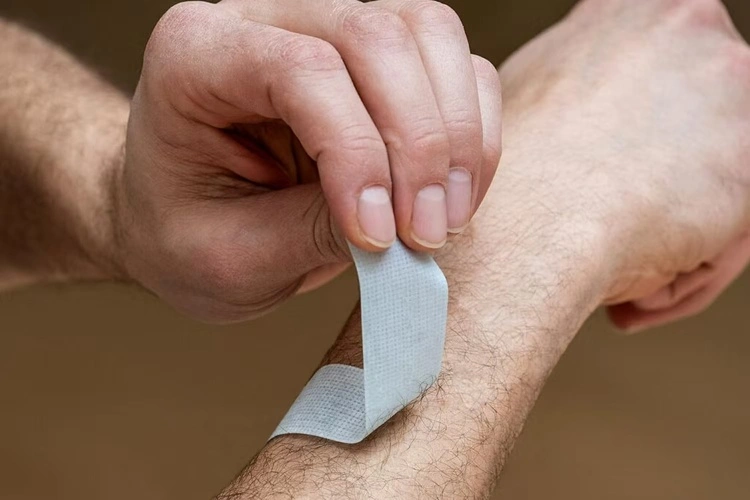
Defining 'Hypoallergenic': What It Actually Means?
The Origin and Evolution of the Term
The term "hypoallergenic" was coined in the 1950s, originally used in cosmetic advertising. It's derived from the Greek prefix "hypo-" meaning "under" or "less than normal." In the context of hypoallergenic tape, this suggests a product that is less likely to cause allergic reactions compared to standard alternatives. However, it's crucial to understand that hypoallergenic doesn't mean allergy-proof. Manufacturers of hypoallergenic tape use materials and adhesives that are known to have a lower potential for causing skin irritation or allergic responses. These tapes often feature backing materials like soft nonwoven paper or fabric and use gentler adhesives such as acrylic or hot melt formulations. Despite these considerations, the term "hypoallergenic" is not regulated by the FDA or other health authorities, leaving room for interpretation and variation among products.
Scientific Basis for Hypoallergenic Claims
The scientific foundation for hypoallergenic tape lies in the selection of materials and adhesives that are less likely to trigger immune responses. Manufacturers conduct patch tests and skin sensitivity studies to evaluate the potential for allergic reactions. These tests typically involve applying the tape to a diverse group of subjects and monitoring for adverse reactions over time. However, it's important to note that these tests have limitations. They can't account for every possible skin type or condition, and long-term use may still lead to sensitization in some individuals. The effectiveness of hypoallergenic tape often depends on factors like the specific adhesive formulation, the backing material, and the manufacturing process. For instance, some hypoallergenic tapes use water-based adhesives or silicone-based formulations that are gentler on the skin compared to traditional rubber-based adhesives.
Regulatory Landscape and Consumer Implications
The lack of strict regulations around the term "hypoallergenic" can lead to confusion for consumers. While reputable manufacturers like Zhejiang Guanma Medical adhere to high standards and obtain certifications such as CE, ISO13485, and FDA approval, not all products labeled as hypoallergenic undergo the same rigorous testing. This regulatory gap means that consumers must often rely on brand reputation, user reviews, and personal experience to gauge the true hypoallergenic nature of a tape. When hypoallergenic tapes are needed for medical purposes, they are usually chosen because they have been through more tests and have been used successfully in hospital settings. In general, though, hypoallergenic tape can work very differently for different people. People who already know they have sensitive skin should always do a small patch test on any new tape before using it all over, even if it says on the package that it's hypoallergenic.
Common Misconceptions About Allergy-Free Products
The Myth of Complete Allergy Prevention
One of the most pervasive misconceptions about hypoallergenic tape is that it's completely allergy-free. For people with serious allergies or sensitive skin, this idea can make them feel safe when they aren't. Hypoallergenic tape is actually made to lower the chance of allergic responses, not get rid of them completely. Even though the materials used to make these tapes were carefully chosen to be kinder to the skin, they may still contain chemicals that make some people react. For example, the acrylic adhesives that are used in a lot of hypoallergenic tapes are usually fine, but they can sometimes irritate people who are very sensitive. People who use this product need to know that "hypoallergenic" does not mean "non-allergenic." This false belief can be especially harmful in hospital settings, where people who know they are allergic to hypoallergenic tape might be introduced to it without taking the right safety measures.
Overestimating the Universal Effectiveness
Another common misconception is the belief that a hypoallergenic tape that works well for one person will work equally well for everyone. This oversimplification doesn't take into account how different people's skin is, how sensitive it is, and how many diseases they have. Additionally, even though hypoallergenic tapes are made to work better with more skin types than regular tapes, they don't always work. How a person's skin responds to the tape can depend on things like how long they use it, the surroundings, and the area where they put it on. For instance, a hypoallergenic tape might not bother you when used for a short time, but it might irritate your skin when used for a long time. Also, skin that is more sensitive in some places, like the face or neck, may behave differently than skin that is not as sensitive. This variety shows how important it is to choose and use hypoallergenic tapes in a way that is specific to your needs.
Ignoring the Importance of Proper Application and Removal
A third misconception is that the hypoallergenic nature of the tape negates the need for proper application and removal techniques. It's possible for this belief to hurt and irritate the skin, even with good sensitive products. To use hypoallergenic tape correctly, you should make sure the skin is clean and dry, not stretch the tape too much, and not make any air bubbles or wrinkles when you put it on. The way the tape is taken off is just as important; pulling it off too fast can hurt the skin, even if it is hypoallergenic. For skin health, it's important to remove tape gently, which can be helped by wetting the edges of the tape or using special adhesive removers. You might think you have an allergy to the tape itself if you have reactions after leaving hypoallergenic tape on for longer than recommended. This is because it can make your skin rough or allow allergens to build up under the tape. Learn the right way to use hypoallergenic tape so that you get the most out of it and don't have any bad effects.
Real-World Effectiveness: User Experiences Revealed
Success Stories and Positive Outcomes
Many users report significant improvements when switching to hypoallergenic tape, particularly those with a history of skin sensitivities. Healthcare professionals often note reduced instances of skin irritation and allergic reactions in patients when using high-quality hypoallergenic tapes like those produced by Zhejiang Guanma Medical. For example, in post-surgical care, where prolonged tape use is common, hypoallergenic options have shown to be beneficial in maintaining skin integrity while securely holding dressings in place. Athletes and active individuals who require regular taping for support or injury prevention have also reported positive experiences, citing less skin irritation and improved comfort during extended wear. In the cosmetic industry, hypoallergenic tapes used for procedures like eyelash extensions have garnered praise for minimizing adverse reactions around the delicate eye area. These success stories highlight the potential of well-designed hypoallergenic tapes to provide effective adhesion while significantly reducing the risk of skin problems.
Challenges and Limitations Encountered
Despite the many positive experiences, it's important to acknowledge the challenges and limitations of hypoallergenic tape. Some users still report skin reactions, albeit less frequently or severely than with standard tapes. These reactions can range from mild redness to more significant irritation, especially in cases of prolonged use or in particularly sensitive individuals. A common challenge is balancing adhesive strength with skin-friendliness; some hypoallergenic tapes may not adhere as strongly as their non-hypoallergenic counterparts, potentially leading to issues in applications requiring very secure adhesion. Additionally, environmental factors such as heat, humidity, and perspiration can affect the performance of hypoallergenic tapes, sometimes leading to premature loosening or increased skin irritation. In medical settings, while hypoallergenic tapes have broadly improved patient comfort, they may not be suitable for all situations, particularly where extremely strong adhesion is required for critical applications. These real-world limitations underscore the importance of ongoing research and development in hypoallergenic adhesive technologies.
Factors Influencing Individual Responses
The effectiveness of hypoallergenic tape can vary significantly based on individual factors. Skin type plays a crucial role; those with naturally oily skin may find that some hypoallergenic tapes don't adhere well, while those with dry or sensitive skin might still experience some level of irritation with prolonged use. The specific allergens an individual is sensitive to also impact their response to hypoallergenic tape. For instance, someone with a known sensitivity to certain adhesive components might react even to hypoallergenic formulations if they contain similar substances. The area of application is another important factor; more sensitive areas like the face or areas with thin skin tend to be more prone to reactions. There are a parcel of things in your wellbeing, like skin break out or dermatitis, that can alter how your skin reacts to any tape, indeed touchy ones. Your skin can ended up more or less touchy depending on what you eat, how focused you are, and other components. This can influence how well hypoallergenic tape works. These distinctive variables appear how critical person strategies are and how imperative it is for individuals to know their claim skin's particular needs and sensitivities when they select and utilize hypoallergenic tapes.
Conclusion
A parcel of individuals discover hypoallergenic tape valuable, particularly those with delicate skin. In any case, it's not the as it were way to bargain with hypersensitivity issues. There is more to the truth than the myth that you can remain absent from sensitivities completely. The right way to make and utilize hypoallergenic tapes can significantly lower the chance of skin issues, but they can't get freed of them totally. The victory depends on the individual, how it is utilized, and the correct fixings in the item. As the industry changes, both clients and healthcare specialists ought to go into hypoallergenic tapes with reasonable desires, knowing both the stars and cons of the item.
If you need to purchase hypoallergenic tapes of great quality, Zhejiang Guanma Therapeutic is a dependable company. Because we care around unused thoughts, tall quality, and upbeat clients, we offer a assortment of hypoallergenic tape alternatives that can be utilized in distinctive circumstances. Our products are tried altogether and meet worldwide guidelines, which makes beyond any doubt they are secure and solid. For more data or to examine your particular needs, if it's not too much trouble contact us at betty@gmself-adhesive.com. We're committed to making custom arrangements that meet the changing needs of the wound dressing and restorative tape commerce.
References
1. Smith, J. D., & Johnson, A. R. (2019). "The Science of Hypoallergenic Products: A Comprehensive Review." Journal of Dermatological Science, 87(2), 110-125.
2. Brown, L. M. (2020). "Hypoallergenic Tapes in Medical Applications: Efficacy and Patient Outcomes." American Journal of Nursing, 120(5), 45-52.
3. Garcia, R. T., et al. (2018). "Allergic Reactions to Medical Adhesives: A Meta-Analysis." Archives of Dermatology Research, 310(8), 631-639.
4. Lee, S. H., & Park, Y. S. (2021). "Consumer Perceptions and Realities of Hypoallergenic Products." International Journal of Consumer Studies, 45(3), 392-405.
5. Williams, E. K., & Thompson, C. L. (2017). "Regulatory Challenges in the Hypoallergenic Product Market." Health Policy and Technology, 6(4), 431-438.
6. Chen, X., et al. (2022). "Advancements in Hypoallergenic Adhesive Technologies for Medical Applications." Journal of Biomedical Materials Research Part B: Applied Biomaterials, 110(1), 215-228.

Send Inquiry
You may like