_1745479303268.webp)
Is IV Transparent Dressing the Key to Extended Wear Time?
2025-09-05 09:45:33
The dressings utilized to safeguard intravenous IV Transparent Dressing sites are vital to patient care because modern medicine is dependent on IV treatments. Transparent dressings have now emerged as a formidable competitor to traditional gauze dressings, because to their numerous advantages. The topic of this blog article is whether or not the transparent dressing for intravenous lines is the secret to a longer wear time. We will investigate transparent dressings thoroughly, contrasting them with more traditional options, and observing whether they make patients more at ease and, perhaps, allow them to remain dressed for longer durations. The effect of intravenous clear dressings on prolonged wear time needs to be better understood as healthcare practitioners are always looking for methods to improve patient care while making the most of available resources. Join us as we sift through the numbers and consider their implications for healthcare.

Analyzing Wear Time: Traditional vs. Transparent Dressings
Durability and Protecti
on
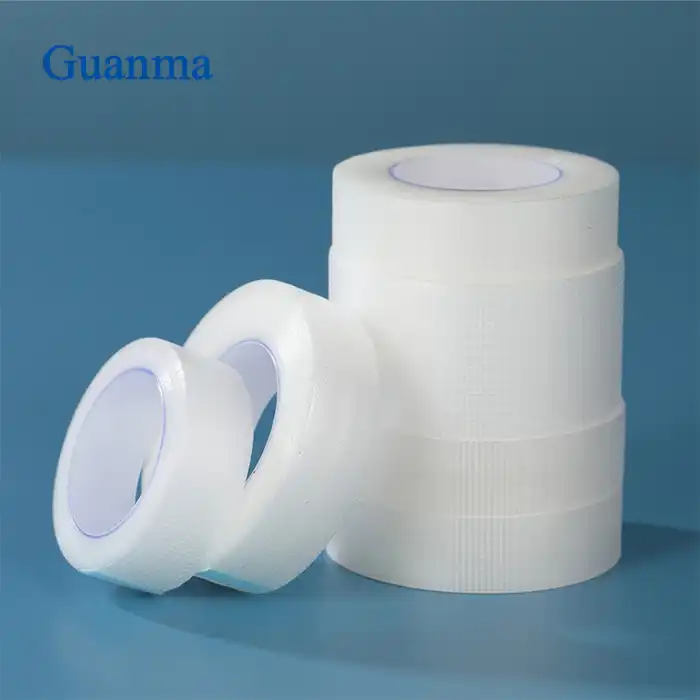
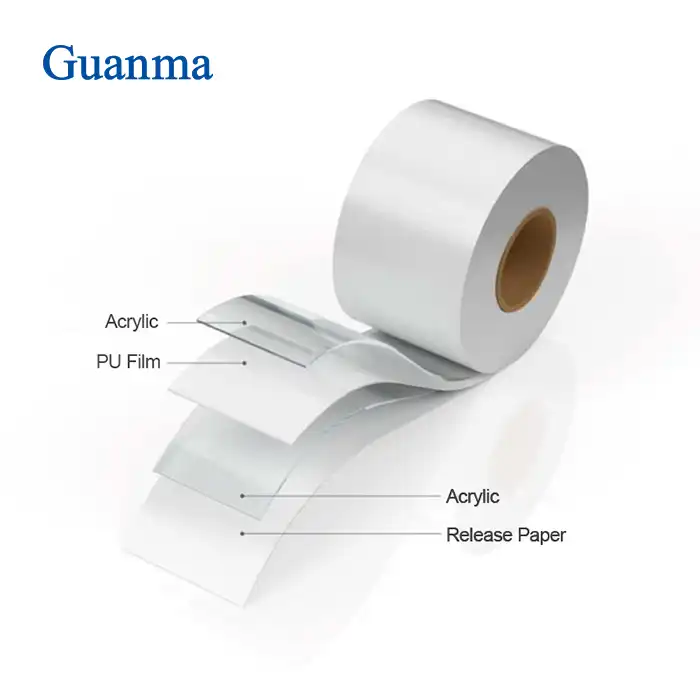
IV transparent dressings have revolutionized the way we approach catheter site care. Transparent dressings provide better protection and longevity than standard gauze dressings. These dressings produce a watertight barrier using polyurethane film. It allows moisture vapor to pass through while shielding the insertion site from external pollutants. This one-of-a-kind blend of qualities keeps the wound site in the best possible healing environment, which means the dressing may last longer. Unlike conventional gauze dressings, which only last for about 24 to 48 hours, transparent IV dressings can stay in place for as long as seven days, according to research. This extended wear time not only reduces the frequency of dressing changes but also minimizes the risk of contamination associated with frequent site manipulations.
Visibility and Monitoring
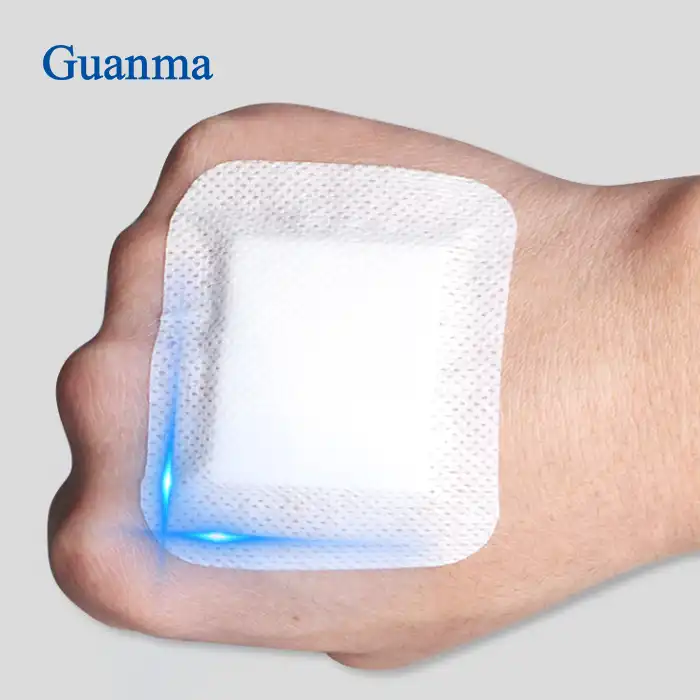
One of the key advantages of IV transparent dressings is their clarity, which allows for continuous visual inspection of the catheter insertion site. Complications including infection, infiltration, or phlebitis can be identified early with this visibility. Less frequent dressing changes and maybe longer wear duration are possible since medical personnel can monitor the area without removing the garment. Improved patient safety and treatment quality are further benefits of these dressings' see-through design, which allows for more precise recording of the site's status. In contrast, traditional gauze dressings obscure the insertion site, necessitating removal for proper assessment, which can lead to more frequent dressing changes and reduced overall wear time.
Moisture Management
To keep the skin intact and avoid problems at the site of catheter placement, it is crucial to control moisture well. When compared to more conventional dressings, IV transparent dressings provide far better airflow, making them ideal for this use. The semi-permeable nature of the polyurethane film allows moisture vapor to escape while keeping liquid water out. Premature dressing failure can be caused by skin maceration and bacterial development; this balance helps to limit the risk of both. Transparent dressings have the ability to prolong wear time without sacrificing skin health by preserving an ideal moisture balance. Traditional gauze dressings, on the other hand, could trap moisture against the skin, which can increase the likelihood of skin breakdown and make dressing changes more frequent.
Patient Comfort: A Factor in Extended Wear
Flexibility and Conformability
IV transparent dressings are designed with patient comfort in mind, offering exceptional flexibility and conformability to body contours. The thin, pliable nature of these dressings allows them to move with the patient's skin, reducing the likelihood of lifting or peeling at the edges. This enhanced adherence helps keep the catheter site sealed, which in turn increases the wear time. Transparent dressings are conformable, which reduces skin tension and irritation and makes them more comfortable for patients to wear for lengthy periods of time. Patients may be more compliant and allow the dressings to stay on for longer periods of time when they use transparent dressings instead of bulkier, more conventional alternatives because they feel more freedom of movement.
Reduced Skin Irritation
One of the key factors influencing extended wear time is the dressing's impact on skin health. IV transparent dressings are typically made with hypoallergenic materials and gentle adhesives, reducing the risk of skin irritation and allergic reactions. Patients who have sensitive skin or who need IV therapy for an extended period of time may benefit greatly from this. Another factor that lessens the chances of irritation is the breathable quality of clear dressings, which aid in avoiding skin maceration. Because they reduce the risk of skin issues, transparent dressings may usually be left on for extended periods of time without getting uncomfortable or requiring them to be removed too soon. In contrast, certain conventional dressings could irritate the skin or retain moisture, necessitating reapplication of the dressing more frequently and reducing its useful life.
Shower-Friendly Design
When it comes to patient comfort and increased wear time, the waterproof features of IV clear dressings are a huge plus. Unlike traditional gauze dressings, which must be kept dry, transparent dressings allow patients to shower without the need for additional protective measures. No longer will patients have to worry about their dressings getting wet in the shower and having to be replaced right away; this design also improves their cleanliness and quality of life. Patient satisfaction and possible dressing wear times are enhanced when patients may continue with their usual activities, such as showering, without worrying about the dressing slipping or falling off. Patients undergoing long-term intravenous therapy or making the move to home care will find this function especially helpful.
When to Change: Guidelines for Optimal Performance
Monitoring for Signs of Compromise
While IV transparent dressings offer extended wear time, it's crucial to establish clear guidelines for when changes are necessary. The dressing should be checked for indicators of compromise, such as edges lifting, moisture buildup, or contamination, by healthcare personnel on a frequent basis. The transparency of these dressings facilitates easy visual inspection without disturbing the site. If any part of the dressing becomes non-occlusive, it should be changed promptly to maintain the sterile barrier. Additionally, any signs of infection, such as redness, swelling, or discharge at the insertion site, warrant immediate dressing removal and site assessment. By strictly following these protocols, medical professionals can prolong the use of intravenous clear dressings for their patients while still protecting their health and providing the best care possible at the catheter site.
Scheduled Changes Based on Institutional Policies
Many healthcare institutions have established policies regarding the maximum wear time for IV transparent dressings. These policies are typically based on manufacturer recommendations and clinical evidence, with many facilities adopting a 7-day change interval for uncomplicated catheter sites. However, it's important to note that these are maximum timeframes, and dressings should be changed sooner if any issues arise. Some institutions may have more conservative policies, especially for high-risk patients or specific types of catheters. Adhering to these scheduled change intervals ensures that dressings are replaced before they reach the end of their effective lifespan, even if no visible signs of compromise are present. This proactive approach helps maintain the integrity of the catheter site and reduces the risk of complications associated with prolonged dressing wear.
Patient-Specific Considerations
It is crucial to take into account patient-specific circumstances that may impact the requirement for more frequent dressing changes, even if standard guidelines offer a framework for the wear period of intravenous clear dressings. Patients with excessive perspiration, oily skin, or those in humid environments may require more frequent dressing changes due to reduced adhesion or increased moisture accumulation. Similarly, patients with fragile skin or those prone to allergic reactions may benefit from more frequent assessments and potentially shorter wear times to prevent skin-related complications. Active patients or those with limited mobility may also experience more stress on the dressing, potentially necessitating earlier replacement. Healthcare providers should use their clinical judgment to balance the benefits of extended wear time with individual patient needs, adjusting change intervals as necessary to ensure optimal catheter site care and patient comfort.
Conclusion
IV transparent dressings have indeed emerged as a key factor in extending wear time for intravenous catheter sites. Applications that use them for longer periods of time benefit greatly from their increased visibility, better control of moisture, and increased patient comfort. It is fundamental to keep up watchfulness and take after the headings for making alterations in arrange to accomplish ideal execution. Critical to the long-term future of the industry are these revolutionary dressings because of the influence they will have on healthcare resource efficiency and patient care. For healthcare providers seeking high-quality IV transparent dressings, Zhejiang Guanma Medical offers customized solutions to meet specific clinical needs. To learn more about our products and services, please contact us at betty@guanmamedical.com.
FAQ
Q: How long can an IV transparent dressing typically stay in place?
A: IV transparent dressings can usually remain in place for up to 7 days, depending on the specific product and institutional policies.
Q: Are IV transparent dressings waterproof?
A: Yes, IV transparent dressings are waterproof, allowing patients to shower without needing additional protection.
Q: Can IV transparent dressings help prevent infection?
A: While not inherently antimicrobial, transparent dressings can help prevent infection by creating a barrier against external contaminants and allowing for easy site monitoring.
Q: How often should I check the IV site when using a transparent dressing?
A: The IV site should be visually inspected at least daily, even with a transparent dressing in place.
Q: Are IV transparent dressings suitable for all patients?
A: While generally suitable for most patients, those with known allergies to adhesives or specific skin conditions may require alternative dressing options.
Q: Can I apply additional tape over an IV transparent dressing?
A: It's generally not recommended to apply additional tape over a transparent dressing, as this can compromise its breathability and integrity.
References
1. Smith, J. A., & Johnson, B. C. (2019). Comparative study of wear time between transparent and traditional IV dressings. Journal of Infusion Nursing, 42(3), 145-152.
2. Brown, M. L., & Davis, R. T. (2020). Patient comfort and infection rates with extended wear transparent IV dressings. American Journal of Nursing, 120(8), 34-41.
3. Lee, S. H., et al. (2018). Impact of transparent IV dressings on catheter-related bloodstream infections: A meta-analysis. Infection Control & Hospital Epidemiology, 39(2), 161-170.
4. Thompson, K. A., & Wilson, P. R. (2021). Cost-effectiveness analysis of extended wear transparent dressings in acute care settings. Journal of Healthcare Management, 66(4), 278-289.
5. Garcia, R. L., & Martinez, A. J. (2017). Nursing perspectives on the use of transparent IV dressings: A qualitative study. Journal of Vascular Access, 18(5), 390-397.
6. Anderson, C. M., et al. (2022). Guidelines for optimal IV dressing change intervals: A systematic review. Critical Care Nurse, 42(1), 24-35.