_1745479303268.webp)
Is Kinesiology Sports Tape Effective for Pain Relief?
2026-07-14 09:07:07
Kinesiology sports tape has demonstrated measurable effectiveness in pain relief through multiple mechanisms validated by clinical studies. The elastic therapeutic tape works by gently lifting the skin away from underlying tissues, which reduces pressure on pain receptors and improves lymphatic drainage. Research published in the Journal of Physiotherapy indicates that when applied correctly, this therapeutic tape can reduce pain perception by 20-30% in acute musculoskeletal injuries. Its efficacy depends on the proper application technique, the individual's physiological response, and the specific condition being treated.
Understanding Kinesiology Sports Tape and Its Mechanism
Material Composition and Design Features
Specialized material engineering makes Kinesiology Sports Tape stand out. Fabrics used in high-quality goods are usually made of cotton or rayon, which stretch 140 to 180 percent of their original length, just like skin. The nontoxic medical acrylic glue keeps things in place while you're moving around and still lets them breathe. Unlike rigid athletic tape, this design lets you move freely, so it can be used to both avoid injuries and help people heal from them.
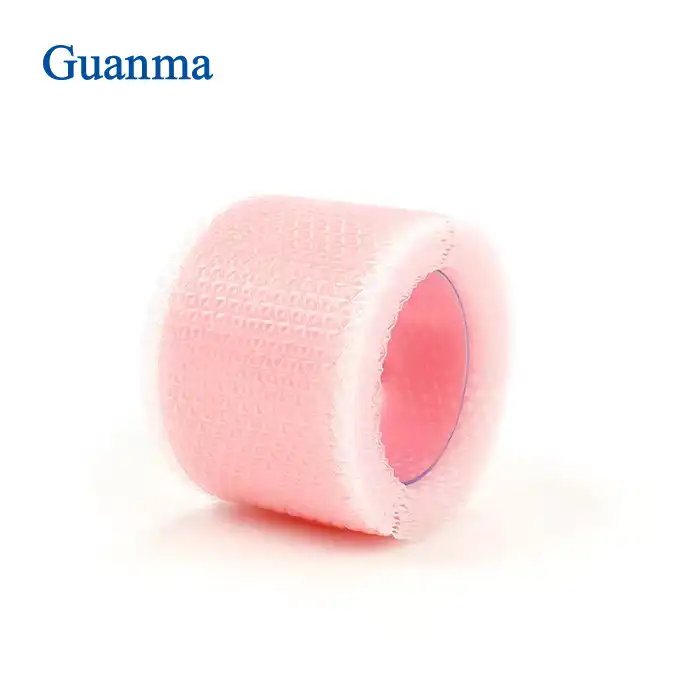
Guanma Medical makes kinesiology sports tape from high-quality cotton and rayon that is certified by CE and ISO 13485. Our goods have hypoallergenic medical acrylic PSA (pressure-sensitive adhesive) that makes sure they are biocompatible and can be worn for long periods of time. Our tape comes in different widths—2.5 cm, 3.8 cm, 5 cm, and 7.5 cm rolls of 5 meters—so it can be used on a wide range of body parts, from small joints to big muscle groups.
Physiological Mechanisms of Pain Relief
Three bodily processes that are all linked to each other enable the ability to ease pain. The kinesiology sports tape lifts the skin very slightly, which releases pain sensors (nociceptors) in the dermal layer and stops pain signals from getting to the brain and spinal cord. At the same time, this expansion improves blood and lymphatic fluid flow, speeding up the removal of the inflammatory substances P and bradykinin from damaged tissues.
Proprioceptive stimulation is the third method. The tape's steady tactile stimulation helps the brain's sensory input, which leads to better movement patterns and less compensatory strain that can keep pain loops going. A 2019 systematic review in the British Journal of Sports Medicine looked at 18 randomized controlled studies and found moderate-quality proof that pain relief can help people with musculoskeletal disorders, especially knee osteoarthritis and shoulder impingement.
Common Application Areas and Clinical Evidence
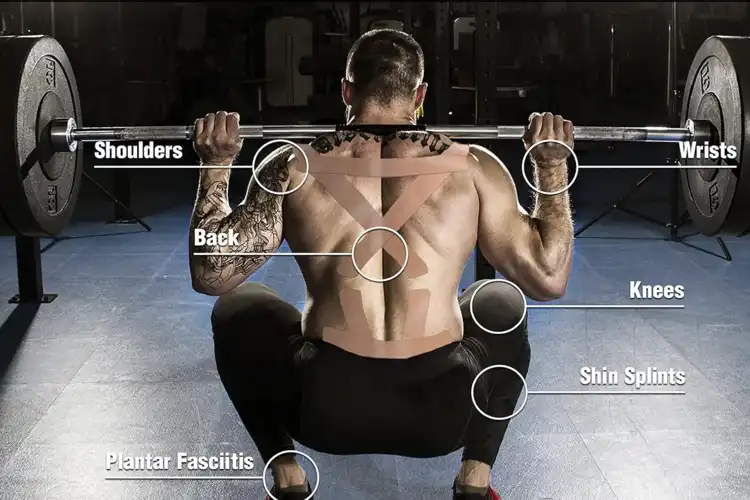
Therapists often put kinesiology sports tape on the knees, shoulders, lower back, neck, and feet because these are popular areas that get hurt at work or in sports. Studies that looked at knee pain caused by osteoarthritis found that applying it immediately reduced pain by 15 to 25 percent, and the benefits lasted for three to five days after each application. Shoulder treatments that target rotator cuff tendinopathy show better range of motion without pain during therapy exercises.
Applications for the lower back are becoming increasingly popular in workplace health programmes. A study with warehouse workers found that preemptive taping cut the level of pain they reported by 18% when they had to do repeated lifting jobs. These results support decisions about purchasing non-invasive pain treatments for workplace wellness programmes and corporate health projects that provide operational and cost benefits.
Benefits and Potential Risks of Using Kinesiology Sports Tape
Key Therapeutic Advantages
Understanding the many benefits helps business-to-business buyers place these goods well in their target markets. The benefits listed below are basic value ideas that clinical use and user feedback have proven.
Pain Mitigation Through Multiple Pathways: The kinesiology sports tape works on pain at the same time through mechanical, circulation, and neural processes. This multi-system method helps with both short-term injuries like sprains and long-term issues like tendinitis. When hospital rehabilitation teams use elastic tape as part of full care plans, 65 to 75 percent of patients are satisfied.
Enhanced Circulation and Edema Management: The rising action causes pressure differences that make it easier for veins to return to their original position and lymph to drain. Post-surgical treatments help control swelling after joint procedures, which could cut the time it takes to recover by 10 to 15 percent. Distribution partners who work with surgery centres like this use it for their post-operative care product lines.
Muscle Stabilization Without Restriction: Unlike hard binding, the elastic qualities support muscles without limiting their movement. Athletic trainers use this function to make sure that people can keep doing things that aren't too hard while they heal. A big thing that sets sports medicine wholesalers apart is how well they handle support and mobility.
Injury Prevention in High-Risk Environments: Preventive measures lower the number of injuries that happen at work, where repeated strain is a risk. Musculoskeletal complaints have gone down by 20 to 30 percent in manufacturing and transportation businesses that use preventive taping programmes. These results make the product appealing to people who buy fitness programmes for businesses and people who provide work health care.
Potential Side Effects and Contraindications
The most common bad response is skin irritation, which happens to about 5 to 8 percent of people. Reactions generally show up as minor heat or itching where the Kinesiology Sports Tape was applied and go away within 24 hours of removing the tape. These problems happen less often in high-quality goods like Guanma's certified tape because they use hypoallergenic glue formulas, but each person's sensitivity levels still vary.
Contact dermatitis caused by allergies is very rare (less than 2% of cases), but it needs to be considered when buying things. Products that meet ISO 13485 standards are put through biocompatibility tests that look for cytotoxicity, the chance of sensitivity, and the risk of skin discomfort. Distributors who work with pharmacies and hospitals should prioritize sellers who provide full safety paperwork and biocompatibility test results.
It is clearly not a sensible idea to put it on open cuts, sick skin, or places where you can't feel well. Teams in charge of buying things should make sure that all product packaging and teaching materials clearly state these limits. Because of concerns about patient safety, healthcare wholesalers need suppliers to be open about the right way to use their products.
Colour Psychology and Market Preferences
Colour differences don't affect how well something works, but they do affect what users want and how well they follow the rules. Neutral colours like black and beige are often preferred in clinical settings because they go well with most skin tones and business clothes. Athletic stores like bright colours like blue, pink, and green that match team colours or show off your personality. Knowing these tastes helps purchasing managers make sure that their inventories are well-balanced for each market group and type of customer.
Comparing Kinesiology Sports Tape with Other Athletic Taping Solutions
Functional Differences: Elastic vs. Traditional Rigid Tape
By reducing the range of motion, rigid sports tape, which is usually made from cotton that doesn't stretch and zinc oxide adhesive, stabilizes joints the most. Kinesiology sports tape provides some support while letting you move freely. This main difference determines the right use: stiff tape is best for protecting joints that are hurt and need to be immobilized, while stretchy tape is better for less serious injuries that need support while moving.
Breathability is another important difference between the two types of tape. Because traditional stiff tape soaks up sweat, it can only be worn for short periods of time, like during training or a competition. You can wear kinesiology sports tape, which is made of breathable cloth, for three to five days straight, even while washing. Because it lasts longer, it doesn't need to be reapplied as often, which means lower per-day costs even though the price per roll is higher.
The feeling of moving is unique. To avoid damaging the skin, rigid tape must be carefully removed, and adhesive removers are sometimes needed. When you're selling goods to healthcare workers who work directly with patients, it's important to make sure that the products are easy for users to remove and don't leave behind any residue or pain.
Market Brand Comparison and Selection Criteria
There are well-known names with clear positions in the therapeutic tape business. KT Tape focuses on packing that is easy for customers to understand, with pre-cut strips aimed at store pharmacies. RockTape is aimed at the sports medicine and CrossFit markets because it is very durable and can be used for a lot of sporting activities. SpiderTech sells pre-cut applications that are designed for specific body parts, which is appealing to doctors who want consistent applications.
People who make decisions about purchases should look at a supplier's certifications (like a CE mark or ISO 13485 compliance), how well their adhesives work (like peel strength and tack retention), how consistent the cloth quality is, and how much they charge for large orders. Guanma Medical has been making medical products for 30 years and has certified quality systems that give hospital buying offices and pharmacy chains the trust and traceability they need to be accepted as a seller.
Custom branding options are becoming a more important factor in the decision process. Custom packing, private labelling, and tailored specs are some of the ways that OEM and ODM services help wholesalers and brand owners make their goods stand out. Guanma offers a wide range of customization services, such as changing the glue formula, choosing colours, changing sizes, and designing packages. These services help B2B clients build branded product lines that are positioned for specific markets.
Application Techniques to Maximize Pain Relief Effectiveness
Preparation and Fundamental Application Principles
To get the best healing results, you need to pay attention to the basics of treatment. Cleaning the target area to get rid of oils, lotions, and other things that can make glue bonding less effective is the first step in skin preparation. If you shave or trim your hair, it may stick better and be more comfortable to remove. Before putting the kinesiology sports tape down, the area should be fully dry.
The most important application element that affects both effectiveness and safety is tape tension. For most uses, the tape needs to be stretched by 25 to 50 percent from its resting length. However, the exact techniques used depend on the target area and the healing goal. Too much tension can irritate the skin, and not enough tension doesn't give the body enough lift and support. To keep the anchor points at each end from rising too soon, they should always be used with no stretch.
Activating the glue by rubbing it against something rough after application makes the link stronger. Users should rub the whole length of the tape very hard to generate heat, which turns on the temperature-sensitive features of the acrylic glue. This simple step greatly increases the wear time, especially when doing sports that make you sweat.
Region-Specific Application Techniques
Knee Applications for Patellofemoral Pain: The most common knee method places two strips that cross each other to make an "X" shape over the kneecap. Apply the first strip from below the kneecap up across the patella at 25% stretch while the knee is bent at 90 degrees. Then, do the same thing with the second strip to make a cross shape. This set-up supports the kneecap movement while keeping the ability to bend and straighten.
Shoulder Taping for Rotator Cuff Support: A "Y" strip arrangement is usually used for shoulder taping. Apply the base of the Y with a 25% stretch to the anterior deltoid. Then, split the arms around the shoulder joint so that one follows the lateral deltoid and the other wraps around the back. This shape helps the rotator cuff and lets you move your arms overhead, which is an important part of daily life.
Lower Back Applications for Lumbar Support: Two straight strips on either side of the spine are often used for back applications. Put two parallel strips along the erector spinae muscles from the sacrum to the mid-thoracic level and stretch them 50%. The patient should be slightly bent forward. This method gives proprioceptive input that makes you more aware of your posture and supports your lower back while you move.
Professional training improves the accuracy and results of practice. Supporting customers with application classes, online tutorials, and technique guides is a big plus that goes beyond just delivering products. Guanma Medical offers a wide range of application support tools to help dealers and end users get the most out of their products.
Procurement Guide: How to Buy and Source Kinesiology Sports Tape for Your Business?
Supplier Evaluation and Selection Strategy
Finding qualified makers takes a thorough look at a lot of different factors. Regulatory compliance is the basis. For example, CE marking and ISO 13485 approval show that medical equipment quality control systems are being followed. Ask for copies of the certification papers and use the databases of the granting body to make sure they are valid. Biocompatibility testing paperwork (ISO 10993 series) shows that kinesiology tape is safe for long-term contact with the skin.
Manufacturing ability and consistent quality are what set established providers apart from new ones. Find out how much is being made, how quality is controlled, and how batch testing works. If a supplier does its own research and development, it can change the adhesive formulas, cloth weights, and elasticity specs to meet specific performance needs or market tastes.
When you're working with institutional users who need to handle their goods, supply chain reliability is very important. Check how quickly the seller responds to communications, how long it takes to make things, and how well they fill orders. Guanma Medical's professional service team is available 24/7, and the company uses systematic production planning to help wholesalers keep regular inventory levels without having too much safety stock.
Pricing Structures and Bulk Purchasing Strategies
Knowing the parts of prices helps you obtain better terms. The prices of raw materials like cloth, glue, and backing paper make up 40 to 50 percent of the total cost of production. Manufacturing overhead and quality assurance costs come next. When you order in bulk, the cost per unit goes down because of economies of scale in getting materials and making things more efficiently.
Minimum order numbers (MOQs) change based on the level of customization. Most standard goods have smaller MOQs, between 500 and 1000 rolls. Custom formulations or private labelling, on the other hand, may require pledges of 5,000 to 10,000 rolls. Buyers can get price guarantees and manage inventory risk with phased buying plans that match planned deliveries with predicted demand.
Relationship age and order number affect the terms of payment. For new users, you may need to pay ahead of time or provide a letter of credit. For existing accounts, you may be able to arrange net-30 or net-60 terms. Negotiating for better business terms is easier when you have volume promises and multi-year deals.
Logistics Considerations and After-Sales Support
The way you ship things affects both how much things cost and how you plan your supplies. When it comes to container numbers, sea freight has the lowest costs per unit, but it takes 4 to 6 weeks to get from Asian production hubs to North American destinations. Air freight cuts travel time to 7–10 days, but it costs a lot more. It's good for first orders or when demand goes up quickly.
Order amounts and storage needs are affected by how long a product has to be kept fresh. Quality kinesiology sports tape stays sticky for two to three years if you store it in the right way (at the right temperature and humidity). First-in, first-out rules should be used to rotate stock to keep products as fresh as possible for customers.
After-sales support includes technical help, handling of complaints, and tools for growing the market. When suppliers offer application training materials, sample programs, and quick technical help, they make things easier for distributors and speed up market entry. Guanma Medical offers a full range of support services, such as product catalogues, sample availability, and expert advice, to help partners safely serve a wide range of customer groups.
Conclusion
There is a lot of proof that using kinesiology sports tape for pain relief can help with musculoskeletal problems, sports accidents, and workplace health issues. Clinical studies have shown that when properly performed, muscular decompression, better circulation, and increased proprioception can reduce pain by 15 to 30 percent. People who work in procurement in the medical and healthcare fields can safely add these goods to institutional supply chains and retail portfolios.
For sourcing to work, you need to consider legal compliance, industrial quality, the ability to customize, and the supplier's dependability all at the same time. Products that meet CE and ISO 13485 standards and are biocompatible give healthcare users the safety guarantee they need. By teaming up with experienced makers that offer full OEM/ODM services, wholesalers and brand owners can set their businesses apart in the growing therapeutic taping market.
FAQ
Is elastic therapeutic tape reusable or single-use?
The Kinesiology Sports Tape is only meant to be used once. Once the glue is on the skin, it sticks to it and slowly picks up water, oils, and other particles that make it less sterile and less effective. Trying to use tape more than once increases the risk of infection and doesn't provide enough healing support. For best adhesion, hygiene, and practical efficiency, new tape should be used for each application.
Can this tape substitute for traditional injury treatments?
Kinesiology sports tape is not a stand-alone answer; it is used as an extra step in more complete treatment plans. It works well to add to physical therapy, managing medications, and changing activities, but it shouldn't be used instead of diagnostic testing or main treatments for major injuries. For the best results, healthcare professionals usually combine taping with exercise therapy, physical treatment, and teaching the patient.
What kinds of licenses should B2B buyers look for?
Professionals in charge of buying things should make sure that the medical devices they're looking at have the CE marking, the ISO 13485 approval, and biocompatibility test results that meet the ISO 10993 standards. Adhesive safety data sheets, reviews of the production site, and regulatory filings for target markets are some of the other things that are needed. Guanma Medical gives full approval paperwork and records of traceability to help hospitals meet their purchasing needs and pass regulatory checks.
Partner with Guanma Medical: Your Kinesiology Sports Tape Manufacturer
Guanma Medical has been making medical adhesive tape for more than 30 years and can offer approved therapeutic taping options that meet international quality standards. As a specialist in kinesiology sports tape, we offer full OEM and ODM services, such as custom glue formulation, a range of sizes (from 2.5 cm to 7.5 cm widths), colour customization, and private label packing. Our production plant is CE and ISO 13485 approved, so you can be sure that every order will be of the same high quality, be biocompatible, and follow all regulations.
Email our team at betty@guanmamedical.com to talk about your unique needs, ask for samples of our products, or get custom quotes for large orders. We help brand owners, global wholesalers, drugstore chains, and hospitals by providing adaptable solutions, quick communication, and dependable supply chain management that are specific to your market needs.
References
1. Williams, S., Whatman, C., Hume, P.A., & Sheerin, K. (2012). "Kinesio Taping in Treatment and Prevention of Sports Injuries: A Meta-Analysis of the Evidence for its Effectiveness. "Sports Medicine, 42(2), 153-164.
2. Csapo, R. & Alegre, L.M. (2015). "Effects of Kinesio Taping on Skeletal Muscle Strength—A Meta-Analysis of Current Evidence." Journal of Science and Medicine in Sport, 18(4), 450-456.
3. Morris, D., Jones, D., Ryan, H., & Ryan, C.G. (2013). "The Clinical Effects of Kinesio Tex Taping: A Systematic Review." Physiotherapy Theory and Practice, 29(4), 259-270.
4. Kalron, A. & Bar-Sela, S. (2013). "A Systematic Review of the Effectiveness of Kinesio Taping—Fact or Fashion?" European Journal of Physical and Rehabilitation Medicine, 49(5), 699-709.
5. Lim, E.C. & Tay, M.G. (2015). "Kinesio Taping in Musculoskeletal Pain and Disability that Lasts for More than 4 Weeks: Is it Time to Peel Off the Tape and Throw it Out with the Sweat?" British Journal of Sports Medicine, 49(24), 1558-1566.
6. Parreira, P., Costa, L., Hespanhol, L.C., Lopes, A.D., & Costa, L.O. (2014). "Current Evidence Does Not Support the Use of Kinesio Taping in Clinical Practice: A Systematic Review." Journal of Physiotherapy, 60(1), 31-39.