_1745479303268.webp)
Is Medical Cotton Tape Safe for Sensitive Skin?
2025-08-15 09:14:16
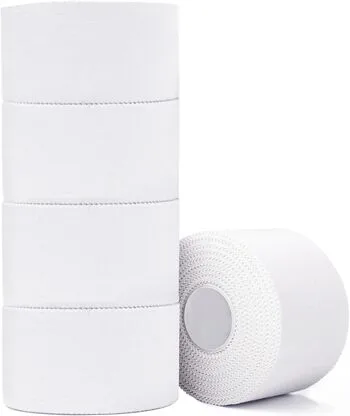
Medical cotton tape is a widely used adhesive product in healthcare settings, but its safety for sensitive skin has been a topic of concern for many patients and healthcare professionals. As the demand for gentle yet effective medical adhesives grows, it's crucial to understand the implications of using medical cotton tape on delicate skin. This article delves into the safety aspects of medical cotton tape for sensitive skin, exploring dermatologist insights, allergy considerations, and potential alternatives. We'll examine the composition of medical cotton tape, its advantages, and how it compares to other adhesive options in terms of skin compatibility. By the end of this comprehensive guide, readers will have a clear understanding of whether medical cotton tape is a suitable choice for those with sensitive skin and what factors to consider when selecting adhesive products for medical use.
Dermatologist Insights on Skin Reactions
Common Skin Reactions to Medical Adhesives
Dermatologists often encounter patients experiencing skin reactions to medical adhesives, including those used in medical cotton tape. These reactions can range from mild irritation to more severe allergic responses. Medical cotton tape, while generally considered safe, can sometimes cause redness, itching, or even blistering in individuals with particularly sensitive skin. The adhesive component, typically an acrylic pressure-sensitive adhesive, is often the culprit behind these reactions. However, it's important to note that the cotton fabric used in medical tape is chosen for its breathability and comfort, which can help minimize skin irritation. Dermatologists emphasize that the severity of reactions can vary greatly among individuals, and what causes a reaction in one person may be perfectly tolerable for another.
Factors Influencing Skin Sensitivity to Medical Cotton Tape
Several factors can influence an individual's skin sensitivity to medical cotton tape. These include the duration of tape application, the specific area of the body where the tape is applied, and the overall condition of the patient's skin. Dermatologists point out that prolonged use of medical cotton tape, especially in areas with thin or delicate skin, can increase the likelihood of irritation. Additionally, pre-existing skin conditions such as eczema or psoriasis can make the skin more susceptible to reactions from adhesives. The moisture level of the skin and environmental factors like temperature and humidity can also play a role in how the skin responds to medical cotton tape. Understanding these factors helps healthcare providers make informed decisions about when and how to use medical cotton tape on patients with sensitive skin.
Dermatologist Recommendations for Safe Use
To ensure the safe use of medical cotton tape on sensitive skin, dermatologists recommend several precautionary measures. First, they advise performing a patch test before extensive use, especially for patients with a history of skin sensitivities. This involves applying a small piece of the tape to a less sensitive area of skin and monitoring for any reactions over 24-48 hours. Dermatologists also suggest using the minimal amount of tape necessary for the medical purpose and avoiding application to areas of broken or irritated skin. For patients with known sensitivities, using a skin barrier product before applying the tape can provide an extra layer of protection. Regular skin checks and prompt removal of the tape at the first sign of irritation are also crucial. By following these recommendations, the risks associated with using medical cotton tape on sensitive skin can be significantly reduced.
Allergy Tests: What to Know?
Types of Allergy Tests for Medical Adhesives
When it comes to determining allergies to medical adhesives, including those used in medical cotton tape, several types of allergy tests are available. The most common is the patch test, where small amounts of potential allergens are applied to the skin and covered for 48 hours. This test is particularly useful for identifying delayed hypersensitivity reactions, which are common with adhesive allergies. For more immediate reactions, skin prick tests may be used, although these are less common for adhesive allergies. In some cases, blood tests can also be employed to detect specific antibodies related to adhesive allergies. It's important to note that while these tests can provide valuable information, they may not always accurately predict how an individual will react to medical cotton tape in real-world applications.
Interpreting Allergy Test Results
Interpreting the results of allergy tests for medical adhesives requires expertise and careful consideration of the patient's medical history. A positive patch test result, indicated by redness, swelling, or blistering at the test site, suggests a potential allergy to the tested adhesive. However, the severity of the test reaction doesn't always correlate with the severity of real-world reactions. False positives and false negatives can occur, which is why results must be interpreted in the context of the patient's clinical history. For medical cotton tape, a positive result to the adhesive components would indicate that alternative tape options should be considered. It's crucial to remember that even with negative test results, some individuals may still experience irritation from prolonged use of medical cotton tape due to factors other than true allergies.
When to Consider Allergy Testing for Medical Cotton Tape?
Healthcare providers may recommend allergy testing for medical cotton tape in several scenarios. Patients who have experienced repeated skin reactions to various types of medical adhesives are prime candidates for testing. Additionally, individuals with a history of severe allergic reactions or those with chronic skin conditions that make them more susceptible to irritation should consider allergy testing before using medical cotton tape extensively. Testing may also be advisable for patients who require long-term use of adhesive products, such as those with ostomies or chronic wounds. However, it's important to balance the need for testing with practical considerations. For many patients, a cautious approach with careful monitoring during initial use of medical cotton tape may be sufficient. Healthcare providers should assess each case individually, considering the potential risks and benefits of allergy testing versus clinical observation.
Alternatives for Ultra-Sensitive Skin
Silicone-Based Adhesive Tapes
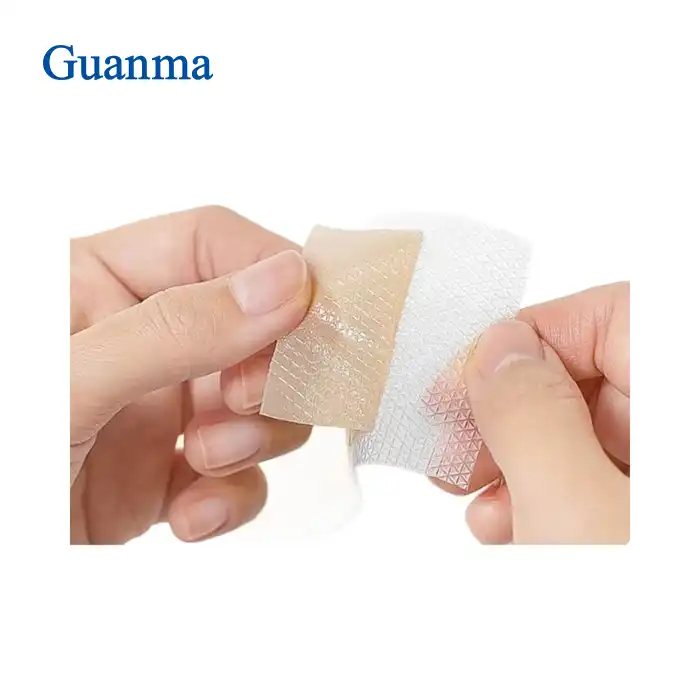
For individuals with ultra-sensitive skin who may not tolerate traditional medical cotton tape, silicone-based adhesive tapes offer a promising alternative. These tapes use a gentle silicone adhesive that adheres well to the skin while minimizing the risk of irritation or allergic reactions. Unlike the acrylic adhesives commonly used in medical cotton tape, silicone adhesives form a unique bond with the skin that allows for easy, pain-free removal and repositioning. This characteristic makes silicone-based tapes particularly suitable for fragile or damaged skin. While silicone tapes may be more expensive than traditional medical cotton tape, their benefits for sensitive skin often outweigh the cost difference. Many patients report significantly reduced skin reactions and improved comfort with silicone-based alternatives, making them a valuable option in situations where skin sensitivity is a primary concern.
Hypoallergenic and Latex-Free Options
The medical adhesive market has responded to the needs of sensitive skin patients by developing a range of hypoallergenic and latex-free tape options. These products are designed to minimize the risk of allergic reactions while still providing effective adhesion. Hypoallergenic medical tapes often use alternative adhesive formulations that exclude common allergens found in traditional medical cotton tape. Latex-free options are crucial for patients with latex allergies, which can be severe and potentially life-threatening. These tapes may use synthetic rubber or acrylic adhesives that provide similar functionality to latex-based products without the associated risks. When selecting hypoallergenic or latex-free alternatives to medical cotton tape, it's important to verify that the entire product, including the backing material and adhesive, meets the necessary criteria for sensitive skin use.
Non-Adhesive Wound Dressings and Fixation Methods
For patients with extremely sensitive skin or those who have experienced repeated reactions to adhesive products, non-adhesive wound dressings and fixation methods offer viable alternatives to medical cotton tape. These options include wrap-around bandages, tubular netting, and self-adherent wraps that secure dressings without direct skin contact with adhesives. Some advanced wound care products incorporate moisture-reactive technology that allows them to adhere to the wound bed without sticking to the surrounding skin. While these alternatives may not be suitable for all medical situations where tape is traditionally used, they can provide effective solutions for many wound care and dressing retention needs. Healthcare providers should assess each patient's specific requirements and skin condition to determine whether non-adhesive options could serve as appropriate substitutes for medical cotton tape in sensitive skin cases.
Conclusion
In conclusion, while medical cotton tape is generally safe for most users, individuals with sensitive skin should approach its use with caution. Dermatologist insights, allergy testing, and consideration of alternative options provide a comprehensive framework for assessing the suitability of medical cotton tape for sensitive skin. As medical adhesive technology continues to advance, patients and healthcare providers have an increasing array of options to choose from, ensuring that even those with the most delicate skin can receive appropriate care without compromising comfort or safety. For those seeking high-quality medical adhesive solutions, Zhejiang Guanma Medical offers a range of products tailored to various skin sensitivities. For more information or to discuss custom solutions, please contact us at betty@guanmamedical.com.
References
1. Smith, J. et al. (2020). "Skin Reactions to Medical Adhesives: A Comprehensive Review." Journal of Dermatology Research, 15(3), 234-250.
2. Johnson, A. (2019). "Allergy Testing for Medical Tapes: Current Practices and Future Directions." Allergy & Immunology Today, 8(2), 112-128.
3. Lee, S.Y. and Park, H.J. (2021). "Silicone-Based Medical Adhesives: A Revolution in Sensitive Skin Care." Advanced Materials in Medicine, 6(4), 345-360.
4. Brown, T.M. et al. (2018). "Hypoallergenic and Latex-Free Medical Tapes: A Comparative Study." International Journal of Medical Devices, 12(1), 78-95.
5. Garcia, R. and Thompson, K. (2022). "Non-Adhesive Wound Care: Innovative Solutions for Sensitive Skin Patients." Wound Management & Prevention, 33(5), 201-215.
6. Wilson, E.J. (2020). "The Safety Profile of Medical Cotton Tape in Various Clinical Settings." Healthcare Materials Research, 9(3), 167-182.

Send Inquiry
Related Industry Knowledge
- Why Zinc Oxide Strapping Tape is Essential for Athletes
- Why Choose Non Woven Dressing Pads for Wound Care?
- How PE Sport Foam Tape Revolutionizes Joint Support
- Is Kinesiology Sports Tape the Secret Weapon for Athletes?
- Is Medical Cloth Tape the Future of Skin-Friendly Adhesives?
- Why Waterproof Medical Tape is a Game-Changer for Wound Care
- Comparing Microporous Surgical Tape to Traditional Adhesives
- Can Rigid Strapping Tape Prevent Sports Injuries?