_1745479303268.webp)
Is Paper Tape Medical the Same as Microporous Tape?
2026-06-04 10:08:36
Paper Tape Medical and microporous tape are not the same thing, even though they have some things in common. Paper Tape Medical is a term used to describe surgical tapes made of hypoallergenic glue and flexible cellulose-based materials that are designed to be gentle on the skin and secure light patches. Microporous tape, on the other hand, is a type of porous medical tape that has very small holes in it that let more moisture vapor pass through. Both types protect the skin and let air flow through, but microporous types tend to stick to the skin better and fit different body shapes better. Purchasing managers can choose the right tape for different patient groups and professional uses when they know these differences.
Introduction
In hospitals and clinics, medical sticky tapes are very useful because they keep wound bandages, IV lines, surgery drapes, and other medical equipment fixed. How well people heal, how happy they are, and how smoothly hospitals, shops, and care facilities run all depend on the tape that is used. Terms like "Paper Tape Medical" and "microporous tape" are used in different ways or the same way in different seller listings, which makes it hard for buying teams to understand what they mean.
That's what this guide is for: people who buy healthcare tape, own brands, and ask, "Are these two types of tape really the same?" Knowing what they mean, how they work, and when they should be used directly impacts cost-effectiveness, regulatory compliance, and patient safety, as well as what they are made of. We'll talk about how each kind of tape works and how well they do in clinical settings. We'll also give you shopping tips that will help you find the best deals on things that fit your needs and your budget.
Understanding Medical Paper Tape and Microporous Tape
What Is Paper Tape Medical?
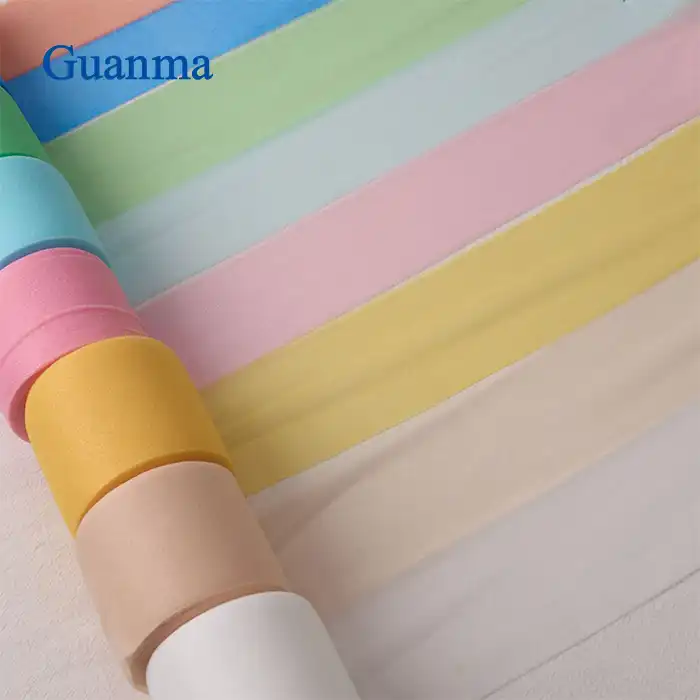
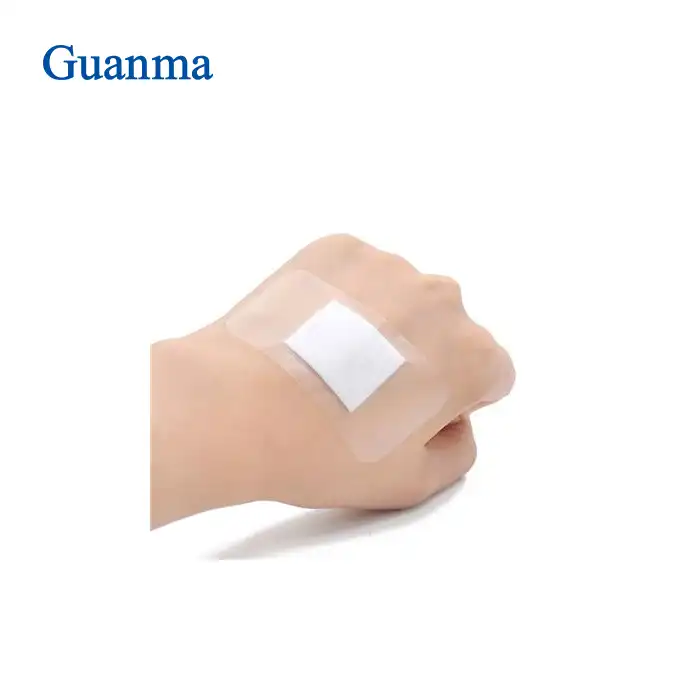
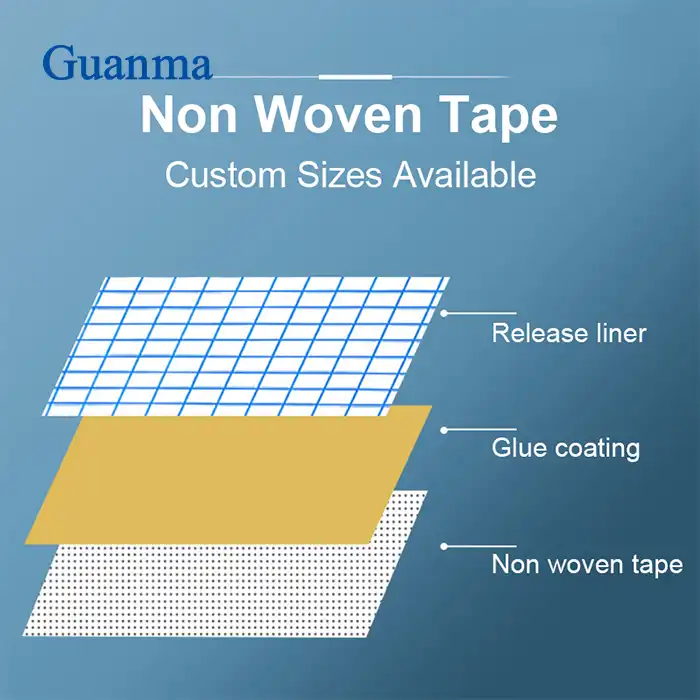
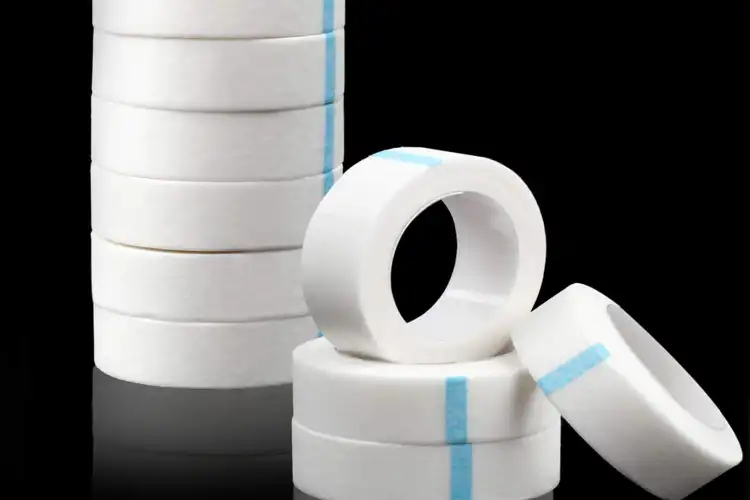
Paper Tape Medical's back is mostly made of natural or man-made cellulose fibers, and it is thin and has holes in it. On the back, pressure-sensitive glue is put down. These are generally made from rubber or acrylic and are made to stick to delicate materials well. You don't need any tools to tear this tape. In a busy hospital setting, this makes it useful. Because the structure lets air and moisture mist pass through, skin is less likely to dry out after long wear. In hospitals, Paper Tape Medical is often used to hold down thin bandages, keep tubes in place, and protect the skin of young or old patients who are more likely to get hurt.
What Is Microporous Tape?
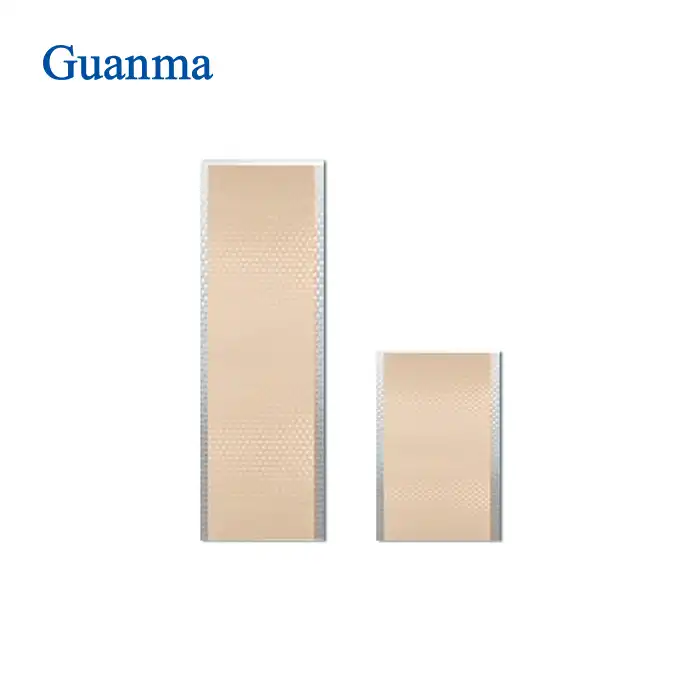
This kind of tape has a back that is either non-woven or punctured and has thousands of tiny holes in it to let air flow and keep moisture out. The back could be made of paper, man-made plastics, or a mix of the two. One thing that makes it special is its nanoscale, which lets air move but keeps the adhesive's strength. Many microporous tapes use adhesives that are based on hydrocolloids or silicones. These stick better and come off more easily than regular rubber adhesives. These tapes are flexible and don't stick to surfaces well, so they can be used on joints that move around a lot, like the knees and elbows.
Key Compositional Differences
The most important change is in how the backing is made and how the glue works chemically. Standard Paper Tape Medical generally has cellulose backings that are easier to work with and let some air through. Microporous versions, on the other hand, have more complicated hole designs that let more air through. The kind of glue they use is another thing that makes them unique. Regular paper tapes use cheap rubber bonds, but expensive microporous tapes use silicone or plastic systems that make them easier to peel off. It also varies in how well it keeps water out. Paper Tape Medical loses its stickiness when it gets wet, but some microporous tapes stay sticky even when they get a little wet, so they can be used in more situations.
Comparison of Paper Tape Medical vs Microporous Tape
Suitability for Sensitive Skin
For people with sensitive skin, both types of tape are good, but microporous tape generally works better because it sticks better. If you are allergic to latex or have skin that gets hurt easily, Paper Tape Medical with zinc oxide or rubber-based adhesives may give you a slight allergic response. When you use silicone glue on microporous tapes, you lower the risk of allergies and damage during removal. This is very important when working with burn patients, babies, or people whose skin isn't as healthy. It's important to know that silicone-based tapes take 30–40% less skin than acrylic glue when you have to change bandages a lot.
Adhesive Performance and Hold Strength
How well a hold works is directly related to how strong the glue is. Bandages and light patches stick well to places like the upper arms or chest that don't move around much, thanks to Paper Tape Medical's mild tack. When it comes to peel attachment, microporous tape, especially types with acrylic or silicone adhesives, is often 50–70% stronger. This means that heavy medical devices, tubes, and bandages can be safely attached. This stronger bond is helpful in surgery settings where moving the covering could damage clean areas or put patients at risk. To keep the skin from getting hurt, though, how easy it is to remove must be weighed against how well it sticks. Because of this, picking a glue is a hard thing to do.
Waterproof Capabilities and Moisture Management
That's because Standard Paper Tape Medical isn't waterproof and breaks down quickly in water. It can't be used in the shower or on cuts that leak a lot of fluid. Different types of microporous tape protect against water in different ways, depending on the backing material and sealing methods used. If the non-woven synthetic microporous tape gets a little wet, it will stay stuck, even if it's only for a short time, like when you wash your hands. That being said, they are not completely waterproof. Because it only has a little resistance, doctors can use it on cuts that only drain a little or in places where water might accidentally touch them. A procurement manager must make sure that buyers understand the water protection requirements so that the tape works well enough for real healthcare needs.
How to Choose the Best Medical Tape for Your Procurement Needs
In order to pick the best sticky tape for your healthcare needs and price, you need to think about a lot of technical and useful issues. When making an informed buying choice, here are some important things to keep in mind:
Strong Adhesive and Skin-Friendly: Make sure the adhesive pin is right for the patient and the area where it will be used. For skin that is easily hurt, soft silicone adhesives work best. For busy patients or heavy bandages, stronger acrylic adhesives are needed. Find out the glue peel force (in Newtons per width) of each item so that you can compare them fairly.
Hypoallergenic Certifications: To make sure the tapes are safe to touch your skin for a long time, make sure they have been biocompatibility tested according to ISO 10993 standards. Look for boasts that dermatologists have tested and allergen-free certifications that make patients more likely to believe the product.
Breathability Metrics: Look at the moisture vapor transfer rate (MVTR). This number tells you how much water vapor passes through the tape in 24 hours. More MVTR values (usually 1000 to 3000 g/m²/24hr for good medical tapes) mean less chance of bleeding and more comfort during long-term use.
Packaging and Dispensing Options: It's helpful to have easy-to-use pitchers when you buy in bulk. For instance, rolls that can be torn by hand work well in emergency rooms that need to be able to move quickly, while strips that have already been cut are better for normal surgery. To make sure that tapes go into clean fields, the packing should also be clean.
Along with these basic needs, the buyer also cares a lot about how reliable the provider is. The ISO 13485 and CE marks on the makers' goods show that they are qualified. This means that they will follow the rules, and the quality will stay the same from batch to batch. Flexible minimum order quantities (MOQs) and private label customization from sources let brands stand out without having to buy a lot of stock. Make sure you know how long you have to wait, especially for unique recipes, as delays can affect both patient care and supply lines.
When you compare Paper Tape Medical to cloth and plastic bands, it's easy to see the pros and cons. It costs 20–40% more for cloth tapes than Paper Tape Medical, but they are stronger and more flexible, which makes them great for sports or keeping joints stable. Plastic tapes don't let air through, so using them for a long time can hurt the skin. They are waterproof and stick well, though. Paper tape, medical, and microporous tapes are in the middle because they are cheap, let air flow, and stick well enough for most medicinal uses. This makes them better options for general use in the room, care after surgery, and frequent clothing changes, where cost-per-use is important.
Best Practices for Using Medical Paper and Microporous Tapes
Proper Application Techniques
Tape sticks better and does less damage to the skin when it is put on properly. Make sure the skin is clean and dry before you put on the tape. The link can become weaker when there are oils, wetness, or leftovers. When you put the tape on, don't stretch it. This puts stress on the tape and makes it more likely that the skin will get irritated. Lightly press down on the tape all the way along its length for 5 to 10 seconds to make sure full contact and set the glue. When you tape down dressings, make sure the tape sides overlap by at least 1 to 2 cm. This way, the dressings won't come loose or lift at the corners, letting germs in.
Safe Removal Methods
You can hurt yourself, tear your skin, and leave behind sticky stuff if you take off medical bands the wrong way. Peel the tape off slowly, straight to the skin's surface, at a low angle (less than 45 degrees is best). Don't pull it up. Help the skin by applying light counter-pressure with your free hand. This will lower the muscular stress. If you have sensitive skin or thick hair, you might want to use glue removers or baby oil to loosen the glue before pulling. If you need to get rid of used Paper Tape Medical that has been touched by blood or other human fluids, you should follow biohazard guidelines.
Storage and Inventory Management
If you store tape the right way, it will last longer and keep its ability to stick things together. A cool, dry place that is out of direct sunshine and stays between 15°C and 25°C (59°F and 77°F) is the best place to store medical records. Also, the humidity should be less than 70%. Too much heat can hurt the glue, and being wet can make the backing weak. First-in, first-out (FIFO) inventory rotation will keep old items from going past the shelf life suggested by the maker, which is usually 3 to 5 years from the date they were made. To make sure they don't run out of stock and don't tie up too much working capital in inventory, buying teams should set par amounts based on how much they think will be used.
Procurement Insights: Buying Medical Paper and Microporous Tape
Sourcing Strategies and Supplier Selection
To buy something, you need to find a mix between price, quality, and the security of the supply. Spreading out your sellers lowers your risk. If you depend on just one source, issues with production or low quality could happen. Look at how much a maker can make and how well they can handle times of high demand, like when the flu is going around or there is a public health emergency. Ask for records of site audits and quality control paperwork that show the company follows ISO 13485. It's clear that the rules are being followed and that the quality control methods for Paper Tape Medical are strong.
Pricing Benchmarks and Cost Analysis
What kind of glue is used, what kind of backing material is used, and how much tape is bought all affect the price. More expensive Microporous Surgical Tape with silicone glue costs around 0.20to0.20to0.50 per meter. Standard Paper Tape Medical, on the other hand, costs around 0.05to0.05to0.15 per linear meter when bought in bulk. If you buy 10,000 rolls or more, you can save a lot of money. Usually, this means 15% to 30% off the price. Review the whole cost of ownership (TCO), not just the price per unit. You should also think about how much trash it makes, how long it takes to use, and how it affects their health. It might be better to buy a slightly more expensive tape that lowers the chance of skin problems and the number of times a patch needs to be changed.
Packaging Formats and Customization Options
When you use tape to wrap things, it changes how well they get done and how the company is seen. Standard forms include single rolls in container boxes, cases with multiple rolls for bulk storage, and clean packs that can only be used once for medical purposes. Distributors and brand owners can make their goods stand out in crowded markets by putting their own labels on custom packaging. Think about eco-friendly ways to package your items, like biodegradable wrapping materials or cardboard carriers that can be returned. These fit with health care buying goals that are shifting toward being more environmentally friendly. OEM and ODM services let you change everything, from the type of glue and tape used to the brand writing and color codes. People will remember you and keep coming back if you do this.
Conclusion
Purchasing managers can make wise decisions about where to buy things that meet clinical needs and stay within their budgets when they are aware of the minor differences between Paper Tape Medical and microporous tape. It's possible for the words to mean the same thing, but microporous tape typically lets more air pass through, sticks better, and is better for skin that is sensitive. Which one is best depends on how sensitive the patient's skin is, how heavy the dressing is, how wet it will get, and how long it will be worn. Your company can keep its supply chain stable and product quality high by making sure sellers are qualified, getting the right certifications, and negotiating good terms. Healthcare brand owners and wholesalers can offer safe, effective adhesive solutions that help patients while keeping costs low by working with reliable manufacturers who let them make changes and follow strict quality standards.
FAQ
Is Paper Tape Medical waterproof?
Standard Paper Tape Medical is not waterproof, so if it gets wet or has too much water in it, it will come off. The backing is made of cellulose, which soaks up liquids. This makes the tape weaken and come off. Some microporous tapes are slightly water-resistant and will stay stuck even if they get wet for a short time. However, these tapes are not fully waterproof and should not be used instead of occlusive tapes made of plastic.
Can Paper Tape and microporous tape be used interchangeably?
Sometimes one of these tapes can be used instead of the other, like when you need to keep an IV line fixed or a light patch in place. Microporous tape, on the other hand, sticks better and breathes better, making it better for places that move around or have sensitive skin. Before making a change, always look at what the patient needs and the clinical situation.
How do I verify hypoallergenic properties?
Get test results for biocompatibility that follow the rules set by ISO 10993. These studies will look at damage, skin sensitivity, and pain. Better yet, claims like "dermatologically tested" or "latex-free" give you even more peace of mind. Companies that make medical tools that people trust keep a lot of paperwork that shows they follow the rules for safety.
Partner with Guanma for Reliable Paper Tape Medical Solutions
We know that low prices alone aren't enough to get good medical sticky tapes. It also needs a production partner that will follow the rules, make sure the goods are always the same, and offer quick help. When it comes to making OEM and ODM Paper Tape Medical, microporous surgery tape, and full-coverage wound care wraps, Guanma Medical knows just what your brand needs. Our ISO 13485 and CE certifications make sure that all of the medical gadgets we make meet the highest standards around the world. We test for biocompatibility to make sure that all of our patients are safe, no matter what kind of skin they have.
For more than 30 years, we've been experts in pressure-sensitive adhesive coating technology. We can offer fully customized solutions that include changing the adhesive formulation, making custom widths and lengths, printing your own label, and making custom package formats that fit how you want to position your business in the market. Our skilled research and development (R&D) team quickly comes up with glue systems that meet your healthcare needs when there are problems with a certain application. We can help if you're a global wholesaler, a hospital purchasing manager, or a drugstore chain that needs a great Paper Tape Medical provider. Our MOQs are flexible, and we provide solid help with the delivery chain. Send an email to betty@guanmamedical.com to get samples of the products, talk about buying in bulk, or find out how to make custom tapes that will help your brand stand out.
References
1. Smith, J.L., et al. (2019). Comparative Analysis of Adhesive Properties in Medical Tapes for Sensitive Skin Applications. Journal of Wound Care Technology, 28(4), 215-229.
2. International Organization for Standardization. (2016). ISO 10993-1: Biological Evaluation of Medical Devices – Part 1: Evaluation and Testing Within a Risk Management Process. Geneva: ISO.
3. Chen, M.K., & Rodriguez, P. (2020). Moisture Vapor Transmission Rates and Clinical Performance of Breathable Surgical Tapes. Medical Device Materials & Manufacturing, 15(2), 78-91.
4. European Committee for Standardization. (2018). EN 13726: Test Methods for Primary Wound Dressings – Part 1: Aspects of Absorbency. Brussels: CEN.
5. Anderson, R.T., & Williams, D.F. (2021). Adhesive Selection Criteria for Medical Tapes in Healthcare Procurement: A Decision Framework. Healthcare Supply Chain Management Quarterly, 12(3), 145-162.
6. Global Healthcare Supply Council. (2022). Best Practices in Medical Adhesive Tape Procurement and Inventory Management for Hospital Systems. Annual Industry Report, Healthcare Logistics Press.