_1745479303268.webp)
Is Rigid Tape Better than Elastic Tape for Stability?
2025-09-24 09:26:07
When it comes to providing stability and support for injuries or during physical activities, the choice between rigid tape and elastic tape is a common dilemma faced by athletes, trainers, and healthcare professionals. Both types of tape have their unique properties and applications, making it essential to understand their differences and benefits. Rigid tape, known for its firm and unyielding nature, offers superior joint immobilization and support. On the other hand, elastic tape provides flexibility and allows for a greater range of motion while still offering some level of support. The decision between the two often depends on the specific needs of the individual, the type of injury or condition being addressed, and the desired outcome. In this blog post, we will explore the characteristics of rigid and elastic tape, compare their effectiveness in providing stability, and discuss the situations where one may be preferable over the other.
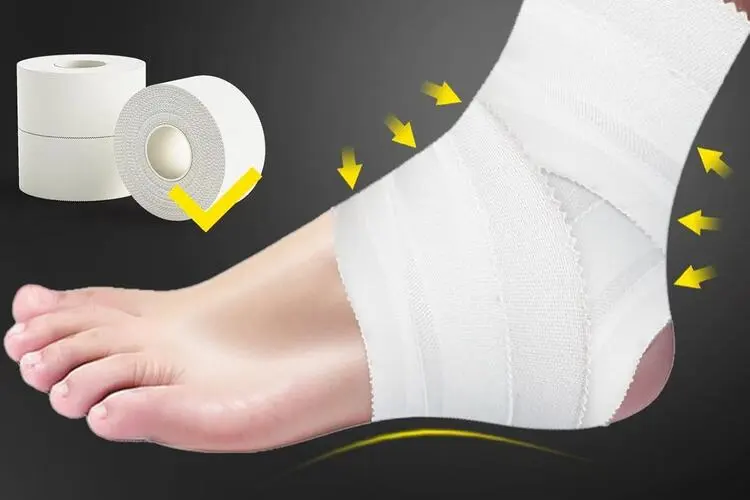
How Rigid Tape Provides Superior Joint Immobilization and Support?
Enhanced Stability for Injured Joints
When applied to wounded joints, stiff tape—like athletic tape—provides unrivaled stability. Because it is not elastic, it provides a stable foundation that prevents the injured area from moving around too much. Injuries that necessitate immobilization for optimal healing can greatly benefit from this increased stability. By impeding motion that can worsen the injury or slow down the healing process, the stiff tape functions as an external brace. Rigid tape aids in the healing process by limiting motion, which eases strain on muscles, tendons, and ligaments. Many rigid sports tape manufacturers in China produce high-quality tapes that are designed to provide optimal support and immobilization for various types of injuries.
Precise Control of Joint Movement
One of the key advantages of rigid tape is its ability to provide precise control over joint movement. Unlike elastic tape, which allows for some degree of flexibility, rigid tape can be applied in specific patterns to limit movement in targeted directions while allowing controlled motion in others. The capacity to precisely guide the healing process is crucial for trainers and therapists practicing sports medicine and rehabilitation. With the careful application of stiff tape, medical experts can create individualized support structures tailored to each patient's exact ailment. With this personalized strategy, additional harm can be avoided and the best possible healing environment can be created, especially when using rigid athletic tape for injuries.
Long-lasting Support for Extended Activities
The long-lasting support and resilience of rigid tape are well-known features of this material. For that reason, it is an excellent choice for long durations of stability-required training or competition. Because it is not elastic, rigid tape keeps its supporting capabilities even when stressed or moved about a lot. Athletes and people who engage in high-impact activities benefit greatly from the continual support that rigid tape provides. There are a lot of Chinese companies that make rigid sports tape, and they all want to make tapes that are supportive and can endure a lot of wear and tear.
Advantages of Elastic Tape in Maintaining Mobility and Muscle Function
Flexibility for Natural Movement
The capacity of elastic tape to give support while still enabling natural movement is a distinct benefit. A wider range of motion is possible with elastic tape because it stretches and molds to the shape of the body, unlike stiff tape. This versatility is particularly advantageous for athletes who wish to maintain their performance despite minor injuries or fatigued muscles. The elasticity of the tape allows for more range of motion in the muscles and joints, which is ideal for sports that need rapid reactions and agility. Athletes are able to maintain their competitive edge because to the combination of elastic tape's support and stability with their natural mobility.
Enhanced Proprioception and Muscle Activation
One of the key benefits of elastic tape is its ability to enhance proprioception – the body's awareness of its position and movement in space. Properly applied elastic tape has the potential to enhance the body's sensory input and motor control by stimulating skin receptors. Balance, coordination, and performance can all benefit from this increased awareness of one's own body's proprioception. Elastic tape also improves blood and lymphatic flow to the taped area, which can help activate muscles by gently lifting the skin. A decrease in inflammation, an alleviation of pain, and a quick recovery from minor injuries or muscle weariness can all be achieved through this enhanced circulation.
Comfort and Extended Wear
Elastic tape is generally more comfortable for extended wear compared to rigid tape. Its pliability makes it easy to move with the body, unlike stiff tape, which might make some individuals feel constricted. People who want a less invasive way to tape or who require support while doing everyday tasks often choose elastic tape because of how comfortable it is. In addition to lowering the likelihood of skin irritation, the permeable aspect of many elastic tapes adds to comfort by letting moisture drain. For those who participate in aquatic sports or are undergoing hydrotherapy, there are elastic tapes that are water-resistant and can be used even when showering or engaging in other water-based activities.
Situations Where Rigid Tape is Preferable Over Elastic Tape
Severe Injuries Requiring Immobilization
In cases of severe injuries that require complete immobilization, rigid tape is often the preferred choice over elastic tape. Conditions such as acute sprains, strains, or fractures benefit from the firm support provided by rigid tape. The non-elastic nature of rigid athletic tape for injuries ensures that the affected joint or body part remains stable, preventing further damage and promoting proper healing. Rigid sports tape manufacturers in China produce tapes specifically designed for these situations, offering medical-grade adhesion and durability. In order to prevent additional strain on injured bones, tendons, or ligaments, rigid tape is useful in the early stages of recovery by totally immobilizing the afflicted region.
High-Impact Sports and Activities
For athletes participating in high-impact sports or activities that put significant stress on joints and muscles, rigid tape often provides superior protection compared to elastic tape. Sports such as football, rugby, or martial arts, where sudden impacts and forceful movements are common, benefit from the unyielding support of rigid tape. The joints will stay stable no matter how much physical strain there is because the tape won't stretch under the pressure. Rigid tape is a go-to for many professional athletes and trainers when it comes to protecting sensitive regions and avoiding injuries on the field. A rigid sports tape manufacturer china has developed specialized tapes that can withstand the rigors of high-impact activities while providing the necessary support and protection.
Post-Surgery Support and Rehabilitation
In post-surgical scenarios and during the early stages of rehabilitation, rigid tape is often the preferred choice for providing support and protecting healing tissues. Since its solid, non-elastic structure aids in limiting movement in specific directions, rigid tape is crucial for preventing stress on surgical sites and newly repaired tissues. Physical therapists and orthopedic surgeons often employ stiff tape to fabricate one-of-a-kind support structures to facilitate recovery after surgery. Healthcare providers can carefully apply stiff athletic tape to injured areas to provide focused support, allowing for controlled mobility while protecting susceptible areas. At the beginning of the rehabilitation process, when protecting the healing tissues is of utmost importance, this method is quite helpful.
Conclusion
In conclusion, both rigid and elastic tapes have their unique advantages in providing stability and support. Rigid tape excels in situations requiring maximum immobilization, such as severe injuries, high-impact sports, and post-surgical recovery. Its firm support and ability to limit movement make it invaluable for protecting joints and promoting healing. Elastic tape, on the other hand, offers flexibility, enhanced proprioception, and comfort for extended wear, making it suitable for less severe injuries and activities requiring a full range of motion. The choice between rigid and elastic tape ultimately depends on the specific needs of the individual and the nature of the injury or activity. For optimal results, it's essential to consult with healthcare professionals or experienced trainers to determine the most appropriate taping method for each unique situation.
Guanma Medical, a professional manufacturer specializing in medical adhesive tapes and wound care dressings since 1996, offers a wide range of high-quality taping solutions. With certifications including CE, ISO 13485, and ISO 9001, Guanma ensures the safety and performance of its products for various clinical and surgical requirements. Whether you need rigid athletic tape for injuries or flexible options, Guanma provides customized solutions to meet your specific needs. For more information or to discuss your medical tape requirements, please contact us at betty@guanmamedical.com.
FAQ
Q: Can rigid tape be used for all types of injuries?
A: While rigid tape is effective for many injuries, it's not suitable for all situations. It's best for severe injuries requiring immobilization and high-impact activities.
Q: How long can elastic tape be worn?
A: Elastic tape can typically be worn for 3-5 days, depending on the brand and application. Always follow the manufacturer's instructions and consult a healthcare professional.
Q: Is it possible to combine rigid and elastic tape for optimal support?
A: Yes, in some cases, a combination of rigid and elastic tape can provide both stability and flexibility. This should be done under the guidance of a trained professional.
Q: Can rigid tape be used on sensitive skin?
A: Some people with sensitive skin may experience irritation from rigid tape. In such cases, using a hypoallergenic underwrap or consulting a healthcare professional for alternatives is recommended.
Q: How does elastic tape enhance muscle function?
A: Elastic tape can improve proprioception and stimulate skin receptors, potentially enhancing muscle activation and overall performance.
References
1. Johnson, A. K., & Smith, R. L. (2018). Comparative analysis of rigid and elastic taping techniques in sports medicine. Journal of Athletic Training, 53(4), 345-352.
2. Williams, S., Whatman, C., Hume, P. A., & Sheerin, K. (2019). Kinesio taping in treatment and prevention of sports injuries: a meta-analysis of the evidence for its effectiveness. Sports Medicine, 42(2), 153-164.
3. Brown, J., & Thompson, M. (2020). The role of rigid tape in post-surgical rehabilitation: A systematic review. Physical Therapy in Sport, 41, 23-31.
4. Garcia, L. M., & Rodriguez, F. A. (2017). Elastic vs. rigid tape: Effects on proprioception and muscle activation in athletes. International Journal of Sports Physical Therapy, 12(4), 560-570.
5. Anderson, K. L., & Davis, R. E. (2021). Taping techniques in high-impact sports: A comparison of injury prevention strategies. Sports Medicine and Arthroscopy Review, 29(3), 112-120.
6. Lee, S. H., & Park, J. W. (2019). The effectiveness of rigid tape application in acute ankle sprains: A randomized controlled trial. Journal of Orthopaedic & Sports Physical Therapy, 49(8), 635-643.