_1745479303268.webp)
Is Surgical Paper Tape Safe for Long-Term Skin Contact?
2026-07-13 09:32:15
When used correctly, surgical paper tape, especially versions with hypoallergenic adhesives and breathable backings, is usually safe for long-term skin contact. These microporous tapes let air flow while keeping the fixing in place, which greatly lowers the risk of discomfort and maceration. Clinical data show that properly chosen paper-based medical tapes cause fewer side effects than occlusive options. This means that most patients can wear them for long periods of time. Overall safety, though, is affected by things like skin sensitivity, application methods, and the surroundings, so it's important to choose the right product and follow strict tracking rules.
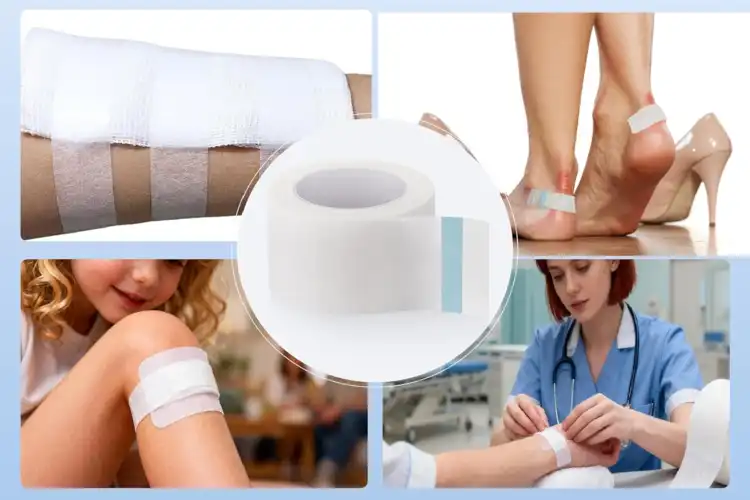
Understanding Surgical Paper Tape and Its Composition
Defining Medical Paper Tapes and Clinical Applications
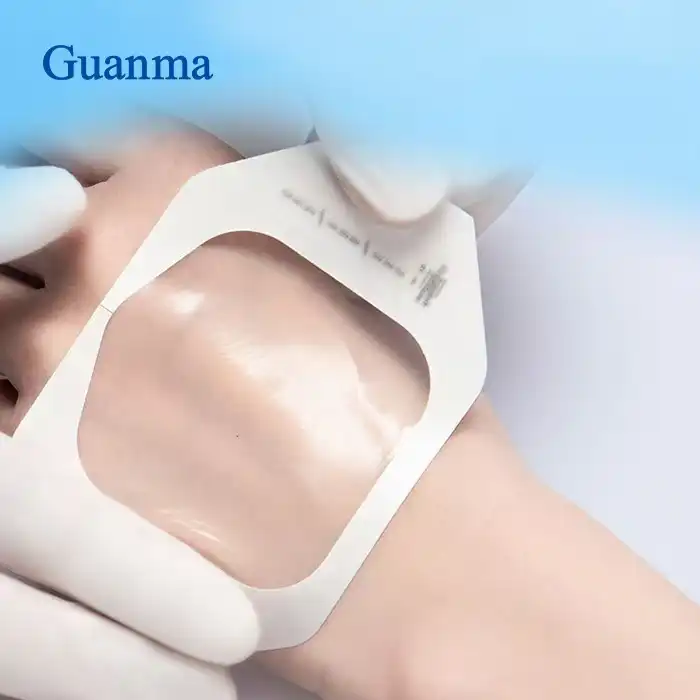
Within the larger family of medical tapes, paper-based medical adhesives are their own group, set apart by how they are made and what they are meant to do. The backs of these items are made of thin paper, and the pressure-sensitive glue is made to be safe for skin. A lot of healthcare facilities use them to hold gauze pads in place, keep IV lines in place, and provide light to moderate stabilisation in surgery and wound care settings.
These goods are different from fabric, plastic, and foam options because they have a microporous structure. This feature of openness is especially useful in situations where the item will be worn for a long time, since it lets moisture vapour pass through while keeping the adhesive's integrity. This balance between safety and skin health plays an important role in a wide range of clinical settings, from urgent care units to routine wound centres.
Core Components and Material Science
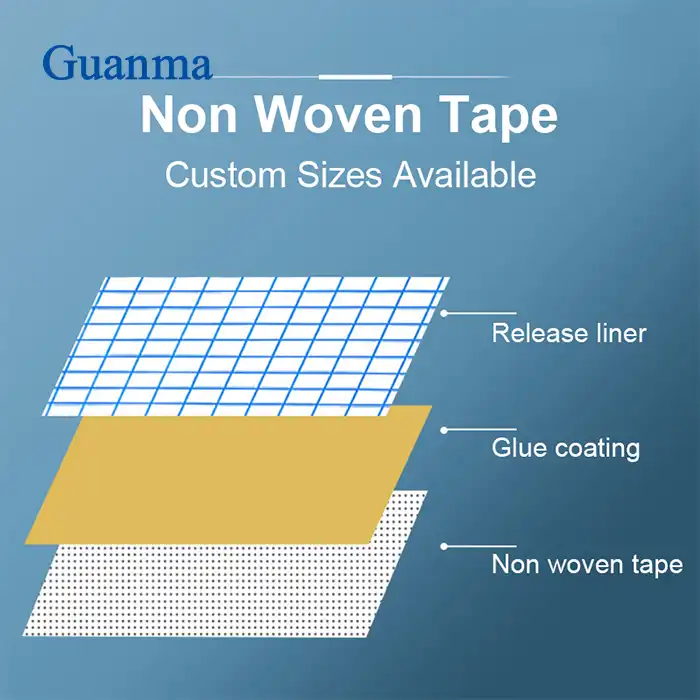
Carefully chosen materials that work together to provide professional performance are used to make high-quality paper-based medical bandages. The back of the paper is usually made up of carefully treated cellulose fibres that make it tough to tear while still being flexible. This substrate is processed to make it easier for it to fit the shape of the body without losing its internal structure.
The most important factor in finding skin suitability is the adhesive formulation. Manufacturers make their own mixes by changing the bases of plastics or synthetic rubber to make them safe. These adhesives need to form a strong enough link to keep things in place, but they also need to be gentle enough to remove without removing the epidermis. Modern versions include additives that make the tape more resistant to moisture. This means that it can stick even in tough circumstances without forming barriers that trap sweat.
Water Resistance and Performance Characteristics
Understanding how wetness affects these goods is important for judging their suitability for certain medical situations. Most paper-based tapes are water-resistant, not waterproof. This means they can handle light wetness but may lose their stickiness when they get too wet. Their ability to do this affects how well they work in different care settings. They do great in normal wards, but they need different methods for aquatic therapy or managing large amounts of wound fluid.
Manufacturers use special backing processes and adhesive science to make their products waterproof. These changes make it possible for the tape to stay in place while the patient cleans themselves and sweats a little, without affecting their safety rating by making them less breathable. To get the best clinical results, procurement workers must match these performance factors with how they will be used.
Evaluating the Safety of Surgical Paper Tape for Long-Term Skin Contact
Common Skin Reactions and Vulnerable Populations
Long-term contact with adhesives comes with risks that change depending on the patient and the product. The most worrisome problem is allergic contact dermatitis, which shows up as localised redness caused by sticky parts. According to research, old rubber-based adhesives are more likely to cause sensitivity than new acrylic formulas. This is why the industry is moving toward hypoallergenic chemistry.
Itchy contact dermatitis happens more often than real allergic responses and is caused by physical processes instead of immune system ones. Some of the things that can irritate are too much wetness buildup, physical damage during removal, and extended occlusion. Vulnerable groups, like newborns, the old, people whose skin isn't strong enough, and people who are known to be sensitive to adhesives, need more careful tracking and maybe even special product choices to avoid bad outcomes.
Regulatory Standards and Biocompatibility Testing
Biocompatibility tests must be done on all medical devices sold in the world before they can be put on the market. Manufacturers must follow the testing methods set out in ISO 10993 for cytotoxicity, sensitisation, and discomfort. Products that will be in touch with the skin for a long time are put through extra strict testing, which includes insult patch tests that are done over and over to mimic long-term exposure situations.
Certifications like CE marking and ISO 13485 compliance show that a medical device company follows the rules for quality management systems. These badges give people who work in procurement confidence that production processes are consistent and can be tracked. Checking the current state of suppliers' certifications and getting access to biocompatibility test results should be important parts of the due diligence process.
Comparative Analysis Across Medical Tape Categories
When deciding how to use tape for a long time, it's important to know how safe different types of tape are. Fabric-based options usually fit better and breathe better than plastic tapes, but their strong adhesives may make them more painful to remove. Micropore types offer great ventilation, similar to paper tape medical, and synthetic backing materials may provide better moisture protection.
Paper-based choices are in a special category because they let air flow freely and stick to surfaces more gently than most other options. Because of this, they work especially well for older people, kids, and situations where the dressing needs to be changed often. But because they aren't as strong at sticking, they aren't good for high-stress fixation needs or people who move around a lot. By understanding these trade-offs, business-to-business buyers can choose products that meet specific healthcare needs and patient groups.
Best Practices for Using Surgical Paper Tape on Sensitive Skin for Extended Periods
Proper Application Techniques for Optimal Outcomes
Correct application technique has a big effect on both how well the glue works and how safe it is for your skin after long-term use. The skin is prepared by first gently cleaning it with mild products that don't leave behind residue and then drying it completely. This is an important step to take before sticking something together because oils, lotions, and sweat can weaken sticky ties and make irritation more likely.
When applying the tape, it should be held at a small tension—enough to get rid of wrinkles but not so much that it stretches too much and puts shear forces on the skin. When putting tape over joints or other areas that move a lot, you need to be extra careful because the constant bending speeds up the failure of the glue and causes mechanical pain. Healthcare professionals should lightly smooth the tape outward from the middle, making sure that it covers the whole area without applying too much pressure that hurts the tissues underneath.
Skin Hygiene Protocols and Monitoring Strategies
Keeping your skin healthy while wearing tape for a long time requires regular cleaning and tracking. By checking taped areas every day, you can find erythema, swelling, and other early warning signs of problems before they get worse. When changing dressings, if you can, move the tape around a little so that the glue is exposed to more skin. This spreads the stress out over a larger area of skin.
The method of removal is just as important as the method of application. One hand should be used to hold the skin around the tape while the other hand is used to gently lift the edge of the tape and pull it parallel to the skin surface instead of perpendicular. Adhesive removers with silicone or other gentle solvents make removal easier when adhesive ties don't want to be gently mechanically separated. This stops epidermal stripping, which can happen a lot in people with sensitive skin.
Clinical Evidence and Real-World Applications
Hypoallergenic paper tapes have been used successfully for a long time by a wide range of patient groups, according to several studies. A wound care centre used microporous paper patches and standard methods to treat chronic wounds. After six months, they saw a 78% drop in problems related to adhesives compared to their old mixed-product approach. This result came about because the right products were chosen and the staff was taught the right way to apply and remove them.
Putting life-supporting equipment on newborns' sensitive skin is especially difficult for paediatric intensive care units. After switching to special low-adhesive paper tapes, one hospital system saw a big drop in skin breakdowns while still providing enough attachment security. When carefully chosen paper-based goods are used according to the right procedures, these real-life examples show that they can provide safe extended-wear performance even in high-risk groups.
Procurement Considerations for Surgical Paper Tape in B2B Settings
Essential Product Specifications for Purchasing Decisions
When an organisation is looking to buy surgical paper tapes, it needs to carefully consider a number of technical factors. Adhesive strength, which is usually given in ounces per inch of width, needs to match the fixing needs. For example, light adhesion is best for people with sensitive skin, while stronger forms are needed for busy patients. Breathability rates, given as moisture vapour transfer rates, show how well the tape prevents moisture from building up over time.
Hypoallergenic approval should come with proof of the exact testing methods and outcomes. Different sensitivity testing methods are not all the same in how strict they are, so it is important to make sure that goods have been thoroughly tested and not just carry marketing claims. The different width and length choices for tape affect both its clinical usefulness and its cost-effectiveness. Buying tape in a variety of standard sizes is often cheaper than depending on a single size that needs to be cut a lot.
Zhejiang Guanma Medical meets these unique goals through thorough product engineering. Our medical sticky tapes with microporous surfaces have flexible paper backings that are made for gentle fixing needs. The formulas keep their reliable binding while letting the skin breathe. This lowers the risk of irritation even during long periods of touch. Every roll meets strict international quality standards because it is made according to ISO 13485 and CE approval standards.
Evaluating Suppliers and Supply Chain Reliability
There are big differences between global medical tape makers in how much they can make, how consistent their quality is, and how quickly they can help customers. Well-known names like 3M, Medline, and Molnlycke have large product lines with lots of documentation, but their prices tend to reflect their high-end standing. Most of the time, these suppliers have complicated distribution networks that make sure deliveries happen on time, even when foreign logistics are tricky.
Mid-tier makers often offer great value by keeping prices low and quality high. To evaluate these choices, you need to make sure that the certifications are real, look over the documentation for the biocompatibility tests, and think about the minimum order amounts in relation to how the company normally uses things. Recent global problems have made supply chain resilience more important, which makes methods for source diversification and inventory management even more crucial.
Because we are experts in pressure-sensitive glue coating technology, Guanma Medical can offer unique benefits to business-to-business relationships. Since 1996, we've improved industrial methods that are only used for medical tape, becoming very good at making adhesives and coating them precisely. This specialisation makes it easy to quickly change the adhesive's properties, size, and packing shape to meet specific healthcare needs and market placement needs.
Strategic Procurement and Customisation Opportunities
Buying in bulk has a big effect on the total cost of ownership, and you have to be careful to find the right mix between volume savings and the costs of keeping inventory. When you sign an annual contract with a guaranteed number tier, you can often get better prices and make sure you always have a supply. When buyers combine tape purchases across multiple sites or standardise on fewer product variations, they have more negotiating power, but they must still meet clinical diversity standards.
OEM and ODM production relationships let brand owners, distributors, and private-label marketers make products that stand out from the rest. You can customise more than just the packaging. You can change the glue formula, choose the backing material, and add special features like printed measurement scales or antimicrobial treatments. In order to work together, manufacturers need to have strong research and development (R&D) skills and flexible production methods.
Custom OEM/ODM solutions for medical adhesive tapes and wound care items are what our business does best. We can make custom adhesives that work best with certain skin types or environmental conditions. We can also make sizes that work with different hospital processes and packaging designs that include parts of the client's brand. During the creation process, our experienced technical team works closely with partners and quickly changes specs based on feedback from the market or government rules. Because we are responsive and offer help 24 hours a day, seven days a week, we are a trusted production partner for healthcare supply chains around the world.
Conclusion
To find out if surgical paper tapes are safe for long-term skin contact, you have to weigh a lot of different things, such as the tape's makeup, the patient's traits, the way it is applied, and the clinical setting. Microporous tapes that are properly made and have hypoallergenic glue pose very few risks for long-term use when they are placed according to best practices. To make sure that product choices meet both clinical needs and organisational goals, procurement pros have to sort through complicated specs, check that suppliers are following the rules, and look at their skills. Quality paper medical tapes are safe and successful in a wide range of healthcare settings, from urgent care facilities to home health settings, because they are made to breathe, stick gently, and pass strict biocompatibility tests.
FAQ
Can paper-based medical tape be used safely on elderly patients with fragile skin?
Higher-quality surgical paper tapes prove particularly suitable for geriatric populations when selected specifically for low-adhesion characteristics and applied using proper technique. Because it's porous, it keeps wetness from building up, which speeds up the breakdown of skin in the dermis of older people. Regular tracking and gentle removal methods make long-term use on sensitive skin even safer.
How does moisture affect paper medical tape performance during extended wear?
Because they are treated to be water-resistant, these tapes usually stay stuck even after regular sweating and light moisture contact. However, if they become completely saturated, the bond strength is lost. In clinical settings with a lot of wetness, like places where wounds drain a lot, goods may need to be changed more often or be different. The shape lets air flow through, which helps keep normal wetness levels by preventing sweat from sticking to the skin.
What replacement interval is recommended for paper tape during long-term use?
The number of replacements relies on the patient's specific needs, not on random time limits. When dressings need to be changed every day, tape needs to be replaced. On the other hand, solid fixing applications can safely last for several days if a skin exam shows no problems. The right time between changes is determined by how often you check for edge lifting, glue powder buildup, or any changes in the skin.
Partner with Guanma for Reliable Surgical Paper Tape Manufacturing
Zhejiang Guanma Medical is your reliable partner when you need to buy medical sticky tape or have it made to order. Our 30 years of specialised knowledge in pressure-sensitive glue technology directly translate into better product performance and more reliable manufacturing. We keep a lot of certifications, like ISO 13485, ISO 9001, and CE marks, and all of our product lines come with full biocompatibility paperwork. Our surgical paper tape options give healthcare organisations the breathability, gentle bonding, and uniform quality they need for patients who are easily hurt. In addition to our standard products, our OEM/ODM services let you completely change the glue formulations, sizes, and packing to fit your brand's image and clinical needs. Email our team at betty@guanmamedical.com to talk about your unique needs, get product samples, or look into ways to work together with a reliable surgical paper tape provider that wants you to succeed in global healthcare markets.
References
1. Yesudian, P. D., & King, C. M. (2013). Allergic contact dermatitis from medical adhesives: A comprehensive review of sensitisation patterns and clinical management. Contact Dermatitis, 68(5), 258-268.
2. McNichol, L., Lund, C., Rosen, T., & Grey, M. (2013). Medical adhesives and patient safety: State of the science consensus statements for perioperative and wound care applications. Journal of Wound Ostomy and Continence Nursing, 40(4), 365-380.
3. Zhai, H., & Maibach, H. I. (2014). Skin occlusion and irritant and allergic contact dermatitis: An overview of adhesive-related skin complications. Skin Research and Technology, 20(1), 9-18.
4. Weller, R., Hunter, J., Savin, J., & Dahl, M. (2015). Clinical Dermatology: Medical Device-Related Skin Reactions. Wiley-Blackwell Medical Publications, 142-156.
5. Proksch, E., Brandner, J. M., & Jensen, J. M. (2008). The skin barrier function in relation to medical adhesive application and removal trauma. Journal of Dermatological Science, 51(3), 141-152.
6. ISO 10993-1:2018. Biological evaluation of medical devices – Part 1: Evaluation and testing within a risk management process. International Organisation for Standardisation, Geneva, Switzerland.