_1745479303268.webp)
Is Waterproof Surgical Tape Safe for Sensitive Skin?
2026-06-18 10:37:13
When made with hypoallergenic adhesives and checked for biocompatibility, waterproof surgical tape is usually safe for people with sensitive skin. Today's medical-grade waterproof surgical tapes are made with acrylic or silicone-based glue and flexible backing materials like polyethylene or polyurethane. These mixtures keep allergic reactions and skin discomfort to a minimum while still adhering securely, even in wet areas. Clinical studies show that waterproof surgical tape that has been properly approved meets dermatological safety standards. This means that it can be used on patients with sensitive or reactive skin as long as it is applied correctly and the patient is closely watched.
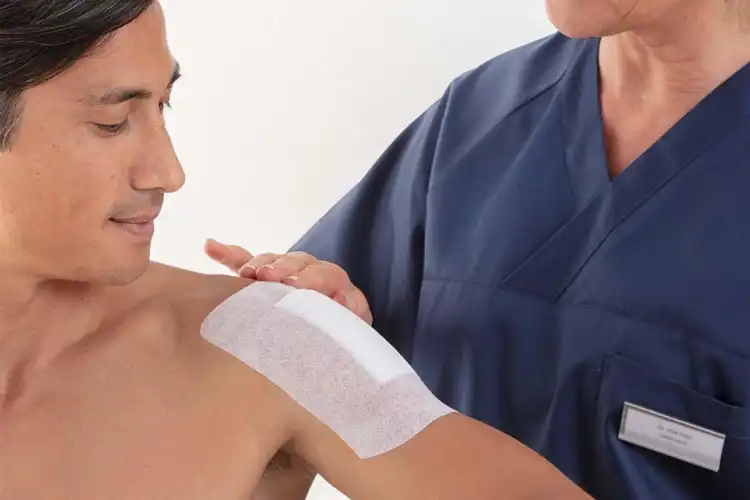
Understanding Waterproof Surgical Tape and Sensitive Skin Compatibility
There is a specific type of medical sticky product called waterproof surgical tape that is made to keep wounds covered and medical devices in place in tough circumstances. Unlike regular cloth or paper tapes, these moisture-resistant ones form barriers that keep cuts dry while showering, swimming, or undergoing hospital treatments that involve contact with fluids.
What Makes Waterproof Surgical Tape Different
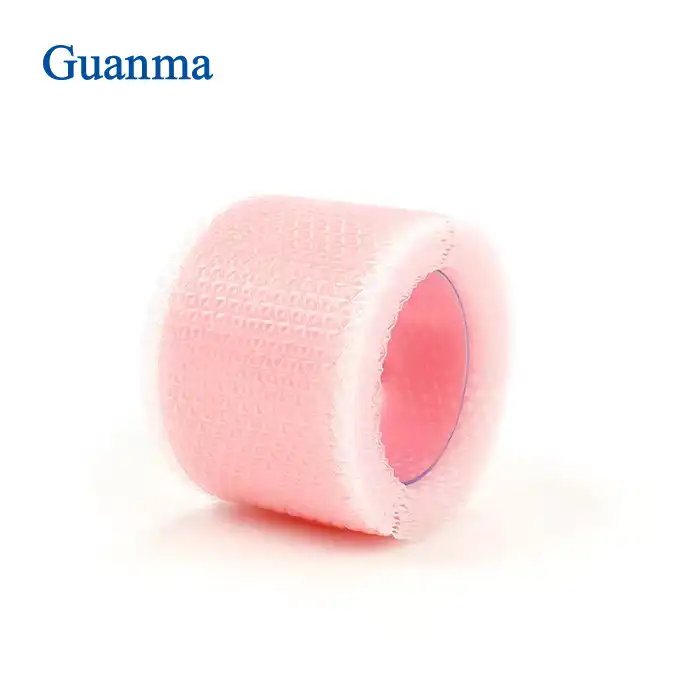
Waterproof surgical tape is different from regular medical glue because of how it is made. Most medical tapes that don't get wet have polyethylene or polyurethane film backings that keep water out while letting some air pass through. The layer of glue usually uses synthetic rubber, acrylic, or silicone formulations that are chosen for how well they stick to skin and how strong their bonds are. To keep skin from getting hurt, manufacturers make sure that the adhesive works well and is easy to remove. This is especially important for people with weak or sensitive skin.
Common Challenges for Sensitive Skin Users
People with sensitive skin are more likely to get hurt when they use medical glue. Reactions range from mild redness and burning to contact dermatitis, which is marked by blisters, swelling, and long-lasting inflammation. Because waterproof surgical tape is occlusive, it can trap wetness against the skin, which can weaken the skin layer and make it easier for mechanical damage to happen when the tape is taken off. Adhesive chemistry is very important. Some rubber-based formulas have boosters and antioxidants that can cause contact allergies in people who are already more likely to be allergic.
Medical Safety Profile of Modern Waterproof Tapes
Modern medical-grade waterproof surgical tape goes through strict biocompatibility tests that are based on ISO 10993 standards. Through controlled laboratory and clinical studies, these tests look at cytotoxicity, the chance of sensitivity, and skin discomfort. By getting rid of common allergens like colophony (rosin), latex proteins, and some chemical substances, hypoallergenic products are made for people with sensitive skin. Medical research published in dermatologist journals shows that silicone-based adhesives cause a lot fewer allergic responses and skin peeling than traditional acrylate formulations. This makes them the best choice for long-term use.
Key Factors Affecting the Safety of Waterproof Surgical Tape on Sensitive Skin
How waterproof surgical tape reacts with sensitive skin depends on a number of factors. When procurement workers know about these factors, they can choose goods that meet both clinical performance standards and patient safety standards.
Hypoallergenic Formulations vs. Standard Options
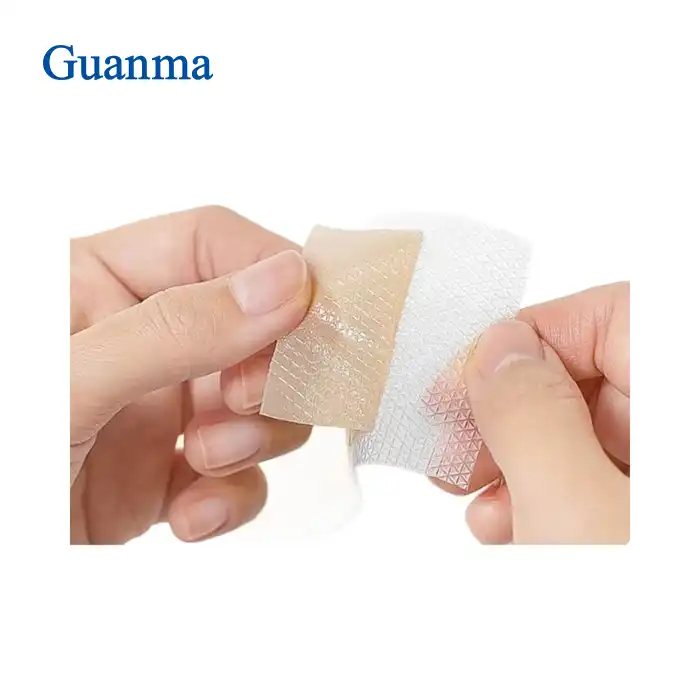
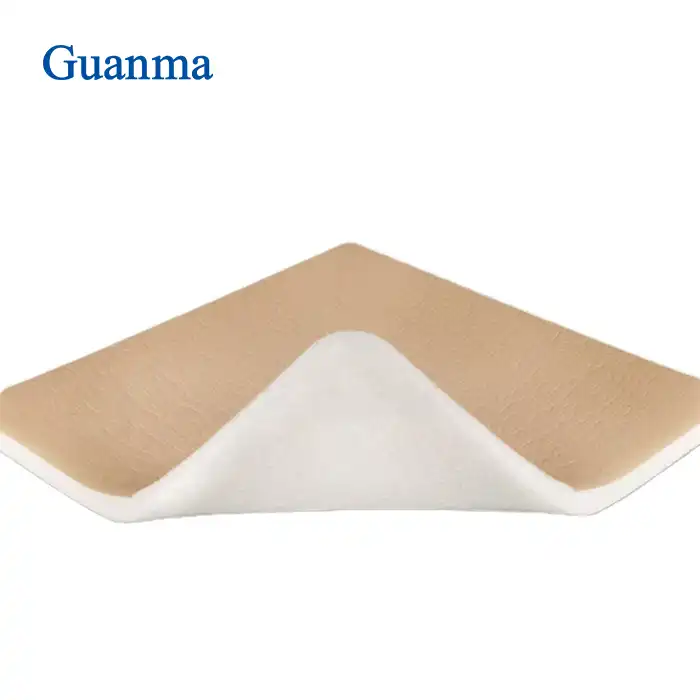
The glue chemistry and backing materials of hypoallergenic waterproof surgical tape are very different from those of regular tapes. When you take silicone bonds off, they don't cause much damage because they spread the stress over a larger surface area instead of causing strong pull forces. When acrylic adhesives are made without typical sensitizers, they have a strong initial stickiness while still letting air pass through them. The backing material also helps keep your skin safe—microporous plates let water vapor pass through, so wetness doesn't build up and cause skin to become dry and fungus to grow.
Standard waterproof surgical tape might have rubber-based glues that have extra ingredients that make them more likely to cause allergies. These standard versions put strong adhesion and cost-effectiveness ahead of dermatological concerns, which makes them less good for long-term use on sensitive skin.
Allergic Reactions and Prevention Strategies
Contact dermatitis is the most common adverse response to surgical tapes. It shows up as redness, itching, and rash patterns that match the shape of the tape. When the immune system reacts to adhesive parts 24 to 72 hours after application, type IV delayed hypersensitivity responses happen. Manufacturers try to keep allergies from happening by carefully choosing the materials they use and getting rid of known allergens like thiurams, carbamates, and mercaptobenzothiazoles during the production process.
Before a product hits the market, testing procedures are used to determine if it might be allergenic. In repeated insult patch testing (RIPT), volunteers are exposed to adhesive samples over a number of application rounds, and the development of sensitivity is tracked. Products that pass these strict tests are labeled as hypoallergenic, which helps healthcare facilities make choices about what to buy for patients with a wide range of allergies.
Recommended Wear Duration and Application Guidelines
How safe your skin is directly affects how long you wear something. Doctors say that continuous use of waterproof surgical tape should be limited to 3–7 days, based on the type of adhesive and the patient's skin state. Because they stick to skin gently, silicone-based tapes can be worn for longer amounts of time, while acrylic tapes need to be changed more often to keep the skin from breaking down.
Rotating the places where the tape is applied keeps people who need to use it regularly from getting irritated over time. Giving the skin a break between uses repairs its protective function and lowers the risk of becoming sensitive. When you use the right technique—avoiding too much tension, making sure the skin is dry, and smoothing out wrinkles—you reduce the mechanical stress that causes itching that isn't caused by chemicals.
Comparing Waterproof Surgical Tape Options for Sensitive Skin in B2B Procurement
When looking for waterproof surgical tape for sensitive skin uses, people in charge of procurement have to look at a number of product characteristics. Informed buying strategies are based on things like the type of materials used, whether they are certified, and how reliable the seller is.
Material Comparisons: Polyethylene, Polyurethane, and Composite Films
Polyethylene backing materials don't absorb water well and are cheap, so they are popular for short-term uses and business use with a lot of them. Their low breathability makes them good for situations where keeping out all wetness is more important than letting air pass through. Polyurethane films are very flexible and allow air flow, so they can mold to the shape of your body while staying securely attached even when you move. This gives it more flexibility, which stops the edges from lifting, which lets water and dirt in.
Composite backing systems use more than one layer of material to improve certain performance qualities. A common setup has a plastic moisture barrier on top of a nonwoven cloth surface that can be marked with ink and gives you a grip while you're applying it. The choice of material affects both how well it repels water and how easy it is to remove. For example, flexible polyurethane films allow for easy removal methods that are safe for sensitive skin.
Brand Analysis and Certification Considerations
Medical tape companies that have been around for a while have made specific lines of waterproof surgical tape for people with sensitive skin. These products come with proof that they are safe, regulatory approvals, and clinical performance data that back up sourcing requirements. Verification of FDA 510(k) clearance for the US market shows that goods meet basic safety and efficiency standards by showing that they are substantially equivalent.
The European Medical Device Regulation (CE marking) says that a product meets EU safety standards for biocompatibility tests and quality system checks. ISO 13485 certification shows that makers use quality management systems that are meant to make medical devices. This makes sure that all production lots produce the same high-quality products.
Bulk Purchasing Considerations for Healthcare Facilities
Volume pricing systems have a big effect on overall acquisition costs, especially for places that use a lot of goods and services, like hospitals and surgery centers. When you deal directly with a manufacturer, you can often get better prices than through a distributor, and you can also get expert help and make your own specifications. Minimum order amounts vary a lot. Knowing how your building normally uses things will keep you from having too much stock, which wastes money and office space.
Unit prices and operating efficiency are both affected by how the packaging is set up. For surgery areas that need to be aseptic, individual sterile bags work well. For general room use, bulk rolls cut down on packaging waste and cost per square meter. Healthcare systems that agree on standard SKU counts across multiple sites can better control their inventory and get better deals on goods by buying in bulk.
Best Practices for Using Waterproof Surgical Tape on Sensitive Skin
When you pay attention to the little things, like how to apply and remove the product correctly, you can greatly reduce the number of bad skin reactions that happen. This can take product performance from good to great.
Preparation Steps Before Application
A clean, dry surface is best for waterproof surgical tape to stick to, and it also lowers the risk of discomfort. By washing the area with gentle soap, you get rid of oils, dirt, and germs that can get in the way of connecting and make infections more likely. Complete drying keeps wetness from building up, which can cause maceration. Letting the area dry in the air for two to three minutes makes sure it's ready.
Skin barrier sheets protect the areas where sensitive tissue meets sticky materials. When these liquid copolymer solutions dry, they turn into clear, flexible films that protect the stratum corneum from sticky stress while keeping the tape attached securely. This application is especially helpful for people who are known to be sensitive to adhesives or who need to change their tapes often, which can damage their skin over time through repeated mechanical stress.
Application Techniques That Minimize Skin Stress
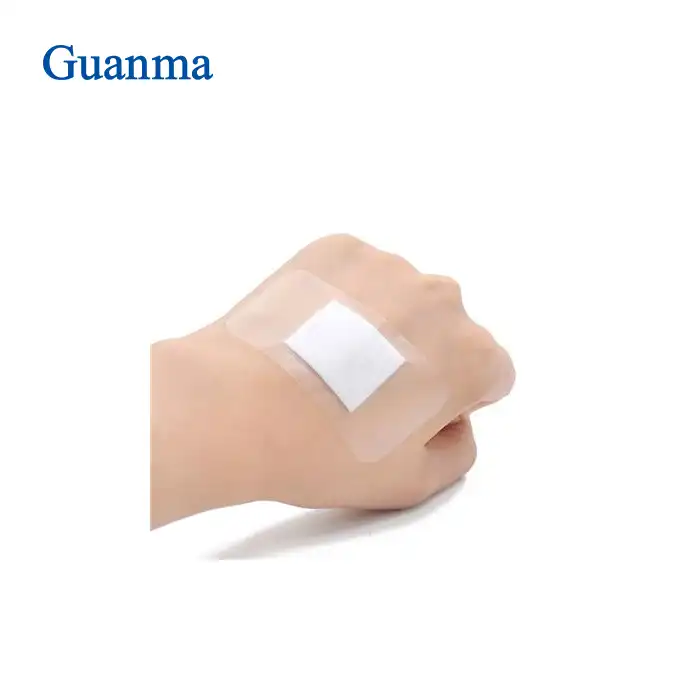
How the tape is applied affects both how comfortable it is right away and how well the skin stays healthy in the long run. Tension-related skin damage can be avoided by not stretching too much during placement. Pulling uncomfortable feelings can also be avoided. Firm, smooth pressure applied to the whole tape surface ensures full contact without any air gaps that could collect wetness and make the adhesive less effective.
When you round the corners of the tape, you stop the edges from moving too soon, which can damage the waterproof seal. When you move, sharp corners catch on clothes and put a lot of stress on them, which creates failure points. For waterproof surgical tape uses, it's important to seal the edges correctly. Pressing hard along the edges of all the tape triggers pressure-sensitive adhesives and makes continuous barrier seals.
Removal Methods That Protect Skin Integrity
Skin stripping, which is the mechanical separation of the top layers of skin that leaves behind rough, painful areas, can be avoided with a gentle removal method. Supporting the skin next to the edge of the tape as you slowly peel it off at a low angle spreads out the stress and lessens the damage. The most power can be used to remove tape when it is pulled back across itself at a 180-degree angle. The right way to do it is to use shallow angles below 45 degrees that gradually break the bonding glue.
Medical-grade chemicals in adhesive removers break down bonding processes, which makes it possible to separate tape without damage. Removers that are based on silicone work well with silicone sticky tapes, but they also work well with other types of adhesives. Soaking the edges of the tape in solvent, waiting 30 to 60 seconds for it to soak in, and then slowly lifting the released parts while continuing to apply solvent to the edges that are moving forward.
Clinical Case Study: Postoperative Wound Management
A regional hospital system made hypoallergenic, waterproof surgical tape the usual way to fix a dressing after surgery. In the past, normal cloth tape was used, which led to a 12% rate of skin problems related to adhesives, such as contact dermatitis and mechanical blistering. Based on biocompatibility data and feedback from clinicians, the buying team chose waterproof surgical tape made of silicone with a polyurethane backing.
After six months of normal use in more than 3,000 surgery cases, the rate of skin complications dropped to 2.8%. This meant that nurses spent less time changing patients' dressings, and patients were happier with their care. The initial 20% increase in the cost of tape was balanced out by lower costs for managing complications and faster workflow. This result shows that proper product design has value that can be measured beyond unit price.
Sourcing and Procurement Guide for Waterproof Surgical Tape Safe for Sensitive Skin
Setting up reliable supply lines for medical adhesives takes a thorough look at the skills of suppliers, their ability to follow rules, and their quality control methods.
Identifying Qualified B2B Suppliers
Having direct links with certified makers is the best way to keep an eye on quality control and make changes for hypoallergenic waterproof tape for sensitive skin. Regular third-party checks of their quality management systems show that manufacturers with ISO 13485 certification are committed to meeting the quality standards for medical devices. During site trips, procurement teams can directly check the company's output skills, cleanliness standards, and technical know-how.
Medical supply dealers help centers that need smaller amounts of products or a wider range of products than they can get from direct manufacturers. Distributors with a good reputation keep waterproof surgical tape adhesives in the right conditions for storage, offer expert help, and combine billing for a wide range of products. Buying groups can avoid being sued by making sure that distributors have the right licenses and insurance.
Certification Verification and Documentation Requirements
Regulatory compliance paperwork backs up what the product says and meets quality standards inside the company. By asking for certificates of analysis for particular lot numbers, you can be sure that the item you bought was tested and met the requirements. Biocompatibility test results that followed ISO 10993 guidelines show that the goods passed tests for cytotoxicity, sensitization, and irritation, which is very important for uses that need to be safe for sensitive skin.
Declaration of conformity papers show the regulatory standards that a product meets. They include directions that apply, harmonized standards, and, if needed, the participation of an informed body. These technical files help with regulatory checks and internal quality reports by making it possible to track the supply chain from the raw materials to the finished product.
Strategic Sampling and Volume Purchase Negotiation
Sample evaluation programs let patients and healthcare staff see how well a product works before committing to buying a lot of it. Asking for example samples from several production lots ensures uniformity, which is important when adhesive formulations contain complex polymer chemicals that are easily affected by processing changes. Real-world success data from clinical trials in pilot areas helps with decisions about what to buy in general.
When you agree to a certain amount of goods, you can negotiate prices that lower the total cost of acquisition. Having annual purchase deals with delivery plans every three months is a good way to balance managing inventory with using procurement power. Flexibility features that allow for changes in demand keep you from running out of stock when demand is high and keep moving costs low when demand is low.
Conclusion
When makers put an emphasis on hypoallergenic materials, biocompatibility testing, and quality approvals, waterproof surgical tape made for sensitive skin is a safe and effective option. When choosing goods, procurement professionals need to look at the adhesive chemistry, the breathability of the backing material, regulatory compliance paperwork, and the reliability of the seller to make sure that patients get the best care possible. The right way to apply and remove the product is just as important as choosing the right product. Paying attention to the steps will help keep bad reactions to a minimum. The money spent on high-quality hypoallergenic products pays off in a way that can be measured: fewer complications, happier patients, and more efficient clinical processes across all healthcare settings.
FAQ
Can hypoallergenic, waterproof surgical tape completely prevent allergic reactions?
The label "hypoallergenic" lowers the chance of allergies by getting rid of common sensitizers, but no medical glue can promise that there will be no reactions. Everyone is sensitive in their own way, depending on their immune system and how they've been exposed in the past. Products that say they are hypoallergenic have to go through a lot of tests that show they have much lower rates of sensitivity than regular products. People who are known to be allergic to adhesives should get a spot test with certain items before using them all over to make sure they are compatible.
How frequently should waterproof surgical tape be replaced on sensitive skin?
When to replace them depends on the type of glue, where it's being used, and how well your skin tolerates it. Silicone-based tapes can usually be worn for 5 to 7 days, but strong acrylic tapes need to be changed every 2 to 3 days. Personalized replacement plans are based on checking for heat, itching, or pain. If the tape's edges are rising or failing to stick, it needs to be replaced right away to keep the waterproofing and stop contamination entry points.
Which waterproof surgical tape brands are recommended for sensitive skin?
Products from companies that have ISO 13485 approval and have done detailed biocompatibility testing are good for people with sensitive skin. Silicone sticky tapes with microporous backing films always have better safety ratings for dermatologists. Procurement teams should give more weight to sellers who offer detailed technical documents, quick customer service, and the ability to make changes to the product as needed. Talking to skin experts can help you find formulations that have been shown to work for certain groups of patients at your hospital.
Partner with Guanma for Premium Waterproof Surgical Tape Solutions
Guanma Medical specializes in manufacturing hypoallergenic, waterproof surgical tape designed specifically for sensitive skin applications. Our ISO 13485 and CE-certified production facilities utilize advanced pressure-sensitive adhesive coating technology refined over three decades of medical tape manufacturing experience. Every product undergoes rigorous biocompatibility testing, ensuring safe skin contact across diverse patient populations.
As your dedicated waterproof surgical tape manufacturer, we offer comprehensive OEM/ODM services tailored to your brand requirements. Customization options include adhesive formulation adjustments, backing material selection, size specifications, and private label packaging that reinforces your market identity. Our experienced R&D team collaborates closely with procurement managers to develop formulations addressing specific clinical challenges your facilities encounter.
Quality assurance remains paramount throughout our production process. Strict adherence to international standards guarantees consistent performance across production lots, supporting your quality management requirements and regulatory compliance obligations. Our responsive technical support team provides rapid communication, addressing questions and concerns promptly, regardless of time zones.
Connect with Guanma Medical to explore how our waterproof surgical tape solutions can enhance your product portfolio while meeting the demanding safety standards sensitive skin applications require. Contact betty@guanmamedical.com to request product samples, technical specifications, or customized quotations aligned with your procurement objectives.
References
1. Zhai H, Maibach HI. "Skin Adhesives: Mechanisms, Irritation Potential, and Allergic Reactions." Journal of Dermatological Science, Vol 42, Issue 3, 2006, Pages 215-221.
2. Byrd HS, Alpert BS, Rappaport NH. "Medical Tape Adhesion and Skin Stripping: A Comprehensive Review of Mechanisms and Prevention." Wound Repair and Regeneration, Vol 15, 2007, Pages 516-522.
3. McNichol L, Lund C, Rosen T, Gray M. "Medical Adhesives and Patient Safety: State of the Science Consensus Statements." Journal of Wound Ostomy and Continence Nursing, Vol 40, Issue 4, 2013, Pages 365-380.
4. Rajan S, Smith J, Davies P. "Biocompatibility Testing of Medical Adhesives: Standards and Clinical Implications." International Journal of Adhesion and Adhesives, Vol 58, 2015, Pages 23-31.
5. Denyer J, White R, Ousey K. "Understanding Adhesive Technology and Its Role in Preventing Medical Adhesive-Related Skin Injury." British Journal of Nursing, Vol 24, Issue 15, 2015, Pages S24-S30.
6. Grove GL, Grove MJ, Zerweck C. "Comparative Study of Silicone and Acrylic Adhesives: Effects on Stratum Corneum and Clinical Performance." Skin Research and Technology, Vol 20, Issue 3, 2014, Pages 291-297.