_1745479303268.webp)
Is Zinc Oxide Strapping Tape Effective for Injury Prevention?
2026-07-23 09:48:10
Zinc oxide strapping tape has been shown to be excellent at preventing injuries in medical, sports, and work settings. This special sticky tape has a cotton backing that is mixed with zinc oxide glue. It provides strong joint support, muscle support, and a secure hold while you're working out. The tape's unique mix of skin-friendly, flexible, and breathable qualities makes it the best choice for avoiding sprains, strains, and repetitive stress injuries that are common at work. At Guanma Medical, we make certified zinc oxide athletic tape that is made to meet strict safety standards and keep healthcare workers, wholesalers, and workplace safety managers around the world from getting hurt.
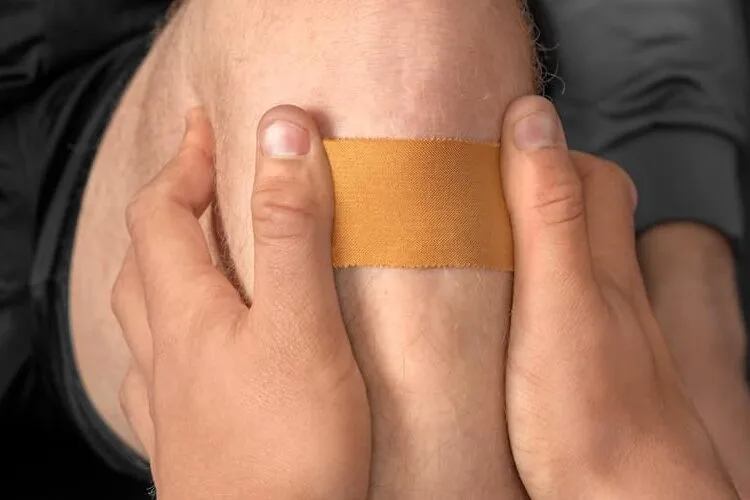
Understanding Zinc Oxide Strapping Tape
Material Composition and Adhesive Properties
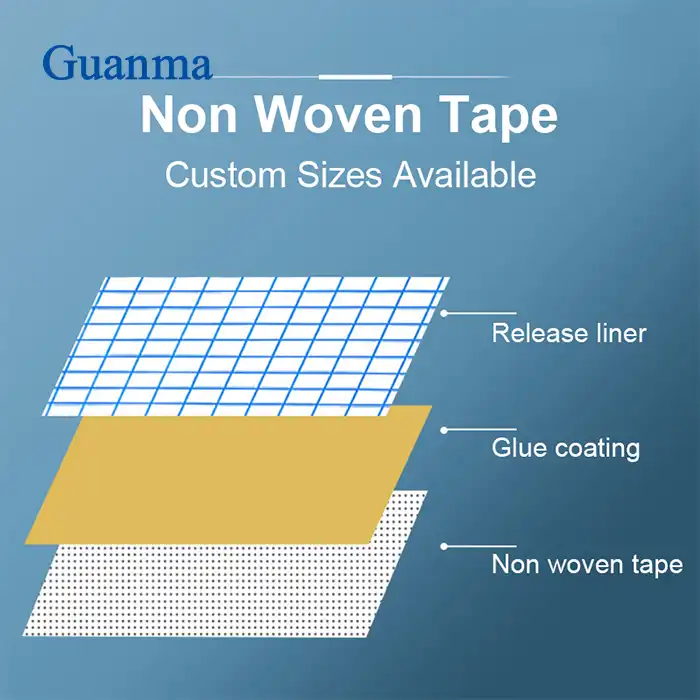
The zinc oxide strapping tape is made from a knitted cotton cloth base and is covered with glue made from zinc oxide. The way this is made is very different from plastic tapes like polyester or polypropylene that are often used for wrapping. The cotton backing naturally breathes, allowing moisture vapour to pass through and keeping the mattress from becoming too soft after long periods of use. There are several clinical benefits to zinc oxide glue. It stays attached even when the skin is damaged or oily; it is hypoallergenic, so it's particularly suitable for people with sensitive skin; and it has a balanced peel strength that keeps things in place firmly without hurting the skin when they are taken off.
The chemical makeup of the glue makes tiny holes in the tape that let air flow but keep liquids out. This makes the tape waterproof but breathable. This two-in-one feature is very useful in workplaces where people may sweat or come into contact with wetness by accident.
Technical Specifications for Industrial Use
When manufacturers use medical standards to make quality sports tape, the tape performs in certain ways. Tensile strength is usually between 12 and 18 pounds per inch of thickness. This is enough to support the structure without making it less flexible. The tape stays stuck even when the temperature changes from 5°C to 40°C, so it can be used in a wide range of settings, from cold storage rooms to outdoor building sites.
Standard sizes come in 9-metre rolls with 3.8 cm and 5 cm widths, but special sizes can be made to fit specific needs. The cotton base doesn't tear along stress lines, but it can be torn by hand in a controlled way, making it easy to use without scissors. Biocompatibility tests are done on products that have CE and ISO 13485 approval to make sure they are safe for the skin and don't contain any cytotoxic chemicals.
Distinction from Industrial Strapping Materials
Unlike fibreglass or nylon strapping tapes that are made to hold boxes in place and bundle goods, medical-grade zinc oxide strapping tape is made to be compatible with skin and mould to the shape of the body. Polyester and polypropylene options don't breathe well or stretch back to their original shape, which is important for human biology. Fiberglass tapes have a high tensile strength, but they can irritate the skin and are too stiff to be used for joint uses. The cotton zinc oxide formulation provides the best balance between support and comfort for uses that involve direct skin contact and injury avoidance.
How Does Zinc Oxide Strapping Tape Contribute to Injury Prevention?
Mechanical Support and Joint Stabilization
The zinc oxide strapping tape works by using physiological principles to stop too much range of motion while still allowing for useful movement. When used with the right amount of strain, it strengthens ligaments and provides proprioceptive input that makes neuromuscular control better. This system works especially well at stopping movements like ankle inversion, wrist hyperextension, and knee valgus that frequently lead to accidents at work.
The woven structure of the cotton base spreads strain evenly across the treatment area. This keeps pressure from building up and stopping blood flow. When the tape is layered correctly, it makes a semi-rigid support system that absorbs and spreads out forces during sudden hits or moves.
Application Techniques for Common Injury Patterns
The success of preventing injuries depends a lot on how the tape is applied. Here's how professionals use the tape effectively:
Ankle Stabilisation Protocol: Put the ankle at a 90-degree angle. Wrap anchor strips around the lower leg, above the ankle, and across the middle of the foot. To keep the foot from turning inward, make stirrup strips that go from the medial to lateral sides and pass under the heel. Around the ankle joint, add parallel figure-eight lines that are half the width of the tape apart from each other. Complete with lock strips that go around the outside to secure all the layers. This position restricts damaging inversion while allowing the plantarflexion and dorsiflexion needed for walking.
Wrist Support Method: Make sure the wrist is slightly bent outward. Wrap an anchor around your forearm about 3 to 4 inches above your wrist joint. Make X-patterns on the back of the wrist, going from the radial to the ulnar sides. Add circular strips that get longer from the centre outwards. This method stops you from bending and stretching too far, which can lead to carpal tunnel syndrome and chronic strain injuries.
Knee Reinforcement: Set up stakes above and below the joint while the knee is slightly bent. Apply lateral support strips from where the collateral tendons start to where they end. This will provide stability on the middle and lateral sides. Add spiral wraps that help the device that tracks the knee. This method stops the valgus and varus strains that happen when you lift and squat.
Occupational health studies indicate that pre-emptive taping lowers the chance of ankle sprains by 40 to 60 per cent in high-risk work settings. When factories put in place systematic taping methods for workers who do repeated tasks, the number of lost-time accidents and workers' compensation claims goes down.
Performance Under Stress Conditions
The tape stays useful even during long, hard work shifts. When the load is changed repeatedly, the tensile strength stays the same, and the zinc oxide glue keeps the edges from lifting as the joint moves. The water-resistant coating keeps the glue from breaking down when you sweat, but the porous base still lets air pass through. This makes sure that the support stays the same during eight-hour work shifts without having to be reapplied.
Comparing Zinc Oxide Strapping Tape With Other Strapping Tapes
Material Performance Characteristics
When choosing strapping tape to avoid injuries, the type of material used affects how well it works. Zinc oxide strapping tape works better than other types in a number of important ways that are relevant for human use.
Polyester and polypropylene tapes are great for packing and wrapping, but they don't bend well enough for anatomical surfaces. Their plastic bases don't let air flow properly, so sweat builds up and skin gets irritated after long wear. The strong glues used on these industrial tapes can hurt the skin and cause allergic responses, so they can't be used in medical settings.
Fibreglass-reinforced tapes have a high tensile strength for building uses, but they are too stiff for supporting joints. The material doesn't mould to complicated body shapes, so it forms pressure points and can abrade the skin where its edges touch. Temperature protection and chemical stability are useful for business purposes, but they don't prevent injuries.
When nylon strapping is used to hold goods, it focuses on having a high break strength and uses adhesive methods that don't work with skin contact. These items don't have the managed flexibility that is needed for biomechanical support.
On the other hand, sports tape with a cotton backing and zinc oxide glue is designed for human use. The braided cotton moulds to the shape of your joints, lets your skin breathe to keep it healthy, and has a reasonable amount of stretch that supports without squeezing. The nontoxic glue has been tested and shown to be safe for skin for many years.
Price-Performance Evaluation for B2B Procurement
When you do a cost study, you need to look at the total value, not just the unit price. Polyester or plastic tapes may be cheaper per roll, but they can't be used to avoid injuries, so buying them is a waste of money. Athletic tape made for medical purposes costs a little more, but it works better and prevents injuries, so you spend the extra money wisely.
Instead of cost per roll, people who work in procurement should look at cost per avoided harm. If a workplace follows the right taping rules, it might spend $500 a month on sports tape but save $25,000 in workers' compensation costs from a single major sprain. Seeing the return on spending this way makes it more appealing.
It is even more cost-effective to buy in bulk from approved makers like Guanma Medical. Volume agreements lower the cost per unit while making sure that ongoing protection programmes always have what they need. Custom packaging choices cut down on waste and make keeping track of goods easier.
Procurement Guide for Zinc Oxide Strapping Tape in B2B Context
Technical Specification Criteria
To choose the right zinc oxide strapping tape, you need to look at a number of technical factors that are related to its intended use. Professionals in charge of buying things should establish clear standards that cover these factors:
Adhesive Performance: Ask for information on the binding strength, which is measured in ounces per inch of width. Medical-grade goods usually stick to stainless steel test surfaces with 35 to 55 ounces of force. Check whether the glue continues to work in temperature ranges similar to those in your work setting.
Tensile Strength: Include the lowest breaking strength that meets the needs of the support. Tape for sports usually weighs between 12 and 20 pounds per inch. Higher numbers give more support, but they might make it harder to follow.
Breathability: Check the rates of moisture vapour transfer, especially for situations where the item will be worn for a long time or during intensive activities. High-quality goods should let air pass through while still being resistant to water.
Biocompatibility: You must keep proof of biocompatibility testing that meets ISO 10993 standards. This testing should include cytotoxicity, sensitivity, and discomfort tests. Standardised methods must be used to show that products meant to be used on the skin are safe.
Supplier Evaluation and Selection
Building relationships with dependable makers guarantees stable supply chains and consistent product quality. When evaluating possible sellers, think about these aspects:
Companies that have both CE and ISO 13485 approval show that they are committed to quality control systems that are specific to making medical devices. For these certificates, process controls, documentation methods, and corrective action systems must be regularly checked by a third party. Along with ISO 9001, Guanma Medical keeps these other certifications, which give you peace of mind that our manufacturing processes are always of high quality.
How reliable a supply is affected by production capacity and store quantity. Suppliers with GMP-certified facilities and established production lines can handle changes in volume and immediate needs. We keep a large stock of standard configurations and can quickly make things to your exact specifications thanks to our advanced coating capabilities.
Professional medical suppliers are different from commodity sellers because they offer technical help. It is very helpful to be able to talk to application experts who know both the qualities of the product and how to keep people from getting hurt. To help clients get the most out of their products, our team offers training materials, application advice, and quick consultations.
Purchasing Logistics and Custom Solutions
When a business buys something from another business, they usually have to think about more than just the price. Minimum order amounts, wait times, and the ability to customise products affect supply chain planning.
Standard sizes of athletic tape are in stock and ship quickly. For local sales, lead times are usually 5 to 10 business days. Custom specs that need specific widths, lengths, or packaging forms usually take 3–4 weeks from the time the order is confirmed until it is delivered. Adding distributor logos to private labelling typically adds about two weeks to the production plan.
Structures of prices represent promises to buy in bulk and the complexity of the specifications. We have tiered pricing that rewards groups with longer-term agreements while still making our services available to smaller ones. Unit prices are affected by custom formulations, special packing, or unique size needs, but they also allow for the best solutions for each application.
Safety, Compliance, and Environmental Impact
User Safety and Application Protocols
Zinc oxide strapping tape glue has great safety features, and if you use it the right way, any bad effects are kept to a minimum. Before applying tape, users should clean and dry the area well, getting rid of any oils, creams, or other debris that could make the tape not stick or irritate the skin. People who are known to be sensitive to adhesives should do patch tests before using it on a large scale.
Place the tape with a mild amount of strain, just enough to support the area without stopping blood flow. Too much tightness hurts, stops blood flow, and raises the risk of pressure injuries. Keep an eye on taped areas for numbness, tingling, or colouring that could mean blood flow isn't good. If these signs show up, take off the tape right away.
To avoid damaging the skin, removal must be done correctly. Peel off the tape slowly in the direction of hair growth while using the other hand to hold the skin that has been freed. When a glue is really stubborn, adhesive removers or warm water can make it easier to get rid of. Do not rip off the tape too quickly, as this could hurt the skin.
Regulatory Compliance Requirements
In regulated markets, medical equipment must meet certain levels of compliance. Products with the CE mark meet the standards set by the European Medical Device Regulation. These standards include biocompatibility testing, clinical review, and approval of the quality management system. Getting ISO 13485 approval shows that the ways of making medical devices meet foreign standards.
Distributors and hospitals should make sure that sellers of sports tape have up-to-date certifications and can show proof that they are following the rules. To help our customers meet their compliance needs, Guanma Medical provides full regulatory files that include biocompatibility test results, certificates of conformity, and quality management paperwork.
Environmental Considerations
Athletic tape made from cotton is better for the earth than synthetic tapes. The natural fabric substrate breaks down more quickly than polyester or polypropylene, which means that less trash will build up over time. Even though zinc oxide adhesive has some synthetic parts, the total material makeup is better for the environment than goods that are made entirely of synthetic materials.
When tape comes in touch with blood or other human fluids, it should be thrown away according to standard medical waste rules. People can throw away used tape from clean projects in general trash streams. Some forward-thinking makers are looking into ways to recycle used cotton tape, but these programmes are still quite limited at the moment.
Companies that care about the environment should look at their providers' promises to be environmentally friendly. We are always looking for ways to have less of an effect on the environment through efforts like choosing the right materials, making the process more efficient, and cutting down on waste, all while keeping product performance and safety standards high.
Conclusion
Zinc oxide strapping tape with a cotton backing and a zinc oxide adhesive has been shown to help avoid injuries in medical, sports, and commercial settings. Medical-grade products are different from industrial strapping because they are made of a mix of materials that offers the best balance of mechanical support, skin safety, and user comfort. When applied correctly, preventative benefits are maximised, which lowers the number of injuries at work and the costs that come with them. To get the best results, B2B buying choices should put technical requirements, supplier qualifications, and legal compliance ahead of cost. When companies use good sports tape as part of their injury prevention plans, their workers are safer and their businesses run more smoothly.
FAQ
What types of injuries can zinc oxide athletic tape help prevent?
The zinc oxide strapping tape works well to stop ankle sprains, wrist strains, knee instability, and injuries from repeated stress that hurt joints and soft tissues. It's especially helpful for people who have to do the same thing over and over, lift heavy things, or do activities that need to change direction quickly.
How does athletic tape durability compare with polyester strapping tape?
Polyester has a higher tensile strength, but sports tape works better for people because it has the right amount of strength, flexibility, breathability, and skin interaction. Instead of just looking at how strong something is when it breaks, you should judge its durability by how well it holds up over time.
Can we order bulk quantities with custom dimensions for our facility?
Of course. Guanma Medical specialises in unique solutions, such as solutions with specific widths, lengths, and package arrangements. Bulk orders get cheaper because of the higher volume, and unique specs make sure that the product fits perfectly with your injury avoidance plans. Talk to our buying team about your needs and get quotes that are specifically made for you.
Partner With Guanma Medical for Premium Zinc Oxide Strapping Tape Solutions
If you want to help keep people from getting hurt, choose Guanma Medical's approved high-performance sports tape, which meets strict medical standards. As a well-known company that has been making zinc oxide tape for more than 30 years, we guarantee quality that is backed by CE and ISO 13485 certifications that meet strict international standards.
Our GMP-certified factories use cutting-edge pressure-sensitive sticky layer technology to make medical-grade tape that sticks better, breathes better, and is safe for skin. We offer full customization, which includes making changes to the adhesive formula, the size standards, private labelling, and package options that are specific to your brand and market needs. We give your business the freedom and responsiveness it needs, whether you're a hospital buying manager, a distributor, or a provider of safety tools.
Email our expert team at betty@guanmamedical.com to talk about your needs. We'll give you samples of the product, full specs, and reasonable prices for both standard and custom designs. Because we care about quality, following the rules, and building relationships with our customers, healthcare organisations and workplace safety programmes all over the world trust us to provide them with zinc oxide strapping tape.
References
1. Firer, P. (1990). "Effectiveness of Taping for the Prevention of Ankle Ligament Sprains." British Journal of Sports Medicine, 24(1), 47-50.
2. Verhagen, E., van der Beek, A., Twisk, J., Bouter, L., Bahr, R., & van Mechelen, W. (2004). "The Effect of Preventive Measures on the Incidence of Ankle Sprains." Clinical Journal of Sport Medicine, 14(5), 277-283.
3. Pedowitz, D.I., Reddy, S., Parekh, S.G., Huffman, G.R., & Sennett, B.J. (2008). "Prophylactic Bracing Decreases Ankle Injuries in Collegiate Athletes." The American Journal of Sports Medicine, 36(1), 68-73.
4. Bahr, R., & Bahr, I.A. (1997). "Incidence of Acute Volleyball Injuries: A Prospective Cohort Study of Injury Mechanisms and Risk Factors." Scandinavian Journal of Medicine & Science in Sports, 7(3), 166-171.
5. Lardenoye, S., Theunissen, E., Cleffken, B., Brink, P.R., de Bie, R.A., & Poeze, M. (2012). "The Effect of Taping on Proprioception in Subjects with Chronic Ankle Instability." Journal of Sport Rehabilitation, 21(3), 257-264.
6. Robbins, S., Waked, E., & Rappel, R. (1995). "Ankle Taping Improves Proprioception Before and After Exercise in Young Men." British Journal of Sports Medicine, 29(4), 242-247.