_1745479303268.webp)
IV Transparent Dressing: A Nurse's Best Friend in Catheter Management
2026-04-09 09:26:16
Every day, nurses face problems with intravenous tubes that have a direct effect on the safety and happiness of their patients. IV Transparent Dressing has become a new solution that changes catheter care by making it easier to see, safer, and more efficient to stay clean. These modern polyurethane film dressings act as waterproof shields that don't stop air flow. This allows healthcare workers to monitor insertion sites continuously without compromising the area's cleanliness. Transparent catheter dressings are important for more than just keeping the catheter clean. They also make it easier to move the patient around and avoid infections, which helps both the patient and the nurses during the treatment process.
Understanding IV Transparent Dressing: Basics and Clinical Significance
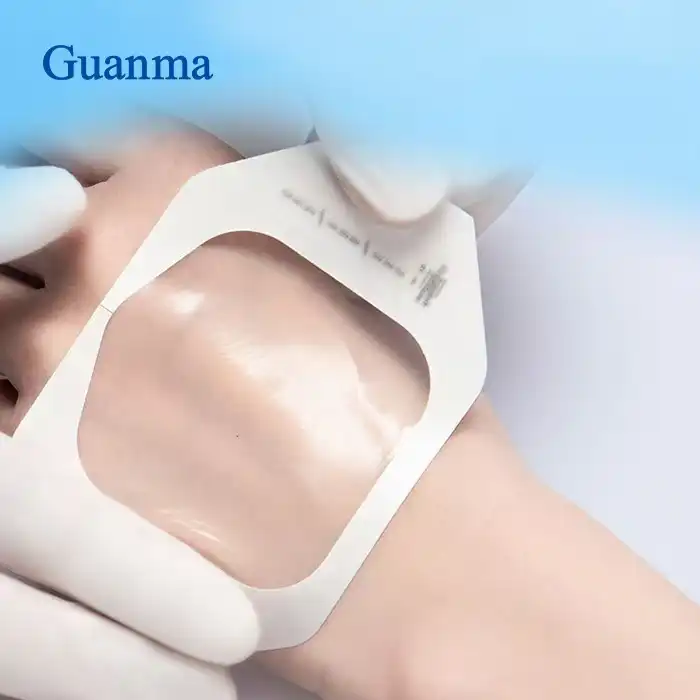
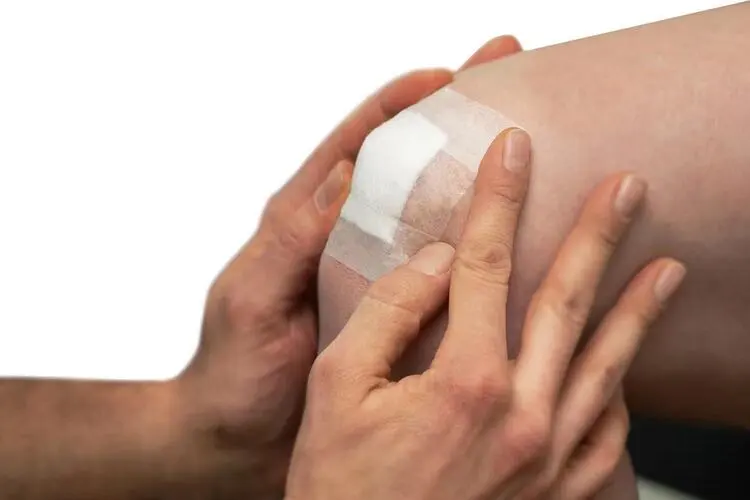
IV transparent dressings are a big step forward in managing catheter sites. They use thin polyurethane films to make shields that keep you safe while still letting you see the insertion sites clearly. These medical devices do many important things at once: they keep catheters in place, keep the outside of the body from getting contaminated, and allow constant tracking without having to take off the dressing. Because it is clear, healthcare workers can see where the catheter is placed, look for signs of infection or infiltration, and see how the tissue reacts around the injection site.
Material Composition and Design Features
Modern clear catheter bandages are mostly made of open polyurethane film, which is flexible and can mold to the shape of the body. The hypoallergenic acrylic glue sticks things securely without irritating the skin, even when worn for long amounts of time. These bandages go through EO (ethylene oxide) cleaning steps to make sure they are completely germ-free when they are used. The material's ability to breathe keeps wetness from building up under the dressing, which lowers the risk of skin maceration while still keeping the skin waterproof against outside invaders.
Clinical Applications and Patient Benefits
Hospitals, dialysis centers, emergency rooms, and home healthcare settings all use these bandages. The clear design lets you see right away how stable the catheter is and how the injection site is doing. This advantage means you don't have to change the dressing as often, which could lead to contamination risks. The thin, bendable material that moves smoothly with the body makes patients more comfortable and helps them move around during treatment.
Types and Specifications Available
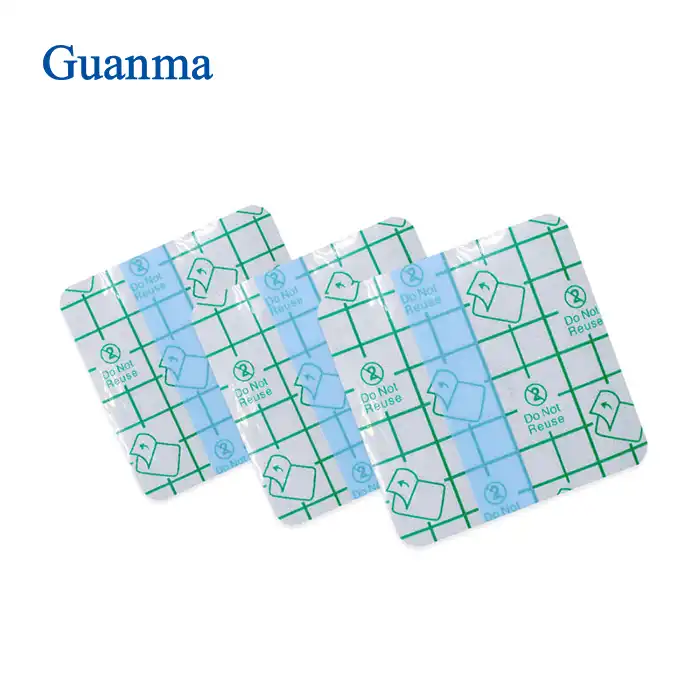
There are different kinds of clear dressings on the medical market to meet different clinical needs. Standard choices come in a range of sizes, from small ones for kids to big ones for adults. For certain types of catheters, the sizes can be changed to fit your needs, ensuring proper fit and secure placement for various medical applications. Sterile packaging makes sure that the catheter is ready to be used right away in the clinic, and different medical fields use different types of catheters and different ways to place them.
The Evolution of Catheter Dressing: From Traditional to IV Transparent Solutions
Traditional catheter bandages, mostly those made of gauze, had many problems that made patient care less effective and professional effectiveness lower. These old methods needed to be changed often, making it hard to see the entry site, and didn't protect well against moisture and contamination. Healthcare workers faced challenges in maintaining cleanliness during dressing changes and monitoring catheter sites effectively.
Limitations of Conventional Dressing Methods
Gauze patches lose their ability to stick to skin when they come into contact with water, so they need to be replaced after a patient bathes or sweats a lot. You can't see where the needle was inserted in the dark, so you have to take off the cover to check, which raises infection risk. When old tape patches were taken off, they often hurt the skin, which was especially hazardous for older patients or those who needed long-term catheter treatment.
Technological Advancement and Innovation
Innovative material science and glue technology led to the creation of clear polyurethane films, which solved these problems. These high-tech patches keep their waterproofing while letting moisture vapor pass through, making the best conditions for skin health. The clear design revolutionized catheter monitoring by enabling continuous site observation without compromising cleanliness or necessitating additional steps.
Clinical Outcome Improvements
Research shows a significant reduction in catheter-related infection rates when transparent bandages replace standard gauze methods. The longer wear time—usually up to seven days instead of changing pads every day—lowers the risk of exposure for healthcare workers and lowers the overall cost of treatment. Patients are happier when they are more comfortable, can keep up with their cleanliness, and don't have to deal with as many clothing changes.
How to Apply and Care for IV Transparent Dressings: Best Practices for Nurses and Procurement Managers?
To use and take care of clear catheter bandages correctly, you need to follow a set of steps that make sure they stick well, are clean, and keep the patient comfortable. Healthcare workers are required to adhere to specific procedures, beginning with spot preparation and concluding with accurate replacement scheduling. Knowing these steps helps buying managers figure out what products their companies need and what training they need, ensuring that they can select the most effective catheter bandages and educate staff on proper application techniques.
Site Preparation and Application Technique
The application process starts with making sure that all hands are clean and that safe techniques are used. Healthcare professionals clean the injection site well with the right antiseptics and let it dry completely before putting on the patch. The catheter should be fixed in place, and any extra tubes should be arranged so that they don't put stress on the site of entry. When you take off the wrapping paper, the sticky surface is revealed. Carefully place the clear window over the insertion site so that it is in the middle of the adhesive surface.
Securing Methods and Quality Assessment
Smooth application from the middle outward gets rid of air bubbles and makes sure that the material sticks well around the catheter hub. Pay extra attention to the sides to make waterproof seals that keep out germs and protect the skin's structure. After applying a dressing, healthcare workers should check it to ensure it is in the right place, visible, and secure without stressing the skin around it.
Monitoring and Replacement Protocols
Checking the clear film every day lets you see any problems right away, like thickening (an increase in tissue density), phlebitis (inflammation of a vein), or signs of an infection. The state of the dressing, the appearance of the insertion site, and any concerning changes observed during regular assessments should all be recorded. If adhesion breaks, contamination happens, or clinical standards call for regular changes, which usually happen every seven days for normal upkeep, the item needs to be replaced.
Choosing the Right IV Transparent Dressing: A B2B Procurement Guide
When purchasing transparent dressings, procurement managers have to make tough choices that balance clinical usefulness, cost, and the dependability of the supply chain. There are many choices on the market from well-known brands, and each one has its own features, price range, and quality standards. By understanding these factors, you can make smart choices about what to buy that support clinical goals while staying within your budget.
Quality Certifications and Regulatory Compliance
The best companies that make clear dressings keep their products certified with things like CE marking and ISO 13485 quality management systems. This makes sure that their products meet international standards for medical devices. Biocompatibility testing makes sure that the product is safe to touch the skin, and sterility approval makes sure that the product is ready to be used right away in hospital settings. These licenses provide purchasing managers with the assurance that the products they are purchasing are safe and adhere to all healthcare market regulations.
At Guanma Medical, our commitment to quality excellence spans over 30 years of medical adhesive tape manufacturing experience. Our transparent dressings feature breathable polyurethane film construction with hypoallergenic acrylic adhesives, all backed by comprehensive biocompatibility testing and international certifications. We understand that procurement managers require reliable suppliers who deliver consistent quality, competitive pricing, and responsive customer support throughout long-term partnerships.
Customization Options and Volume Considerations
Customization options from providers, such as changing sizes, private labeling, and creating unique package configurations, are helpful for healthcare companies. Volume purchasing deals often save money and make sure that supplies are always available. When global healthcare networks need standard products in many places, the ability to ship goods internationally becomes critical.
Comparative Analysis and Selection Criteria
When buying glue, consider its strength, longevity, compatibility with your skin, and ease of use. When figuring out cost per use, you have to take into account that these systems last longer than standard ones, which means they use less overall. Supplier dependability, access to expert help, and product training materials all play a big role in how well an operation goes, particularly in ensuring that healthcare providers can effectively implement and utilize IV transparent dressings to prevent infections.
Infection Prevention and Safety: Maximizing the Benefits of IV Transparent Dressings
Catheter-related bloodstream infections are a significant problem in healthcare, and clear bandages help address this issue by providing multiple forms of protection. While allowing constant tracking that lets doctors act quickly if problems arise, these advanced dressings physically protect against outside contaminants, such as bacteria and other pathogens, thereby reducing the risk of catheter-related bloodstream infections. Healthcare workers can best use clear dressing systems to prevent infections.
Barrier Protection and Contamination Prevention
The waterproof polyurethane film keeps outside germs and water from getting to the catheter entry sites. This makes the risk of exposure much lower than with gauze bandages. The full seal around the catheter hubs cuts off all possible ways for pathogens to get in, keeping the areas where the catheter is inserted clean. This safety stays in place while the patient does regular things like bathing and moving around.
Enhanced Monitoring Capabilities
Clear vision lets you see right away if there are any signs of an infection, like redness, swelling, drainage, or changes at the injection site. Healthcare workers can see these signs without removing the dressings, so patients aren't exposed to more germs. Early discovery allows for quick treatment, which stops diseases from getting worse and spreading to other parts of the body.
Integration with Hospital Protocols
Modern infection prevention methods regularly include clear dressings in catheter care packages to reduce healthcare-associated illnesses. Staff training programs stress the right way to apply, how to watch, and when to change things so that they work best at preventing infections, ensuring that all staff members are equipped with the necessary skills and knowledge to maintain high standards of patient care. Patient safety measures and professional quality indicators have gotten better with these methodical methods, leading to a significant reduction in infection rates and improved overall patient outcomes.
Conclusion
IV transparent dressing technology has revolutionized the management of catheters, enabling doctors and nurses to prevent infections, monitor patients closely, and operate their clinics more effectively. The waterproofing, constant sight of the site, and long-lasting ability to wear it help solve basic problems in catheter care while also making patients safer and more comfortable. These advanced dressings work perfectly with modern healthcare methods, supporting practices that have been shown to lower problems and improve the quality of care in a wide range of clinical situations.
FAQ
How often should IV transparent dressings be changed?
Standard procedures say that clear bandages should be changed every seven days or when they stop sticking, get dirty, or a clinical review shows that they need to be replaced. Children or people whose skin isn't as strong may need to be checked on more often or even replaced sooner, depending on their specific needs.
Can patients shower or bathe with transparent dressings?
Quality clear dressings are waterproof, so patients can shower and bathe regularly without worrying about the safety of the catheter site. The sealed barrier keeps water out and keeps the area around the injection sites clean, which greatly improves the quality of life for patients during treatment.
What size options are available for different catheter types?
Different sizes are available from manufacturers to fit different types of catheters, from small ones for kids to big ones for adults. Custom sizes ensure that the catheter is covered and sticks securely, regardless of type or insertion site.
Are transparent dressings suitable for patients with sensitive skin?
Hypoallergenic acrylic adhesives are used in modern clear bandages to keep skin irritation and allergic reactions to a minimum. But patients with known adhesive sensitivities should be monitored during initial treatments to ensure compatibility.
Partner with Guanma Medical for Premium IV Transparent Dressing Solutions
Healthcare procurement managers looking for reliable IV Transparent Dressing sources will find Guanma Medical's wide range of products and service-focused approach to be very valuable. Our clear bandages use modern polyurethane film technology and hypoallergenic adhesives that have been shown to work well, making them the best choice for managing catheters. CE and ISO 13485 have certified our products, ensuring they meet international quality standards. We also offer customization options, such as private labeling and custom packing, to meet your unique needs. Get in touch with betty@guanmamedical.com right away to talk about volume discounts, product samples, and how our 30 years of experience in production can help your company reach its catheter care goals.
References
1. Safdar N, Maki DG. Hospitalized patients using peripherally inserted central venous catheters are at risk of catheter-related bloodstream infection. Chest Journal of Critical Care Medicine. 2005; 128(2): 489-495.
2. Timsit JF, Schwebel C, Bouadma L. Chlorhexidine-impregnated sponges and less frequent dressing changes for prevention of catheter-related infections. New England Journal of Medicine. 2009;361(12):1159-1169.
3. Webster J, Gillies D, O'Riordan E. Gauze and tape and transparent polyurethane dressings for central venous catheters. Cochrane Database of Systematic Reviews. 2011;11:CD003827.
4. Rickard CM, Webster J, Wallis MC. Routine versus clinically indicated replacement of peripheral intravenous catheters: systematic review and meta-analysis. British Medical Journal. 2012;345:e4815.
5. Marsh N, Webster J, and Mihala G discuss the use of devices and dressings to secure peripheral venous catheters in order to prevent complications. Cochrane Database of Systematic Reviews. 2015;6:CD011070.
6. Ullman AJ, Cooke ML, Mitchell M. Dressings and securement devices for central venous catheters: a systematic review. Critical Care Medicine. 2015;43(10):2252-2262.