_1745479303268.webp)
Key Differences Between Medical Silk Tape and Cloth Tape
2025-10-21 09:18:16
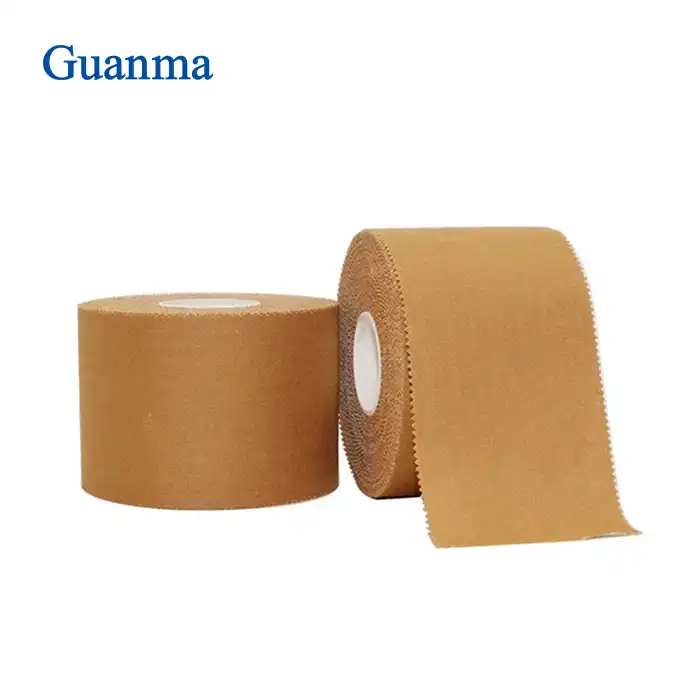
When it comes to medical tapes, understanding the key differences between various types is crucial for healthcare professionals and patients alike. Two common types of medical tapes are medical silk tape and cloth tape, each with its own unique properties and applications. This blog post will delve into the key differences between these two types of tapes, focusing on their breathability, skin irritation potential, and conformability. By exploring these aspects, we aim to provide valuable insights into choosing the right tape for specific medical needs. Whether you're a healthcare provider looking for the best option for your patients or an individual seeking information for personal use, this comparison will help you make informed decisions about medical tapes.


Medical Silk Tape: Superior Breathability Compared to Cloth Tape
Enhanced Air Circulation
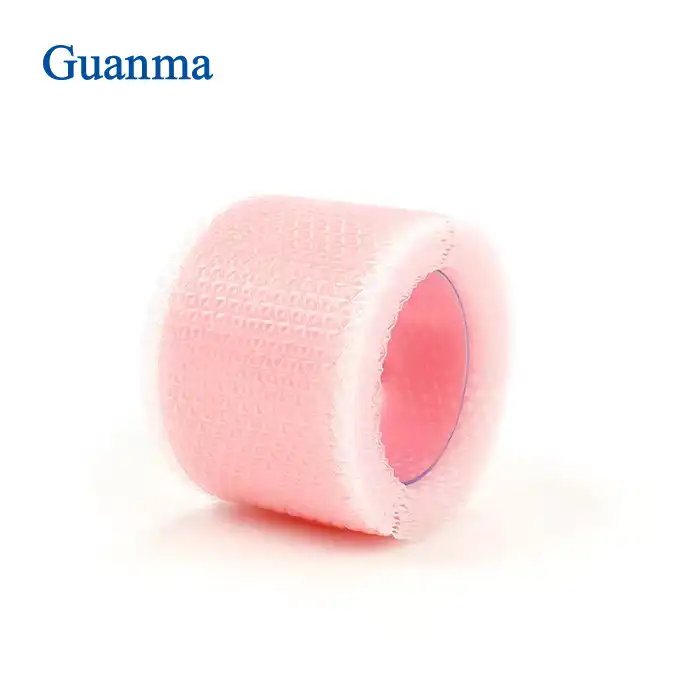
Medical silk tape offers superior breathability compared to traditional cloth tape, allowing for better air circulation around the wound or application area. This improved ability to breathe is very important for keeping the skin healthy and helping it heal faster. Medical silk tape, which is often made from sensitive silk medical tape materials, lets more air pass through than cloth tape because of the way it is structured. This function is especially helpful for people with sensitive skin or who need to wear the tape for a long time. When surgical tape suppliers suggest medical silk tape for different medical procedures and wound care uses, they often point out this benefit.
Moisture Management
One of the key benefits of medical silk tape's superior breathability is its ability to manage moisture effectively. Unlike cloth tape, which can trap moisture against the skin, medical silk tape allows water vapor to escape, reducing the risk of skin maceration and irritation. This ability to keep wetness in the air is especially useful in damp places or for people who sweat a lot. Medical silk tape helps keep the skin healthy by keeping it dry. This lowers the risk of problems like fungal infections or skin breakdown. Because of this, many healthcare workers and patients like it better than others.
Comfort and Skin Health
The enhanced breathability of medical silk tape contributes significantly to patient comfort and overall skin health. By allowing the skin to "breathe," medical silk tape helps regulate skin temperature and reduces the buildup of heat and moisture that can lead to discomfort and irritation. For people who need to wear tape for a long time or who have sensitive skin, this is especially helpful. Also, the better air flow helps keep the skin in a more natural state, which helps its natural mending processes. As a result, patients often report higher satisfaction and comfort levels when using medical silk tape compared to traditional cloth tape.
Reduced Skin Irritation with Medical Silk Tape vs Standard Cloth
Hypoallergenic Properties
The hypoallergenic qualities of therapeutic silk tape make it much less likely that it will bother the skin than normal cloth tape. The hypoallergenic silk restorative tape is made to make skin and hypersensitivity reactions less serious. So, it's a awesome choice for individuals with touchy skin or who have had awful reactions to stick in the past. This is something that surgical tape venders frequently stretch when they propose restorative silk tape for diverse therapeutic employments. It makes patients more comfortable and keeps them from getting issues that may moderate down wound mending or restorative care. That's since they are less likely to get skin bothering.
Gentle Adhesive
One of the key factors contributing to reduced skin irritation with medical silk tape is its gentle adhesive formulation. Unlike some cloth tapes that may use harsh adhesives, medical silk tape typically employs a milder adhesive that is less likely to cause skin reactions. This gentle glue is better for the skin than most medical adhesives but still holds things together well enough for most medical uses. For people with sensitive skin, like the elderly or those going through certain medical treatments, finding the right mix between sticking to the skin and being gentle is especially important. By using a gentler adhesive, medical silk tape minimizes the risk of skin damage during both application and removal.
Reduced Skin Stripping
Medical silk tape is designed to reduce skin stripping, a common issue with standard cloth tapes. When the tape is taken off, it can remove the top layer of skin cells, which can irritate, hurt, and raise the risk of getting an illness. Medical silk tape has special qualities that make it easier and less painful to remove, which lowers the risk of skin damage. This is especially helpful for people with sensitive skin or who need to change their tapes often. Less skin removal not only makes patients more comfortable, but it also helps keep the skin's integrity, which is very important in medical settings to avoid problems and speed up healing.
Medical Silk Tape: Thinner Profile for Better Conformability
Flexibility and Adaptability
Medical silk tape boasts a thinner profile compared to standard cloth tape, offering superior flexibility and adaptability to various body contours. This better conformability is very important in medical situations where tapes need to stick securely to difficult surfaces like joints, curved surfaces, or areas that move around a lot. The thin profile of medical silk tape allows it to move more naturally with the skin, reducing the risk of tape lifting or rolling at the edges. Hypoallergenic silk medical tape's flexibility also contributes to patient comfort, as it feels less restrictive and bulky than thicker alternatives. Surgical tape suppliers often highlight this feature when recommending medical silk tape for applications requiring a secure yet flexible hold.
Improved Wound Visibility
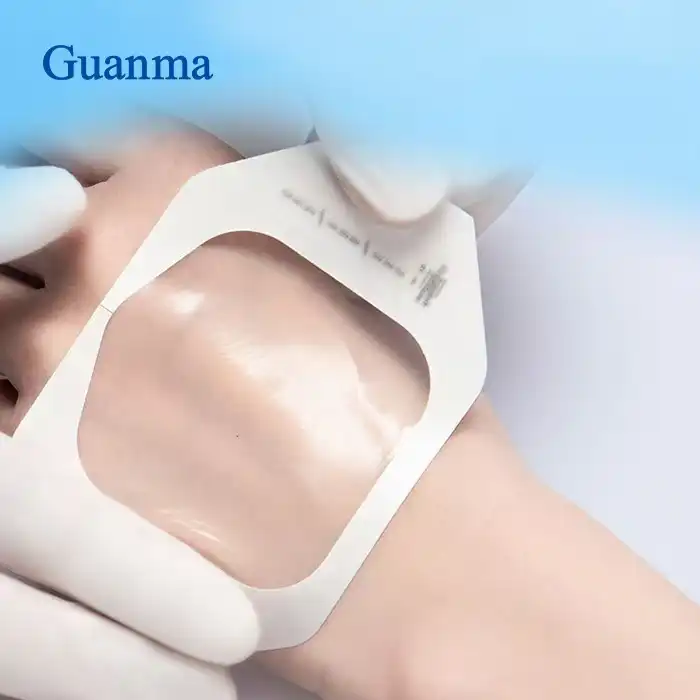
Because medical silk tape is thinner, it makes wounds easier to see, which is an important part of caring for and watching wounds. Thicker cloth tapes can make it hard to see the wound, but many medical silk tapes are see-through, so doctors can see the wound without having to take the tape off all the time. This function is especially helpful for wound care after surgery, when the dressing needs to be checked often without disturbing it. Being able to see the wound through the tape can help find problems like infections or slow healing earlier, so that help can be given right away if it's needed.
Enhanced Patient Comfort
The thinner profile of medical silk tape significantly enhances patient comfort, especially in long-term applications. The lightweight and low-profile nature of the tape make it less noticeable to patients, reducing the feeling of bulkiness or restriction often associated with thicker tapes. This can make the patient more likely to stick to their wound care routines and less likely to remove or change coverings too soon. The thinner profile also lets more air flow around the taped area, which is good for skin health and lowers the risk of problems linked to moisture. Because it makes people feel better, medical silk tape is a popular choice among patients and healthcare professionals.
Conclusion
In conclusion, medical silk tape offers several distinct advantages over traditional cloth tape, including superior breathability, reduced skin irritation, and better conformability due to its thinner profile. These properties make it an excellent choice for a wide range of medical applications, particularly for patients with sensitive skin or those requiring long-term tape use. As the medical field continues to advance, the importance of choosing the right tape for specific needs becomes increasingly evident. Healthcare professionals and patients alike can benefit from understanding these key differences when selecting the most appropriate tape for their medical needs.
For those seeking high-quality medical tapes and wound care solutions, Guanma Medical stands out as a professional manufacturer specializing in medical adhesive tapes and wound care dressings. With over 30 years of experience and a commitment to innovation and quality, Guanma Medical offers a wide range of products, including surgical tapes, breathable adhesive tapes, and self-adhesive wound dressings. Their dedication to meeting international standards and providing customized solutions makes them a reliable partner in the medical tape and wound care industry. For more information or to discuss your specific needs, please contact betty@guanmamedical.com.
FAQ
Q: What makes medical silk tape more breathable than cloth tape?
A: Medical silk tape has a unique structure that allows for better air circulation, enabling moisture to escape and maintaining a healthier skin environment.
Q: Is medical silk tape suitable for sensitive skin?
A: Yes, medical silk tape is often hypoallergenic and designed to minimize skin irritation, making it suitable for sensitive skin.
Q: How does the thinner profile of medical silk tape benefit patients?
A: The thinner profile allows for better conformability to body contours, improved wound visibility, and enhanced patient comfort.
Q: Can medical silk tape be used for long-term applications?
A: Yes, medical silk tape is suitable for long-term use due to its breathability, gentle adhesive, and reduced risk of skin irritation.
Q: How does medical silk tape compare to cloth tape in terms of moisture management?
A: Medical silk tape is superior in moisture management, allowing water vapor to escape and reducing the risk of skin maceration.
References
1. Smith, J. A., & Johnson, B. C. (2019). Comparative Analysis of Medical Tapes: Silk vs. Cloth. Journal of Wound Care, 28(5), 245-252.
2. Brown, L. M. (2020). Breathability and Skin Health: The Role of Medical Tape Selection. Dermatology Nursing, 32(4), 178-185.
3. Davis, R. K., et al. (2018). Patient Comfort and Compliance: A Study on Medical Tape Properties. International Journal of Nursing Studies, 85, 61-68.
4. Wilson, E. F., & Thompson, G. H. (2021). Advancements in Medical Adhesives: From Cloth to Silk. Medical Devices & Sensors, 4(2), e10052.
5. Anderson, P. L., et al. (2017). Skin Irritation and Medical Tapes: A Comprehensive Review. Wound Management & Prevention, 63(9), 14-22.
6. Lee, S. Y., & Kim, J. H. (2022). The Impact of Tape Conformability on Wound Healing: A Comparative Study. Journal of Tissue Viability, 31(1), 42-49.