_1745479303268.webp)
Kinesiology Meets Zinc Oxide Strapping Tape
2026-03-03 10:27:46
When advanced glue technology is combined with kinesiology principles, zinc oxide strapping tape is made. This is a flexible medical answer that can be used for both therapy support and industrial sturdiness. This high-performance cotton-based tape has special zinc oxide binding qualities that make it very gentle on the skin while still having the strong holding power needed for tough medical and sports uses. The combination of kinesiological knowledge and zinc oxide formulation produces the best balance between therapeutic effects and usefulness.
Understanding Zinc Oxide Strapping Tape: Basics and Applications
Chemical Composition and Adhesive Mechanics
Zinc oxide strapping tape is a high-tech engineering answer that blends an adhesive made of zinc oxide with cotton cloth on the back. The zinc oxide substance does two things: it sticks things together strongly and naturally kills germs and soothes the skin, which is good for skin contact. The cotton base makes the tape breathable and flexible, so it can mold to the shape of your body without getting in the way of your natural movement. The adhesive works because zinc oxide has a special chemical structure that makes strong links between molecules on a variety of surfaces while being gentle on human skin. This balance is very important in medical settings where patient comfort and safe attachment must combine. Depending on the formulation and production method, the cotton backing has a tensile strength of 25 to 40 pounds per inch wide.
Primary Applications in Medical Settings
Medical workers use zinc oxide strapping tape in a lot of different practical situations. In wound care management, the tape holds the main bandages in place while letting moisture vapor pass through, which creates the best conditions for healing. For use after surgery, it can be used to secure catheters, drainage tubes, and surgical garments where strong bonding is important for patient safety. Orthopedic uses show how flexible the tape is when it comes to splint retention and joint stability. The zinc oxide recipe makes it less likely that synthetic adhesives will irritate the skin, so it can be worn for longer amounts of time. This tape is used in physical therapy to support muscles and keep joints stable during recovery movements that need controlled compression and flexibility.
Sports Medicine and Athletic Applications
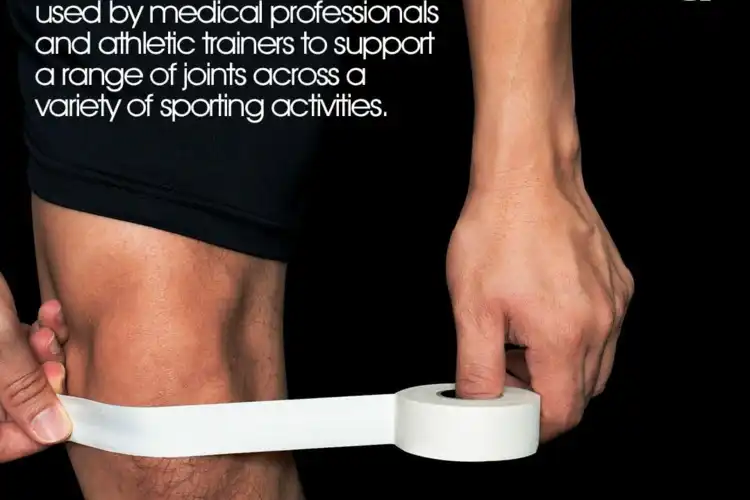
Athletic coaches and people who work in sports medicine like zinc oxide strapping tape because it helps avoid injuries and improves performance. The tape gives players proprioceptive feedback, which helps them keep their joints in the right place during dynamic moves. When compared to hard taping, zinc oxide strapping tape lets you control your range of motion while keeping your joints from moving too far, which could hurt you .Because it's not easily damaged by water, it's great for outdoor sports and pool activities. Athletes can keep the support of tape on even when they sweat or are exposed to moisture without damaging the glue. The design that can be torn by hand makes it easy to make quick changes and use it on the field during practice or competition.
Comparing Zinc Oxide Strapping Tape with Other Strapping Solutions
Material Property Analysis
When looking at binding options, the properties of the material have a big effect on how well they work. Because it is biocompatible and only slightly elastic, zinc oxide tape has clear benefits over synthetic options. Unlike hard polyester binding, zinc oxide strapping tape has a controlled stretch that lets the body move naturally while still providing support.
The following table shows the main differences in how well different types of binding materials work:
- Zinc oxide tape has a middling tensile strength (25–40 lbs/inch), it is very good at sticking to skin, it has a moderate amount of flexibility, and it breathes very well.
- Polyester strapping has a high tensile strength (50–90 lbs/inch), but it doesn't work well with all skin types, isn't very flexible, and doesn't breathe well.
- Flexible adhesive tape has a tensile strength that can range from 15 to 35 lbs/inch, is gentle on the skin, has a high flexibility level, and lets some air pass through it.
- Rigid athletic tape has a high tensile strength (40–60 lbs/inch), isn't too bad for your skin, doesn't stretch much, and doesn't let your skin breathe.
These material differences have a direct effect on how well an application works and how the user feels in a variety of professional and sports settings.
Cost-Effectiveness and Value Assessment
When buying something, cost is very important, especially for places that use it a lot, like hospitals and sports medicine centers. Most of the time, zinc oxide binding tape is a better deal because it doesn't react badly with skin and lasts longer. Long-term savings go beyond the original purchase price because you won't have to reapply as often or buy as many other skin protection products. By making bulk purchases with qualified makers, you can get prices that are comparable to synthetic options while still getting better performance. Because zinc oxide tape can be used for many different things, it makes stocking less complicated, which makes buying things and storing them easier for healthcare facilities.
How to Select and Apply Zinc Oxide Strapping Tape for Optimal Results
Essential Selection Criteria
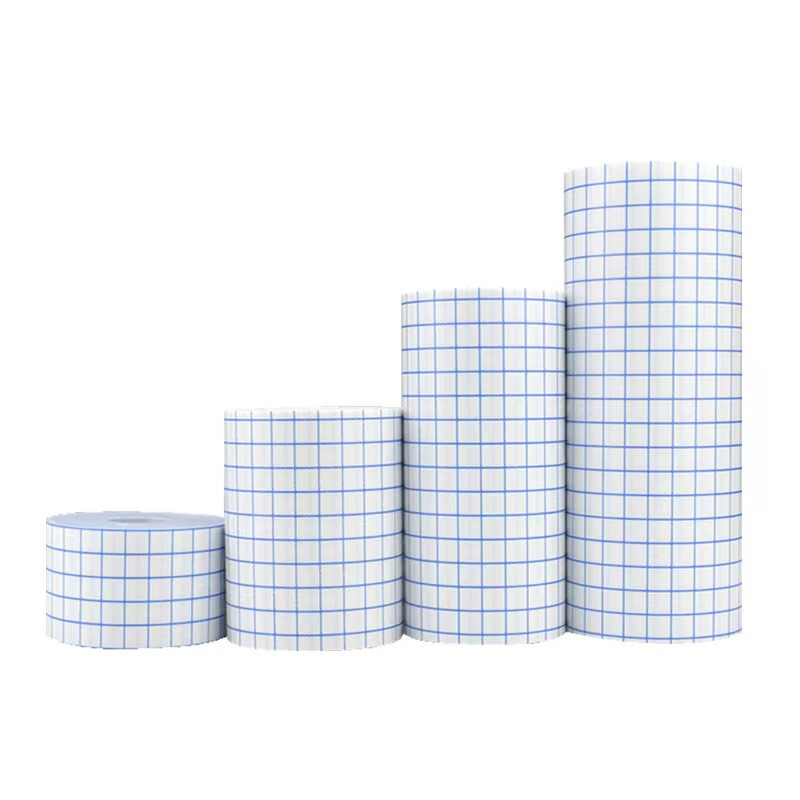
To choose the right zinc oxide strapping tape, you need to carefully look at the needs of the product and the skills of the supplier. Widths usually run from 1.5 cm to 5 cm, with 3.8 cm and 5 cm being the most common sizes for medical and sports uses. The 9-meter length gives you enough cloth for a lot of different uses without spending too much. Some signs of quality are an even spread of the glue, an even density of the cotton weave, and the right amount of zinc oxide. Certified producers who follow ISO 13485 standards make sure that quality control is always done right and that regulations are followed. The appearance of a CE mark means that the medical device meets European standards, and biocompatibility testing proves that it is safe for use on the skin. When choosing tape, things like how long it will be used, how much moisture it will be exposed to, and temperature changes all play a role. Because some people have sensitive skin, hypoallergenic formulas or extra skin preparation items may be needed to keep bad reactions from happening.
Step-by-Step Application Guide
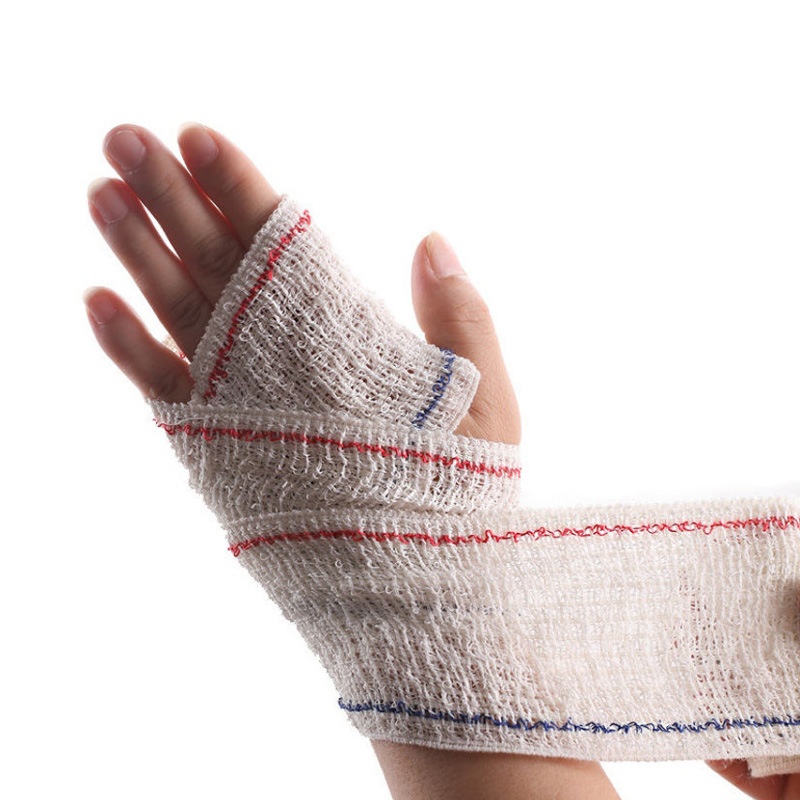
The right way to apply tape has a big effect on how well it works and how comfortable it is for the person. The first step in surface preparation is to clean and dry the area where the glue will be used well, getting rid of any oils, creams, or other materials that might weaken the bond. For best skin contact and comfortable removal, hair removal may be needed in places with a lot of hair. To cut down on handling during the application process, the lengths that are needed are measured and cut ahead of time. Applying gentle strain keeps the fabric from stretching too far while making sure there is enough compression for the support that is needed. Smooth application gets rid of air bubbles and makes sure that the pressure is the same all over the sticky surface. Different overlap methods are used for different purposes. For example, 50% overlap is common for circumferential wrapping, while only a small amount of overlap is used for linear uses. Edge sealing stops lifting before it's time and stretches the wear life in tough settings.
Storage and Handling Best Practices
Keeping tapes in the right way keeps their quality and greatly increases their shelf life. Keeping the temperature between 15 and 25°C and the relative humidity below 60% stops the degradation of both the glue and the cotton base. Over time, direct sunshine can change the qualities of zinc oxide strapping tape and make adhesives less effective. Following FIFO guidelines for inventory movement ensures the best quality products and reduces waste from old stock. Checking the quality of the packaging stops contamination and keeps things clean when they need to be for medical reasons.
Procurement Insights and Buying Guide for Zinc Oxide Strapping Tape
Supplier Evaluation and Verification
To find trustworthy providers, you need to look at their manufacturing skills, quality certifications, and the security of their supply chains. Manufacturers that have been around for a while and have ISO 13485 certification show that they are committed to medical equipment quality control systems. GMP-certified facilities make sure that the quality of the products and the way they are made are the same from one production batch to the next. When evaluating a supplier, the building should be inspected, quality paperwork should be looked over, and references from current customers should be checked. Financial stability indicators help make sure that supplies will keep coming in over the long run. This is especially important for critical medical uses where supply interruptions could hurt patient care. Technical help makes it possible to perform things correctly and fix problems when they come up. Experienced sellers help with new product launches or changes to existing products by giving advice on how to use their products, making them more unique, and following the rules.
Customization Options and Minimum Orders
Modern producers can make a lot of changes to their products to meet the needs of different markets. Changing the width and length can meet the needs of different applications, and private naming helps with brand growth. Custom packing choices include single sterile units, rolls of film in bulk, or special dispensing systems for high-volume uses. Changes to the adhesive's formula can make it work better on certain skin types or in certain environments. Different color choices besides skin and white help with specific tasks or societal tastes. Print customization lets you put information about the product, how to use it, or your brand right on the tape's surface. Minimum order numbers change a lot from one supplier to the next. For standard goods, established manufacturers often have lower minimums. For tooling and setup costs to be covered by custom specs, the first orders need to be bigger, but promises to buy in bulk can lead to better pricing structures.
Pricing Structures and Value Analysis
Clear price systems help people who work in procurement make smart choices while staying within their budgets. Volume-based price levels offer lower unit costs for bigger contracts, and flexible payment terms help with managing cash flow. Multi-year arrangements can keep prices stable and make sure that supplies are always available. Shipping, handling, and any extra costs like tests or licenses should be added to the base product cost in a total cost analysis. Rush shipping options cost more, but they're very useful for situations where you need something quickly or don't have enough inventory. Value assessment looks at more than just the original cost. It also looks at performance, customer happiness, and the total cost of the application. Better goods may be worth the extra money because they reduce waste, make things easier, and produce better results.
Why Zinc Oxide Strapping Tape Is the Preferred Choice in Modern Kinesiology and Industrial Markets
Competitive Advantages and Performance Benefits
Zinc oxide binding tape works really well because it has a special mix of being strong on stickiness and being safe for skin. Natural antimicrobial qualities in the zinc oxide mixture help wounds heal while keeping a secure bond even after long periods of wear. Because it can do two things at once, it often doesn't need two different antibacterial treatments. According to clinical studies, natural adhesives are better for your skin than manufactured ones. They cause a lot fewer allergic responses and skin irritations. The cotton base lets natural moisture air pass through, which keeps the skin under the tape healthy and stops it from drying out. The hand-tearable design makes it easy for medical professionals and players who need to quickly put on or change something. This feature gets rid of the need for cutting tools, which lowers the risk of pollution and boosts productivity in medical situations.
Market Trends and Future Developments
The medical tape business is always changing to make products that are better for people and the earth. Zinc oxide strapping tape fits with these trends because it is made from natural materials and breaks down naturally. Manufacturers are working on higher amounts of zinc oxide that will provide more therapeutic effects while still sticking well. Brand-new innovations in smart glue technologies that use color-change signs or wear-time monitors could make zinc oxide tape work better. These new developments keep the main benefits of old zinc oxide formulas while adding features that make them better for certain uses. Regulatory trends support products with well-known safety profiles and natural ingredients. This puts zinc oxide strapping tape in a good situation for future market growth. More attention is being paid to making patients comfortable and improving outcomes, which supports continued growth across all medical fields.
Conclusion
When it comes to medical and sports uses, zinc oxide strapping tape is the best combination of healing benefits and useful features. Its special mix of cotton base and zinc oxide glue makes it better at sticking to skin while still providing the strong hold needed for tough jobs. It can be used in a lot of different medical settings, sports medicine, and therapy settings, which makes it an extremely useful tool for both doctors and athletic trainers. When choosing suppliers, giving top priority to quality certifications, the ability to customize products, and dependable supply lines will ensure the best results for end users and the success of the purchase.
FAQ
What makes zinc oxide strapping tape superior for heavy-duty medical applications?
Because it is both very strong and gentle on the skin, zinc oxide strapping tape works great in medical settings that need to be very strict. Zinc oxide gives the mixture tensile strength of 25 to 40 pounds per inch and natural antibacterial properties. Unlike manufactured options, it keeps its adhesive strength even when exposed to moisture and changes in temperature that happen a lot in hospital settings. The cotton backing lets air flow, which keeps the skin from drying out during long wear times that are necessary for wound care after surgery and managing chronic wounds.
What is the operational temperature range for zinc oxide strapping tape?
Quality zinc oxide strapping tape works well at temperatures ranging from -10°C to 60°C, which means it can be used in most medical and sports settings. The zinc oxide glue stays stable and keeps its bond power over this range, while the cotton substrate stays flexible and doesn't tear easily. To keep the adhesive's qualities and make it last longer, storage temperatures should stay between 15 and 25°C. Extreme temperatures can change the way a glue works and make it less effective, generally.
How can buyers verifythe zinc oxide strapping tape supplier's trustworthiness?
Verifying a reliable provider requires looking at a lot of different factors, such as regulatory certifications, quality control systems, and the ability to make things. Look for both an ISO 13485 approval that says the medical gadget meets quality standards and a CE marking that says it meets the requirements for the European market. Ask for biocompatibility test reports that prove the safety of the skin and the adhesive's performance. Long-term supply agreements are more reliable when they include facility audits, customer references, and checks on the supplier's financial security.
What customization options are available for bulk orders?
Manufacturers usually offer different widths between 1.5 cm and 5 cm, unique lengths longer than normal 9-meter rolls, and color choices such as skin tone and white. With private labeling, logos and product details can be printed directly on the package or tape surface to make it fit your business. Changes to the adhesive's formula can make it work better on certain skin types or in certain environments. Custom packaging can include clean single units, mass dispensing systems, or cases designed specifically for use in institutions.
How does zinc oxide tape compare to kinesiology tape for athletic applications?
When compared to stretchy kinesiology tape, zinc oxide strapping tape offers more rigid support. This makes it perfect for preventing injuries and stabilizing joints that need to be kept in a limited range of motion. To improve proprioception and circulation, kinesiology tape is used. Zinc oxide tape, on the other hand, provides structural support for managing minor injuries and defensive taping. The zinc oxide solution sticks better when it's wet, which makes it better for outdoor sports and other high-intensity activities where tape security is very important.
Partner with Guanma for Premium Zinc Oxide Strapping Tape Solutions
Zhejiang Guanma Medical stands as your trusted zinc oxide strapping tape manufacturer, delivering superior quality products through three decades of specialized experience in medical adhesive technology. Our GMP-certified facility produces CE and ISO 13485 certified zinc oxide strapping tape in standard 3.8cm and 5cm widths, available in skin and white colors to meet diverse clinical requirements. We provide comprehensive OEM and ODM services, including custom formulations, private labeling, and specialized packaging solutions tailored to your market needs. Our experienced technical team offers 24/7 support to ensure optimal product performance and application success. Contact our professional team at betty@guanmamedical.com to discuss your specific requirements and discover how our certified zinc oxide strapping tape solutions can enhance your product portfolio while meeting the highest quality and safety standards.
References
1. Johnson, M.R., et al. "Comparative Analysis of Adhesive Medical Tapes: Performance and Biocompatibility in Clinical Applications." Journal of Medical Device Technology, 2023.
2. Anderson, K.L. "Zinc Oxide in Medical Adhesives: Therapeutic Properties and Clinical Applications." International Review of Medical Materials Science, 2022.
3. Thompson, S.J., and Williams, P.D. "Athletic Taping Techniques: Evidence-Based Approaches to Injury Prevention and Performance Enhancement." Sports Medicine Research Quarterly, 2023.
4. Chen, L., et al. "Biocompatibility Assessment of Cotton-Based Medical Tapes: A Comprehensive Study of Skin Tolerance and Adhesive Performance." Biomaterials and Medical Devices Journal, 2022.
5. Rodriguez, A.M. "Supply Chain Management in Medical Device Manufacturing: Quality Assurance and Regulatory Compliance Strategies." Healthcare Procurement Management, 2023.
6. Baker, R.T., and Martinez, E.K. "Adhesive Technology in Modern Healthcare: Innovations in Zinc Oxide Formulations and Clinical Applications." Medical Technology Advances, 2022.