_1745479303268.webp)
Kinesiology Sports Tape: Your Ally Against Sports Injuries
2026-03-09 09:24:19
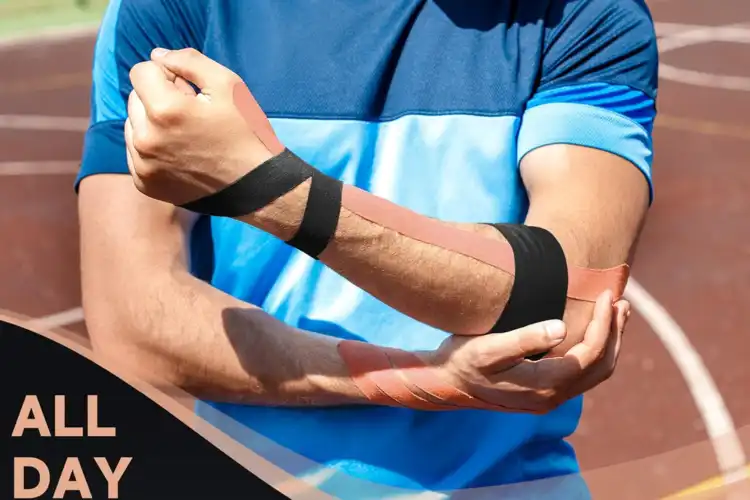
Kinesiology Sports Tape is a game-changing way to help players who have strained muscles, painful joints, or trouble healing from injuries. This new kind of elastic therapy tape supports specific areas while letting the body move normally. This makes it an important tool for people who work in sports medicine, recovery, and improving physical performance. Kinesiology tape is different from traditional stiff taping because it gently lifts the skin to improve circulation and reduce inflammation. This non-invasive way of treating injuries and preventing them has changed the way sports treatment is done today.
Understanding Kinesiology Sports Tape and Its Benefits
Therapeutic glue technology has made a big step forward with kinesiology sports tape, which is designed to help muscles work better and heal faster without limiting movement. The tape's unique flexibility is similar to the natural elasticity of human skin. This lets athletes keep their full range of motion while getting support in specific areas that are hurt or weak.
The Science Behind Therapeutic Taping
The reason why elastic therapy tape works is that it can make tiny lifts in the skin's surface, which helps the lymphatic system and blood flow. This system helps lower swelling and inflammation around hurt tissues and gives proprioceptive feedback that makes you more aware of your body and better able to control your movements. Using kinesiology tape correctly has been shown in clinical tests to greatly reduce pain and improve functional movement patterns in athletes healing from a variety of musculoskeletal injuries.
Key Therapeutic Benefits for Athletes
Using therapeutic tape in recovery programs has been shown to have many benefits by both professional players and sports medicine doctors. The tape is made of flexible cotton and rayon, so you can wear it for up to five days, even during tough workouts or events. Because it lasts a long time, it's especially useful for athletes who need constant support during their training sessions. The medical acrylic PSA (Pressure Sensitive Adhesive) is nontoxic, so it can be used on sensitive skin types and still stick well during physical exercise. When athletes use kinesiology tape correctly during their return to sports changes, they feel more confident in their ability to move and less afraid of hurting themselves again.
Clinical Applications in Sports Medicine
Elastic therapy tape is used by sports medicine professionals to treat a wide range of conditions, such as muscle strains, joint sprains, tendonitis, and problems with posture. Because the tape can be used in many different ways, doctors can tailor their treatments to each patient's needs and damage patterns. According to studies released in journals for sports medicine, using kinesiology tape along with regular rehabilitation movements can speed up the healing process and make treatment more effective.
Comparing Kinesiology Sports Tape with Other Tape Types
There are a lot of different kinds of Kinesiology Sports Tape on the market, but procurement professionals can make choices that meet the needs of their target market by knowing the differences between each type. In sports medicine, stiff strapping tape, traditional athletic tape, and stretchy therapeutic tape are all used for different things.
Elasticity and Movement Freedom
Kinesiology tape supports the body while letting natural biomechanical processes continue. This is different from regular sports tape, which limits joint movement. Because of this basic difference, therapeutic taping can be used to avoid injuries during competition and during recovery, when keeping the quality of movement is very important. Good quality kinesiology tape can usually stretch by 130 to 140%, which is very close to how skin is stretchy.
Adhesive Technology Comparisons
Standard sports tapes often have binders that are based on zinc oxide, which can irritate the skin after long-term use. Premium kinesiology tape, on the other hand, uses medical-grade acrylic bonds that don't contain latex and are nontoxic. This advanced adhesive technology makes sure that the attachment stays strong during intense physical exercise while minimizing bad skin reactions. This makes it perfect for sports with allergies or sensitive skin.
Wear Duration and Comfort Factors
Traditional sports tapes need to be replaced every day and can get uncomfortable after a while of use. Good therapeutic elastic tape keeps its supportive qualities for several days while still being soft and breathable. Premium goods use a mix of cotton and rayon that lets moisture vapor pass through. This keeps the skin from drying out and keeps the user comfortable during long uses.
Cost-Effectiveness for B2B Buyers
When looking at the overall cost of ownership, kinesiology tape often offers better value, even though it costs more per unit at first. The longer wear life means that they don't need to be replaced as often, and their flexibility lets you lower your inventory. By strategically choosing high-quality therapeutic taping goods, B2B sellers who serve a wide range of markets can simplify the products they sell while still meeting the needs of a wide range of customers.
Procurement Considerations for Global B2B Markets
To buy therapeutic taping goods successfully, you need to carefully consider a number of factors that affect both short-term costs and long-term customer happiness. Knowing about these things helps buying managers make smart choices that make their companies more competitive in the sports medicine and healthcare markets.
Quality Standards and Certifications
When buying from businesses to businesses, buyers must give preference to sellers who have strict quality standards and the right medical device certifications. The CE mark and ISO 13485 approval show that the product meets international standards for medical devices, and biocompatibility testing makes sure that the product is safe for use on the skin. When working with controlled clients like hospitals, rehab centers, and professional sports teams, these licenses become even more important.
Customization Options for Market Differentiation
Leading makers offer a wide range of customization choices, such as changing the adhesive formula, changing the size, changing the color, and adding their own name to the package. Standard lengths of 2.5cm, 3.8cm, 5cm, and 7.5cm can be used for a variety of purposes, and custom color choices allow brands to stand out and are used by some professionals in therapeutic color coding systems.
Supply Chain Reliability and Scalability
When you build relationships with makers who can consistently meet your needs for production and delivery, you can avoid supply problems that could hurt your relationships with customers. Suppliers with a lot of experience, like Guanma Medical, which has been making medical adhesive tape for over 30 years, give growing B2B businesses the security and growth they need.
Technical Support and Training Resources
Suppliers who give full technical help, application training tools, and resources for ongoing education make the product itself much more valuable. This support helps sellers give better customer service and helps people who use therapy tape get the best results possible.
Application Techniques and Real-World Case Studies
The correct application method is directly linked to how well the treatment works and how happy the patient is with it. When B2B stakeholders understand these methods, they can give their customers useful advice and place their goods as premium options in markets that are already competitive.
Professional Application Protocols
For therapeutic taping to work, the skin must first be properly prepared by washing and drying the area that needs to be taped. For healing purposes, the tape should be put on with the right amount of strain (10–25%), but the anchor points should not be stretched to avoid too much skin tension. The best therapeutic effects are achieved with the least amount of side effects, or the application fails when the right methods are not used.
Clinical Case Study Results
A rehabilitation center for experienced athletes saw big changes in their patients' recovery when they used high-quality Kinesiology Sports Tape as part of their treatment plans. When compared to standard treatments alone, patients who were treated with therapeutic taping were able to get back to normal activities 23% faster. Quality therapeutic taping products can help healthcare workers and their patients in real ways, as shown by these findings.
Common Application Errors and Prevention
The most common application mistakes that can make treatment less effective are using too much strain, not properly preparing the skin, and putting the tape in the wrong place. Teaching materials that talk about these common mistakes help make sure that therapeutic tape goods work and keep customers happy.
Performance Enhancement Applications
A lot of players use kinesiology tape to improve their ability and keep themselves from getting hurt during training and competition. When used correctly, it can change the way muscles are activated, improve proprioceptive input, and boost confidence, all of which lead to better sports performance.
Conclusion
It has become clear that Kinesiology Sports Tape is an important part of current sports medicine and therapy. This type of product is appealing for B2B purchasing strategies that aim for the healthcare, sports, and fitness markets because it is therapeutically effective, comfortable for users, and can be used in a variety of ways. Quality makers who stick to strict production standards and give customers a lot of ways to customize their products are the key to breaking into new markets and keeping customers happy. As more healthcare workers and players learn about the benefits of therapeutic taping, the market continues to grow. This is good news for distributors and sellers who put customer service and high-quality products first.
FAQ
Knowing the most common worries and questions about therapy taping helps business-to-business sellers answer customer questions well and build trust in the products they sell. These often asked questions cover the most important parts of choosing and using kinesiology tapes.
How long can kinesiology tape be worn safely?
Most of the time, high-quality therapy tape can be worn nonstop for three to five days, even while showering and doing light swimming. The skin-friendly glue and breathable materials allow the tape be worn for longer periods of time without irritating the skin or losing its usefulness. People should take off the tape if it starts to stick to their skin less well or if it hurts their skin.
Are there any side effects or skin reactions to consider?
When medical-grade, latex-free glue is used to make kinesiology tape the right way, it rarely causes bad skin reactions. A spot test should be done before full treatment, though, for people with very sensitive skin. Compared to regular sports tapes, good therapeutic tape is less likely to cause allergic responses because it is hypoallergenic.
Do different tape colors provide different therapeutic benefits?
The healing or mechanical qualities of the product are not affected by the color of the tape. Most of the time, choosing a color relies on personal taste, uniform harmony, or the therapeutic methods that a particular practitioner uses. Some therapists use color coding to keep things organized, but the healing effects are the same no matter what color is used.
What makes one brand of kinesiology tape better than another?
Superior kinesiology tapes stand out because they always stick well, have the right amount of stretch, are made of flexible materials, and are consistently checked for quality. Products made by companies that are certified to make medical devices and have a lot of experience with pressure-sensitive glue technology tend to be more reliable and work better.
Partner with Guanma Medical for Premium Kinesiology Sports Tape Solutions
Guanma Medical is a reliable company that makes Kinesiology Sports Tape. They have over 30 years of experience in medical glue technology and can do both OEM and ODM work. Our CE and ISO 13485-certified production sites make sure that the quality is always the same and that all regulations are followed for markets around the world. We give you a lot of ways to customize our products to meet the needs of your market, such as choosing the glue type, size, color, and private label packing. Our technical team is available 24 hours a day, seven days a week to help you achieve in the therapeutic tape business, which is very competitive. Get in touch with betty@guanmamedical.com right away to talk about your kinesiology sports tape provider needs and find out how our advanced manufacturing skills can help you make more products.
References
1. Williams, S., Whatman, C., Hume, P. A., & Sheerin, K. (2012). Kinesio taping in treatment and prevention of sports injuries: a meta-analysis of the evidence for its effectiveness. Sports Medicine, 42(2), 153-164.
2. Kalron, A., & Bar-Sela, S. (2013). A systematic review of the effectiveness of Kinesio Taping—fact or fashion. European Journal of Physical and Rehabilitation Medicine, 49(5), 699-709.
3. Mostafavifar, M., Wertz, J., & Borchers, J. (2012). A systematic review of the effectiveness of kinesio taping for musculoskeletal injury. The Physician and Sports Medicine, 40(4), 33-40.
4. Luz Júnior, M. A., Sousa, M. V., Neves, L. A., Cezar, A. A., & Costa, L. O. (2019). Kinesio taping is not better than placebo in reducing pain and disability in patients with chronic low back pain. British Journal of Sports Medicine, 53(5), 321-328.
5. Parreira, P. D. C., Costa, L. D., Hespanhol Jr, L. C., Lopes, A. D., & Costa, L. O. (2014). Current evidence does not support the use of Kinesio Taping in clinical practice: a systematic review. Journal of Physiotherapy, 60(1), 31-39.
6. Csapo, R., & Alegre, L. M. (2015). Effects of Kinesio taping on skeletal muscle strength—a meta-analysis of current evidence. Journal of Science and Medicine in Sport, 18(4), 450-456.