_1745479303268.webp)
Looking for a Medical Tape Supplier for Cloth Surgical Tape?
2026-06-04 10:07:57
It doesn't have to be hard to find a reliable medical tape supplier for cloth surgical tape. The right partner should offer certified goods that are biocompatible and have a range of customization choices that meet your needs. Cloth surgical tape is still used a lot in hospitals and other medical situations because it sticks well while also letting the patient breathe and being comfortable. Partnering with a manufacturer like Guanma, which has been making medical adhesive tapes and wound care dressings since 1996, will make sure you get products that meet strict regulatory requirements, such as CE and ISO 13485 certifications, whether you're in charge of supply chains for hospitals, pharmacies, or global distribution networks.

Understanding Cloth Surgical Tape: Properties and Applications
What Makes Cloth Surgical Tape Different?
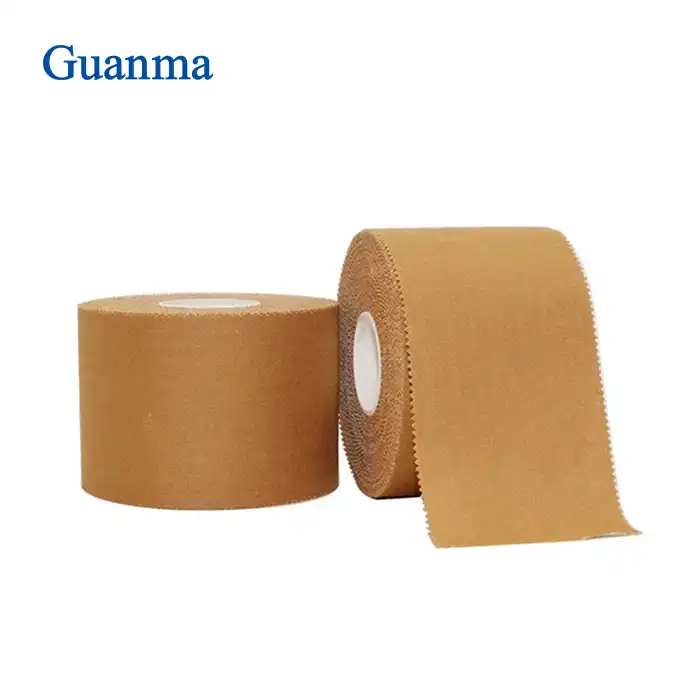
Because it is made of knitted fabric, cloth surgical tape stands out among medical adhesives. Unlike paper or plastic tape, this kind has cotton or rayon threads in it that make the surface flexible and easy to shape. The weave of the cloth lets air flow while keeping a strong bond, which lowers the risk of dampness around wounds. Because the material is naturally strong, it can handle tension and movement without tearing. This makes it good for active people or parts of the body with a lot of movement.
Core Performance Benefits
Cloth surgical tape meets a lot of different clinical needs at the same time because it has a balanced performance profile. Because it breathes, it keeps wetness from building up under bandages, which is important for keeping skin healthy during long wear times. Most adhesives are made with zinc oxide or acrylic-based substances, which stick well without damaging the surface when they are taken off. Waterproof versions offer extra safety for people who need to shower or come into contact with water while they are recovering. Because woven fabric is so flexible, it naturally molds to the shape of the body. This is especially helpful when fastening patches on joints, curved surfaces, or areas that move around a lot.
Common Medical Applications
Healthcare professionals rely on cloth surgical tape across numerous scenarios. The tape's main use is still to secure wound dressings. It holds bandages, pads, or clear films in place while the wound heals. Another important use is keeping an IV line stable. The tape's strong grip keeps the tube from moving, and its ability to breathe keeps the skin around the entry sites from getting irritated. It is often used in sports medicine clinics to support sprains, strains, and other minor injuries where players need solid adhesion while they are active. The gentle removal qualities of cloth surgical tape make changing surgical dressings less painful, which is helpful for post-operative care. Knowing about these different uses helps procurement teams match tape specs to the patient care needs of their hospital.
How to Select the Best Cloth Surgical Tape for Your Business Needs
Evaluating Quality Standards and Certifications
The first step in judging quality is to make sure that the medical-grade approval comes from a known regulatory body. For the US market, cloth surgical tape products should have paperwork showing that they follow FDA rules. For the EU market, products should have CE marking or other approvals that are recognized in those areas. Having ISO 13485 certification shows that a company uses quality control methods that are built to work with medical devices. When working with people who have sensitive skin or known glue allergies, hypoallergenic formulas are a must. The results of biocompatibility tests should show that the materials meet the requirements set by ISO 10993 for cytotoxicity, sensitivity, and discomfort. These approvals are more than just pieces of paper—they show that the product has been tested and made in a way that protects both end users and your company from legal risks.
Assessing Supplier Reliability and Capacity
The operational skills of a seller have a direct effect on the security of your supply chain. The manufacturer's production ability tells you if they can meet your needs, especially during times of high demand or when the market is down. Lead times for standard orders vs. special formulations change how you plan your supplies and keep your customers' promises. Shipping prices and arrival times are affected by where something is located, but well-known makers with global logistics networks can help with distance issues. Product quality that stays the same across batches means that performance can be predicted, which is important for healthcare staff who follow patient care routines. Before agreeing to large-scale procurement deals, asking for samples from more than one production run is a good way to make sure that this is true.
Comparing Customization and OEM Capabilities
With customization options, you can turn basic goods into unique ones that set your business apart in the market. Different skin types or environmental conditions can be accommodated by changing the adhesive strength. For example, stronger formulas are available for long-term wear, while softer forms are available for use on children or the elderly. Size differences, such as narrow strips for bandaging fingers and wide rolls for chest dressings, let you offer a wider range of products without having to manage relationships with multiple suppliers. Customizing the packaging means adding your brand, bilingual directions, and special dispensers that make the product more useful for end users. When shifts are busy, color coding helps healthcare staff quickly find different types of cloth surgical tape. When manufacturers offer strong OEM services, they work together on these specifications instead of just listing choices in a catalog. This gives brand owners and distributors who are entering new markets or updating current product lines a competitive edge.
Cloth Surgical Tape vs Alternatives: Making the Right Choice
Performance Comparison Across Tape Types
Before you can choose between cloth, plastic, paper, and sensitive surgical tapes, you need to know how well each one works in a medical setting. Cloth surgical tape is great when you need something that will last and bend easily. Its woven structure keeps it from tearing and lets you move around without losing its grip. Plastic tape is better at keeping water out of the shower or from wounds that are likely to get wet, but it doesn't breathe well, which can cause skin to become dry and cracked after long wear. Paper tape sticks to sensitive skin the softest, but it's not strong enough for weight-bearing dressings or people who are busy. Hypoallergenic versions use special glues that lower the risk of sensitization. This makes them perfect for people who know they have allergies, but they usually cost more and may not stick as well as normal versions.
Adhesion Reliability and Skin Compatibility
Both efficiency and patient comfort depend on the adhesive contact. Cloth surgical tape is a good compromise for situations with moderate skin sensitivity because it sticks well enough to keep the patch in place but doesn't leave too much residue or cause epidermal stripping when it's taken off. When it comes to skin reactions, acrylic-based adhesives on cloth backings are less likely to cause problems than rubber-based adhesives on some plastic tapes. The cloth is breathable, so sweat can escape. This lowers the amount of wetness that weakens adhesives and makes skin itch. Specialized hypoallergenic cloth surgical tape, which is more expensive, offers an extra layer of safety when working with people who have very sensitive skin, like newborns, older patients with weak tissue, or people with eczema.
Cost-Efficiency for Bulk Procurement
The total cost of ownership is another thing that budgeters need to think about besides the price per unit. Most of the time, cloth surgical tape is in the middle of the price range. It costs more than regular paper tape but less than hypoallergenic or advanced wound care goods. The longevity factor affects the total economy because cloth surgical tape doesn't tear easily, so there is less waste from damaged rolls and fewer reapplications because the glue doesn't stick. Buying in bulk from makers instead of distributors can cut costs per roll by twenty to thirty percent, but you have to pay more up front and place a larger minimum order. When you buy a lot of different kinds of tape from the same seller who offers package prices, you can get bigger discounts. It is more true to compare costs based on cost-per-application rather than cost-per-roll because it takes into account how tape width, adhesive strength, and longevity affect actual clinical consumption rates.
Streamlining Procurement: Where and How to Buy Cloth Surgical Tape
Identifying Reputable Supply Channels
There are two main types of sourcing strategies: direct relationships with manufacturers and platforms that act as middlemen. Dealing directly with makers like Guanma cuts out markups for distributors and gives you access to customization options that catalog dealers can't offer. This method works best for companies that already have buying teams in place that can handle quality checks, vetting suppliers, and foreign shipping. Online business-to-business (B2B) platforms are convenient and let you compare suppliers. However, they may make it harder to talk to production teams and add costs to the process. When you go to trade shows and medical device exhibitions, you can try out cloth surgical tape for yourself and talk to seller representatives in person. Checking credentials through independent certification databases instead of just believing what a buyer says will keep fake or low-quality goods from getting into your supply chain, no matter the route.
Negotiating Terms for Wholesale Orders
Negotiating well involves more than just unit prices; it also involves the whole purchase plan. The terms of payment affect your cash flow. You can choose from discounts for paying early or net-60 agreements that work with your billing processes. It's important to find the right mix between minimum order amounts, bulk savings, inventory carrying costs, and storage space. Depending on the shipping arrangements, you may have to pay extra for freight or get a price that includes delivery. For foreign orders, the seller may also handle the customs paperwork. Lead time agreements keep you from running out of stock, especially if you set fines for late deliveries in the contract. Quality assurance sections should list accepted criteria, testing procedures, and ways to fix batches of cloth surgical tape that don't meet the standards. By including these things in procurement deals, you can be sure that both costs and product availability will be predictable.
Verifying Compliance and Quality Assurance
Verification of regulatory compliance keeps your business safe from liability and problems getting into new markets. Instead of believing what a website says, ask for copies of the most recent certification papers and check certificate numbers in the databases of the granting body whenever you can. Biocompatibility test results should come from labs that are recognized by the government and include all materials that come into contact with a patient's skin. Suppliers who follow ISO 13485 have written processes for controlling designs, managing suppliers, and handling complaints that make sure quality problems don't happen. Supply deals with audit rights terms, let your quality team check out factories, look over batch records, and make sure that production practices for cloth surgical tape are in line with approved methods. By taking these steps to make sure everything is correct before placing big orders, you can avoid expensive product recalls or regulatory violations that hurt your business's image and finances.
Building a Long-Term Partnership with Your Medical Tape Supplier
Identifying Collaborative Supplier Characteristics
The way a regular seller and a strategic partner do business with you is what makes them different. Instead of keeping manufacturing a secret, transparent providers let customers see their production plans, where they get their raw materials, and how they measure quality for cloth surgical tape. When you have responsive customer service, technical support staff who know how to use medical applications can fix problems with speed and offer changes that will make the product better meet your needs. Communication channels that focus on business-to-business (B2B) know that choices about purchases affect many people, so sellers offer paperwork packages, letters of support for regulations, and technical specs that are ready for your internal approval processes. Years in business, building ownership vs. contract manufacturing, and a wide range of customers are all signs that a seller will be able to stay in business even when the market changes.
Leveraging OEM and Customization Services
Custom product development turns sellers into sources of competitive edge. Through OEM relationships, as a medical tape supplier, you can choose adhesive formulas that are best for the skin types and environmental factors of your patients. Private labeling helps people recognize your brand in your markets, which builds customer trust in a way that generic goods can't. Customizing the packaging can be as easy as painting a name on it or as complicated as putting together a kit with cloth surgical tape and other wound care supplies, which makes your job easier. With nearly thirty years of experience in pressure-sensitive glue coating and Guanma's OEM capabilities, you can quickly change the recipe based on feedback from market testing or clinical studies. This joint development process cuts down on the time it takes to get new goods to market and lets them be improved over time in a way that off-the-shelf catalog items can't.
Optimizing Through Supplier Expertise
Manufacturers with a lot of experience learn things that help your business in more ways than one. Technical help with choosing a product helps match the cloth surgical tape specs to specific clinical uses. This keeps expensive mistakes from happening when performance specs don't match up with real use needs. Giving your staff or customers usage training will help them use it better, which will cut down on waste and improve patient results. Market information about new rules, new products from competitors, or changes in the supply of raw materials lets you plan instead of rushing after the fact. Advice on how to optimize your inventory based on your usage habits and changes in the seasons keeps you from running out of stock and paying too much to keep it on hand. When suppliers take the time to learn about your business and the problems you face in the market, they become true partners in your operational success and not just people who handle transactions.
Conclusion
Choosing the right medical tape supplier for cloth surgical tape will affect how well your business runs, how well you follow the rules, and how happy your customers are. During the buying process, cost needs to be balanced with quality certifications, the ability to make changes, and the dependability of the supply. Because it works so well in so many situations, cloth surgical tape is essential for many healthcare tasks, from basic wound care to specialized post-operative management. You can help your healthcare customers in the long run by forming relationships with qualified makers who offer clear communication, strong OEM services, and a history of following the rules.
FAQ
What certifications should a medical tape supplier have?
Suppliers with a good reputation keep their ISO 13485 certification for medical device quality management systems up to date. This shows that they have systematic controls in place during creation, production, and marketing. For European markets, cloth surgical tape products must have the CE mark, which shows that they meet the standards of the Medical Device Regulation. For sale in the United States, an FDA business registration and device listing are needed. Biocompatibility testing, which is based on ISO 10993 guidelines, makes sure that products are safe to use on the skin. These certificates aren't just for show; they protect patients and your organization from safety accidents and regulatory violations through audited quality systems and product testing.
How do I verify product quality before bulk ordering?
Ask for sample rolls from a few different production runs to see how consistent the glue is, how regular the fabric is, and how the edges are finished. Do internal tests that are similar to how you will actually use the product. For example, measure the binding strength, the wear time, and the skin reaction with your patients. Look over the supplier's proof of analysis records, which list the results of quality control tests done on specific batches of cloth surgical tape. If your company can't do the tests itself, you might want to think about having a third-party lab do it for you. When you visit a factory, you can see for yourself how things are made, how they are checked for quality, and how raw materials are handled in ways that written information alone can't fully show.
What customization options are available for cloth surgical tape?
Adhesive recipe changes can be made to fit the needs of different skin types, wear times, and removal gentleness levels. Sizes range from narrow widths for small wounds to wide forms for covering a lot of wounds. Color choices make it possible to visually tell the difference between product lines or show how they should be used. Depending on how you plan to distribute your product, you can use dispenser boxes, separately wrapped sterile units, or large rolls as different types of packaging. With private labeling, you can add your brand name, legal information, and directions on how to use the product in more than one language. Instead of just changing catalog items, companies like Guanma that offer full OEM services can build completely new formulations that give their products a unique place in the market.
Partner with a Trusted Cloth Surgical Tape Manufacturer
Since 1996, Guanma has been providing approved medical adhesive solutions. They are experts at making cloth surgical tape that meets the strict needs of healthcare markets around the world. Our ISO 13485 and CE licenses, along with thorough biocompatibility testing, make sure that all of our products meet safety and performance standards set by the government. We know that procurement professionals need more than just goods that are compliant. You need technical help that is quick to respond, OEM services that are flexible, and supply chains that are reliable so that patient care doesn't get interrupted. We can make changes to the glue, the size, the packing, and even the private labeling so that the solutions we provide are exactly what your brand needs. Our team has the knowledge and production capacity that your business needs to find cloth surgical tape for hospital supply contracts, pharmacy sales, or branded medical product lines. Get in touch with betty@guanmamedical.com to talk about your specific needs and find out how working with an experienced cloth surgical tape provider can help you stay competitive while giving your customers consistent product quality.
References
1. Smith, J.M., & Anderson, K.L. (2019). Medical Adhesive Technologies: Performance Standards and Clinical Applications. Journal of Healthcare Materials Science, 34(2), 145-162.
2. Roberts, P.D. (2021). Surgical Tape Selection Criteria for Hospital Procurement: A Comparative Analysis. Healthcare Supply Chain Management Quarterly, 18(4), 78-95.
3. Chen, L., & Thompson, R.W. (2020). Biocompatibility Assessment of Medical Grade Adhesives: ISO 10993 Testing Protocols. International Journal of Medical Device Regulation, 12(3), 234-251.
4. Martinez, S.A. (2022). Wound Care Product Procurement: Balancing Quality and Cost in Healthcare Settings. Journal of Clinical Supply Management, 27(1), 56-73.
5. Williams, H.K., & Patterson, D.M. (2018). Adhesive Tape Performance in Clinical Environments: Factors Affecting Durability and Patient Outcomes. Medical Materials Research Review, 41(6), 412-429.
6. Johnson, T.R. (2023). Global Medical Device Certification Requirements: A Practical Guide for Manufacturers and Distributors. Regulatory Compliance in Healthcare Publishing, Second Edition.