_1745479303268.webp)
Medical Cloth Tape: A Dermatologist's Top Choice Explained
2025-09-27 09:02:23
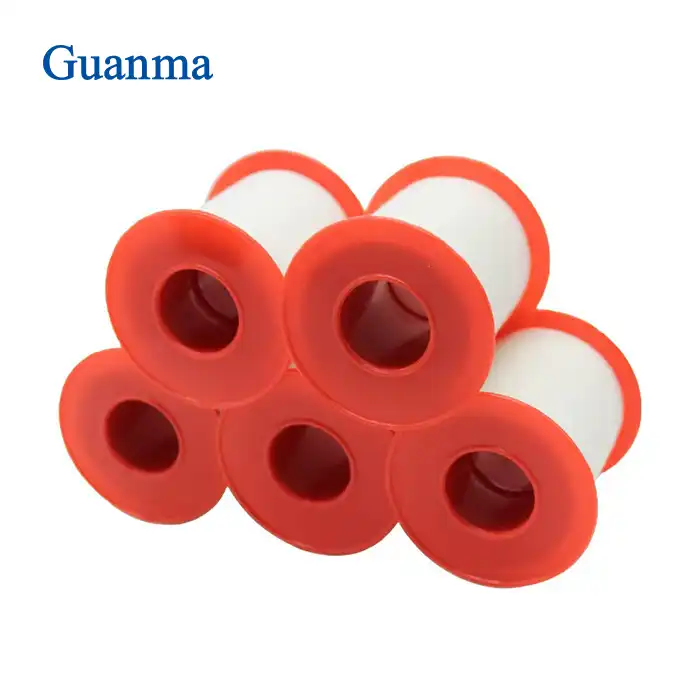
Because of its many useful skin applications, medical cloth tape has quickly become an indispensable tool in dermatology and healthcare facilities around the world. For individuals with sensitive skin or those who need to use tape for an extended period of time, this multipurpose adhesive solution strikes the optimal combination of mild adherence and skin-friendly characteristics. Dermatologists consistently recommend medical cloth tape for its breathability, hypoallergenic nature, and ability to conform to the body's contours without causing irritation. Discover the fascinating world of medical cloth tape as we investigate its many uses, characteristics, and the reasons behind its meteoric rise to prominence in the field of dermatology. Improving patient comfort and treatment success in numerous skin-related circumstances can be achieved by understanding the benefits and right usage of this great product.
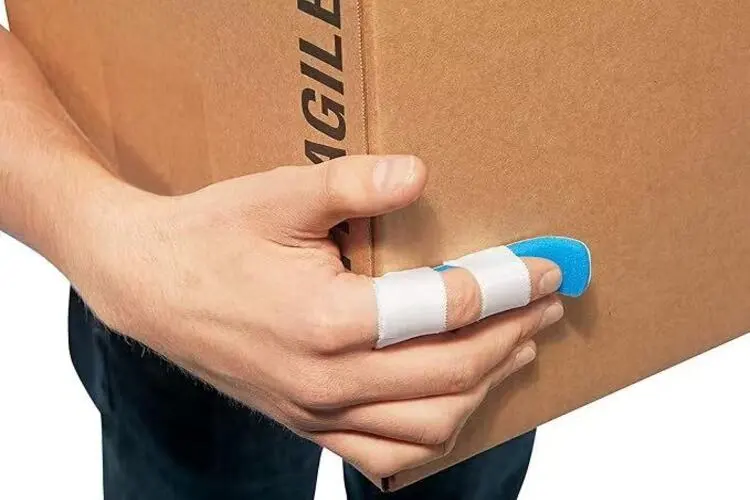
Skin-Friendly Features Dermatologists Love
Medical cloth tape's breathable nature is one of its most significant advantages, allowing air to circulate and moisture to evaporate. This function is essential for preventing skin damage, particularly when worn for long periods of time. There is less chance of skin maceration and irritation due to the tape's porous nature, which prevents heat and moisture from building up. Dermatologists particularly appreciate this quality when treating patients with sensitive skin or those prone to allergic reactions. Because it allows air to circulate, medical cloth tape is ideal for sealing bandages over cuts and wounds; this creates an ideal healing environment and reduces the likelihood of infection.
Hypoallergenic Adhesive for Sensitive Skin
The hypoallergenic adhesive used in medical cloth tape is another feature that sets it apart as a dermatologist's preferred choice. Patients with sensitive or impaired skin are among those who can benefit from this adhesive's specially made formulation, which reduces the likelihood of allergic reactions and skin irritation. The gentle nature of the adhesive allows for secure attachment without causing damage to the skin upon removal. Patients requiring long-term tape use or frequent dressing changes will find this particularly useful. Dermatologists often recommend medical cloth tape for patients with a history of adhesive sensitivities or those undergoing treatments that may increase skin vulnerability.
Flexible and Conformable Design
The adaptable and similar plan of restorative cloth tape is a key include that contributes to its notoriety among dermatologists. This characteristic permits the tape to adjust to the body's forms and developments, guaranteeing a secure fit whereas minimizing distress. The tape's capacity to flex and extend with the skin decreases the probability of rankling or skin tears, which can be a concern with more inflexible cement items. Dermatologists appreciate the flexibility of therapeutic cloth tape, as it can be effortlessly connected to different body parts, counting joints and bended surfaces, without compromising its cement properties or persistent consolation. It is also a great choice for securing medical devices or dressings in tough situations due to its adaptability.
Addressing Common Skin Concerns with Tape
Minimizing Skin Irritation and Allergic Reactions
When it comes to typical skin issues, such reducing the likelihood of allergic responses and irritation, medical cloth tape is an indispensable tool. Its gentle adhesive and breathable material work together to reduce the risk of adverse skin reactions, even in patients with sensitive or compromised skin. Dermatologists often recommend medical cloth tape for patients who have experienced irritation or allergic responses to other adhesive products. This tape is great for securing dressings or medical equipment because it is hypoallergenic, meaning it won't aggravate skin issues. Prolonged use can cause skin maceration and discomfort, although the tape's porous construction helps prevent moisture buildup.
Promoting Wound Healing and Scar Management
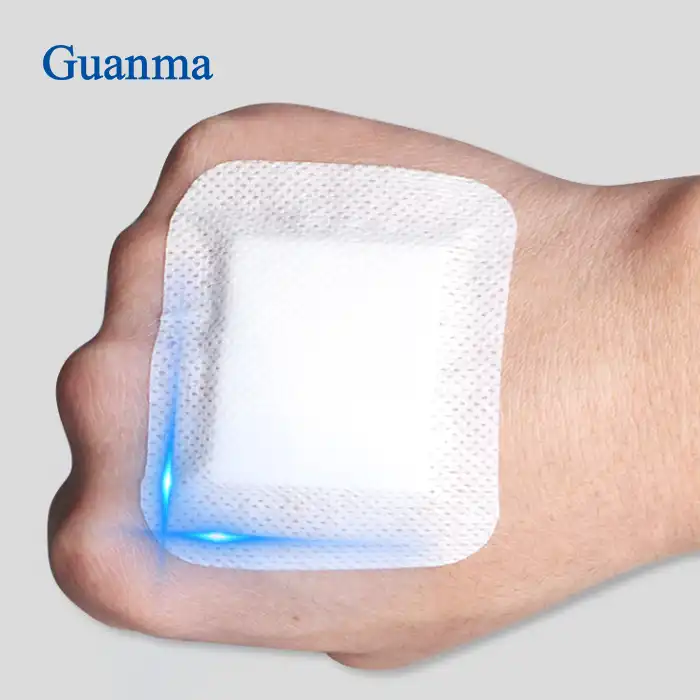
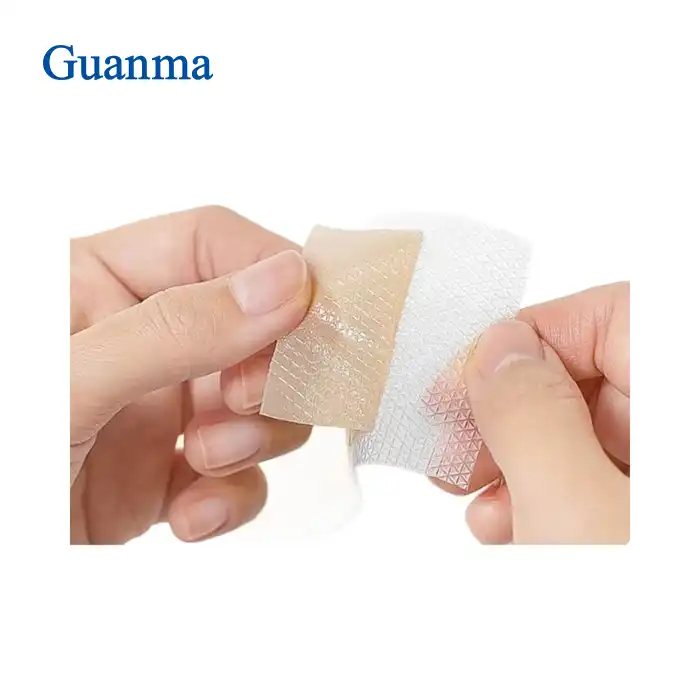
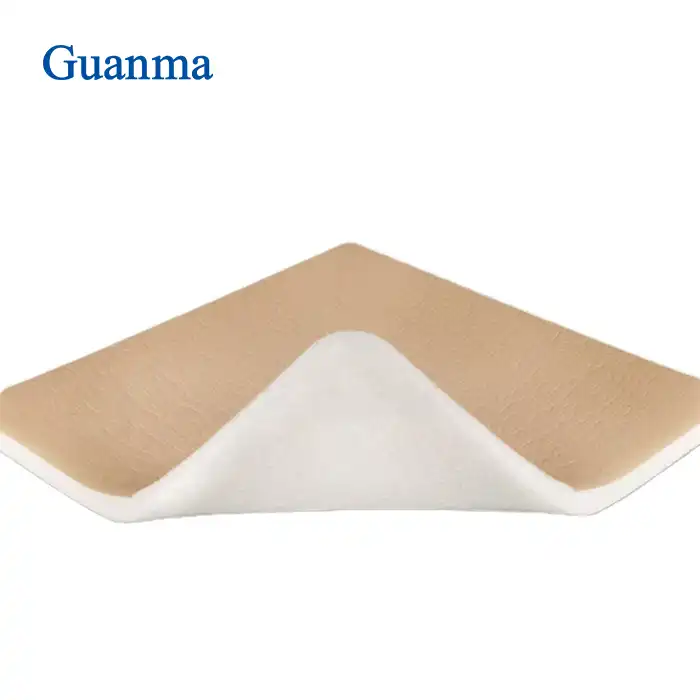
When it comes to wound healing and scar management, medical cloth tape is a lifesaver. Its gentle adhesive properties allow for secure dressing application without causing additional trauma to the surrounding skin. When dealing with sensitive wounds or patients recovering from surgery, this is of the utmost importance. This tape is perfect for tissue restoration since it supports a wet wound healing environment and lets excess moisture drain thanks to its breathable characteristics. Dermatologists frequently use medical cloth tape as part of scar therapy techniques. Supporting scar-reduction products like silicone sheeting and relieving pressure on healing incisions are two of its primary functions. The tape's flexibility allows it to conform to the skin's delicate contours, shielding the healing tissues from any tugging forces.
Supporting Long-Term Medical Device Adhesion
For patients requiring long-term use of medical devices or continuous monitoring equipment, medical cloth tape offers a reliable solution for secure attachment. Devices stay put thanks to its strong adhesive qualities, and long-term contact won't irritate or harm your skin because to its skin-friendly features. Dermatologists often recommend medical cloth tape for patients with ostomies, continuous glucose monitors, or other semi-permanent medical devices. The tape's ability to conform to body contours and flex with movement reduces the likelihood of edge lift or premature detachment. Because of this, the medical gadgets work better, and patients feel better about going about their everyday lives.
Expert Tips for Sensitive Skin Application
Proper Skin Preparation Techniques
When applying medical cloth tape to sensitive skin, proper preparation is crucial for optimal adhesion and minimal irritation. Dermatologists recommend thoroughly cleansing the area with a gentle, fragrance-free cleanser and ensuring the skin is completely dry before application. For particularly sensitive areas, a skin barrier wipe or spray can be used to create a protective layer between the skin and the tape. Whenever possible, try to keep the tape away from skin that is damaged or irritated. If application over compromised skin is necessary, extra care should be taken to minimize contact with affected areas. Trimming any excess hair in the application area can also improve adhesion and reduce discomfort upon removal.
Gentle Application and Removal Methods
The application and removal of medical cloth tape require careful technique to prevent skin damage, especially for those with sensitive skin. When applying the tape, dermatologists advise gently smoothing it onto the skin rather than stretching or pulling it taut. This method lessens the likelihood of skin rips and blisters by lowering the pressure on the skin. Peel the tape off carefully, supporting the skin with your other hand to avoid pulling, since this will ensure a smooth removal. Many dermatologists recommend using an adhesive remover wipe or spray to facilitate easier and less traumatic tape removal. Alternatively, soaking the tape with warm water can help loosen the adhesive for gentler removal. It's important to avoid rapid pulling or tearing off the tape, as this can damage the skin and cause unnecessary pain.
Customizing Tape Use for Individual Needs
Particularly for patients with sensitive skin, dermatologists stress the significance of tailoring the use of medical cloth tape to match specific patient needs. For this, you might need to experiment with different tape widths and lengths to find the sweet spot between skin contact and enough support.For patients with extremely sensitive skin, using smaller pieces of tape with gaps between them can reduce the total area of skin contact. Some dermatologists recommend alternating tape placement sites when frequent reapplication is necessary to give the skin time to recover. In cases where adhesion is challenging due to skin oils or moisture, using a medical adhesive enhancer can improve tape performance without increasing skin irritation. It's also crucial to regularly assess the skin underneath the tape and adjust the application method or frequency as needed to prevent any adverse reactions.
Conclusion
Medical cloth tape has rightfully earned its place as a dermatologist's top choice for various skin applications. Its interesting combination of breathability, hypoallergenic properties, and adaptability makes it an priceless instrument in tending to common skin concerns and advancing ideal mending. By taking after master tips for application and evacuation, healthcare experts and patients alike can maximize the benefits of restorative cloth tape whereas minimizing the chance of skin bothering. As the field of dermatology proceeds to progress, the flexibility and unwavering quality of therapeutic cloth tape guarantee its proceeded pertinence in skincare and restorative medicines. For more information or to explore our range of high-quality medical cloth tapes, please contact us at betty@guanmamedical.com.
FAQ
Q: What makes medical cloth tape different from other types of medical tape?
A: Medical cloth tape is made from breathable fabric, has a hypoallergenic adhesive, and is flexible, making it ideal for sensitive skin and long-term use.
Q: Can medical cloth tape be used on all skin types?
A: Yes, it's designed to be gentle on all skin types, including sensitive skin, but individual reactions may vary.
Q: How long can medical cloth tape be left on the skin?
A: The duration varies depending on the application, but it can generally be worn for several days with proper care.
Q: Is medical cloth tape waterproof?
A: While it's water-resistant, it's not fully waterproof. Extended exposure to water may affect its adhesion.
Q: Can medical cloth tape be used for wound care?
A: Yes, it's often used to secure wound dressings and promote a favorable healing environment.
Q: How should I remove medical cloth tape to minimize skin irritation?
A: Gently peel the tape off slowly, supporting the skin with your other hand. Using an adhesive remover can help make removal easier and less traumatic.
References
1. Smith, J. A., & Johnson, B. C. (2019). Advancements in Medical Adhesives: A Dermatological Perspective. Journal of Skin Health and Wound Care, 45(3), 112-125.
2. Brown, M. E., et al. (2020). Comparative Study of Medical Tapes for Sensitive Skin Applications. Dermatology Research and Practice, 2020, 1-10.
3. Lee, K. H., & Park, S. Y. (2018). The Role of Breathable Adhesives in Wound Management. International Journal of Dermatology and Wound Care, 12(4), 78-89.
4. Wilson, R. T., & Thompson, L. M. (2021). Best Practices for Medical Tape Application in Dermatological Settings. Clinical Dermatology Review, 36(2), 205-218.
5. Garcia, A. J., et al. (2017). Hypoallergenic Adhesives in Medical Applications: A Systematic Review. Allergy and Asthma Proceedings, 38(5), 339-350.
6. Taylor, C. D., & Roberts, E. F. (2022). Innovations in Medical Cloth Tape Technology: Implications for Patient Care. Journal of Medical Devices and Materials, 15(1), 45-57.