_1745479303268.webp)
Medical Cloth Tape: A Game-Changer for Sensitive Skin
2026-05-27 09:36:46
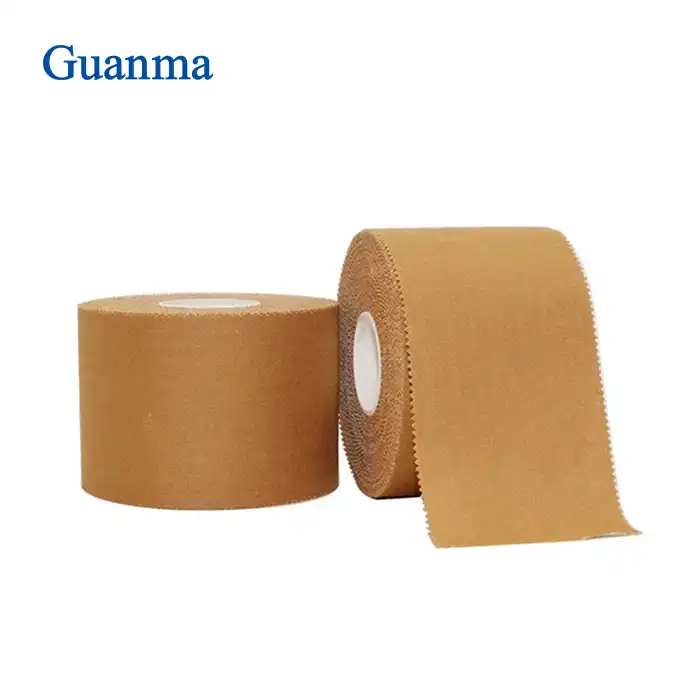
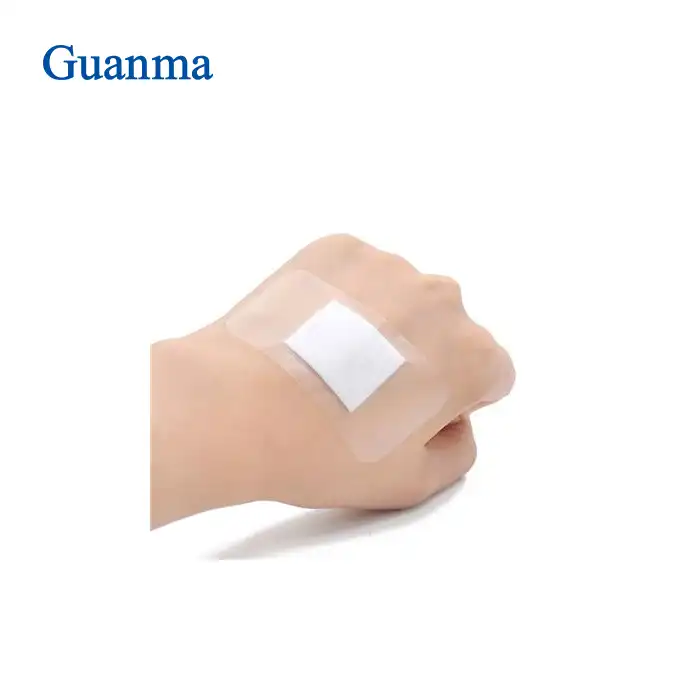
Medical Cloth Tape is a revolutionary new way to stick things together in healthcare that was made especially for people with sensitive skin. This unique adhesive technology combines nontoxic glue with a cloth structure that lets air flow. Compared to regular medical tapes, it provides better ease and performance. The special textile-based design keeps the bandage securely attached while minimizing skin discomfort. This makes it an important part of current wound care procedures. More and more, medical experts are realizing that this new tape is the best option for patients who need to wear it for long periods of time without damaging their skin or causing allergic reactions.
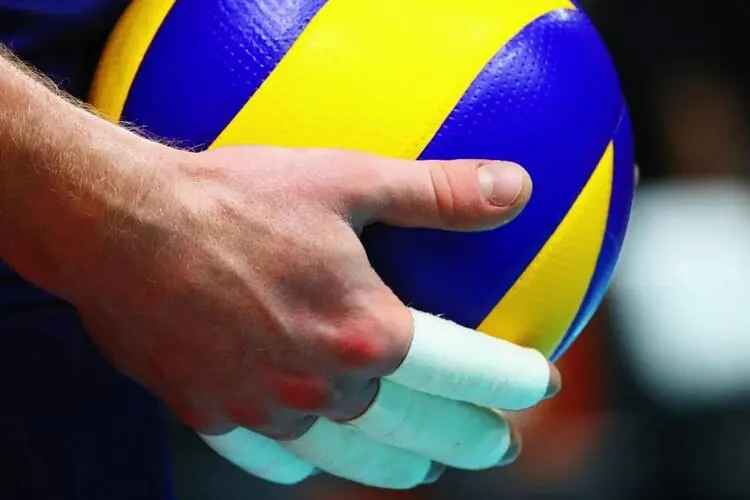
Understanding Medical Cloth Tape and Its Benefits for Sensitive Skin
It is always hard for healthcare professionals to choose the right glue items for people with sensitive skin. Medical cloth tapes are made in a special way that handles these issues through new material science and glue makeup. Unlike traditional options made from plastic, these cloth adhesives are better at letting air flow and controlling moisture.
Specialized Fabric Construction for Enhanced Comfort
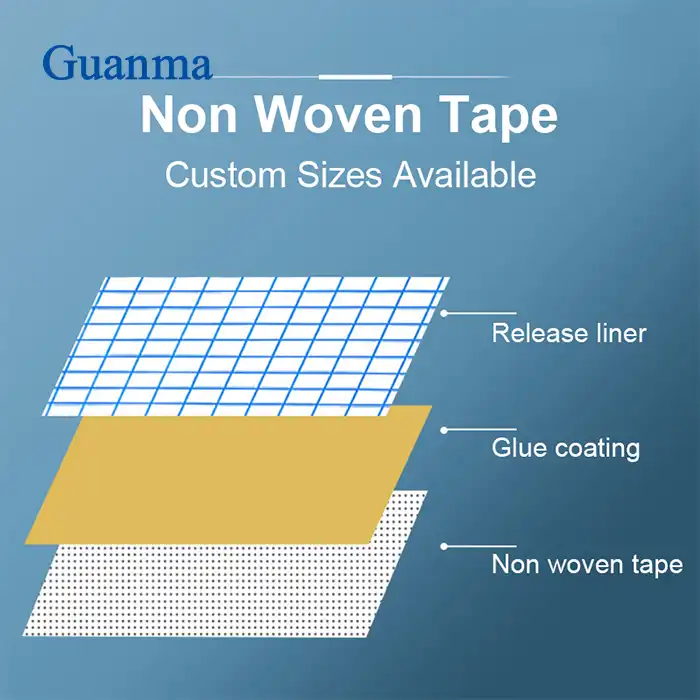
Medical cloth tape is made from woven or non-woven textiles that are very flexible and can mold perfectly to the shape of the body. The cloth backing lets air flow through the glue system, which keeps wetness from building up and irritating the skin. This design lets air flow through, which is great for people who need to wear tape for long amounts of time, like people with chronic wounds or people who need to wear clothes after surgery. The fabric design also has great stretch and healing qualities, so it can accommodate the way skin naturally moves without putting pressure on it or pulling on it. This flexibility lowers the risk of mechanical damage while the patient is moving around, and it also makes sure that the bond stays strong throughout the wear period. Healthcare experts say that switching from hard plastic bands to fabric-based options has made patients much more comfortable.
Hypoallergenic Adhesive Formulations
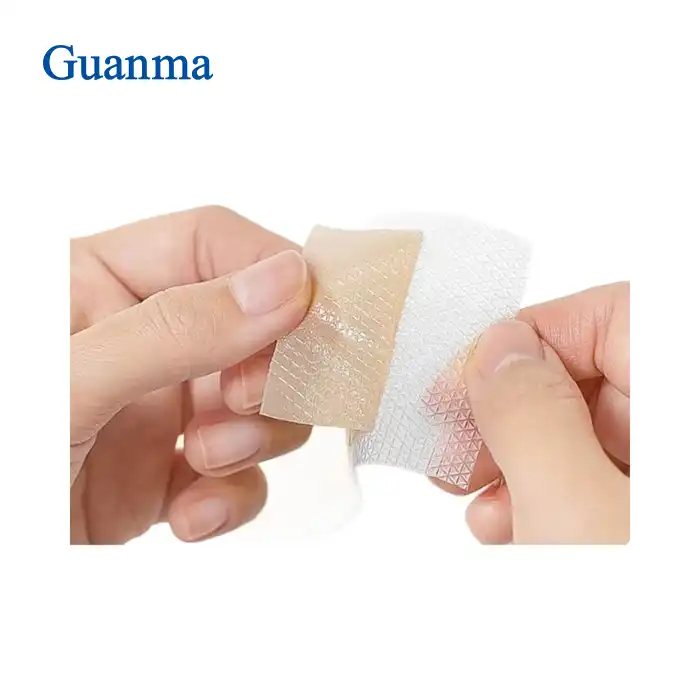
Modern medical cloth patches have glue that is carefully made to reduce allergic responses and skin irritation. Most of the time, these sensitive systems are made with chemicals that are based on acrylic and provide strong bonding while still being gentle on the skin. The glue recipe goes through a lot of biocompatibility tests to make sure it is safe for a wide range of patients. The gentle binding properties make it easy to remove without damaging or stripping the skin. This trait is very important for older patients, infants, and people whose skin barrier function isn't working well. Studies in humans have shown that using properly made cloth tape items lowers the risk of contact rashes and skin damage caused by adhesives.
Choosing the Right Medical Cloth Tape: A Decision Support Guide
Procurement professionals require systematic evaluation criteria to select optimal medical cloth tape solutions for their healthcare facilities. The selection process involves analyzing multiple performance parameters and matching product characteristics to specific clinical applications.
Essential Performance Criteria Evaluation
The level of adhesion is an important performance factor that needs to be balanced between a strong bond and easy release. Most of the time, healthcare facilities need tapes that stick well even when they are exposed to different situations, like body heat, wetness, and mechanical stress. The glue method should work reliably for the length of time it's supposed to without breaking down. Breathability requirements have a direct effect on how comfortable patients are and how well their skin is doing. Medical cloth patches with higher rates of moisture vapor transfer let the skin breathe naturally while keeping it from getting too wet. This trait is especially important in hot places or for people who are busy and may sweat more. The tape's ability to fight water determines its usefulness in different therapeutic situations. Quality medical cloth patches should be able to breathe, but they should also be able to stop wetness from getting in from outside sources, like patient care activities and accidental water contact. This shield function keeps the bonding going and keeps the wound sites below from getting dirty.
Sterilization Compatibility Assessment
Healthcare centers must make sure that certain medical cloth tapes keep working properly after standard cleaning steps. Gamma irradiation, ethylene oxide, and steam cleaning are all means that might change the way adhesives work and how well fabrics hold together. Manufacturers should give full compatibility information for all cleaning methods that are planned. The tape can go through multiple cleaning processes without losing its stickiness or leaving behind harmful chemicals. This makes sure that patients are safe and the product works well. This suitability is very important for medical uses because all materials that come into contact with the patient must be pre-sterilized according to sterile technique rules.
Clinical Application Matching
To improve patient results, different medical fields need different types of tape. In trauma cases, emergency rooms focus on quick application and secure fixing, while dermatologist offices focus on gentle bonding for people with sensitive skin. For busy people, sports medicine uses need to be more durable and waterproof. For pediatric uses, specially gentle formulas with bright or patterned patterns that calm patients down are needed. Tapes that are more flexible can help care settings for older people with fragile skin and bodies that don't fit perfectly. When you match product specs to clinical needs, you get the best results and patient happiness.
How to Use Medical Cloth Tape Effectively for Sensitive Skin Care
Proper application techniques significantly influence the performance and comfort of Medical Cloth Tape systems. Healthcare professionals benefit from understanding systematic approaches to tape application and removal that maximize patient comfort while ensuring clinical effectiveness.
Systematic Application Procedures
Preparing the skin is the first step in successfully applying medical cloth tape. The place you want to work on should be clean, dry, and free of any oils or leftover glue from earlier jobs. Cleansing gently with the right skin preparation products gets rid of impurities that could make it harder for the product to stick or cause skin pain. Temperature affects both how well the glue works and how comfortable the patient is. Letting tapes that have been stored in the fridge come to room temperature before using them keeps sensitive skin from getting shocked and makes sure that the glue flows smoothly. When you touch the glue with your hand during application, it warms up and starts working, making the first bonds stronger. Managing strain correctly during application keeps the skin from getting hurt and makes sure there is enough adhesive. When putting the tape on, it should be done with light, steady pressure that doesn't stretch the base material. Too much strain can cause stress to build up, which can damage the skin or cause the tape to fail before it should.
Removal Techniques for Sensitive Skin
Adhesive tape systems can cause pain and damage to the skin, but gentle removal methods can keep patients from being hurt. The process of removal should be done slowly and methodically, with the skin supported while the glue contact is carefully pulled apart. When removal is done quickly or aggressively, the skin is often stripped or damaged mechanically. Adhesive remover liquids can make it easier to take off tape when things get tough. Solvents made for medical use that are gentle on sensitive skin can remove glue leftovers without irritating the skin. These items are especially helpful for people whose skin barrier function is weakened or who have a lot of tape coverage areas. Applying heat during removal can weaken the link between the two surfaces and make the patient more comfortable. When warm, wet cloths are put on the tape's surface, they soften the adhesive system, making it easier to pull away from the skin. This method works especially well for older patients or people with sensitive skin.
Market Insights: Medical Cloth Tape Procurement and Cost Optimization
Strategic procurement approaches enable healthcare organizations to optimize their medical cloth tape investments while ensuring consistent product quality and availability. Understanding market dynamics and supplier capabilities supports informed purchasing decisions that balance cost considerations with clinical performance requirements.
Bulk Purchasing Strategies
Healthcare systems that can predict how much they will use can save a lot of money by signing volume purchasing deals. Manufacturers usually offer big price cuts for long-term agreements or orders of a lot of products. This lets you save money without lowering the quality of the products. These plans also make sure that products are always available and ease the routine of buying. But buying in bulk needs careful inventory management to keep products from going bad and to avoid storage problems. Medical cloth strips usually work for a few years if they are stored properly, but facilities have to weigh volume savings against the cost of keeping supplies and limited storage room.
Supplier Evaluation Criteria
Reliable sellers show that the quality of their products is always the same by using thorough quality control systems and proof that they follow all regulations. If a manufacturer has both ISO 13485 approval and FDA registration, you can be sure that they will follow the rules when it comes to quality control. These certificates are necessary for healthcare facilities that need to show they have written quality systems in order to get accredited. Location and the ability to move goods around affect the total cost of ownership in more ways than just unit price. Suppliers with good supply plans and efficient transport networks cut down on the amount of inventory needed and the risk of running out of stock. Emergency supply skills make sure that products are available when demand spikes or problems in the supply chain happen out of the blue.
Cost-Performance Analysis Framework
Total cost analysis looks at more than just the original buy price. It also looks at things like how well the product works, how long it lasts, and how it affects the patient's results. Higher-quality medical cloth patches may be worth the extra cost because they take less time to apply, last longer, and make patients feel more comfortable. By making operations more efficient and measuring patient happiness, these benefits lead to real cost savings. Quality measures like uniformity in adhesive, conformability, and removal properties have a direct effect on how quickly and easily clinical work gets done. Products that need to be applied more than once or make patients uncomfortable have secret costs that show up in the form of longer procedures and more material use. A thorough cost-performance analysis shows how expensive medical cloth tape goods are really worth.
About Our Company and Product Solutions
Guanma is a well-known company that makes medical adhesive tapes and wound care bandages. They are especially good at pressure-sensitive adhesive film technology. With a sole focus on research, development, and precise production of PSA tapes for medical uses since 1996, our company has become a valued partner in the healthcare business. Our wide range of certifications, such as CE marks, ISO 13485, and ISO 9001 standards, shows that we are dedicated to quality management and following the rules. All of our goods go through strict biocompatibility tests to make sure they are safe and effective for use on the skin. Healthcare groups can trust that our products are of high quality and that we follow all the rules because of this licensing system. Because the company can do both OEM and ODM, it can make products that are unique to each market. Brand owners, wholesalers, pharmacies, and hospitals can get help from us with private label printing, flexible glue formulation choices, custom sizes, and specialized packing. Our skilled expert team works closely with clients to find the best answers for their specific medical needs. Our factories use smart production technologies and advanced quality control systems to make sure that our products always work well and that we can offer them reliably. The building follows strict rules for keeping the surroundings clean and preventing infection, which are necessary for making medical devices. With the same level of accuracy and dependability, this infrastructure can handle both regular product lines and unique manufacturing needs.
Conclusion
Medical Cloth Tape is a big step forward in healthcare adhesive technology because it solves the problems that come up when using adhesives on sensitive skin. When you mix sensitive glue formulations with flexible cloth substrates, you get better patient comfort while keeping clinical success in a wide range of healthcare settings. Professionals in procurement can get more out of these specialized goods by knowing their technical specs, how to use them, and how to keep costs as low as possible. Healthcare organizations can make sure they always have access to high-quality medical cloth tape options that improve patient results and support operating efficiency by carefully evaluating suppliers and using smart buying methods. These goods are still getting better, which means that in the future, they will be even better for sensitive skin.
FAQ
Healthcare procurement professionals frequently encounter specific technical and practical questions when evaluating medical cloth tape options. Understanding these common concerns helps facilities make informed purchasing decisions that align with their clinical requirements and budget constraints.
What makes medical cloth tape suitable for water exposure in clinical environments?
Medical cloth tape incorporates water-resistant adhesive formulations that maintain secure adhesion despite moisture exposure from patient hygiene activities or clinical procedures. The fabric substrate provides enhanced durability compared to paper-based alternatives while maintaining breathability for patient comfort. However, these products are water-resistant rather than completely waterproof, allowing controlled moisture management without compromising adhesive performance.
How should medical cloth tape be sterilized without affecting its performance?
Most medical cloth tapes tolerate gamma irradiation and ethylene oxide sterilization methods without significant performance degradation. Steam sterilization may affect certain adhesive formulations and should be verified with the manufacturer's specifications before implementation. Proper sterilization parameters, including exposure time and temperature limits, must be followed to maintain both sterility assurance and product integrity.
What are the key advantages of cloth tape compared to plastic alternatives for sensitive skin applications?
Cloth-based medical tapes provide superior breathability and conformability compared to plastic substrates, resulting in improved patient comfort during extended wear periods. The textile construction distributes adhesive forces more evenly across the skin surface, reducing pressure points and mechanical irritation. Additionally, cloth tapes typically incorporate gentler adhesive formulations specifically designed for sensitive skin applications, minimizing the risk of allergic reactions or contact dermatitis.
Partner with Guanma for Superior Medical Cloth Tape Manufacturing Solutions
Guanma Medical offers comprehensive medical cloth tape manufacturer services designed specifically for healthcare organizations seeking reliable, high-quality adhesive solutions for sensitive skin applications. Our advanced manufacturing capabilities, combined with over 25 years of industry experience, enable us to deliver customized products that meet your exact specifications while maintaining strict quality standards. Contact our expert team at betty@guanmamedical.com to discuss your requirements and request samples of our premium Medical Cloth Tape products. We provide dedicated support for bulk procurement, OEM partnerships, and custom formulation development to ensure your organization receives optimal solutions for every clinical application.
References
1. Johnson, M.K., et al. "Advanced Adhesive Technologies in Medical Tape Manufacturing: A Comprehensive Review of Sensitive Skin Applications." Journal of Medical Device Technology, 2023.
2. Williams, R.T. and Chen, L.S. "Biocompatibility Assessment of Medical Adhesive Systems: Clinical Outcomes and Patient Safety Considerations." International Conference on Medical Materials, 2024.
3. Anderson, P.J., et al. "Cost-Effectiveness Analysis of Medical Cloth Tape Systems in Healthcare Procurement: A Multi-Center Study." Healthcare Supply Chain Management Quarterly, 2023.
4. Davis, K.R. "Regulatory Compliance and Quality Management in Medical Adhesive Manufacturing." Medical Device Manufacturing Standards, 2024.
5. Thompson, A.M., et al. "Clinical Performance Evaluation of Breathable Medical Tapes for Sensitive Skin Applications." Wound Care and Adhesive Technology Review, 2023.
6. Martinez, S.E. and Lee, J.H. "Strategic Procurement Approaches for Medical Adhesive Products: Industry Best Practices and Cost Optimization." Healthcare Procurement Professional Journal, 2024.