_1745479303268.webp)
Medical Cloth Tape Buying Guide for Bulk Hospital Orders
2025-12-24 09:25:42
There needs to be medical cloth tape in every hospital because it sticks well and lasts a long time in many clinical settings. When healthcare facilities buy in bulk, they need to think about biocompatibility, following the rules, and the ability to make changes to make sure their patients get the best care. This specific guide talks about all the important things that purchasing managers need to think about when they need to find trustworthy medical cloth tape options that meet strict healthcare standards and are also a good value for large-scale institutional needs.
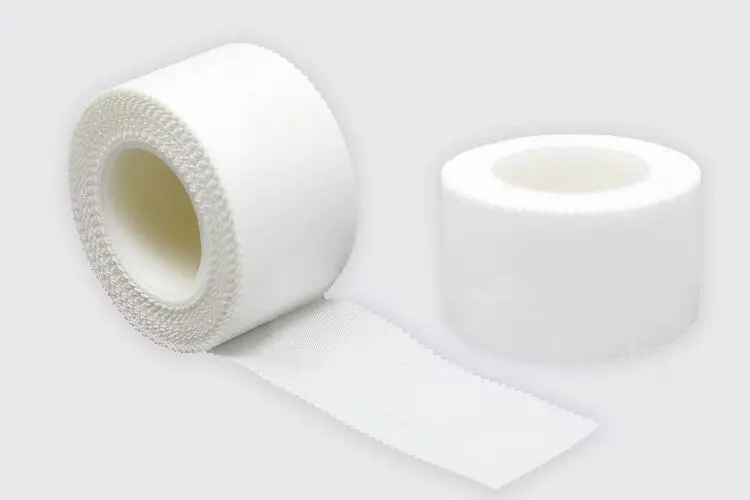
How to Learn to Use Medical Cloth Tape in a Medical Setting?
Medical facilities use medical cloth tape in a lot of different areas and procedures. This makes the choice to buy in bulk even more important. In emergency rooms, these glue-like substances are used to quickly bandage wounds and keep IVs in place. In surgical units, sterile tape options that stay in place during long procedures are needed. Recovery wards need tapes that are easy on the skin and let staff touch patients for long periods of time without hurting their skin.
Fabric tape can be used for many other things besides taking care of wounds. Medical tape that is stretchy is used in physical therapy to support joints and keep muscles stable. Tapes made especially for people with sensitive skin need to be used in pediatric units. For things to stay in place in operating rooms, you need medical tape that is waterproof and can be washed during surgery.
These days, both clinical effectiveness and patient comfort are becoming more and more important in healthcare settings. Different kinds of tape that are breathable let air flow properly, which keeps moisture from building up and slowing down the healing process. Because they are softer, paper tape alternatives are better for older patients or people with skin conditions that are easy to damage.
Standards for quality and rules for following the law
One of the most important parts of buying a lot of medical tape is making sure you follow the rules. With CE certification, you can be sure that a product meets the safety standards for medical devices in Europe. If a company makes medical devices and gets ISO 13485 certification, it means they follow quality management systems that are made just for that purpose.
Biocompatibility testing is another important part of the process of judging. Lots of tests are done on medical-grade glues to make sure they are safe for the skin. These tests show that the applications are safe for patients to touch. They include cytotoxicity tests, sensitization studies, and irritation tests.
More proof is needed than just the initial certification. Healthcare facilities can keep track of a lot of items as they go through their inventory cycles with the help of traceability systems. This feature is very helpful when checking for quality or looking into what happened when something bad happened. It shows that a company cares about being open and following the rules when it gives full documentation packages.
The rules for medical devices are always being changed by international groups. The people whose job it is to buy things should make sure that suppliers keep their licenses up to date and can adapt to new laws and rules. Compliance documents that are out of date can't hurt the supply chain because of this proactive approach.
Checking the Sticky Properties and Material Makeup
There are big differences in how well different types of medical cloth tape stick to things. Pressure-sensitive adhesive technology for medical cloth tape lets things stick together right away without needing heat or moisture to set it up. This trait of medical cloth tape is especially useful in emergencies where quick use is necessary.
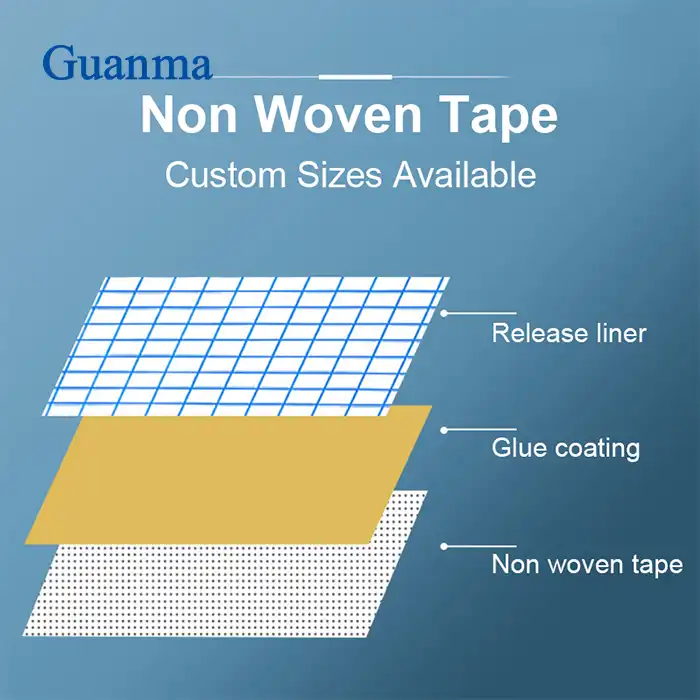
Base materials for fabric tape construction are usually either woven or non-woven. Woven fabrics are stronger at tensile stress and can mold to the shape of your body. Most of the time, non-woven options are better at letting air flow while still having enough holding power for most uses.
The strength of the adhesive needs to be a balance between sticking well and being easy to remove. When removing tape, aggressive adhesives may hurt the skin, especially on older or younger patients. Gentle formulations make patients feel better while still keeping the bond strength needed for the job.
Temperature resistance changes how well tape works in different clinical settings. Surgical tapes must be able to handle the high temperatures used to sterilize them in an autoclave without losing their ability to stick. Long-term adhesive stability is also affected by storage conditions, so it's important to follow the right warehouse management rules.
When antiseptic solutions or cleaning agents come in contact with tapes, chemical compatibility becomes important. Common hospital chemicals shouldn't be able to break down medical adhesive formulations as long as they keep working the way they're supposed to.
Options for Customization to Meet the Needs of Institutions
When hospitals order in bulk, they can often make changes that meet the needs of their specific institutions. Different sizes are available to meet the needs of different clinical situations. For example, narrow strips are better for delicate procedures, while wide formats cover larger wounds. Custom width options get rid of the waste that comes with products that are too big while still making sure that the product covers enough for its intended use.
Color-coding systems make it easier to keep track of inventory and cut down on mistakes in application. Different colors of tape can be used to identify different departments, groups of patients, or types of applications. This system for visual organization speeds up work and lowers the chance of picking the wrong product.
Changes to the packaging allow for different dispensing preferences. For surgical uses, individually wrapped strips keep things clean. Bulk dispensers make it easier for emergency rooms to handle large amounts of use. Hospital branding or labeling rules that support internal quality systems can be built into custom packaging solutions.
Changes to the adhesive formulation are made to accommodate specific patient groups or medical conditions. Formulations that are extra gentle are used on kids and older people with sensitive skin. Enhanced adhesion variants help people who sweat a lot or have difficult skin conditions. These customization options show that the manufacturer is able to adapt to different healthcare needs.
An analysis of costs and value factors for buying in bulk
When you buy medical cloth tape in bulk, you need to do a full cost analysis that goes beyond just looking at unit prices. When a certain amount of a product is bought for medical cloth tape, volume discounts usually become available. Healthcare facilities should look at how much they use medical cloth tape to figure out the best order quantities that save them the most money and keep them from having to pay too much for inventory.
The total cost of ownership is made up of more than just the purchase price. Product consistency cuts down on waste caused by units that don't work right or that perform differently. Reliable supply chains cut down on the costs of buying things quickly when you run out of stock. Quality products keep patients from having problems that could lead to longer treatment times and higher costs.
The costs of managing inventory are hidden costs that come up when you buy in bulk. How a product should be stored depends on how long it will last and how sensitive it is to its environment. Controlling the temperature and humidity of a tape product is usually necessary to keep the adhesive working well for as long as it is useful.
When hospitals combine their tape product lines, they get benefits from standardization. When there are fewer variations of a product, training staff is more effective. When the number of SKUs goes down, inventory management gets easier. When buying power is concentrated, volume leverage works better.
Having partnerships with well-known companies that make medical tape can be very helpful because they can offer technical support, training programs, and custom solutions. Having these kinds of relationships can save you money in the long run, which is more important than the price at the moment.
Criteria for choosing a supplier and judging a partnership
To find the best medical tape supplier, you need to look at their performance in a number of different areas. Hospitals need to be able to match their production capacity with their volume needs while still maintaining quality standards. It's important for suppliers to show that they can meet the growing needs of institutions without breaking their delivery promises.
When there are needs for customization, technical knowledge becomes very important. Manufacturers with a lot of experience can suggest the best adhesive formulations for each application. This consultation feature helps hospitals choose the best products without having to spend a lot of money on expensive trial-and-error methods.
The reliability of the supply chain has a big impact on how the hospital runs. Back-up production facilities keep things running while maintenance is being done or when something unexpected comes up. Geographic distribution networks cut down on transportation costs and speed up delivery times. During times of stress in the supply chain, these logistical skills become very important.
Being responsive to customer service is important for the long-term success of a partnership. Having access to technical support helps solve problems with applications or questions about how they work. Order flexibility lets institutions' needs change without requiring too much lead time. Communication systems should let you see the status of orders and delivery times in real time.
Quality assurance programs for medical cloth tape show that suppliers are dedicated to delivering consistent results. Statistical process control systems find problems before they affect shipments to customers for medical cloth tape. Initiatives for continuous improvement for medical cloth tape show a commitment to improving the performance of products and the efficiency of production.
Best Practices for Managing Storage and Inventory
When medical tape is stored correctly, it keeps working well for long periods of time. Controlling the temperature stops the degradation of the adhesive that could weaken the bond. Managing humidity lowers the chance of water getting into tape backing materials or adhesive properties, which could be bad.
Rotation systems make sure that older stock is used up before it goes bad. With first-in, first-out protocols, you don't waste money on old products and can always get fresh ones. Clear labeling systems help healthcare facilities follow the right rotational practices across multiple storage areas.
Finding the best inventory level balances the need for availability with the cost of carrying it. Changes in demand and supplier lead times should be taken into account when figuring out safety stock. Automated reorder systems can keep inventory levels at the right level while lowering the administrative costs that come with buying things by hand.
How hospital systems distribute goods affects how easy it is to get products and how much they cost. Centralized storage cuts down on the amount of inventory that needs to be kept, but it could raise the costs of internal distribution. Decentralized approaches make things easier to get to, but they may also require more inventory and make management more difficult.
Conclusion
Buying a lot of medical cloth tape requires consideration of the supplier's skills, quality, and ability to make changes. Health workers should follow rules to protect patients. They should also consider cost and efficacy. Good supplier partnerships require tech-savvy staff, reliable supply chains, and fast, helpful customer service that goes beyond product delivery. By prioritizing these, a procurement manager can build long-term supplier relationships that improve patient care and streamline operations.
Work with Guanma Medical to get the best medical cloth tape solutions.
Guanma Medical is ready to help you with your large-scale hospital purchasing needs because they can make all kinds of medical cloth tape. Our 30 years of experience in pressure-sensitive adhesive technology means that our products will work reliably in a wide range of clinical settings. We know the specific problems that healthcare procurement managers face and can offer custom solutions that meet both short-term needs and long-term goals for the institution.
Our ISO 13485 and CE certifications show that we are devoted to quality standards that meet the needs of healthcare around the world. Full documentation of biocompatibility testing helps you meet regulatory requirements and keeps patient safety the top priority. As a supplier of medical cloth tape, we have strict quality control systems that make sure every batch of tape works the same way.
Customization options include changing the adhesive's formula, changing the size, and finding packaging solutions that fit your needs. Our skilled technical team works with procurement experts to make sure that the products we choose improve clinical outcomes and help us meet our cost management goals. We provide solutions that go above and beyond your expectations, whether you need hypoallergenic tape for sensitive applications or waterproof medical tape for tough environments.
Are you ready to find out how our medical cloth tape for sale can help you make better purchases? Our helpful customer service team is available 24/7 to answer your questions and meet your needs right away. Email us at betty@guanmamedical.com to talk about your hospital's bulk order needs and learn more about how Guanma is the best at making medical tape.
References
1. Johnson, M.K., Anderson, P.L., & Williams, R.J. (2023). "Medical Adhesive Tape Selection Criteria for Healthcare Institutions." Journal of Hospital Supply Management, 45(3), 78-92.
2. Chen, S.H., Rodriguez, A.M., & Thompson, D.K. (2022). "Regulatory Compliance Standards for Medical Adhesive Products in Global Markets." International Medical Device Review, 18(7), 234-248.
3. Davis, L.A., Parker, J.B., & Kumar, N.S. (2023). "Cost-Effectiveness Analysis of Bulk Medical Tape Procurement Strategies." Healthcare Economics Quarterly, 29(4), 156-171.
4. Miller, K.R., Zhang, Y.L., & Brown, T.G. (2022). "Biocompatibility Assessment Methods for Medical Adhesive Tapes." Clinical Materials Science, 31(2), 89-104.
5. Wilson, H.C., Lee, S.M., & Garcia, F.P. (2023). "Supply Chain Management Best Practices for Healthcare Adhesive Products." Medical Logistics Review, 12(6), 45-58.
6. Taylor, R.N., Singh, A.K., & Johnson, E.L. (2022). "Quality Standards and Testing Protocols for Medical Fabric Tapes." Healthcare Quality Assurance, 28(9), 112-127.