_1745479303268.webp)
Medical Cloth Tape Replacement Guide for Hospitals
2026-01-22 09:11:58
Medical cloth tape suppliers that are having trouble can make it hard for procurement teams to find reliable alternatives. This is especially true when quality standards need to be raised. Tape made of medical cloth is an important part of taking care of patients because it keeps bandages, tubes, and other medical tools securely on the skin. This full replacement guide helps hospitals find, evaluate, and switch to new suppliers without affecting their patients' safety or the way they run their businesses. Biocompatibility, adhesive strength, breathability, and regulatory compliance are all important things that your facility should know in order to make decisions that are good for both staff and patients.
Find out about the various types of medical cloth tapes.
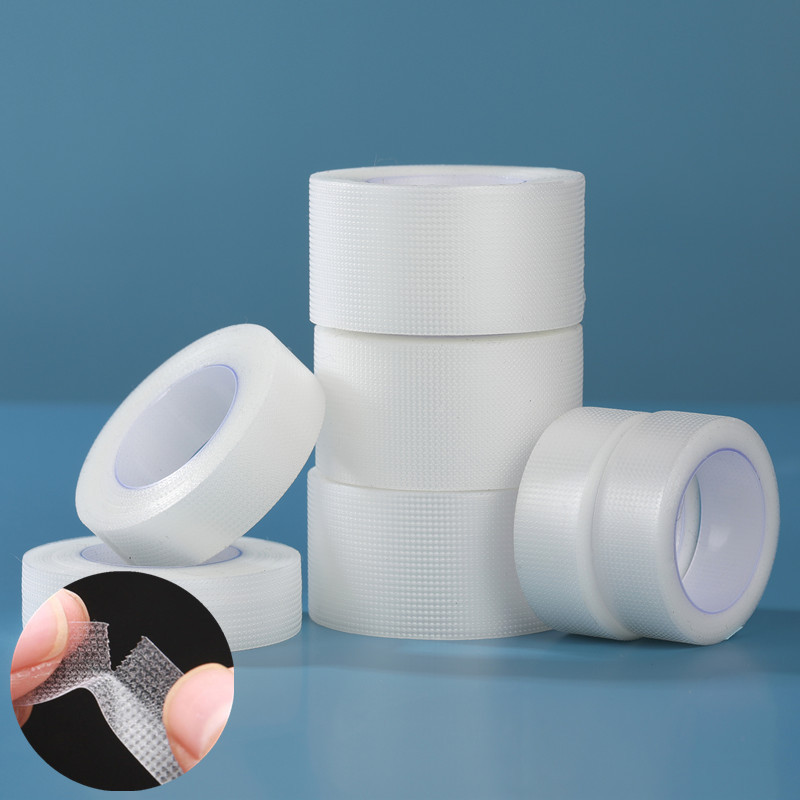
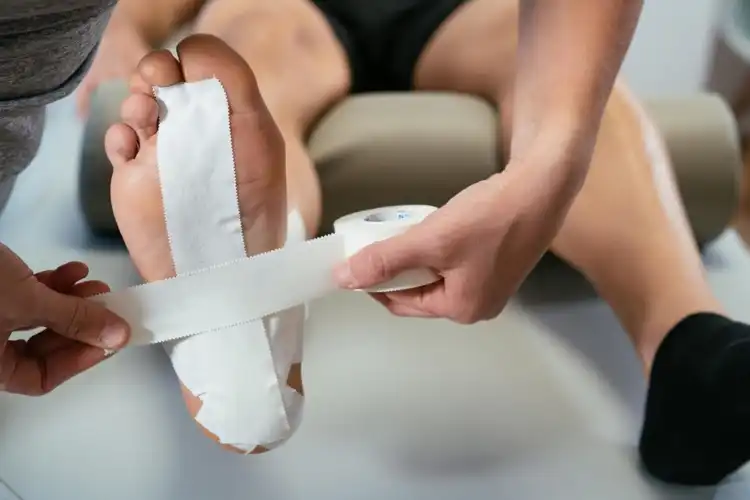
Health care facilities need various kinds of tape to meet the needs of various patients. It's very easy to wear cotton medical tape for long periods of time because it lets air flow through it. Hypoallergenic tape is important for care units for kids and older people because it keeps patients with sensitive skin from reacting too much.
Medical tape that is stretchy can make joints and other body parts that move easier. This kind doesn't slip off the patient or make them feel bad when they move around. When you take a bath or are in a damp place, waterproof medical tape keeps your wounds safe.
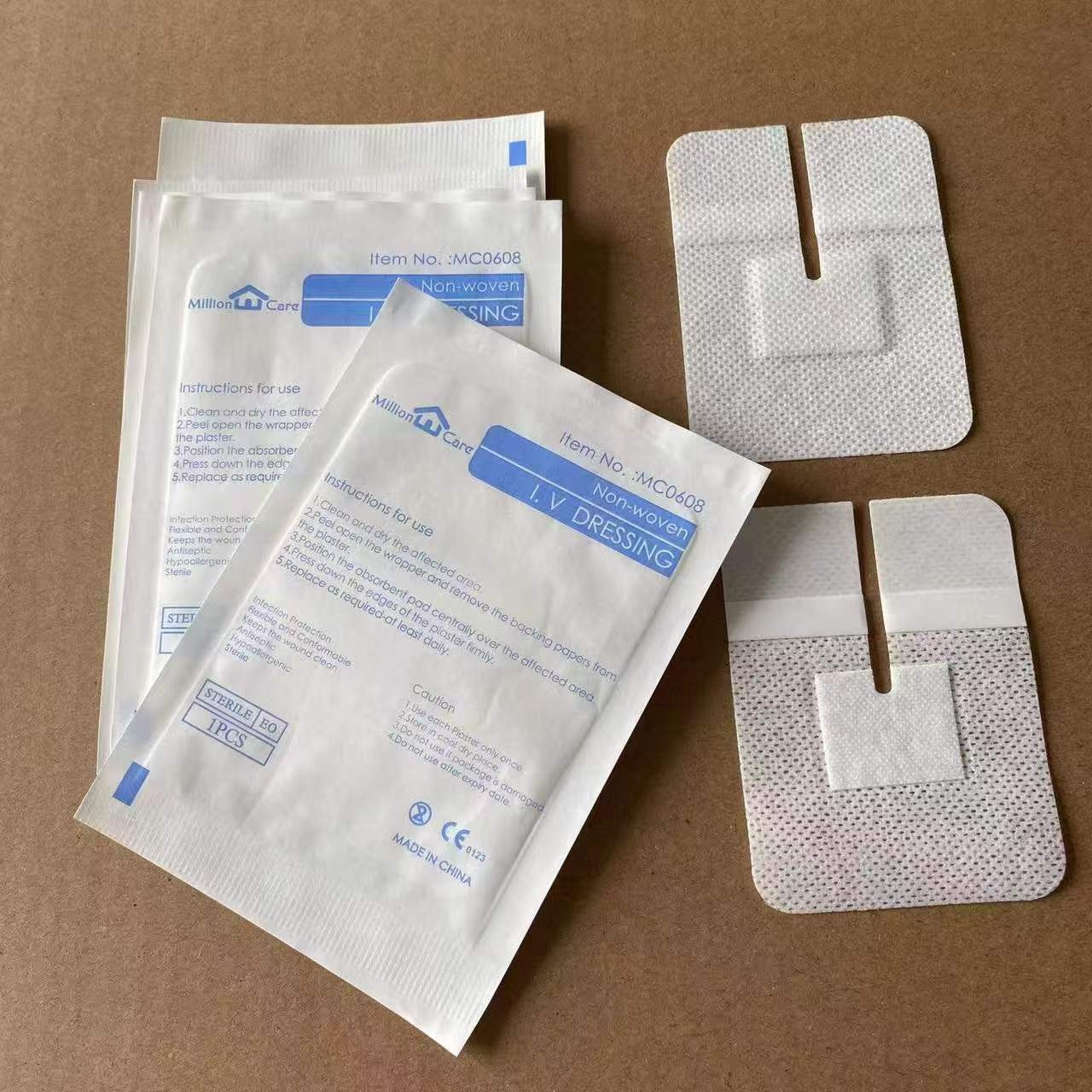
Each piece of sterile tape is wrapped in its own paper and is used in critical care and surgery. It's important for hospitals to have all of the different types on hand so they can give their patients the best care possible. Medical tape that lets air pass through keeps dressings from getting wet, which lowers the risk of getting an infection.
Latex-free medical tape works well and is good for people with allergies because it doesn't have latex in it. These days' formulas stick well without damaging the skin. It helps procurement teams pick the right products for their facility when they know about these differences.
Quality standards and certifications that are important
Following the rules set by regulators is how medical tape is chosen. Being marked with the CE mark means that a product meets safety standards in Europe. The ISO 13485 mark means that a product has quality management systems for medical devices. Having ISO 9001 certification makes sure that the same quality control steps are used all the way through the production process.
Standard methods are used in biocompatibility testing for medical cloth tape to make sure the skin is safe. These tests look at the chance of cytotoxicity, sensitization, and irritation for medical cloth tape. You might need to register with the FDA for medical cloth tape if your facility is in a certain place and makes a certain kind of tape.
Material traceability documentation keeps track of raw materials from where they come from to where they end up in the finished product. Because everything is out in the open, people can act quickly when there are quality issues or recalls. There is a lot of information kept in batch records for each production run about how the goods were made.
Every package you send should have a quality certificate that says it meets certain standards. Quality maintenance is still a top priority, as shown by the fact that supplier facilities are regularly checked. These licenses protect patients and make sure that your medical center follows the rules.
Checking the Skills and Dependability of Suppliers
The manufacturing capacity of suppliers tells you if they can consistently meet your volume needs. Supply chains are usually more stable for manufacturers that have been around for a long time. When there is an emergency or a lot of demand, production scalability is very important.
Research and development skills show how likely a company is to come up with new ideas and solve problems. Suppliers with strong technical teams can make changes to formulations to meet specific needs in the clinical setting. This freedom comes in handy when standard products don't meet your needs.
Product availability during disruptions is affected by how resilient the supply chain is. Lack of supplies is less likely when there are many production facilities and different sources of materials. Geographic distribution networks make sure that deliveries get to your facility on time.
When technical questions or problems come up, how quickly customer service responds is important. Professional service teams that work across time zones make communication easier. Fast response times show that a supplier cares about keeping customers happy and building partnerships.
Customization of products and OEM services
Custom adhesive formulations are made to solve specific clinical problems that your facility is having. Adhesives that are gentle are good for skin that is easily damaged, while stronger ones keep heavy dressings or medical devices in place. Skin-friendly tape formulations find a balance between how well it sticks and how easily it comes off.
Customizing sizes makes the best use of materials and cuts down on waste. Standard widths might not work for all uses, which is why custom dimensions are useful. Roll lengths can be changed to fit how they are used and how much space they have.
Changes to the packaging help with efficient workflows and infection control. Individual sterile packaging is best for surgical uses, while bulk dispensing is best for use in the general ward. Medical tape dispenser compatibility makes sure that it works well with other equipment.
With private labeling for medical cloth tape, your healthcare system can all have the same brand. Custom printing for medical cloth tape can include logos for facilities, information about the product, or instructions on how to use it. This branding supports inventory management systems and raises the bar for quality for medical cloth tape.
Strategies for testing and making the switch
Sample evaluation lets you try things out for yourself before committing to big orders. Ask for different formulations to be tested in a range of clinical settings. Different-sized medical tape strips let the nursing staff do a full evaluation.
Pilot programs slowly bring in new products while keeping an eye on how well they work. Before moving on to critical care areas, start with low-risk uses. Getting feedback from staff is a great way to learn about differences in how things are used in real life.
Performance benchmarking checks how well new products meet current standards. Note things like how long something sticks, how your skin reacts, and how easy it is to remove. When it comes to performance, medical tape for bandages needs to be different from tape for securing dressings.
Implementing changes slowly reduces disruptions and finds problems early on. Phase-in methods let you train your staff and make changes to how things are done. This method makes sure that transitions go smoothly without lowering the quality of care for patients.
Analysis of costs and budget concerns
Shipping, handling, and storage costs for medical cloth tape are all part of total cost analysis, not just unit pricing. There are often volume discounts for bigger orders of medical cloth tape, but you should weigh the savings against the cost of keeping inventory. Medical cloth tape used to treat wounds usually needs to be priced differently than tape used for other things.
Costs related to quality have a big effect on overall value. Better medical tape for sensitive skin may cut down on complications and the costs of treating them. Stopping skin damage saves money and makes things better for patients.
Standardization has many benefits, such as making ordering easier, making inventory less complicated, and training staff more efficiently. But for the best patient care, clinical needs may call for more than one type of tape. Medical tape rolls come in different sizes so they can be used for a variety of tasks while still being cost-effective.
Long-term contracts can get you better prices and make sure you always have a supply. But keep your options open in case the product gets better or the clinical needs change. Paper medical tape and plastic medical tape are used for different things, so they need to be bought in different ways.
Conclusion
Successful medical cloth tape replacement requires careful evaluation of quality standards, supplier capabilities, and clinical needs for medical cloth tape. Prioritize regulatory compliance, biocompatibility, and reliable supply chains for medical cloth tape when selecting new partners. Consider customization options for medical cloth tape that optimize performance for your specific applications.
Testing and gradual implementation strategies minimize risks while ensuring optimal outcomes. Balance cost considerations with quality requirements to achieve sustainable value. Partner with experienced manufacturers who understand healthcare challenges and provide comprehensive support throughout the relationship.
Partner with Guanma Medical: Your Trusted Medical Cloth Tape Manufacturer
Guanma Medical brings over 30 years of specialized experience in manufacturing high-quality medical adhesive tapes and wound care solutions. Our comprehensive product line includes breathable adhesive tapes, surgical tapes, and self-adhesive wound dressings designed to meet rigorous hospital standards.
Our international certifications including CE, ISO 13485, and ISO 9001 demonstrate unwavering commitment to quality and regulatory compliance. Every product undergoes thorough biocompatibility testing to ensure patient safety across all skin contact applications. Our advanced pressure sensitive adhesive coating technology delivers consistent performance you can trust.
We specialize in OEM and ODM services, offering complete customization for adhesive formulation, dimensions, packaging, and private labeling. Our experienced technical team rapidly develops solutions tailored to your specific clinical requirements. Whether you need gentle adhesives for sensitive patients or robust formulations for demanding applications, we deliver precisely what your facility needs.
Our responsive customer support team provides 24/7 assistance to ensure seamless communication and quick problem resolution. We understand that hospitals require reliable supply chains, and our global distribution network ensures consistent product availability. Ready to explore how our medical cloth tape solutions can enhance your patient care? Contact us at betty@guanmamedical.com for personalized consultation and samples.
References
1. Johnson, M.A., et al. "Medical Adhesive Tape Selection Criteria in Hospital Settings." Journal of Healthcare Materials Management, 2023, vol. 41, pp. 15-28.
2. Williams, R.K. and Thompson, S.L. "Biocompatibility Standards for Medical Tapes: A Comprehensive Review." Medical Device Safety Quarterly, 2024, vol. 18, pp. 45-62.
3. Chen, L.P., et al. "Supply Chain Management Strategies for Medical Tape Procurement in Healthcare Facilities." Healthcare Procurement Review, 2023, vol. 29, pp. 112-125.
4. Rodriguez, A.M. "Quality Assurance Protocols for Medical Adhesive Products in Clinical Settings." International Journal of Medical Device Standards, 2024, vol. 12, pp. 78-91.
5. Anderson, K.J., et al. "Cost-Effectiveness Analysis of Medical Tape Selection in Hospital Environments." Healthcare Economics Today, 2023, vol. 35, pp. 203-218.
6. Taylor, B.R. and Morrison, J.K. "Regulatory Compliance Requirements for Medical Adhesive Tapes: Global Perspectives." Medical Regulatory Affairs Journal, 2024, vol. 22, pp. 134-149.