_1745479303268.webp)
Medical Cloth Tape vs Hypoallergenic Tape: Key Differences?
2026-06-18 10:37:55
It is important to know the difference between medical cloth tape and hypoallergenic tape when looking for medical sticky tapes for healthcare purposes. Medical cloth tape sticks well to wound patches and other tough medical situations because it is long-lasting, breathable, and bendable. Hypoallergenic tape, on the other hand, uses soft adhesives that protect skin from irritation and allergic responses. Both do important jobs, but the different types of fabric, adhesives, and backings they are made of affect how well they work, which in turn affects patient results and purchasing choices.
Understanding Medical Cloth Tape and Hypoallergenic Tape
Material Composition of Medical Cloth Tape
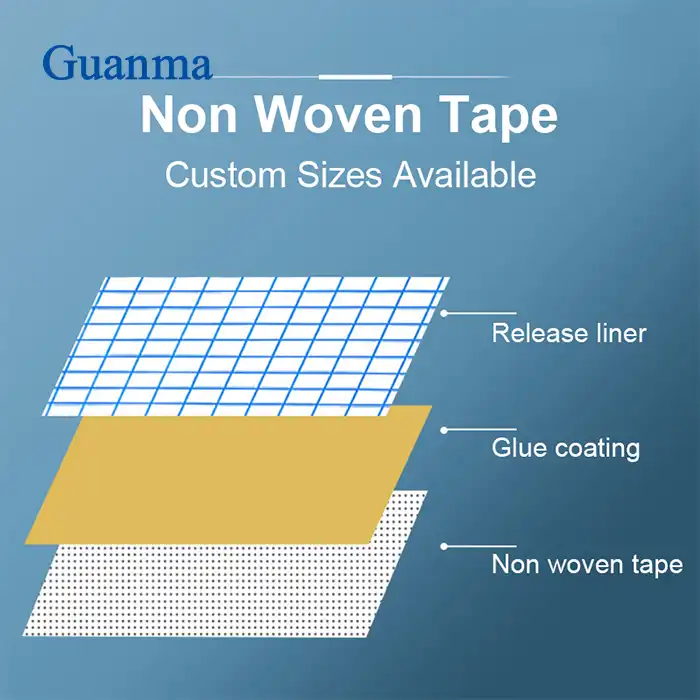
A knitted or non-woven fabric backing, usually made of cotton, rayon, or polyester mixes, is what medical cloth tape is made of. This cloth base gives the tape tensile strength and conformability, so it can bend with your body while still sticking securely. The adhesive layer is generally made of zinc oxide-based or acrylic materials that stick strongly and are good for long-term use in busy patient situations.
Because cloth backing is permeable, it lets air flow and moisture vapor pass through, which lowers the risk of maceration around wounds. These tapes are made by companies like Guanma Medical using pressure-sensitive glue technology that makes them both strong and easy to remove. Because the fabric is made of layers, it is easy to tear by hand, so you don't need scissors to put it on in emergency or time-sensitive hospital settings.
Structure and Properties of Hypoallergenic Tape
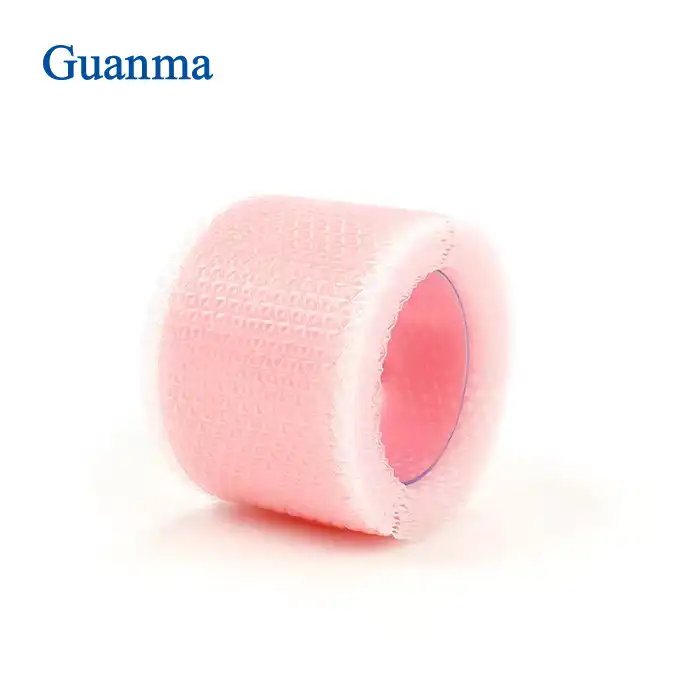
Hypoallergenic tape puts biocompatibility first by using carefully chosen materials that don't react badly with the skin. Most sensitive types use silicone-based glues or carefully made acrylics that don't have irritating ingredients like latex, rosin, or harsh chemicals added to them. The backing can be made of paper, microporous films, or synthetic fabrics that have been treated to make them less likely to cause allergies.
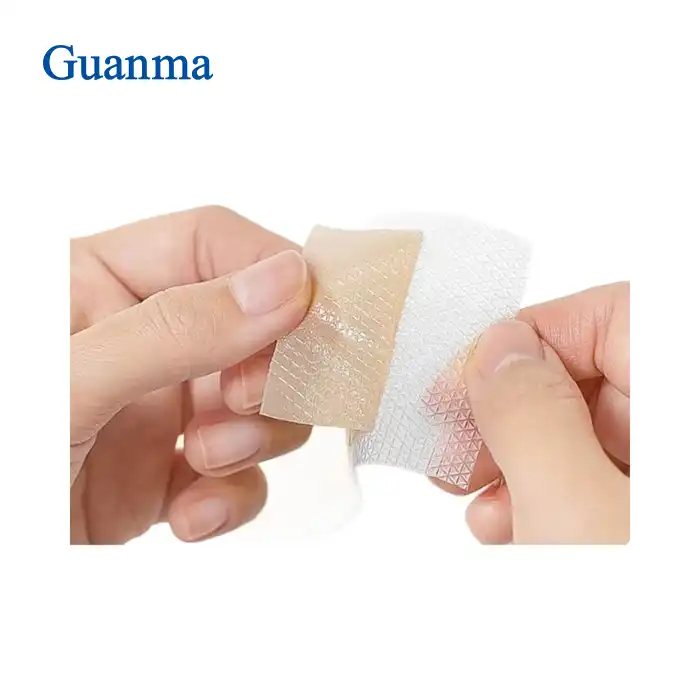
Silicone glue technology is a big step forward in the design of sensitive tape. Silicone doesn't stick to the stratum corneum as strongly as other adhesives do. Instead, it sticks to itself, making a soft grip that comes off neatly without damaging the skin or removing skin cells. Because of this, hypoallergenic tape is especially helpful for kids, older people with weak skin, and anyone who has to have tape put on over and over again.
Clinical Applications and Use Cases
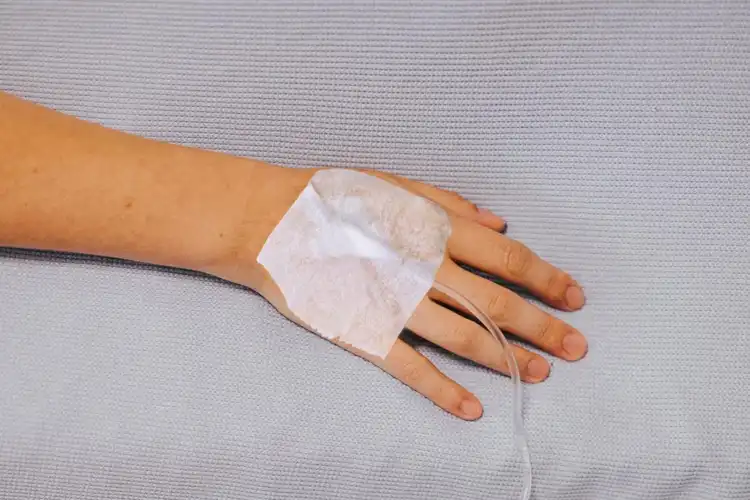
Medical cloth tape works great when a strong adhesive is needed under pressure. Surgical teams often use it to mount IV lines, keep tubes stable, and hold in place big patches that move or get tight. Athletic trainers and physical therapists use cloth tape to support joints and apply pressure in places where a strong hold is needed.
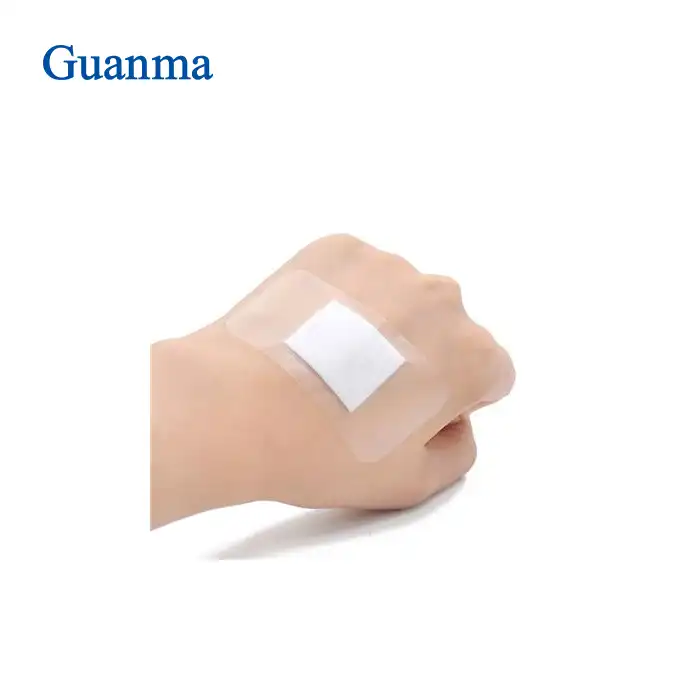
Hypoallergenic tape is useful for people with sensitive skin. Dermatology departments use it to test skin patches and keep light covers in place on skin that is sensitive. Oncology units like hypoallergenic choices for people who are getting radiation treatment because their skin gets more fragile and easily breaks. Pediatric hospitals have hypoallergenic tape on hand for babies and kids whose skin is too sensitive to handle strong bonds.
Key Differences between Medical Cloth Tape and Hypoallergenic Tape
Adhesion Strength and Holding Power
The difference in how well these types of tape stick to things has a big effect on what they can be used for. Medical cloth tape has a strong initial stickiness and a long-lasting binding, so it stays in place even when it's wet, sweaty, or under physical stress. In peel adhesion tests, the adhesives in cloth tapes usually measure between 20 and 30 ounces per inch. This means they can hold securely in tough clinical settings.
In order to be gentle, hypoallergenic tape gives up some of its binding strength. In peel adhesion tests, silicone-based hypoallergenic tapes usually measure 8 to 15 ounces per inch. This is enough to hold lightweight patches in place, but not enough for high-stress situations. Because it doesn't stick as well, it's easier and less painful to take off, which means less skin loss and pain during dressing changes. When choosing goods for different areas and groups of patients, procurement teams need to carefully think about this trade-off.
Skin Compatibility and Allergy Risk
The most important difference between these types of tape is how they respond to the skin. Medical cloth tape is usually safe for most people to use, but it can cause contact dermatitis and allergic responses in some people. Some people are sensitive to zinc oxide glue, and long-term use may cause soreness even in people who aren't allergic. Because some cloth tape constructions are occlusive, they can trap wetness, which can help skin become dry, and fungi can grow.
Hypoallergenic tape goes through strict biocompatibility testing according to ISO 10993 guidelines to make sure it doesn't react badly with skin. Contact dermatitis is much less common with silicone glue than with traditional ones, according to clinical tests. Hypoallergenic choices are needed to keep patients with known glue allergies, weak skin barriers, or conditions like epidermolysis bullosa from getting skin damage from medical procedures. The money spent on hypoallergenic tape usually pays off because it lowers the risk of wound problems and raises patient happiness scores.
Water Resistance and Environmental Durability
Different kinds of tape have very different water resistance levels, which can make them less or more suitable for some hospital settings. Standard medical cloth tape stays stuck when it's not wet, but it starts to break down when it gets wet. The cloth backing soaks up water, which weakens the adhesive ties and could allow bacteria to grow. Some types of shower-proof or water-resistant cloth tape have polymer coats or plastic backings that make them work better in wet conditions.
There is a wide range of hypoallergenic tapes, from paper-backed ones that don't fight water to film-backed ones that do. Silicone glue works reliably even when it's wet, which means that some hypoallergenic tapes can be used for incontinence care, scars that need to be washed after surgery, or tasks that need to be done in damp places. To make sure that the tape you choose works well in real-life situations, the standards for procurement should make it clear what level of waterproofing is needed.
Breathability and Moisture Vapor Transmission
The transparency of medical tapes has a direct effect on how well wounds heal and how healthy the skin is. The braided cotton constructions of medical cloth tape make it very breathable. They let a lot of air flow and moisture vapor pass through at rates that are often higher than 1,000 g/m²/24 hours. This allows the right amount of wetness to stay in balance at the wound's surface, stopping it from drying out too much or building up too much.
How well hypoallergenic tape breathes depends a lot on the backing material you choose. Paper-backed hypoallergenic tapes are just as permeable as cloth tapes, while film-backed waterproof tapes form an occlusive layer that lets very little air through. Microporous synthetic backings try to find a mix between not letting water through and letting air pass through, reaching vapor transmission rates of 500 to 1,500 g/m²/24 hours. When procurement workers know these performance factors, they can choose the right goods for different types of wounds and care routines.
How to Choose the Right Tape for Your Medical Application
Assessing Patient Demographics and Skin Condition
When choosing a tape in a professional setting, things that are unique to each patient should be taken into account. Age has a big effect on how well skin sticks to things and how strong it is. Neonatal and young babies have skin that isn't fully developed yet and has weak dermal-epidermal joints. They need only hypoallergenic, gentle-removal tapes. Skin naturally thins and loses its flexibility in older patients, making them more likely to get hurt by adhesives.
Medical problems can also affect the right tapes to use. People with diabetes who have peripheral neuropathy might not notice when they are getting irritated, so they need to use sensitive products to avoid it. People with weak immune systems can't afford to have their skin break down, which opens the door to infections. Anticoagulation therapy patients tend to get bruises quickly, so hypoallergenic tape that is easy to remove is best. To meet the needs of a wide range of patients, procurement teams that work with a variety of patients should keep both types of tape in stock.
Matching Tape Type to Wound Characteristics
The type of wound and the goals of care directly affect the best tape choice. Acute surgical wounds with little fluid leakage and stable edges can usually handle the strong adhesion of medical cloth tape to hold main bandages in place. Hypoallergenic tape is easy to take off, which makes it better for chronic wounds that need to be checked and dressed often. This means that the wound doesn't have to go through as much pain each time the dressing is changed.
Heavily exuding cuts make it hard for any type of tape to work. When medical cloth tape gets wet, it may not stick as well, and some hypoallergenic choices don't stick well enough when they're wet. In these situations, people who are in charge of buying things should ask for adhesives that don't get wet or look at advanced wound care products with built-in sticky edges that are made for managing high levels of fluid.
Evaluating Cost-Effectiveness and Supply Chain Reliability
Medical goods are bought with a lot of thought given to budget limits and supply chain issues. Medical cloth tape usually costs less per unit than hypoallergenic options. This makes it a good choice for high-volume uses where skin sensitivity is not the main worry. When you buy a lot of standard-sized cloth tape, your inventory is simpler, and you have more buying power with sellers.
Because it is made with special materials and in special ways, hypoallergenic tape costs a lot more than other types. The higher unit cost might be worth it if fewer problems happen, healing times are faster, and patients do better, all of which lower the total cost of care. When you look at the total cost of ownership, you should include the money you might save by having fewer skin problems, less time spent by nurses changing problem dressings, and higher patient happiness numbers, all of which affect reimbursement under value-based care models.
Procurement Considerations for Medical Cloth and Hypoallergenic Tapes
Supplier Evaluation and Certification Requirements
Choosing qualified suppliers is an important part of buying that affects product quality, legal compliance, and the continuity of supply. Manufacturers of medical cloth tape must show that they are certified to the ISO 13485 medical device quality management standards. This makes sure that the design controls, production processes, and systems for monitoring products after they have been sold are strong. For global healthcare companies, CE marking means that the product meets the standards of the European Medical Device Regulation.
Biocompatibility testing records show that the materials used in tape will not have any negative effects when used in a hospital setting. According to ISO 10993 guidelines, reliable providers give test results for cytotoxicity, sensitization, and irritation. All of Guanma Medical's medical adhesive tape goods go through thorough biocompatibility testing. This helps procurement teams meet the safety standards of institutions. Also, suppliers should show tracking systems that let them respond quickly to problems with quality or returns of products.
Volume Pricing and Contract Negotiation Strategies
Every year, people who work in healthcare buying discuss a lot of tapes, which can lead to better prices and terms. When departments agree on fewer tape specs, the number of orders for each SKU goes up, which makes it easier to negotiate with suppliers. Contracts that last a year or more lock in prices and make sure that supplies are distributed even when the market is down.
Value-added services set providers apart from each other in ways other than unit price. Sample programs let healthcare staff try out goods before they buy a lot of them. Just-in-time delivery and vendor-managed inventory plans cut down on the cost of storing and the amount of money that is stuck in supplies. Technical help and training for staff on how to properly apply tape to improve the performance of the product and cut down on waste. Along with price terms, these service standards should be made clear in procurement contracts.
International Logistics and Lead Time Management
Getting medical tapes from around the world adds organizational challenges that need to be carefully managed. Manufacturing wait times range from two to eight weeks, based on the product, the number of orders, and the plan for production. For foreign orders, ocean freight adds three to six weeks, so you need to plan to make sure you don't run out of stock. Air freight speeds up delivery, but it also makes landing costs much higher.
Clearing customs and following import rules make foreign buying even more difficult. Medical gadgets like hypoallergenic medical cloth tape need to be properly documented and may have to go through longer testing processes. This process goes more quickly if you work with experienced freight forwarders who know about the rules for medical products. Keeping safety stock based on the total supply chain lead time plus variability gaps protects against unexpected delays and prevents inventory holding costs from becoming too high.
Application Best Practices and Risk Management
Step-by-Step Application Guidelines
The right way to apply tape increases its binding properties and minimizes skin problems. Before applying anything to the skin, clean the area with light soap and water and let it dry completely. When skin is oily or wet, it stops adhesives from sticking well. Don't use alcohol-based prep treatments right before putting on tape because any wetness left over will make it harder for the tape to stick and may irritate the skin.
When using medical cloth tape, only unroll the amount you need and tear it using its natural tear strength. Put the tape in place without pulling it, because strain on the skin can cause it to blister or tear. Smooth the tape from the middle to the ends to get rid of air gaps that make it less likely to stick. Avoid moving too often, as this makes the glue less effective. When applying hypoallergenic tape, be more careful not to hurt sensitive skin by applying too much pressure or too little pressure.
Identifying and Managing Allergic Reactions
Early recognition of adhesive-related skin issues caught early, they can be treated quickly to avoid major problems. Contact dermatitis usually shows up as redness, burning, or a rash in the area where the tape touches the skin. If the symptoms show up within hours, it's likely that the skin rash was caused by a chemical or mechanical allergen. If you have delayed responses 24 to 72 hours after applying something, it means you have allergic contact dermatitis and need to stay away from allergens.
As soon as you think someone is having an allergic response, take off the tape and wash the area with light soap and water. Use moisturizer to get your skin's barrier function back to normal, and if the redness is really bad, think about using external corticosteroids. Write down the response in the patient's file and switch to tested sensitive options. Adverse responses need allergy patch testing to find out which allergens are causing the reactions. This will help choose better glue products in the future.
Optimizing Tape Lifespan and Replacement Schedules
Setting up the right time between tape changes strikes a balance between safe bonding and skin health protection. Under normal conditions, medical cloth tape usually stays stuck for 24 to 72 hours. However, if there is a lot of wetness or physical stress, it may need to be changed more often. At least once a day, check taped dressings for lifting edges, wetness getting in, or obvious dirt that could weaken the tape.
How often you change hypoallergenic tape varies depending on the type of adhesive used and the clinical rationale. Silicone-based patches can stay on for up to seven days without causing major skin damage, but the needs of the dressing usually mean that they need to be changed sooner. Any tape that is worn for a long time raises the risk of adhesive buildup, bacterial growth, and skin problems caused by wetness. Protocols should say how long a person can wear something at a time, based on the product's specs and the patient's unique risk factors.
Conclusion
To choose between medical cloth tape and hypoallergenic tape, you need to carefully look at your organization's goals, the needs of your patients, and the type of tape you need. Medical cloth tape sticks well and lasts a long time, making it perfect for tough jobs where a strong hold is more important than sensitivity. Hypoallergenic tape sticks gently and without irritating the skin, which is important for people who are more likely to get allergic reactions or for repeated use. Procurement pros can make tape portfolios that improve healthcare results while keeping costs low by understanding material properties, performance differences, and the right use cases. By working with certified makers, you can be sure that they will follow the rules, make good products, and provide a steady supply, all of which help the school reach its goals.
FAQ
Can medical cloth tape cause allergic reactions?
People who are sensitive to these things may get contact dermatitis or allergic responses from medical cloth tape, especially if the adhesives contain zinc oxide, rosin, or latex. Reactions usually show up as heat, itching, or a rash only where the tape touched the skin. People who are known to be allergic to adhesives or who have sensitive skin should use hypoallergenic options that are made to reduce sensitivity. When putting on tape for the first time, always keep an eye on the patient and switch to hypoallergenic tape if soreness starts to show.
Which tape type is better for securing IV catheters?
Most of the time, medical cloth tape is better at sticking IV tubes in place because it stays in place even when your hand moves or gets wet. The strong cloth backing doesn't tear when the patient moves around, so the catheter is less likely to come loose by mistake. People with sensitive skin or skin that is easily damaged may need hypoallergenic tape, even though it holds a little less well. Some companies make hypoallergenic tapes with better stickiness that are meant to be used for IV securement.
How long can hypoallergenic tape safely remain on skin?
How long hypoallergenic tape lasts depends on the type of glue used and the subject. Hypoallergenic patches made of silicone can stay on for up to seven days without hurting or irritating the skin too much. For wound care reasons, they often need to be taken off earlier. Hypoallergenic patches made from acrylic usually need to be changed every 24 to 48 hours. When changing tape, you should always look at the skin for signs of soreness, erosion, or an allergic reaction. If you find any, you should change how often you replace the tape.
Partner with Guanma Medical for Premium Medical Adhesive Tape Solutions
With full OEM and ODM skills, Guanma Medical is ready to help you meet your medical cloth tape needs. We are a qualified medical cloth tape maker with CE, ISO 13485, and ISO 9001 certifications. Our quality is always the same and is backed by full biocompatibility testing. Our engineering team changes the adhesive's ingredients, sizes, and packaging to fit your unique needs in the clinic and your target market. Our responsive service and open production options make sure that global brand owners, wholesalers, and healthcare institutions always have what they need, whether it's standard medical cloth tape for everyday use or hypoallergenic versions for sensitive uses.
Contact our professional team at betty@guanmamedical.com to request samples, discuss customization options, or explore how our medical cloth tape supplier partnership can enhance your product portfolio. We provide rapid prototyping, competitive pricing for volume orders, and technical support throughout the product development cycle. Guanma Medical's commitment to quality, innovation, and customer success makes us your ideal partner in medical tape manufacturing.
References
1. Johnson, M.R., & Stevens, K.L. (2019). Adhesive Technologies in Medical Device Applications: Materials Science and Clinical Performance. Medical Device Publishers.
2. Chen, W., Rodriguez, P., & Thompson, A. (2021). Comparative Analysis of Skin Reactions to Medical Adhesive Tapes in Clinical Settings. Journal of Wound Care Technology, 15(3), 112-128.
3. International Organization for Standardization. (2018). ISO 10993-10:2018 Biological Evaluation of Medical Devices—Part 10: Tests for Irritation and Skin Sensitization. ISO Standards Publications.
4. Williams, D.F. (2020). Biocompatibility and Performance of Medical Adhesives: Engineering Principles and Clinical Applications. Cambridge Medical Press.
5. American Society for Testing and Materials. (2017). ASTM D3330: Standard Test Method for Peel Adhesion of Pressure-Sensitive Tape. ASTM International Standards.
6. Patterson, R.E., & Kumar, S. (2022). Procurement Strategies for Medical Consumables in Healthcare Systems: Cost Analysis and Quality Assurance. Healthcare Supply Chain Management Quarterly, 28(2), 45-67.