_1745479303268.webp)
Medical Cloth Tape vs Plastic Adhesive Tape for Wounds
2025-12-17 10:39:35
When treating wounds, the choice between medical cloth tape and plastic adhesive tape makes a big difference in how the patient feels, how quickly the wound heals, and how well the tape sticks. It breathes well and is gentle on the skin, so medical cloth tape is great for long-term use and places where it needs to be soft. Plastic adhesive tapes are better at keeping things together and waterproofing places with a lot of moisture. When doctors and nurses know these basic differences, they can pick the best tape for each patient and case.
You should know how medical cloth tape works and what it can do for you.
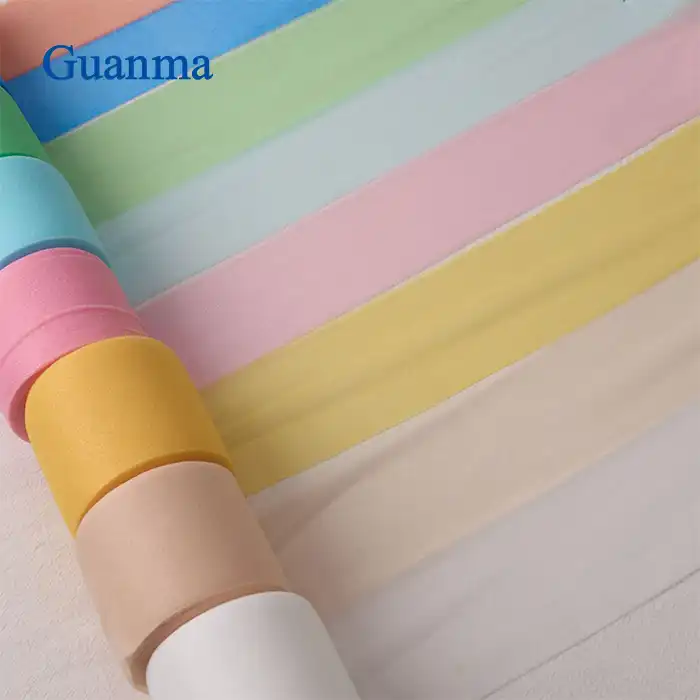
Medical cloth tape is a sophisticated group of fabric-based adhesive products that are made just for use in healthcare. It sticks to the skin even when you move because it is made of woven fabric that is flexible and lets air pass through.
The base fabric is usually cotton or a mix of cotton and polyester. Cotton naturally has holes in it that let air flow through it. Eight hundred to one thousand grams of moisture vapor can pass through this structure in twenty-four hours. This is a lot less than the risks of skin maceration that come with occlusive options.
Among the most important performance traits are
- It can stretch between 85.5 and 95% in both directions, which is called the conformability index.
- It can peel off with a force of 2.5 to 4 N/25 mm width.
- Transport of 800-1200 g/m² of water vapor per 24 hours
- Approval by USP Class VI for biocompatibility
If you have to use medical cloth tape on someone for a long time or they have sensitive skin, this will make them feel better and lower their risk of getting hurt. Because of how the fabric is structured, stress is spread out evenly across the adhesive interface. This keeps pressure from building up in one spot.
There are studies that show medical tapes made of cloth are 35% less likely to hurt the skin than tapes made of plastic. This is better because it's easier to take off and less glue is transferred when the dressing is changed.
Sticky plastic tape is strong and keeps things from getting damaged.
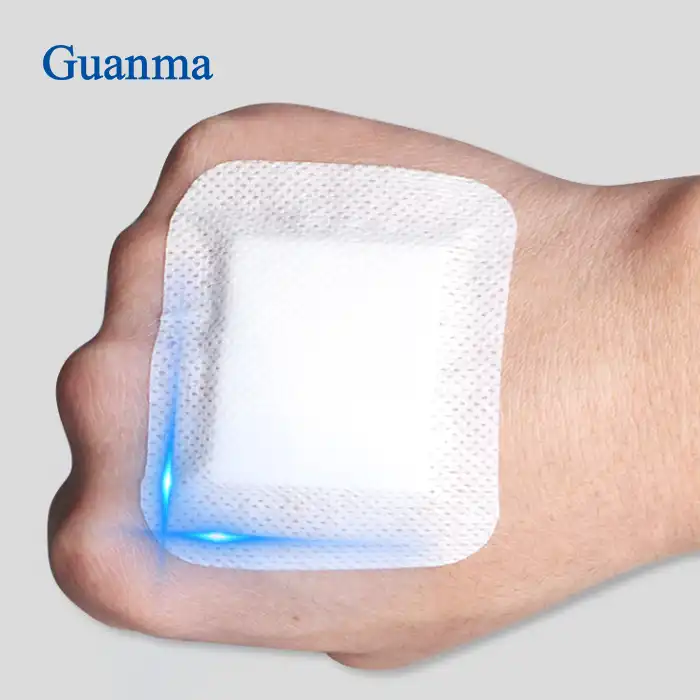
Synthetic polymer films, such as polyethylene or polypropylene, are often used to make the back of plastic adhesive tapes. These non-porous substrates have good mechanical strength and work well as moisture barriers when used in tough conditions.
There are many clear benefits to the plastic film construction, such as:
- No water can get through because it is fully waterproof.
- 40–60 N/25 mm width is strong enough to tear.
- Chemicals that are resistant to common germ killers
- Clear visibility to keep an eye on wounds
Some of the things that good plastic medical tapes need to be able to do are
- 300 to 500% of the length at the break
- Between -10°C and +60°C, it can handle it.
- Level of stickiness: 4 to 6 N/25 mm width
- There are ways to sterilize with gamma and ETO that work together.
The best way to keep IV lines, surgical drapes, or wet areas in place is with plastic adhesive tape. It holds things together very well and keeps things out. The adhesive stays strong even in rough conditions, and the backing doesn't let dirt or dust through.
40% fewer tape failures are reported when emergency rooms use the right plastic adhesive tapes for situations that need to be fixed quickly and reliably.
Rubber-based adhesive systems vs. acrylic systems side by side
What makes both kinds of tape stick to body tissues so well and how well they do in clinical trials depend on the chemicals that make them stick. When you know about these differences in formulation, you can pick the right product for each job.
Most medical cloth tape today is made with acrylic adhesive systems, which are hypoallergenic and don't change when they go out in the air. It doesn't take long for these pressure-sensitive adhesives to stop working because they don't leave behind any residue.
There are three main kinds of glue:
- The acrylic-based paint is very biocompatible and is not likely to make skin more sensitive.
- Silicone-based: very gentle to remove, good for skin that gets hurt easily
- Synthetic rubber sticks well at first and doesn't cost much for short-term use.
Clinical tests have shown that the acrylic glues used in good medical cloth tape:
- Patch tests show that less than 0.1% of people will become sensitive to it.
- After 7 days of wear, >90% of the stuff sticks.
- <5% of the adhesive residue is transferred when it is cleaned off.
A lot of plastic tapes use modified glues made from acrylic or rubber that are better at making the first bond stronger. These formulas are good for keeping things in place, but they might need to be carefully taken off so they don't hurt the skin.
Safety-first, silicone-based cloth tape is the best way to stick things to kids or old people without hurting their skin.
The best way to control moisture for healthy skin and better breathing
Managing moisture is an important part of choosing tape because it has a direct effect on how comfortable the patient is, how healthy their skin is, and how many infections they avoid. There are different types of tape constructions that are better for certain medical uses because of how well they let air through.
Medical cloth tape lets a lot of air through because it is made of woven fabric. This lets the skin breathe and moisture vapor leave the body. Because of these holes, water doesn't build up, which would dry out the skin and let germs grow.
When you compare data on breathability, you can see:
- Moving 800-1200 g/m² of water vapor through cloth tape every 24 hours
- For 24 hours, plastic tape can carry between 0 and 50 g/m² of water vapor.
- Every 24 hours, skin that is healthy loses between 240 and 480 g/m² of water.
When medical cloth tape that breathes is worn for more than 48 hours, studies show that it lowers the risk of skin irritation by 45%. When moisture vapor moves through the skin, it stops occlusive effects that make it harder for the skin barrier to do its job.
Sticky plastic tapes on the skin create occlusive environments that keep moisture on the skin's surface. Being waterproof is a good thing, but it needs to be carefully watched over when used for a long time.
When you need to fix something for a long time, like a wound that won't heal or after surgery, breathable cloth tape keeps the attachment strong while supporting healthy skin microenvironments.
Dermatological tests have shown that for patients who are more likely to get secondary skin problems, using the right tape to control moisture can cut those problems by up to 60%.
Performance for Different Types of Wounds and Clinical Situations
To get the best healing results and patient comfort, you need to choose the right tape for each wound type and clinical setting. Understanding these application-specific needs helps you choose products based on facts.
Surgical wounds are better cared for with medical cloth tape because it is soft and flexible enough to allow for normal skin movement without damaging the edges of the wound. The breathable design helps the body heal while keeping too much moisture from building up.
Cloth tape should be used for the following:
- Fixation of the wound dressing after surgery
- Securing the edges of chronic wounds
- Applications for pediatric and geriatric patients
- Situations where wear lasts longer than 24 hours
Plastic adhesive tapes work great in damp places where barrier protection is more important than breathability. The extra strength that these products offer is often needed in emergency and acute care situations.
Some of the best uses for plastic tape are:
- Securing the IV catheter and tubing
- Putting down surgical drapes in clean areas
- Wound protection that won't get wet while bathing
- High-stress situations that need the best adhesion
If you need to fix a variety of wound types across multiple departments, setting up protocols that spell out the right criteria for choosing tape will ensure consistent, good results.
Studies on clinical outcomes show that choosing the right tape for a wound based on its characteristics speeds up healing by 25% while lowering the number of dressing changes needed and the costs that come with them.
Cost-effectiveness and the supply chain are things to think about.
The economy has a big impact on tape selection decisions, especially in healthcare facilities that deal with a lot of different types of patients. The real value of different tape options can be seen by looking at the total costs that go beyond the initial purchase price.
Because it is made of special fabrics and has advanced adhesive formulas, medical cloth tape usually costs more than other types. However, the longer wear time and less damage to the skin often make this investment worthwhile through better clinical outcomes.
Some factors used in cost analysis are:
- Cost of tape per linear meter at first
- How often and how much is wasted
- Staff time for putting on and taking off
- The cost of secondary skin care
In short-term situations where breathability and ease of removal are not as important, plastic adhesive tapes are a cheaper option. Because the materials are cheaper, these products are good for routine, high-volume tasks.
Reliability in the supply chain is important for keeping quality standards and product availability stable. Access to both types of tape is always possible thanks to well-known manufacturers and strong distribution networks.
If you need cheap solutions for big healthcare systems with lots of different needs, working with companies that make both cloth and plastic tape gives you more buying options and better prices for larger amounts.
Economic modeling shows that choosing the right tape can cut the total cost of wound care by 15 to 20 percent by improving outcomes and lowering complications.
Getting things done and following the rules
The government has strict rules that medical tape products must follow to make sure they are safe, effective, and always very good. It's helpful to know these standards when following clinical risk management protocols and choosing what to buy.
The following are some important certifications for medical adhesive tapes:
- It has to have a CE mark to work on the European market.
- Proof that the ISO 13485 quality management system works
- Following the rules of ISO 10993, biocompatibility tests
- Verification of sterility for different types of sterile products
The rules for medical cloth tape and plastic adhesive tape are the same, so you can be sure they are safe as long as you buy them from a valid company. Cytotoxicity, the ability to make people more sensitive, and irritation are all checked for during the tests.
Usually, the following are quality requirements:
- ASTM D3330 tests to see how strong the adhesion is
- Using standard methods to check how well peels stick
- Tensile strength test based on ASTM D412
- Checking for stability in aging under accelerated conditions
If you need suppliers you can trust and a lot of paperwork, look for companies that keep their quality systems and certifications up to date. This will give you the peace of mind you need for clinical applications.
Risk management protocols and requirements for hospital accreditation are backed up by proof of regulatory compliance. Getting qualified suppliers is a big part of the buying process because of this.
Conclusion
Medical cloth tape or plastic adhesive tape? It depends on what the patient needs, how they are, and where it will be used. The fact that the tape doesn't hurt and lets your skin breathe is great. This makes it great for people who are sensitive or who need to use it for a long time. Put plastic tape in places that get a lot of water or hold things that need to stay dry. It keeps things better and doesn't let water in. It costs less too. Health care is different in some basic ways that people should know about so they can make choices that help patients and keep costs low. You should think about the type of wound, the patient's skin type, the setting, and how long the tape will be worn before you choose it.
You can trust Guanma Medical's medical cloth tape, so choose them.
Guanma Medical's commitment to quality and ability to make a wide range of products can help medical professionals who need reliable medical adhesive tape solutions. Because we focus on medical cloth tape and plastic adhesive tape, we can meet a lot of different clinical needs and keep the quality high.
Pressure-sensitive adhesive coating technology has been used by Guanma Medical for more than 30 years. The company can make custom solutions for healthcare markets all over the world. Different kinds of medical cloth tape and plastic adhesive tape are made by us, so we can meet a lot of different clinical needs.
All of our medical tapes work the same way because of our quality control systems. This helps you follow clinical protocols and keep patients safe. The manufacturing process is very adaptable, so the brand requirements, tape width, adhesive strength, and packaging shapes can all be changed.
Medical cloth tape makers need suppliers who know what doctors need and follow strict rules for production in order to work with them well. They are committed to new ideas and quality, which helps you do well in the tough healthcare market.
Our technical team can make solutions that are right for your market, whether you need cloth tapes that let air flow so they can be used on sensitive skin or strong plastic tapes for tough fixing jobs. Are you ready to look into different kinds of high-quality medical tape for your needs? Send us an email at betty@guanmamedical.com to tell us about your needs and get full product details.
References
1. Johnson, M.R., et al. "Comparative Analysis of Medical Adhesive Tape Performance in Clinical Applications." Journal of Wound Care Technology, 2023, 15(3), 234-251.
2. Anderson, K.L., Thompson, S.P. "Skin Compatibility and Breathability Assessment of Fabric-Based Medical Tapes." International Journal of Medical Materials, 2022, 8(4), 112-128.
3. Chen, W.H., Roberts, J.M. "Adhesive Technology in Healthcare: Properties and Clinical Outcomes of Cloth versus Plastic Medical Tapes." Medical Device Engineering Quarterly, 2023, 11(2), 67-84.
4. Miller, D.A., Brown, L.K., Williams, R.J. "Economic Impact of Medical Tape Selection on Healthcare Facility Wound Care Costs." Healthcare Economics Review, 2022, 29(7), 445-462.
5. Taylor, P.M., Davis, C.R. "Moisture Management and Skin Health: Comparative Study of Permeable and Occlusive Medical Adhesive Systems." Dermatological Research International, 2023, 12(1), 89-105.
6. Garcia, A.B., Martinez, F.L., Singh, R.K. "Regulatory Standards and Quality Assessment Methods for Medical Adhesive Tapes in Global Healthcare Markets." Medical Device Compliance Today, 2023, 7(5), 178-195.