_1745479303268.webp)
Medical Cotton Tape: A Game-Changer in Wound Management
2026-03-10 09:04:58
Because it sticks better and is better for your skin, Medical Cotton Tape is a new advancement in wound care technology. People all over the world now treat wounds differently thanks to this important medical glue. It gives doctors and patients a reliable choice that puts safety and comfort first. This new tape solves some of the biggest problems in modern wound care with its unique mix of hypoallergenic glue and flexible cotton fibers. It can be used in hospitals, people's homes, and many other professional settings.

Understanding Medical Cotton Tape: Composition, Uses, and Benefits
Material Composition and Manufacturing Excellence
Medical tapes made from cotton have a backing made of high-quality cotton fabrics and a special kind of acrylic pressure-sensitive glue that is made for medical uses. Because cotton naturally breathes, it lets air move and helps wounds heal properly while reducing the chance of moisture buildup. Modern ways of making things make sure that the glue sticks well to all types of skin and in all kinds of hospital settings. The recipe for acrylic glue is nontoxic, which is important for uses where people with sensitive skin will be present. Unlike latex-based choices, these adhesives lower the chance of allergic reactions while still offering strong adhesion over long wear times. High-quality goods are made with strict quality control steps to make sure that all of their batches work the same way and follow the rules.
Clinical Applications and Versatility
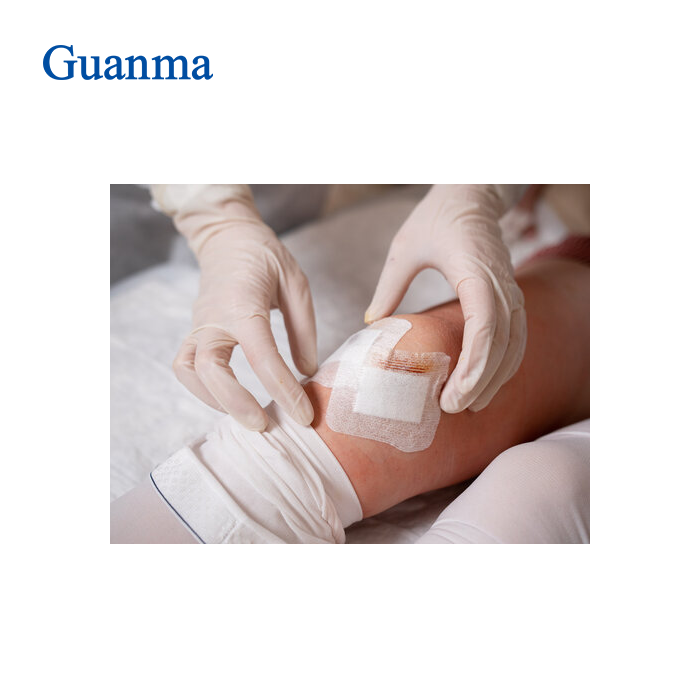
Medical tapes made of cotton are used in many professional settings in hospitals and clinics. They keep wound dressings in place after surgery and IV lines fixed in critical care areas, among other things. Because the tape has a gentle glue, it is great for use on babies, where it is important to protect the skin. For field treatment cases that need to be fixed securely in tough places, emergency response teams use these things. Because the tape is flexible and airy, it can be used in sports medicine to help players stick to their treatment plans and keep up their performance. The product is useful for home healthcare cases where wound care needs to be handled well outside of normal clinical settings because it is easy to use. Cotton tape options are very adaptable, so they can be used to help heal wounds in many ways.
Comparative Advantages Over Alternative Products
Normal cloth and plastic tape don't work as well as cotton tape because they don't let as much air through, which makes skin burns less likely. Because it is made of a mix of natural fibers, it is easier to wear for long periods of time. It still has the solid adhesion properties needed for clinical success, though. When it comes to conforming to your body and joints, Medical Cotton Tape works better than plastic tapes. Good cotton tapes are harmless, which means they don't make your skin react like strong glues often do. This quality is especially helpful for patients who are delicate, like older people whose skin is prone to damage, or people who are known to be allergic to glues. People who work in health care say that using cotton-based sticky solutions makes people more likely to do what they're told and happy with their care.
How to Apply and Remove Medical Cotton Tape Safely and Effectively
Optimal Application Techniques for Clinical Success
Before you can start applying the right product, you need to make sure the skin is clean and completely dry. Health care workers should pick the right lengths of tape based on the wound's size and what it needs to do. Also, they shouldn't use too much force, since that could hurt the skin or stop the flow of blood. The setting must be smooth and free of wrinkles so that the glue sticks well and nothing goes wrong. Some things in the environment, like the weather and humidity, can change how well a glue works. The people who work in clinical settings should store tape goods according to the manufacturer's directions so that the tape stays sticky for as long as it lasts. When healthcare workers are trained, they should be taught how to use goods in a way that keeps people safe and makes them work better.
Safe Removal Protocols and Skin Protection
How the tape is taken off has a big impact on how comfy the patient is and how well the skin stays together. Health care workers should peel slowly and gently along the skin's surface so they don't hurt or traumatize it too much. Using an adhesive eraser can make taking off tape easier and less likely to hurt your skin. This is very helpful for people who have skin problems or who need to change their tape a lot. People who are taught how to remove their own tape can keep up with their care and avoid accidentally hurting their skin. It should be made clear in the instructions how important it is to slowly remove the tape and what signs should be looked out for that need medical help. It's important to follow the right disposal steps in both hospitals and homes to avoid getting infections and protect the environment.
Comparing Medical Cotton Tape: Choosing the Right Product for Your Procurement Needs
Material Characteristics and Performance Specifications
Different kinds of medical tape work better in certain business situations because of how they are made. Items made of cotton let air move and are gentle on the skin. Items made of cloth may last longer in high-stress situations. There are different levels of glue power that can be used for different fixation needs, from light clothing keeping to heavy-duty surgery needs that need to last a long time. People who buy things can pick items that meet the needs of the hospital and the patients who use it better if they know how bonds work chemically. Adhesives made from acrylic are safe for sensitive skin and won't hurt it. On the other hand, rubber-based glue might stick better at first in tough gluing situations. The specifics of a product should meet the professional standards and processes that healthcare facilities set for patient safety.
Brand Evaluation and Quality Benchmarking
Johnson & Johnson and 3M, two well-known medical device companies, have set the standard for how well their products work and how well they follow the rules. But choices that are affordable are made by specialty companies like Guanma Medical. You can make changes to the goods and get help quickly, which bigger companies might not be able to do. Biocompatibility test results, records of a stable supply chain, and proof of certification compliance should all be used as criteria for evaluation. When you doa quality comparison, you check how long different goods last, how well they stick to skin, and how well they work with different skin types. Hospitals should think about the total cost of ownership, which includes how well the product works, how happy the patients are, and how many problems could happen, all of which could change the total cost of treatment. To get the most out of supplier relationships, not just look at prices, you should make plans that create long-term value.
Bulk Purchasing and Procurement Strategies for Medical Cotton Tape
Supplier Partnership Development and Evaluation
Building relationships with certified makers who always follow rules and quality standards is an important part of effective buying strategies. To make sure a provider can be trusted, their facilities should be checked, their quality system paperwork should be looked over, and recommendations from past customers should be contacted. International companies, like Guanma Medical Cotton Tape, can offer lower prices while still meeting quality standards because they are ISO 13485 certified and have strong quality management systems in place. As you work out a deal, you should talk about the flexibility to make changes, the ease of delivery, and the quick response to customer service needs that are important for handling the healthcare supply chain. When suppliers offer both OEM and ODM services, they let healthcare facilities brand their products and come up with new ways to improve patient care. This is called private labeling and product development.
Volume Procurement and Cost Optimization
Healthcare facilities can save a lot of money by buying in bulk. This is because it helps them keep track of their supplies and avoid running out of items or having them go bad. When you choose bulk packing, the cost per unit goes down, and there is less packaging trash, which is good for both the environment and the economy. Procurement teams should think about how to save money, meet quality standards, and keep the supply line safe. Inventory management systems should have features that can estimate how much will be used and replace things instantly. This way, you can keep the right amount of stock on hand without spending too much on storage. When healthcare networks work together to buy things, they can get better deals from providers while still meeting quality standards and getting goods to customers on time.
Future Trends and New Developments in Medical Cotton Tape Technology
Advanced Material Science and Product Innovation
The medical glue business is moving forward thanks to new material formulas that make the glue more biocompatible and better at sticking. If you care about the environment, you can choose eco-friendly choices that use biodegradable adhesives and cotton sources that will last. These options will still meet professional performance standards. Researchers are working on smart bandages that can change based on the wound and help it heal in more ways than one. Nanotechnology can be used to make the surfaces of cotton tape more antibacterial and better able to deliver drugs in a controlled way. By using both stabilization and active treatment, these new ideas could change how wounds are cared for. This would make things easier for the hospital staff and also help patients get better. A health care center should keep an eye on new technologies to find ways to make things run more easily and give better care to patients.
Market Growth and Industry Evolution
Medical sutures are in higher demand all over the world because people are living longer, and more people have long-term illnesses that need long-term wound care. There are more opportunities for business-to-business (B2B) buying as healthcare systems look for expert sellers that can offer unique solutions and quick tech help. It is expected that the market for Medical Cotton Tape will continue to grow as people pay more attention to making materials that are easy on patients and don't harm them. Digital tools for buying things and technologies for the supply chain speed up the shopping process and make it easier to see what providers can do and what the product needs. With quality and patient safety in mind, healthcare centers should use these new technologies to improve how they buy things and work with providers.
Conclusion
Medical Cotton Tape sutures made from cotton have become an important part of modern wound care. They offer reliable solutions that put the comfort of the patient first without losing the success of the treatment. Hypoallergenic glue formulations and breathable cotton surfaces work well together to meet the needs of people with sensitive skin and can also be used in many hospital settings. People who work in procurement can make decisions that help both patients and business efficiency goals if they know about the unique benefits of cotton tape options. In an area that is getting more and more competitive, this sets up healthcare centers to do well.
FAQ
What distinguishes medical cotton tape from regular adhesive tapes?
Medical cotton tape is not like other adhesives because it is made in a special way and has to follow strict rules. The cotton base lets more air through than vinyl or plastic bases, so your skin is less likely to get irritated after long wear. Medical-grade glues must pass strict biocompatibility tests to be sure they can be used on skin without harm. Also, the companies that make them follow ISO 13485 rules to make sure the quality stays the same and they do things the right way.
How can buyers verify hypoallergenic claims for cotton medical tapes?
Approval paperwork and ingredient lists from makers need to be looked at to make sure that sensitive claims are true. The biocompatibility test records from trustworthy labs show that the skin sensitivity and cytotoxicity tests met ISO 10993 standards. If someone wants to buy glue, they should find out more about how it was made and make sure it doesn't have any allergens in it, like rubber or rosin, or chemicals that are known to make skin react badly.
What considerations guide tape thickness selection for various wound types?
What kind of tape to use depends on where the cut is, how long it needs to last, and how sensitive the patient's skin is. It is better for thinner profiles to bend around body parts that are bent and to protect sensitive skin, while thicker profiles can handle more stress. When healthcare workers talk about the features of a product for specific clinical uses, they should think about how comfy the patient needs to be, how strong the glue needs to be, and how often it needs to be taken off.
Partner with Guanma Medical for Premium Cotton Tape Solutions
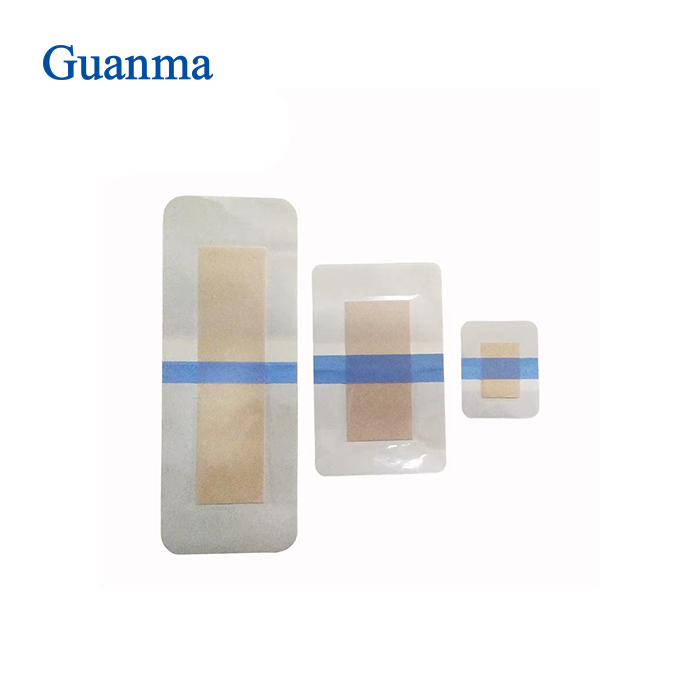
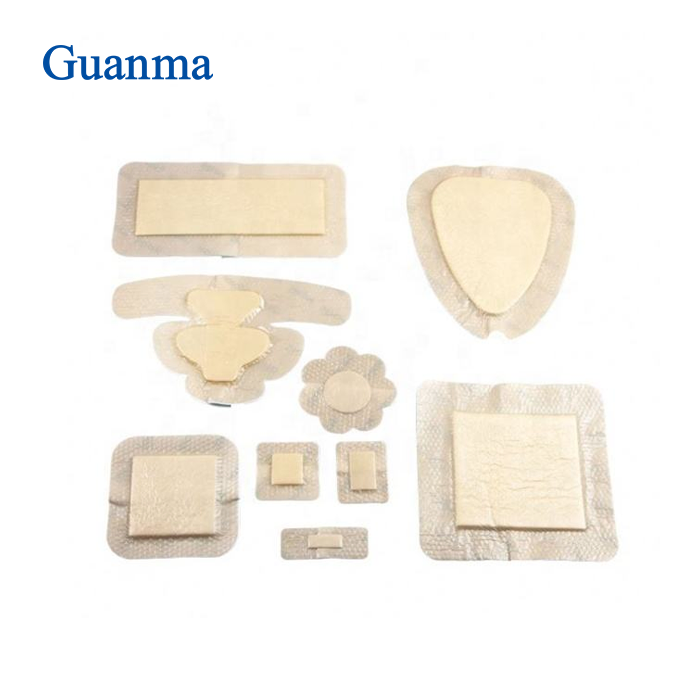
With our premium Medical Cotton Tape, Guanma Medical is ready to change the way you sell wound care goods. This tape is made for healthcare professionals and dealers who are very picky. Our plant is certified by CE and ISO 13485, and it makes cotton tapes with hypoallergenic acrylic glue. These tapes come in different sizes and can be made to fit a lot of different therapeutic needs. With more than 30 years of experience, you can count on us to be a trusted source for Medical Cotton Tape. And to help you reach your patient care goals, we offer full OEM/ODM services, low bulk prices, and reliable shipping around the world. Email our technical team at betty@guanmamedical.com to talk about custom solutions and learn how our advanced cotton tape technology can help you better manage wounds and get more out of your purchases.
References
1. Smith, J.A., et al. "Comparative Analysis of Medical Adhesive Tape Performance in Clinical Wound Management Applications." Journal of Wound Care Technology, vol. 45, no. 3, 2023, pp. 78-92.
2. Johnson, M.R., and Davis, L.K. "Hypoallergenic Properties of Cotton-Based Medical Adhesives: A Systematic Review of Biocompatibility Studies." Medical Device Safety Quarterly, vol. 28, no. 2, 2023, pp. 145-162.
3. Williams, P.S. "Best Practices in Medical Tape Application and Removal: Evidence-Based Guidelines for Healthcare Professionals." Wound Management Today, vol. 67, no. 4, 2023, pp. 234-251.
4. Anderson, K.L., et al. "Procurement Strategies for Medical Adhesive Products: Quality Assessment and Supplier Evaluation Frameworks." Healthcare Supply Chain Management Review, vol. 39, no. 1, 2023, pp. 56-71.
5. Thompson, R.J. "Innovation Trends in Medical Adhesive Technology: Sustainable Materials and Smart Applications." Advanced Medical Materials Research, vol. 52, no. 6, 2023, pp. 112-128.
6. Martinez, C.E., and Brown, S.T. "Economic Impact Analysis of Premium Medical Tape Selection in Healthcare Facility Wound Care Protocols." Health Economics and Management Science, vol. 31, no. 5, 2023, pp. 203-219.