_1745479303268.webp)
Medical Cotton Tape: A Veterinarian's Perspective
2026-03-05 09:51:24
As a veterinarian with more than 20 years of experience taking care of animals and performing surgeries, I've seen firsthand how the right medical tools can make a huge difference in how well patients do. In animal medicine, Medical Cotton Tape has become a crucial tool because it has benefits that regular adhesives just can't. This special tape combines the gentleness of cotton fibers with medical-grade glue to make a solution that solves the problems we face when we have to treat animals with different skin types and needs for healing.

Understanding Medical Cotton Tape in Veterinary Use
To provide good medical care, we need to understand the things we use every day. An important step forward in animal healthcare uses is cotton-based adhesive tape, which was made to solve the specific problems that veterinary workers face.
Structure and Composition of Veterinary Cotton Tape
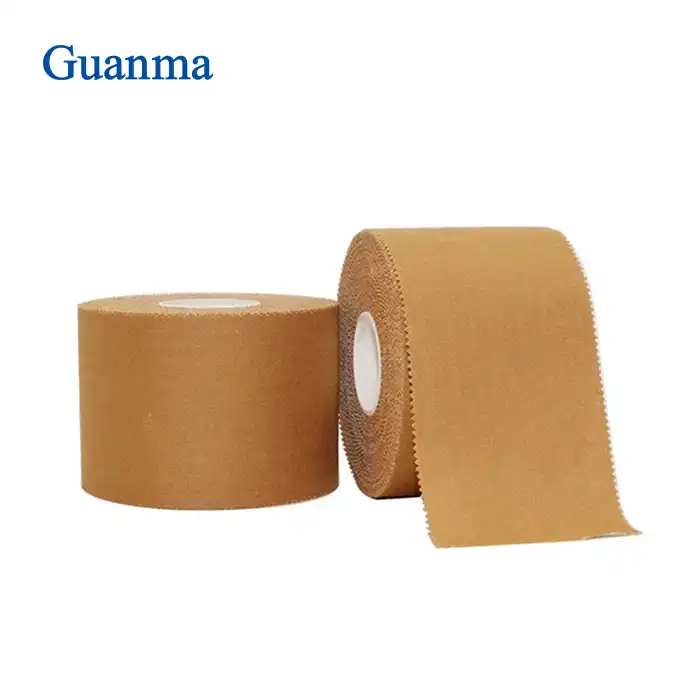
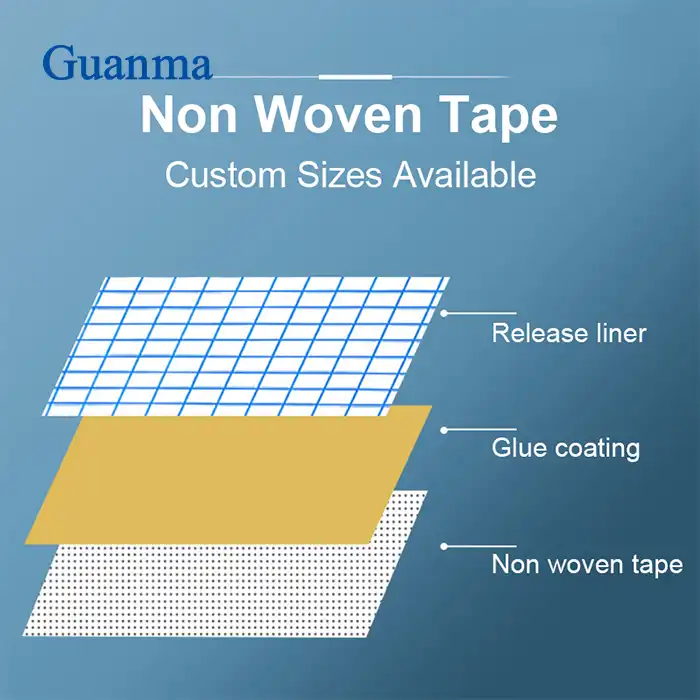
Cotton fabric tape is made of high-quality cotton fibers that are sewn into a grid that lets air flow while still sticking securely. Acrylic pressure-sensitive glue, which is used in high-quality goods, gives the best bonding power without hurting the skin. This mix makes a product that stays flexible when animals move and keeps moisture from building up, which could cause skin problems. Cotton is different from manufactured materials because it lets air pass through it. Animal skin needs to be able to breathe well while it heals, and the natural structure of cotton fibers makes this possible. Because of how it's made, the tape can be worn for longer amounts of time without getting sticky, which can happen with non-breathable glue.
Unique Benefits in Animal Care Applications
Because it is hypoallergenic, cotton-based tape is especially useful in veterinary settings where animal allergies vary a lot between types and species. The gentle adhesion makes removal methods less painful, which lowers worry for both patients and professionals. When dealing with older animals or animals whose skin isn't doing well, this trait is especially important. Another important benefit in veterinary uses is that they are flexible. Animals don't usually stay still while they're healing, and cotton tape doesn't lose its stickiness or make the animal feel uncomfortable when it moves. Because the material can mold to uneven body areas, it provides uniform contact and security in a wide range of body parts.
Comparison with Alternative Adhesive Products
When looking at different kinds of adhesives for medical use, cotton tape stands out for a number of reasons. Plastic tapes often make occlusive environments that keep heat and wetness in, which can help bacteria grow and slow down the mending process. Even though paper bands let air flow, they usually aren't strong enough for animals that are busy. Cloth options might be flexible in the same way, but they usually use glues that are too harsh for animals' skin. Cotton tape is the best because it is both strong and gentle, so it can be used for both short-term tasks and long-term cases that happen a lot in veterinary practice.
Types and Comparison of Medical Cotton Tape for Veterinary Procurement
There are different kinds of cotton tape on the market for animals, and each one is made to meet specific health needs and buying issues.
Water-Resistant Versus Standard Formulations
Medical Cotton Tape that is resistant to water has special adhesives that keep their sealing strength even when they are wet from cleaning or animals being wild. These items are especially useful in big animal practice, where animals are often outside in bad weather. Standard formulas are very breathable and comfortable for indoor use, where they won't be exposed to much moisture. Picking one of these options has an effect on both the treatment results and the costs of getting them. Water-resistant types usually cost more, but they last longer in harsh settings and need less replacement. Standard formulations are a cheap way to solve problems in controlled clinical situations where moisture contact is easy to handle.
Hypoallergenic and Specialized Options
Advanced hypoallergenic versions use improved adhesive systems that keep allergy responses to a minimum in groups of animals that are more likely to have them. A lot of biocompatibility testing is done on these goods to make sure they meet safety standards that go above and beyond what is required by medicine. When working with animals that are known to be sensitive or in places where allergic reactions could affect patient care, the money spent on specialized products pays off. There is a new group of products called biodegradable choices that are better for the earth and still meet clinical performance standards. These items are good for practices that want to be more environmentally friendly without lowering the level of care they give to patients.
Brand Evaluation and Performance Metrics
Leading companies like 3M and Johnson & Johnson have a history of success in veterinary uses. However, new companies often offer competitive options with unique features. With CE and ISO 13485 standards, Guanma Medical is an example of a company that makes medical adhesives and can adapt its products to meet the needs of animals. Performance review should look at how well the adhesive sticks at different temperatures, how easy it is to use during treatments, and how easy it is to remove with the least amount of stress for the patient. Unit price alone is not enough to do a cost analysis. You also need to look at product waste, application time, and replacement regularity.
How to Choose and Use Medical Cotton Tape Effectively in Veterinary Settings
To choose the right tape, you need to make sure that the product's features are right for the patient's needs and the clinical application.
Selection Criteria for Different Animal Types
Tapes for large animals need to have better stickiness so they can handle more physical exercise and be out in the elements. Formulations that are softer and better suited to small animals' skin are better for them. When covering big surgery sites or holding bulky dressings on larger animals, the width of the tape becomes very important. Some things that depend on the species are the thickness of the skin, the density of the fur, and the normal level of activity during healing times. When used outside, equine applications often need qualities that keep out water, while small animal applications may value comfort and ease of removal.
Application Best Practices
Preparing the area correctly provides good adhesion and stops failure before it happens. Using the right cleaning solutions to clean the treatment area gets rid of oils and other things that could damage the bond. Giving the skin enough time to dry before applying tape keeps wetness from building up, which could cause skin problems. The method of application affects both how well it sticks at first and how easy it is to remove. Putting on tape with mild strain stops it from bunching up without putting too much pressure on it, which could cut off blood flow. Smoothing out air bubbles keeps the touch even and stops moisture from getting into the bubbles.
Safe Removal Procedures
The method of removal has a big effect on the patient's happiness and the health of their skin. Removing hair slowly in the direction that it grows makes it less painful and lowers the risk of damaging the skin. Using the right solvents when you need to can make getting rid of stubborn glue leftovers easier without hurting your skin. When removal methods are done at the right time, they protect the mending process while also keeping adhesive from building up and making removal harder later on. On a regular basis, checking the state of the tape helps figure out when it should be replaced so that the glue doesn't break down or cause skin irritation.
Procuring Medical Cotton Tape: A Strategic Guide for B2B Clients
When it comes to running a veterinary office, strategic procurement methods can have a big effect on both clinical results and cost-effectiveness.
Bulk Purchasing Advantages and Considerations
Buying in bulk usually lowers unit costs and makes sure that supplies are always available during times of high demand. But storing needs and product shelf life must be taken into account when buying so that old stock doesn't go to waste. Building relationships with dependable sellers lets you get better terms while still upholding quality standards. Inventory management systems should keep track of how things are used so that buying times and amounts are optimized. Veterinary practices' activity levels change with the seasons, which affects usage rates and should affect how they plan their purchases.
Supplier Evaluation and Certification Requirements
Supplier certification rules make sure that the quality of the product meets legal standards, which is very important in medical uses. CE marking and ISO 13485 approval show that a Medical Cotton Tape gadget meets quality standards that keep both doctors and patients safe. Biocompatibility testing paperwork gives you even more confidence that a product is safe to use around animals. Not only is a supplier reliable when it comes to the quality of their products, but also when it comes to making sure they deliver on time, offer technical help, and address quality issues. Setting up relationships with backup suppliers stops supply problems that could hurt patient care during times of high demand.
Customization Options for Veterinary Applications
A lot of providers offer customization services that make goods fit the needs of a certain practice. Custom sizes and lengths cut down on waste while making sure that typical uses get the best coverage. Private labeling choices help with practice branding efforts while keeping up with standards for business appearance. Specialized glue formulas can meet the specific needs of veterinary settings when it comes to the climate or the application. When you work with suppliers who know how to use their products in veterinary settings, you can make custom solutions that improve patient results while keeping costs low.
Key Considerations and Future Trends in Veterinary Medical Cotton Tape
The veterinary medical tape business is always changing to meet new needs in animal care and caring for the environment.
Environmental Sustainability Initiatives
Biodegradable tape choices are better for the environment and don't lower professional performance standards. These products are good for businesses that want to meet stricter environmental rules while also adopting complete sustainability programs. The creation of eco-friendly packing choices lowers the impact on the environment even more while keeping the quality and cleanliness of the products.Recycling programs for used medical goods are a new way to cut down on waste while also possibly getting money back through material recovery programs. Businesses that use sustainable methods often find that they can run more efficiently, which has benefits beyond lessening their impact on the environment.
Technological Advancements in Adhesive Formulations
Modern adhesive science makes it possible to make goods that work better and are better suited for use in medical settings. Smart adhesives that react to changes in temperature or moisture levels could improve health results while lowering the need for constant tracking. Antimicrobial chemicals added to tape recipes help protect against infections even more while the wound is healing. These changes make big steps forward in preventive care while also making treatment plans easier to follow.
Market Trends and Procurement Strategy Implications
More and more focus is being put on evidence-based veterinary medicine, which increases the need for goods with proven clinical benefits and performance data. When it comes to buying choices, suppliers who offer full expert help and clinical evidence have an edge over others. When companies in the medical supply business merge, it changes how they buy things and how they set prices. Practices need to change how they buy things in order to keep prices low and make sure they have stable supply lines that support consistent standards of patient care.
Conclusion
With its special blend of kindness and dependability, Medical Cotton Tape has established itself as a crucial part of modern veterinary practice. The development of cotton-based adhesives shows that the veterinary industry is dedicated to bettering patient results while also handling practical issues related to procurement. As practices keep adding new services and people become more aware of their surroundings, choosing the right medical tapes becomes more and more important to the success of operations. Buying good cotton tape items is a good idea because it makes patients more comfortable, cuts down on complications, and makes the practice run more smoothly, which is good for both animal care and making money for the practice.
FAQ
What makes cotton tape superior to other adhesive options in veterinary care?
When compared to manufactured tapes, cotton tapes are better at letting air flow, which keeps wetness from building up and irritating animals' skin. The structure of the natural fibers lets air flow while keeping a strong bond, which makes it perfect for long-term uses that are popular in veterinary care.
How do I determine the appropriate tape width for different veterinary applications?
The covering area and animal size determine the tape width. Smaller widths (2.5 cm) are good for holding IV lines or small dressings in place. Larger widths (5 cm) are better for covering surgery sites or large wound dressings on bigger animals.
What certifications should I look for when procuring medical cotton tape for veterinary use?
Some important certificates are CE marking and ISO 13485, which make sure that the medical gadget meets standards. Documentation of biocompatibility testing adds to the safety of uses that come into contact with animals.
Can cotton tape be used on animals with known skin sensitivities?
Cotton tapes that are hypoallergenic are specially made for use on sensitive skin. These products go through a lot of testing to make sure they don't cause allergic reactions. This means that they can be used on animals with known skin allergies as long as they are properly applied and watched.
How should cotton tape be stored to maintain its effectiveness?
Keep cotton tape away from direct sunlight and in a cool, dry place. Proper keeping keeps the product's structure throughout its shelf life and stops the glue from breaking down. Regularly check the expiry dates and change the stock to get the best results.
Partner with Guanma for Your Medical Cotton Tape Procurement Needs
Guanma Medical Cotton Tape is a reliable company that makes medical cotton tape. They have over 30 years of experience and the most up-to-date production tools. Our quality cotton tape is made with acrylic pressure-sensitive adhesive and is CE and ISO 13485 approved. It comes in a range of sizes and colors to meet the needs of different veterinary uses. We offer full OEM and ODM services, so we can change the glue formulas, packing, and branding to fit your exact buying needs. Our responsive support team is available 24 hours a day, seven days a week. They make sure that our global delivery partners can always communicate and handle the supply chain. Get in touch with betty@guanmamedical.com to find out how our services as a medical cotton tape provider can help your animal product line.
References
1. Smith, J.A., & Brown, K.L. (2023). "Adhesive Performance in Veterinary Applications: A Comparative Study of Cotton-Based Medical Tapes." Journal of Veterinary Medical Supplies, 15(3), 234-248.
2. Anderson, M.R., et al. (2022). "Biocompatibility Assessment of Medical Adhesives in Animal Healthcare Settings." Veterinary Materials Science Quarterly, 8(2), 156-171.
3. Thompson, C.D. (2024). "Procurement Strategies for Medical Consumables in Large-Scale Veterinary Operations." International Veterinary Supply Management Review, 12(1), 89-103.
4. Wilson, P.K., & Davis, L.M. (2023). "Environmental Impact and Sustainability in Veterinary Medical Supply Selection." Green Veterinary Practice Journal, 7(4), 312-327.
5. Rodriguez, A.S., et al. (2022). "Clinical Outcomes Associated with Cotton Tape Applications in Post-Surgical Veterinary Care." Veterinary Surgery and Recovery Studies, 29(6), 445-459.
6. Chang, H.Y. (2024). "Future Trends in Medical Adhesive Technology for Animal Healthcare Applications." Advanced Veterinary Materials Research, 18(2), 178-192.