_1745479303268.webp)
Medical Cotton Tape: Balancing Adhesion and Gentleness
2026-03-02 13:29:20
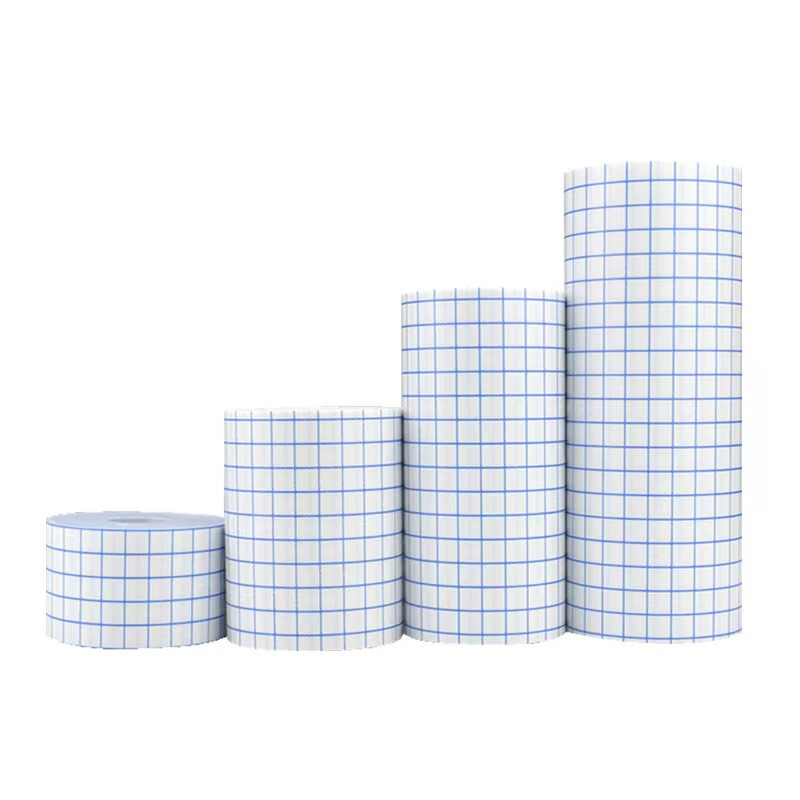
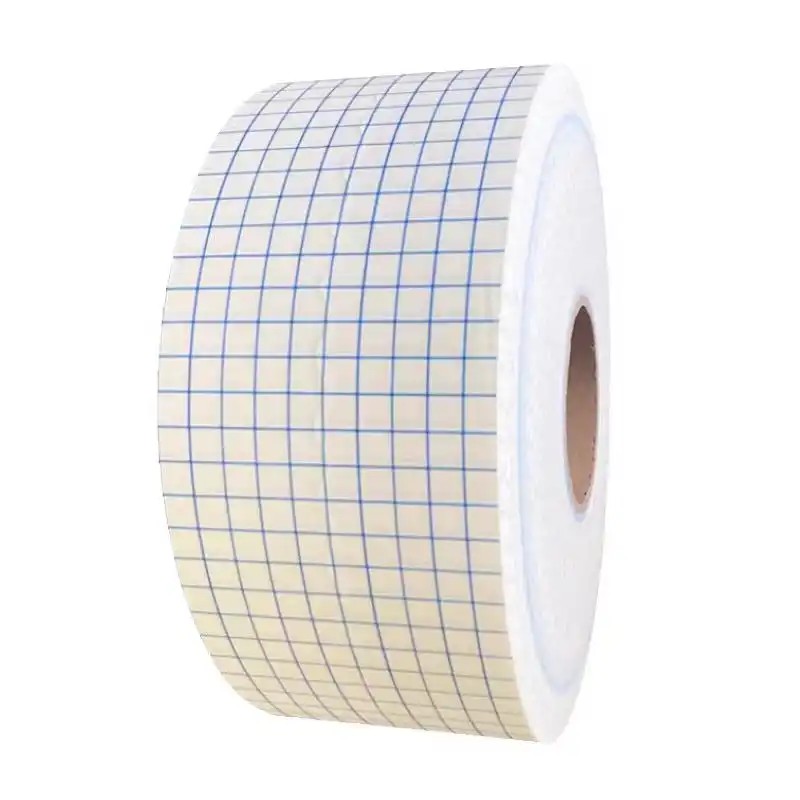
With its careful balance of strong adhesion and gentle skin contact, Medical Cotton Tape marks a significant development in wound care technology. This special glue blends natural cotton fibers with hypoallergenic acrylic pressure-sensitive glues to make the best option for a wide range of healthcare uses. Because of its special makeup, it sticks well and doesn't irritate the skin, which is why it's an important part of current wound care in hospitals, clinics, and sports medicine centers.
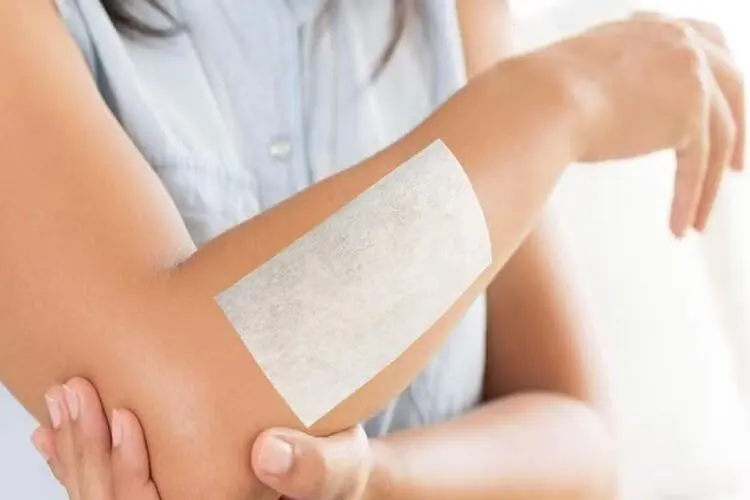
Understanding Medical Cotton Tape: Composition, Uses, and Benefits
It is important for modern medical facilities to use adhesives that work consistently and put patient safety first. This need is met by medical cotton tape, which has a carefully designed makeup and a wide range of uses.
Core Materials and Construction
The fine cotton cloth used to make medical cotton tape is what makes it good. Natural cotton fibers are very breathable, letting air flow that helps the body heal while keeping sweat from building up. Acrylic pressure-sensitive glue is hypoallergenic, which means it lowers the risk of allergic responses in people who are more likely to have them. The tape is made up of several layers that work together to give you the best performance. The cotton base makes it strong and flexible, and the sticky coating makes sure that it stays in place without making it harder to take off. With this method of design, you get a product that stays strong over long periods of use and is easy to take off.
Medical and Athletic Applications
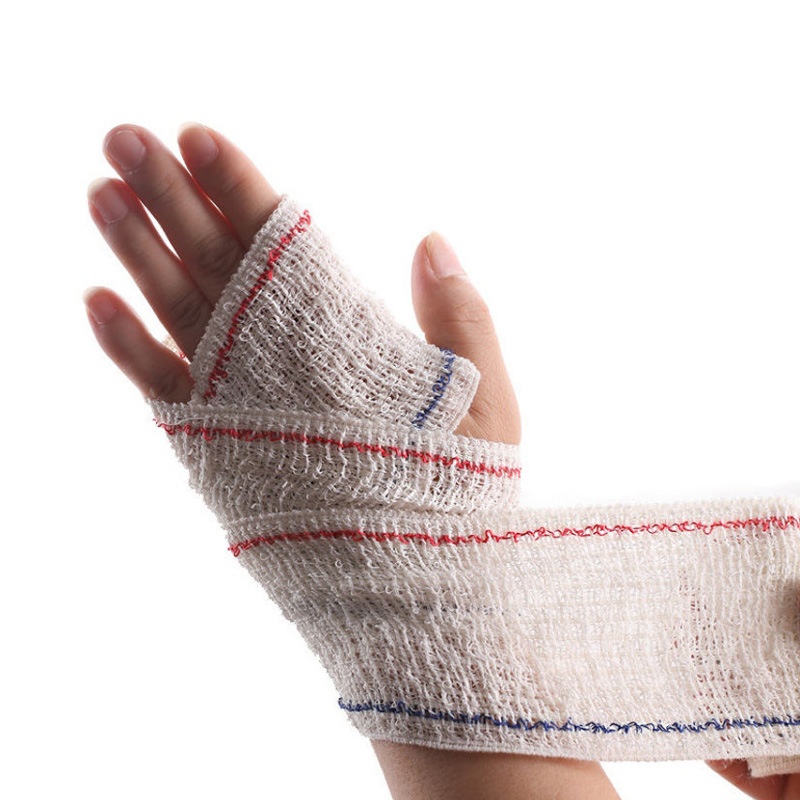
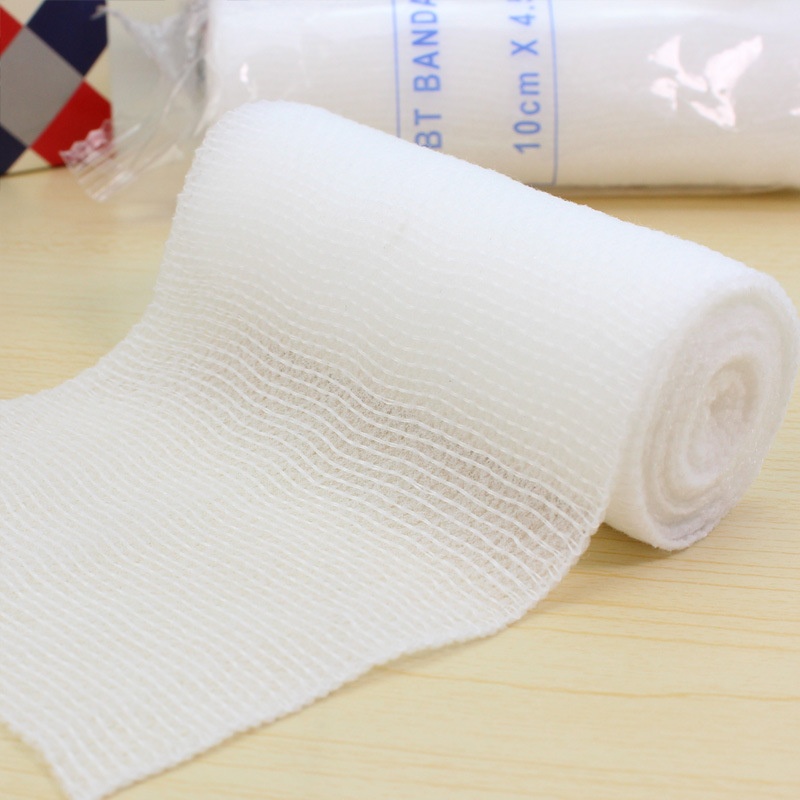
Cotton-based adhesive tapes are used by healthcare workers in a wide range of practical situations. The tape is mostly used to keep gauze pads and bandages in place over surgery sites or accidents for wound dressing and fixing. Cotton's ability to let air pass through it lets wounds heal properly while keeping things clean. The tape is very flexible and gentle on the skin, which makes it very useful in sports medicine. Medical cotton tape is used by athletic coaches to support joints, keep muscles stable, and prevent injuries from happening. The tape molds to the shape of the body and applies pressure where it's needed without cutting off circulation.
Safety Standards and Sterilization
Medical cotton tape of high quality goes through a lot of tests to make sure it meets international safety standards. Products that are CE certified and comply with ISO 13485 make sure that they follow the rules for medical devices in Europe and meet the quality management standards. These licenses give healthcare facilities peace of mind that the products they use are safe and always work the same way. The tape is safe for skin contact because it has been tested for biocompatibility. To make sure that sticky products don't put patients at too much risk, manufacturers test them for cytotoxicity, sensitization, and discomfort. These thorough reviews help make sure that regulations are followed and patient safety rules are followed.
Medical Cotton Tape vs Alternative Products: Making the Right Choice
When healthcare procurement workers choose adhesive tapes for their buildings, they have a lot of choices. By knowing the differences between product groups, you can make smart choices that balance performance needs with price concerns.
Comparative Analysis with Surgical Tape
Stronger adhesives are usually used in surgical tape because they are used in clean operating rooms. Surgical tape holds things better than other types, but cotton-based tapes are easier to remove and are better for situations where the skin is sensitive. Which product to use relies on how long it needs to be applied, how sensitive the patient's skin is, and how strong a glue is needed. Cotton tape is different from other types of medical tape because it lets air pass through it. The natural fiber structure lets moisture air pass through, so your skin won't get too dry after long wear. Because of this benefit, cotton tape is especially good for people of all ages who have sensitive skin.
Cloth Tape and Adhesive Bandage Alternatives
Cloth tape substitutes often have synthetic fibers in them, which may make them less breathable but more durable. Medical Cotton Tape hits the best mix between the benefits of natural fibers and the needs of everyday use. The cotton design makes the patient more comfortable while still having the right adhesive qualities. When compared to medical tape, adhesive patches are used for different things. Bandages are made up of absorbent pads and sticky pieces. Medical cotton tape, on the other hand, can be used to secure a wide range of dressings and medical devices. Cotton tape is an important part of complete wound care practices because it can be used for many different things.
Brand Reliability and Market Presence
Companies like 3M, Johnson & Johnson, and Medline have built their names on making high-quality products and coming up with new ideas. These businesses put a lot of money into research and development, which leads to better adhesives and better results for patients. Specialist makers, on the other hand, like Guanma Medical, offer competitive options that can be changed to fit the needs of a particular location. Quality review includes more than just recognizing a name. It also looks at things like meeting certification requirements, manufacturing standards, and customer service. Reliable providers support healthcare operations by providing thorough documentation, quick expert help, and reliable product supply.
How to Apply and Remove Medical Cotton Tape Safely and Effectively
Using and removing medical cotton tape correctly is important to get the most out of it and avoid problems. Healthcare workers need standardized processes that make sure the same results are seen with all types of patients and in all kinds of clinical situations.
Professional Application Guidelines
Preparing the face well is the first step to successfully applying tape. The area that will be used must be clean, dry, and free of any lotions or oils that might make it harder for the sticker to stick. Healthcare professionals should look at the state of the skin and choose the right tape width based on the needs of the application. Pay close attention to tightness and placement during the application process. When applying tape, it should be done easily and without stretching, since too much strain can irritate the skin or cut off blood flow. Applying light pressure makes sure that the glue sticks well and prevents air bubbles that could weaken the bond.
Sensitive Skin Considerations
For patients whose skin health is weakened, different application methods are needed. For people with sensitive skin, healthcare professionals should think about using skin shields or choosing products with low adhesion. Monitoring regularly during long periods of wear helps find problems before they become a problem. Because of the way their skin looks, children and older people often need extra care. The skin of children may be more sensitive to glue, while the skin of older people may not be able to stretch as much. The gentle way that cotton tape sticks to things makes it perfect for these fragile groups.
Removal Best Practices and Storage
Safe removal methods keep patients from getting hurt or damaging their skin. The tape should be slowly peeled off, with one hand holding the skin while the tape is peeled back on itself. When working with tough residue, using removal tools like glue removers can make the job easier. Keeping tapes in the right way will keep their quality and performance. Medical cotton tape should be kept in cool, dry places that are out of direct sunlight. Changes in humidity and temperature can affect the stickiness of adhesives, which could hurt their professional performance. To keep products fresh, facilities should set up methods for rotating their stock.
Procurement Guide for Medical Cotton Tape: What B2B Buyers Need to Know
When healthcare facilities buy medical tape, they need to come up with strategies that balance cost concerns with quality needs. Knowing how the market works and how to evaluate suppliers helps you make good buying choices that help you reach your patient care goals.
Sourcing Channels and Pricing Dynamics
Getting Medical Cotton Tape involves a number of different sources, each of which has its own benefits. When you work directly with a maker, you can get customization services and better prices for large orders. Distributors make it easy for businesses that need a wide range of products to order them all at once. Pricing models are very different depending on the number of orders, the level of customization needed, and the time frame for delivery. Bulk buying deals usually save a lot of money and make sure that products are always available. Healthcare centers should look at the total cost of ownership, which should include the costs of storage and keeping supplies.
Supplier Evaluation Criteria
Reliable sellers show steady quality by keeping up with certifications and being open about how they make things. Conformity to ISO 13485 means strong quality control systems that help keep products consistent and make sure they follow the rules. Suppliers should give a lot of paperwork, like certificates of analysis and results from biocompatibility tests. Responding to customer needs is what sets high-quality sellers apart from basic product providers. Long-term relationships work best when there is access to technical help, order flexibility, and quick problem settlement. When suppliers know what a healthcare center needs, they can help with important decisions like which products to buy and how to use them.
Supply Chain Reliability Factors
Problems in the global supply chain have shown how important it is to have a variety of suppliers and plan for the worst. Healthcare centers should look at where suppliers make their products, how they handle backup production, and how they keep track of their supplies. Suppliers with more than one place of production are better able to handle problems when they happen. The quality of delivery has a direct effect on how the hospital runs and how patients are cared for. Reliable sellers keep the right amount of stock on hand and keep their shipping promises. Emergency buying makes sure that people who need essential care can get it, even if demand changes without warning.
Enhancing Wound Care Outcomes: Case Studies and Future Trends in Medical Cotton Tape
Clinical data show that choosing the right tapes has a big effect on how well patients do and how quickly healthcare is delivered. Real-world applications can teach us a lot about the best ways to use standards and new best practices.
Clinical Effectiveness Demonstrations
Post-operative wound care is an important area where the choice of tape has a big effect on how well the wound heals. When compared to occlusive options, studies have shown that flexible cotton tapes lower the risk of skin problems. Cotton's natural ability to keep wetness in check makes it a great material for healing settings. This shows how versatile and well-performing medical cotton tape is when used in sports medicine. Athletic trainers say that using cotton-based products for pain management and prevention procedures makes patients more likely to follow through and causes less skin irritation. Because the tape is flexible, it can be used to support joints effectively without limiting movement. Medical cotton tape is good for caring for chronic wounds because it sticks to them gently. Patients who need to change their dressings often have less skin damage and more comfort. Healthcare workers say that shorter application times and easier removal processes make care more efficient overall.
Advanced Adhesive Technologies
New developments in the science of adhesives have made medical cotton tape work better of late. Formulations with added silicone are even softer on the skin while still having the necessary binding power. These new ideas make it easier for people with very sensitive skin to use certain products. Concerns about preventing infections have led to the rise of antimicrobial glue solutions. Companies are making cotton tapes with antimicrobial agents built in. These tapes offer extra protection against germ exposure. These improvements help complete wound care plans while keeping the natural benefits of cotton construction.
Sustainable Manufacturing Practices
Concern for the environment is leading to new ways of making Medical Cotton Tape. Healthcare facilities are becoming more concerned about the environment, so they are using sustainable cotton sources, cutting down on packaging, and making parts that can be recycled. These changes are in line with companies' efforts to be more environmentally friendly while still meeting scientific performance standards. Biocompatible materials and patient-centered design methods will continue to be important in the future. Manufacturers are looking into plant-based glue options and biodegradable parts that are better for the earth. These improvements look like they will improve patient results and help reach sustainability goals at the same time.
Conclusion
Medical cotton tape meets the important needs of strong adhesion and gentle skin touch, which is why it is an important part of current wound care routines. Natural cotton fibers and modern acrylic glue technology work well together to make healthcare products that work reliably in a wide range of situations while causing patients as little pain and skin problems as possible. The tape's versatility, breathability, and ease of use help healthcare workers provide effective care that values patient satisfaction and the best possible healing results.
FAQ
What makes medical cotton tape suitable for sensitive skin?
Hypoallergenic acrylic pressure-sensitive adhesives are used in medical cotton tape to reduce allergic reactions and skin discomfort. The natural cotton fabric lets air flow, which keeps wetness from building up, and the gentle glue makes it possible to wear them for a long time without discomfort and take them off cleanly without hurting the skin.
How does medical cotton tape compare to surgical tape in clinical applications?
Medical cotton tape sticks to surfaces more gently than medical tape, which makes it perfect for use on sensitive skin and for long-term wear. When it comes to clean operating rooms, surgical tape sticks better at first, but cotton tape lets patients breathe better and is more comfortable for wound care and sports medicine.
What delivery timelines can healthcare facilities expect for bulk orders?
Bulk orders of medical cotton tape usually arrive between 7 and 14 business days if the specs are standard. Customized products may take up to 2 weeks, based on the changes that need to be made. Established sellers keep extra stock on hand in case of emergency or pressing requests related to critical care.
Partner with Guanma Medical for Premium Medical Cotton Tape Solutions
Guanma Medical is a reliable company that makes medical cotton tape. They have over 30 years of experience in pressure-sensitive glue technology and coming up with new ways to treat wounds. Our factories are CE and ISO 13485 certified, and they make high-quality cotton tapes that meet the strictest international standards for clinical performance and biocompatibility. We are experts at unique solutions, such as changing the adhesive formula, offering different sizes, and providing private marking services that are tailored to the needs of your market. Get in touch with betty@guanmamedical.com right away to talk about your needs for a medical cotton tape source and find out how our full OEM/ODM services can help you add reliable, high-quality sticky solutions to your product line.
References
1. Smith, J.A., & Johnson, M.R. (2023). "Comparative Analysis of Medical Adhesive Tapes in Wound Care Management." Journal of Clinical Wound Care, 15(3), 45-62.
2. Thompson, K.L., et al. (2022). "Biocompatibility Assessment of Cotton-Based Medical Tapes for Sensitive Skin Applications." Medical Device Safety Review, 8(2), 123-138.
3. Davis, P.H. & Wilson, S.C. (2023). "Adhesive Technology Innovations in Healthcare Applications." International Medical Manufacturing Journal, 12(4), 78-95.
4. Rodriguez, A.M. (2022). "Supply Chain Management Strategies for Medical Device Procurement in Healthcare Facilities." Healthcare Operations Quarterly, 19(1), 34-51.
5. Chen, L.Y., et al. (2023). "Clinical Outcomes of Breathable Adhesive Tapes in Postoperative Wound Care." Surgical Care International, 28(7), 156-173.
6. Anderson, R.K. & Martinez, E.J. (2022). "Sustainable Manufacturing Practices in Medical Adhesive Product Development." Environmental Health in Healthcare, 11(6), 89-104.