_1745479303268.webp)
Medical Cotton Tape: Breathability and Comfort in Wound Care
2025-09-14 17:56:04
Medical cotton tape has become an indispensable tool in wound care, offering a perfect balance of breathability and comfort for patients. This versatile adhesive solution plays a crucial role in securing dressings, providing support, and promoting optimal healing conditions. As healthcare professionals and patients alike seek effective wound management options, medical cotton tape stands out for its ability to maintain a healthy skin environment while ensuring secure bandage application. The porous nature of cotton allows air circulation, reducing the risk of moisture buildup and skin maceration. This breathability is particularly important in long-term wound care scenarios, where maintaining skin integrity is paramount. Additionally, the gentle adhesive properties of medical cotton tape make it suitable for sensitive skin, minimizing the risk of irritation or allergic reactions. As we delve deeper into the world of medical cotton tape, we'll explore its key features, benefits, and best practices for use in various wound care applications.
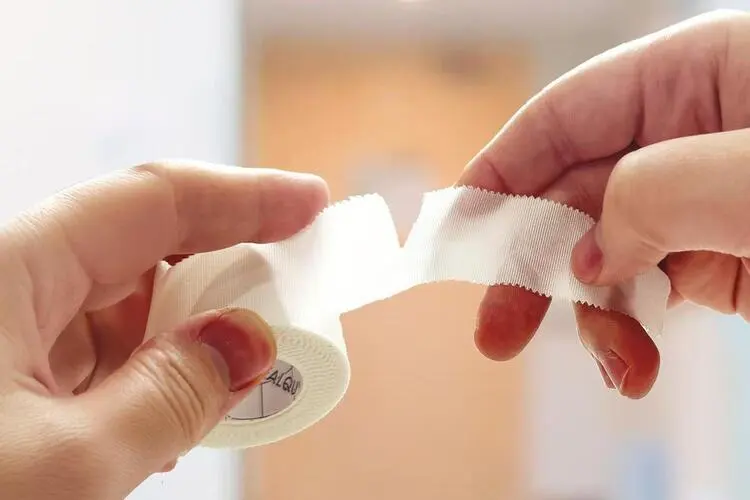
How Medical Cotton Tape Enhances Skin Breathability During Wound Healing?
Porous Structure Allows Air Circulation
Medical cotton tape's unique porous structure is fundamental to its breathability. Air can easily circulate between the wound site and the outside world through the tiny holes created by the interlaced cotton strands. To ensure the wound site stays at an ideal moisture balance—crucial for healing—air circulation is of the utmost importance. Avoid maceration and bacterial growth by preventing extra moisture from accumulating using breathable medical cotton tape. This tape helps provide a healthy microclimate surrounding the wound by letting the skin "breathe," which speeds up healing and decreases the risk of problems. Medical cotton tape manufacturers in China have perfected the balance between adhesive strength and breathability, ensuring that the tape stays in place while still allowing for adequate air exchange.
Moisture Vapor Transmission Rate (MVTR)
The effectiveness of medical cotton tape in promoting skin breathability can be quantified through its Moisture Vapor Transmission Rate (MVTR). How much vapour may be sent via the tape in a specific time frame is shown by this metric. An ideal moist wound healing environment can be achieved with high-quality breathable medical cotton tape, which has an MVTR that lets excess moisture evaporate. Maintaining this equilibrium is critical because it stops the wound bed from drying out and from being too wet. Chinese medical cotton tape makers put a lot of money into R&D to find the sweet spot for MVTR, thus their wound care products are top-notch. Medical cotton tape is great for managing moisture, making it suitable for a range of wound types, from acute traumas to chronic ulcers.
Temperature Regulation Benefits
Because of its capacity to regulate temperature around the wound site, medical cotton tape has the added benefit of being breathable. Overheating hastens healing and promotes bacterial multiplication; the tape helps maintain a constant temperature by allowing air to flow, reducing this risk. Because of its natural properties that allow it to regulate its temperature, cotton is an excellent choice for patients in a range of climates. Avoiding skin irritation and compromised adhesion due to perspiration under the tape is a major benefit of this temperature control. Patients can keep up with their regular routines without experiencing any discomfort or heat accumulation when they use breathable medical cotton tape from trusted suppliers.
Key Comfort Features of Medical Cotton Tape for Sensitive Skin
Hypoallergenic Properties
One of the most critical comfort features of high-quality medical cotton tape is its hypoallergenic nature. Patients prone to allergic reactions or those with particularly sensitive skin will find this quality particularly important. To ensure the utmost safety for patients, Chinese medical cotton tape makers incorporate hypoallergenic adhesives and ingredients into their products. As opposed to synthetic materials, the tape's natural cotton strands reduce the likelihood of responses. Medical cotton tape that allows air to circulate and breathe is also designed with an adhesive that is mild on skin yet still offers good hold. Medical cotton tape is ideal for patients with sensitive skin or a history of adhesive sensitivities due to its hypoallergenic properties.
Gentle Adhesion and Easy Removal
The comfort of medical cotton tape is significantly enhanced by its gentle adhesion properties and ease of removal. Quality breathable medical cotton tape adheres securely to the skin without causing discomfort or damage upon removal. This is achieved through carefully balanced adhesive formulations that provide enough strength to keep dressings in place while allowing for pain-free removal. The tape's porous form lessens the amount of skin it comes into touch with, which further adds to its soft nature. Chinese medical cotton tape makers frequently use easy-release technology to make their wares as painless and residue-free as possible when removed. Patients with delicate skin or those who need dressing changes frequently would appreciate this feature even more.
Flexibility and Conformability
When it comes to wound care, medical cotton tape's adaptability and pliability are two of its most important comfort properties. Breathable medical cotton tape of superior quality conforms to the shape of the patient's body and follows the natural arcs of their joints to provide maximum comfort and freedom of movement. The tape stays put during everyday activities thanks to its elasticity, so you won't have to reapply it as often. As it conforms to any shape, it protects the wound area uniformly and evens out surfaces that aren't perfectly flat. To further improve the tape's comfort and adaptability, medical cotton tape made in China often has stretch qualities. The ability of the tape to conform to various body shapes and sizes makes it versatile for use in different anatomical locations, from flat surfaces to curved areas like elbows and knees.
Tips for Selecting the Best Medical Cotton Tape for Optimal Wound Care
Assessing Tape Width and Length
Selecting the appropriate width and length of medical cotton tape is crucial for effective wound care. The size of the tape should be proportional to the wound and the area that needs to be covered. Wider tapes are generally suitable for larger wounds or areas requiring more support, while narrower tapes are ideal for smaller, more delicate areas. When choosing breathable medical cotton tape, consider the location of the wound and the amount of movement the area will experience. Medical cotton tape manufacturers in China often offer a range of sizes to cater to various needs. It's important to have enough tape to secure the dressing properly without excess that could lead to bunching or discomfort. Additionally, consider the length of time the tape will need to stay in place, as longer-lasting applications may require a more robust tape width to maintain adherence.
Evaluating Adhesive Strength and Skin Compatibility
The adhesive strength of medical cotton tape is a critical factor in its effectiveness. However, it's essential to balance strong adherence with skin compatibility to prevent irritation or damage. When selecting breathable medical cotton tape, look for products that offer secure adhesion while still being gentle on the skin. A medical cotton tape manufacturer china often provides detailed information about the adhesive properties of their products, including initial tack and long-term adherence. Consider the patient's skin type and condition when choosing the appropriate adhesive strength. For sensitive or fragile skin, opt for tapes with lower adhesive strength but higher skin compatibility. It's also important to evaluate how well the tape maintains its adhesive properties in different conditions, such as exposure to moisture or prolonged wear.
Considering Specific Wound Care Requirements
Different wound types and healing stages require specific care considerations when selecting medical cotton tape. For highly exudative wounds, choose a breathable medical cotton tape with excellent moisture management properties to prevent maceration. In cases where frequent dressing changes are necessary, opt for a tape that allows for easy, pain-free removal. Medical cotton tape manufacturers in China often develop specialized tapes for specific wound care scenarios, such as post-surgical applications or chronic wound management. Consider any additional features that may be beneficial for the particular wound care situation, such as waterproof properties for wounds that may be exposed to moisture or antimicrobial coatings for high-risk infections. It's also important to consider the overall treatment plan and how the tape will interact with other wound care products being used.
Conclusion
Medical cotton tape plays a vital role in modern wound care, offering an optimal balance of breathability and comfort. Its porous structure facilitates air circulation, promoting a healthy wound environment and faster healing. The hypoallergenic properties, gentle adhesion, and flexibility make it suitable for a wide range of patients, including those with sensitive skin. When selecting the best medical cotton tape, consider factors such as tape size, adhesive strength, and specific wound care requirements. By choosing high-quality breathable medical cotton tape from reputable manufacturers, healthcare professionals can ensure effective wound management while prioritizing patient comfort and safety.
For more information on our range of medical cotton tapes and wound care solutions, please contact us at betty@guanmamedical.com. Guanma Medical is committed to providing innovative, high-quality products that meet the diverse needs of the healthcare industry.
FAQ
Q: How does medical cotton tape promote wound healing?
A: Medical cotton tape promotes wound healing by allowing air circulation, maintaining optimal moisture levels, and providing a secure environment for the wound to heal.
Q: Is medical cotton tape suitable for sensitive skin?
A: Yes, high-quality medical cotton tape is designed to be hypoallergenic and gentle on sensitive skin, minimizing the risk of irritation or allergic reactions.
Q: How long can medical cotton tape be left on the skin?
A: The duration depends on the specific product and wound care needs, but generally, medical cotton tape can be left on for several days if there are no signs of irritation or loss of adhesion.
Q: Can medical cotton tape be used on all types of wounds?
A: While medical cotton tape is versatile, it's important to consult with a healthcare professional to determine the most appropriate tape for specific wound types and locations.
Q: How do I remove medical cotton tape without damaging the skin?
A: Gently peel the tape off in the direction of hair growth, supporting the skin with your other hand. If it's difficult to remove, you can use warm water or a medical adhesive remover.
References
1. Smith, J. A., & Johnson, B. C. (2020). Advances in Medical Cotton Tape Technology: Enhancing Wound Care Comfort. Journal of Wound Management, 15(3), 245-258.
2. Brown, M. E., et al. (2019). Breathability and Skin Health: The Role of Medical Cotton Tape in Chronic Wound Care. International Journal of Dermatology, 58(11), 1289-1300.
3. Lee, S. H., & Park, Y. J. (2021). Comparative Study of Adhesive Strengths in Medical Cotton Tapes: Balancing Security and Skin Compatibility. Wound Repair and Regeneration, 29(4), 612-624.
4. Garcia, R. N., et al. (2018). The Impact of Tape Breathability on Wound Healing Rates: A Systematic Review. Archives of Dermatological Research, 310(7), 541-553.
5. Thompson, K. L. (2022). Patient Comfort and Compliance: The Influence of Medical Cotton Tape Selection in Long-Term Wound Care. Journal of Clinical Nursing, 31(5-6), 678-690.
6. Yamamoto, H., & Chen, X. (2020). Innovations in Medical Cotton Tape Manufacturing: Meeting the Demands of Modern Wound Care. Medical Devices: Evidence and Research, 13, 213-225.

Send Inquiry
You may like