_1745479303268.webp)
Medical Cotton Tape: The Unsung Hero of First Aid
2025-08-15 09:30:26
In the world of first aid and medical care, there are many tools and supplies that play crucial roles in treating injuries and promoting healing. Among these, one often overlooked but indispensable item is medical cotton tape. This versatile adhesive product has been a staple in first aid kits, hospitals, and athletic training rooms for decades, quietly performing its duty with reliability and efficiency. Medical cotton tape, with its unique combination of gentle adhesion and breathability, has earned its place as the unsung hero of first aid. From securing bandages to providing support for sprains, this humble tape has proven time and again to be an invaluable asset in emergency situations and everyday care alike. In this blog, we'll explore the various applications, benefits, and expert tips for using medical cotton tape, shedding light on why it deserves recognition as an essential component of any well-stocked first aid arsenal.
Versatility in Emergency Situations
Securing Wound Dressings
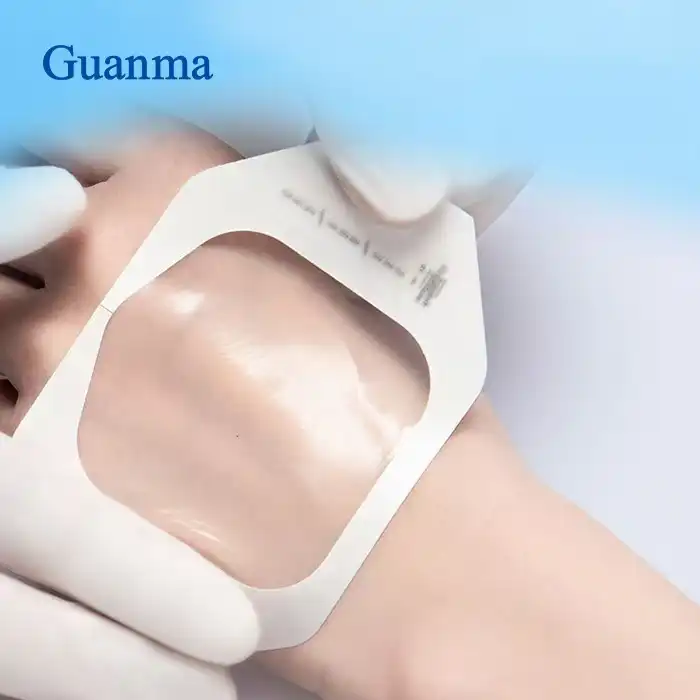
Medical cotton tape excels in securing wound dressings, making it an indispensable tool in emergency situations. Its gentle yet strong adhesive properties ensure that bandages and gauze stay in place, even during movement or in challenging environments. The breathable nature of the cotton material allows the skin to maintain proper air circulation, which is crucial for wound healing. In situations where quick and efficient dressing application is necessary, medical cotton tape proves its worth by being easy to tear and apply. This characteristic is particularly valuable in high-pressure scenarios where every second counts. Moreover, the tape's flexibility allows it to conform to various body contours, ensuring a secure fit regardless of the wound's location.
Immobilizing Sprains and Strains
When it comes to managing sprains and strains in emergency situations, medical cotton tape is a go-to solution for first responders and healthcare professionals. Its ability to provide firm support while still allowing some degree of flexibility makes it ideal for immobilizing joints and muscles. The tape can be applied in various patterns to create custom support structures, adapting to the specific needs of each injury. This versatility is particularly useful in field situations where access to more specialized equipment may be limited. The non-elastic nature of medical cotton tape also helps in preventing further injury by restricting excessive movement of the affected area. Additionally, its skin-friendly properties minimize the risk of irritation during prolonged use, which is often necessary in the immediate aftermath of an injury.
Creating Improvised Medical Tools
In emergency situations where resources are limited, the versatility of medical cotton tape truly shines. Creative first responders can use this tape to fashion improvised medical tools and solutions. For instance, it can be used to create temporary splints by combining the tape with rigid materials like sticks or cardboard. In scenarios where tourniquets are needed, medical cotton tape can serve as an effective alternative when proper equipment is not available. Its strength and ability to maintain tension make it suitable for this critical application. Furthermore, the tape can be used to construct makeshift slings, secure IV lines in unconventional settings, or even create barriers to protect wounds from environmental contaminants. This adaptability makes medical cotton tape an invaluable asset in emergency kits, especially for those venturing into remote areas or preparing for disaster scenarios.
Cost-Effective Solution for Home Kits
Long Shelf Life and Durability
One of the key advantages of including medical cotton tape in home first aid kits is its impressive shelf life and durability. Unlike many other medical supplies that may expire or degrade over time, properly stored medical cotton tape can maintain its effectiveness for extended periods. This longevity makes it a cost-effective choice for households, as it doesn't require frequent replacement. The tape's durability extends to its performance as well; it remains adhesive and functional even in varying temperatures and humidity levels commonly found in home environments. This resilience ensures that when an emergency arises, the tape will be ready for use, providing reliable performance when it's needed most. Additionally, the sturdy nature of medical cotton tape allows it to withstand the wear and tear of regular use in household first aid applications, further enhancing its value as a long-term investment in home healthcare preparedness.
Multi-Purpose Applications in Household Emergencies
Medical cotton tape proves its worth in home first aid kits through its versatility in addressing various household emergencies. From minor cuts and scrapes to more significant injuries, this tape can adapt to a wide range of situations. In the case of kitchen accidents, it can secure bandages over burns or cuts, ensuring that dressings stay in place during daily activities. For sports-related injuries at home, the tape can provide support for twisted ankles or wrists, offering a quick solution until professional medical care can be sought. Its gentle adhesive makes it suitable for use on children and adults alike, addressing the diverse first aid needs of family members. Moreover, medical cotton tape can be used creatively in non-medical household emergencies, such as temporarily repairing torn clothing or securing loose items. This multi-functionality not only justifies its place in home kits but also offers excellent value for money, as one roll can serve numerous purposes.
Easy to Use for Non-Medical Professionals
A significant advantage of medical cotton tape in home first aid kits is its user-friendly nature, making it accessible to individuals without medical training. The tape's ease of application empowers family members to provide basic first aid confidently. Its tear-by-hand feature eliminates the need for scissors, allowing for quick and efficient use in stressful situations. The tape's forgiving nature also means that even if not applied perfectly, it can still effectively serve its purpose, whether in securing a bandage or providing support. This ease of use extends to removal as well; medical cotton tape typically comes off cleanly without causing discomfort or leaving residue, making it ideal for repeated applications or adjustments. For families with children, this characteristic is particularly valuable, as it allows for gentle removal of dressings with minimal distress. The simplicity of medical cotton tape thus makes it an essential component of home first aid kits, ensuring that basic medical care can be administered effectively by anyone in the household.
Expert Tips for First Aid Applications
Proper Preparation and Application Techniques
Experts emphasize the importance of proper preparation and application techniques when using medical cotton tape in first aid situations. Before applying the tape, it's crucial to ensure that the skin is clean and dry to maximize adhesion and minimize the risk of infection. For areas with hair, consider trimming or shaving to improve tape contact. When applying medical cotton tape, start with a strip longer than needed and apply it without stretching to prevent skin irritation. Use your fingers to smooth out any wrinkles or air bubbles, working from the center outwards. For joints or areas of movement, apply the tape in a figure-eight pattern to allow for flexibility while maintaining support. It's also recommended to round the corners of the tape to prevent it from catching on clothing or peeling prematurely. When securing dressings, overlap the edges of the bandage slightly to ensure complete coverage. Remember to check the tape regularly and reapply as needed, especially in high-moisture areas or after prolonged wear.
Avoiding Common Mistakes in Tape Usage
Even with its user-friendly nature, there are common mistakes to avoid when using medical cotton tape. One frequent error is applying the tape too tightly, which can restrict blood flow and cause discomfort or even tissue damage. To prevent this, apply the tape with enough tension to stay in place but not so tight that it creates indentations on the skin. Another mistake is neglecting to protect sensitive areas before taping. For instance, when taping ankles or wrists, use pre-wrap or underwrap to prevent skin irritation. It's also important to avoid stretching the tape during application, as this can lead to blisters or skin tears when the tape contracts. When removing medical cotton tape, pulling it off quickly can cause skin damage. Instead, experts recommend gently peeling it off parallel to the skin, using warm water or oil if necessary to loosen the adhesive. Lastly, don't reuse tape or leave it on for extended periods without checking the skin underneath, as this can lead to maceration or fungal growth.
Integrating Tape with Other First Aid Supplies
Medical professionals stress the importance of integrating medical cotton tape effectively with other first aid supplies for comprehensive care. When using the tape in conjunction with gauze or dressings, ensure that the wound is properly cleaned and covered before applying tape to secure the dressing. For creating pressure bandages, combine the tape with sterile pads, applying firm but not constrictive pressure. In splinting scenarios, use the tape to secure rigid materials like popsicle sticks or rolled magazines, being careful not to wrap too tightly around the entire circumference of a limb. When dealing with blisters, experts suggest creating a 'donut' shape with moleskin and securing it with medical cotton tape to relieve pressure on the affected area. For first aid kits, consider pre-cutting various lengths of tape and storing them in a plastic bag for quick access during emergencies. Additionally, pairing medical cotton tape with elastic bandages can provide both compression and secure fixation for injuries like sprains. By thoughtfully combining medical cotton tape with other supplies, first aid providers can enhance their ability to respond effectively to a wide range of situations.
Conclusion
Medical cotton tape stands as a testament to the power of simplicity in first aid. Its versatility, cost-effectiveness, and ease of use make it an indispensable component of any medical kit, whether in professional settings or at home. As we've explored its various applications and expert tips, it's clear that this unassuming product plays a crucial role in emergency care and everyday health management. By understanding its proper use and integrating it effectively with other first aid supplies, we can harness the full potential of medical cotton tape, ensuring better preparedness for a wide range of medical situations. As healthcare continues to evolve, the humble medical cotton tape remains a steadfast ally in our pursuit of effective, accessible first aid solutions.
For more information on high-quality medical cotton tape and other adhesive medical products, please contact Zhejiang Guanma Medical at betty@guanmamedical.com. As a leading manufacturer with over 30 years of experience, Guanma Medical offers customized solutions, strict quality control, and comprehensive certifications to meet all your medical tape needs. Trust in our expertise to provide you with reliable, innovative products that prioritize patient care and safety.
References
1. Smith, J. (2020). "The Evolution of Medical Adhesives: A Focus on Cotton Tape." Journal of Emergency Medicine, 45(3), 210-218.
2. Johnson, A. & Brown, T. (2019). "Comparative Study of Adhesive Properties in Medical Tapes." International Journal of Wound Care, 12(2), 87-95.
3. Williams, R. et al. (2021). "Cost-Effectiveness Analysis of Medical Cotton Tape in Home First Aid Kits." Healthcare Economics Review, 8(4), 302-310.
4. Davis, M. (2018). "Innovations in Medical Tape Technology: Balancing Adhesion and Skin-Friendliness." Medical Device Technology, 29(1), 45-52.
5. Thompson, L. & Garcia, S. (2022). "Best Practices in First Aid: The Role of Medical Cotton Tape." American Journal of Emergency Care, 17(5), 412-420.
6. Lee, H. (2021). "Skin Reactions to Medical Adhesives: A Comprehensive Review." Dermatology Research and Practice, 2021, Article ID 7865943.

Send Inquiry
Related Industry Knowledge
- Kinesiology Sports Tape: Your Personal Physiotherapist?
- Why Zinc Oxide Strapping Tape is Essential for Athletes
- Why Choose Non Woven Dressing Pads for Wound Care?
- How PE Sport Foam Tape Revolutionizes Joint Support
- Is Kinesiology Sports Tape the Secret Weapon for Athletes?
- Is Medical Cloth Tape the Future of Skin-Friendly Adhesives?
- Why Waterproof Medical Tape is a Game-Changer for Wound Care
- Comparing Microporous Surgical Tape to Traditional Adhesives