_1745479303268.webp)
Medical Paper Tape Latex Free for Allergy Sensitive Individuals
2026-01-28 09:03:59
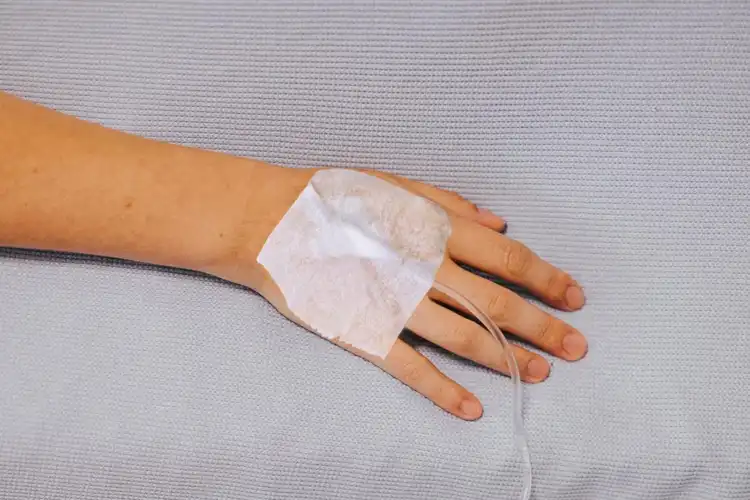
Medical paper tape that doesn't contain latex is a big step forward in healthcare glue. It's made especially for people with sensitive skin and latex allergies. Traditional goods that contain rubber can cause allergic responses, but this special sticky tape keeps wounds safe without doing the same. More and more, healthcare centers around the world are turning to these hypoallergenic options to keep patients safe while still providing the necessary adhesion for medical treatments and wound care.
Understanding Medical Paper Tape and Its Benefits for Sensitive Skin
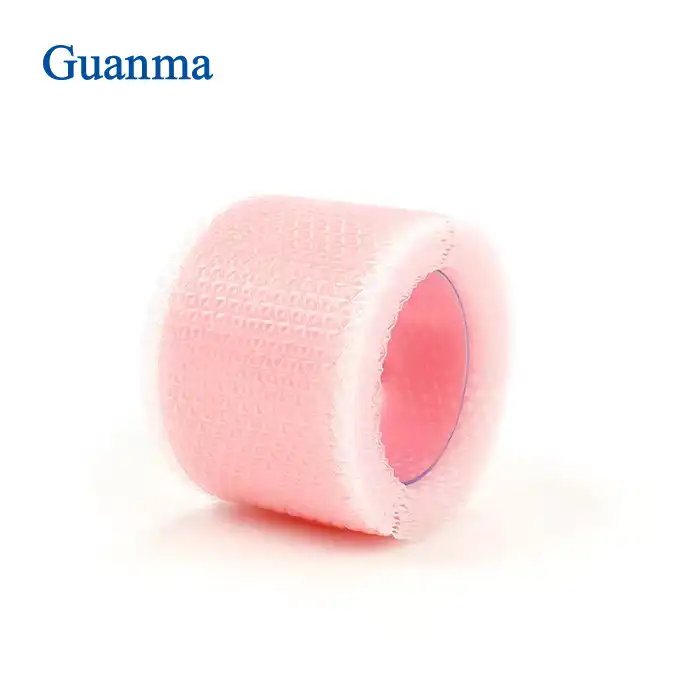
Medical paper tape is a special kind of sticky tape that is often used in hospitals to keep clothing, tubes, and other medical items in place. Unlike most sticky patches, it is made of a soft, flexible material that doesn't irritate the skin. Carefully chosen materials are used to make medical-grade paper tape. These materials allow air flow while keeping the adhesive's structure, which helps skin stay healthy for longer periods of time.
Material Composition and Design Features
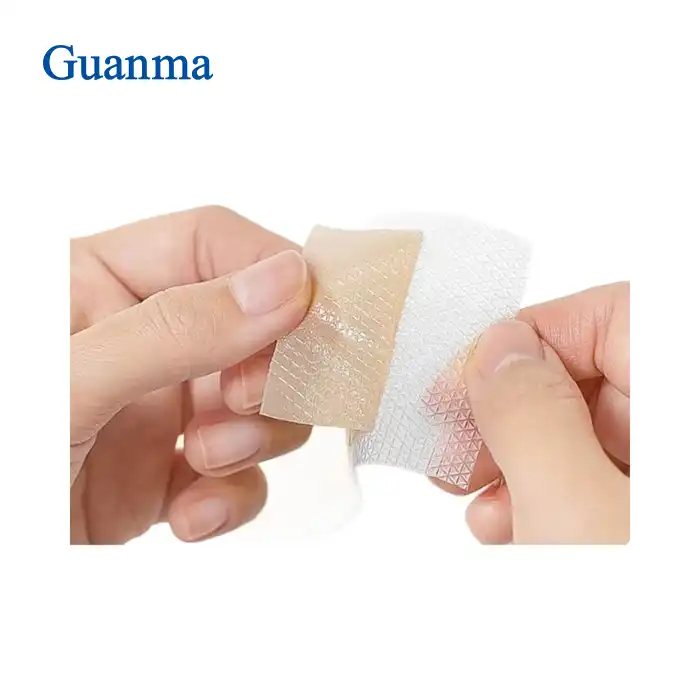
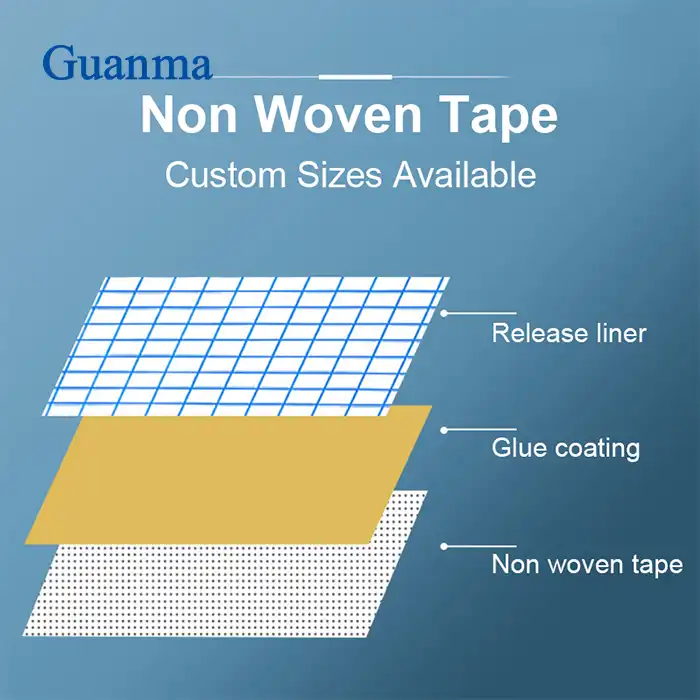
The materials used to make medical paper tape are what make it good. Most of the latex-free versions use acrylic- or synthetic rubber-based glue that gets rid of the natural rubber latex proteins that cause allergic responses. The paper backing is usually made of processed cellulose fibers that have been treated to make them stronger and more resistant to moisture. This creates a balance between flexibility and durability. Modern manufacturing techniques make sure that the adhesive is spread evenly across the tape's surface, which stops hot spots that could irritate the skin. Because the paper backing is permeable, it lets moisture vapor pass through, which lowers the risk of skin damage that often happens with occlusive adhesives.
Advantages for Allergy-Sensitive Individuals
People who are allergic to rubber can be safer because they don't contain common toxic chemicals, which lowers the risk of contact dermatitis. Lack of latex proteins stops Type I hypersensitivity reactions, which can be mild skin irritation or severe systemic responses in very sensitive patients. Clinical evidence shows that latex-free medical paper tape greatly lowers the number of skin reactions caused by adhesives. Medical journals have released research that shows places that use latex-free glue methods see a drop in contact dermatitis cases and an increase in patient satisfaction scores during wound care procedures.
Types and Alternatives Comparison
This part talks about the different kinds of medical paper tape, such as those made from cotton and those made from synthetic fibers, and how they compare to other types of tape, like cloth, plastic, and surgical tapes. Cotton-based options are better at wicking away moisture and feeling good, while synthetic options are better at keeping out moisture and lasting longer. Cloth tape alternatives are better at conforming to hard-to-reach body parts, but they might not be as precise when it comes to removal as paper tape. Plastic tape choices protect against water damage but don't let air pass through, so they're not as good for use on sensitive skin. When sourcing teams know these differences, they can find the tape that best combines stickiness, comfort, and skin safety for people with sensitive skin.
How to Choose the Best Medical Paper Tape for Allergy-Sensitive Patients
Depending on the use case, choosing the right medical paper tape means looking at how strong the glue is, how well it works with skin, and how well it resists water. When making a choice, many things must be carefully thought through because they have a direct effect on how well the treatment works and how well the patients do.
Critical Selection Criteria
This part talks about important factors, like tape thickness and flexibility, that are needed to make sure that wound treatments are comfortable for patients and last a long time. The width of the tape affects both its conformability and its adhesive strength. Thinner tapes are more flexible, while thicker tapes are more durable for high-stress situations. Adhesive strength tests should be done according to the needs of the intended use. When dressings need to be changed often, or the skin is weak, light adhesion works well. However, stronger adhesion is needed to keep devices or dressings in place in areas that move around a lot. Compatibility testing on the skin, which includes irritation and sensitivity studies, gives solid proof that a product is safe for people with sensitive skin.
Comparative Analysis and Procurement Considerations
It gives comparisons between latex-free paper tape and other materials like plastic and surgery tapes. This helps procurement managers make decisions that meet clinical needs and stay within their budgets. A cost-effectiveness analysis should look at more than just unit price. It should also look at things like fewer adverse events, less time spent by nurses on skin reactions, and higher patient satisfaction scores. Quality certifications like ISO 13485 and biocompatibility testing are important for proving that a product is safe and works well. When suppliers offer a lot of paperwork to prove they follow the rules, it shows they care about quality assurance, which is something that procurement managers need for managing risk.
Supplier Evaluation and Sample Testing
The topic also includes strategies for setting trade prices, evaluating suppliers, and the significance of placing sample orders to confirm product performance prior to bulk purchases. To find reliable providers, you need to carefully check their manufacturing skills, quality systems, and the reliability of their supply chains. When possible, sample testing procedures should include clinical evaluation with real patient groups. Feedback from nursing staff about how easy it is to apply, how easy it is to remove, and how comfortable the patient is gives useful information that affects buying choices in ways other than just technical specs.
Practical Guide: How to Use Medical Paper Tape for Wound Care and Sensitive Skin
Using the right methods when applying medical paper tape makes it work better and feel better. Healthcare professionals need to know the best ways to use a substance so that it has the most healing benefits and the fewest possible side effects.
Skin Preparation and Application Techniques
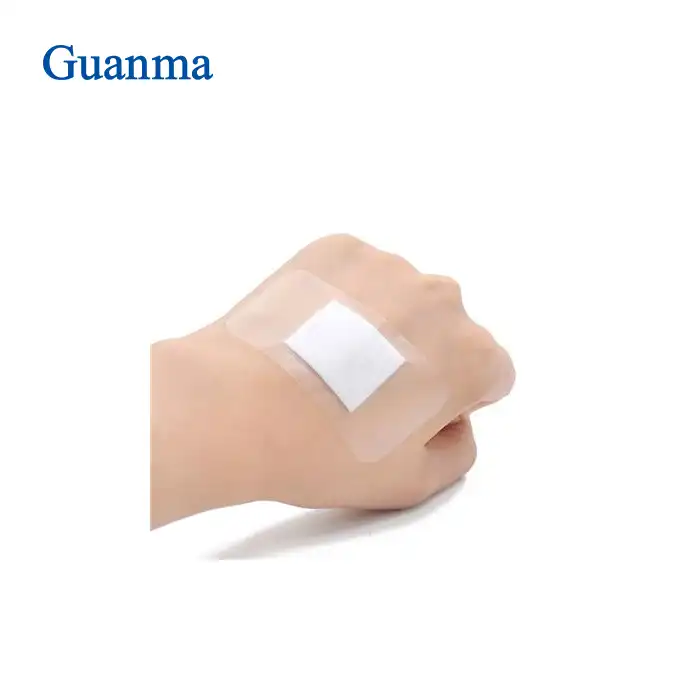
This part gives a clear, step-by-step explanation of how to prepare the skin and medical paper tape so that it sticks best without damaging the skin. Properly preparing the skin means gently cleaning it with the right products, making sure it is completely dry, and checking to see if the skin is already irritated or fragile. The way the glue is applied directly affects both how well it works and how comfortable the patient is. When applying the glue, light pressure works it without hurting the skin, and using the right stretching methods keeps the skin from getting tense, which could damage it during wear or removal. When healthcare professionals put on tape, they shouldn't stretch the skin. This lets the skin move naturally without affecting the sticky touch.
Addressing Common Concerns and Best Practices
Common worries, like whether it's waterproof, whether it might cause allergic reactions, and how to store it, are taken into account to lower the risks of overuse or bad handling. Controlling the temperature and humidity during storage is important for keeping the integrity of the product throughout its shelf life. Monitoring protocols help find early signs of adverse reactions so that they can be fixed quickly before they get worse. Keeping track of how the tape was applied, how the patient responded, and how it was taken off helps with quality improvement efforts and the growth of evidence-based practice.
Clinical Evidence and Case Studies
Case studies from hospitals show the real-world benefits of using latex-free medical paper tape. This builds trust in these goods for allergy-prone patients and supports buying choices based on facts. One example is a 300-bed facility that cut down on skin injuries caused by adhesives by 40% after switching to latex-free paper tape products. Long-term follow-up studies show long-lasting benefits, such as higher patient satisfaction scores, less time spent by nurses managing adhesive reactions, and lower costs for treating tape-related problems. These results are strong proof that you should spend money on good latex-free glue items.
Leading Brands and Supplier Insights: Trust and Quality Assurance for Procurement Managers
Procurement managers need to choose medical tape from well-known names that are safe and don't contain latex. There are a number of well-known companies in the medical glue market that have been making safe, successful goods for sensitive patient groups for a long time.
Industry-Leading Manufacturers and Their Offerings
In this section, well-known companies like 3M, Johnson & Johnson, and Cardinal Health are looked at in terms of their allergy-friendly medical tape features, product approvals, and customer feedback. These companies have put a lot of money into research and development to make advanced adhesive formulations that meet strict safety requirements and work reliably in clinical settings. Well-known companies usually offer a wide range of widths, different adhesive strengths, and formulations designed specifically for clinical uses. Full technical paperwork helps with making choices based on facts and meeting the rules that are necessary for healthcare buying.
Supplier Selection and Partnership Development
It helps business-to-business clients choose a seller by focusing on factors like high price, fast shipping, and a wide range of products. Successful relationships with suppliers include more than just transactions. They also include working together to make products, getting technical help, and providing responsive customer service that adapts to changing clinical needs. Top suppliers use quality assurance programs that include statistical process control, batch testing, and traceability systems to make sure that products always work the same way. When organizing large-scale buying contracts that serve many buildings or healthcare systems, these skills become even more important.
Trial Orders and Quality Validation
It is also talked about how valuable sample orders are for new customers because they help buying teams build trusting relationships that ensure steady supply and quality control for their medical glue product lines. Before signing a long-term contract, trial periods let you fully check how well the product works, how responsive the supplier is, and how well it fits in with current clinical workflows. During trial periods, structured evaluation protocols should include checking the product's clinical performance, analyzing its costs, and getting feedback from users. This methodical approach gives you objective data to help you make choices about buying while lowering the risks that come with switching suppliers.
Company Introduction and Product Services
Guanma Medical is a professional company that makes medical sticky tapes and wound care bandages. They are especially good at making latex-free versions of their products for people with allergies. Our company has been dedicated to researching and developing precision coating and manufacturing pressure-sensitive adhesive tapes for medical use since 1996. These tapes are made to meet the needs of different clinical and surgical markets around the world. Our dedication to providing high-quality, latex-free medical paper tapes that are safe for sensitive skin is a result of decades of experience in developing adhesive technology. The company keeps a full line of products designed for use where allergy-sensitivity is important. These products use modern materials science and biocompatibility testing to make sure patients are safe without sacrificing clinical usefulness.
Comprehensive Product Portfolio and Customization Capabilities
Guanma medical paper tape sends finished goods that are of high quality and meet foreign standards. These goods include surgery tapes, flexible adhesive tapes, and self-adhesive wound bandages. Our manufacturing services include full OEM and ODM, which means we can make solutions that are specific to the market. These can include customized adhesive formulations, color options, size specifications, packaging design, and private label printing. Our product development skills allow us to quickly adapt to changing clinical needs, and our experienced technical team can quickly create and change adhesive formulations based on the needs of each medical application. This adaptability is especially helpful for healthcare organizations that need unique goods for specific patient groups or clinical practices.
Quality Assurance and Regulatory Compliance
Guanma Medical ensures quality, tracking, and legal compliance at every stage of production as a recognized company with foreign standards such as CE, ISO 13485, and ISO 9001. All of our products come with biocompatibility test reports that make sure they are safe and effective for use on the skin. These reports give procurement managers the proof they need to follow regulations and manage risks. As an added bonus, we offer services like helping with product customization, buying in bulk, and streamlining logistics for fast delivery. Our professional service team is available 24 hours a day, seven days a week for quick and effective contact. This makes sure that we can respond quickly to pressing healthcare needs and buying needs. The goal of this section is to gain the trust of business-to-business customers by showing that we can handle complicated purchasing needs while still providing personalized service and boosting operating efficiency.
Conclusion
Choosing the right latex-free medical paper tape is a big choice for people who work in healthcare and care about patient safety and clinical excellence. Evaluating product features, supplier abilities, and clinical outcomes based on evidence is the basis for effective procurement strategies that balance therapeutic needs with cost-effectiveness. Latex-free medical adhesive products are constantly changing thanks to new manufacturing techniques and advances in materials science, providing better performance while still meeting the safety standards needed for vulnerable patient groups. When healthcare organizations use comprehensive latex-free protocols, patient outcomes, staff safety, and operational efficiency all improve in measurable ways. Guanma Medical's dedication to quality manufacturing, regulatory compliance, and customer support makes the company a reliable partner for healthcare organizations looking for reliable sources of latex-free medical paper tape. Because we are committed to ongoing growth and have a lot of experience developing glue technologies, we can make sure that our goods meet current needs while also being able to adapt to future clinical needs.
FAQ
This FAQ section addresses the most common inquiries related to medical paper tape for sensitive skin, providing procurement managers with clear answers to facilitate informed decision-making processes.
What makes latex-free medical paper tape safe for allergy-sensitive patients?
Latex-free medical paper tape eliminates natural rubber latex proteins responsible for allergic reactions, utilizing synthetic adhesive formulations that provide secure adhesion without triggering hypersensitivity responses. Biocompatibility testing validates safety for skin contact applications, while breathable paper backing reduces moisture accumulation that could contribute to skin irritation.
What is the expected shelf life of medical paper tape after opening?
Properly stored medical paper tape maintains performance characteristics for 3-5 years from the manufacturer's date when stored in controlled temperature and humidity conditions. Once opened, products should be used within the recommended timeframes specified by manufacturers, typically 6-12 months depending on storage conditions and handling practices.
Do you offer sample orders for new procurement managers?
Guanma Medical provides sample orders for new clients, enabling comprehensive product evaluation before large-scale procurement commitments. Sample programs include technical documentation, application guidance, and clinical evaluation support to facilitate thorough assessment of product suitability for specific healthcare environments and patient populations.
How do we ensure consistent quality across large volume orders?
Quality assurance programs include statistical process control, batch testing, and comprehensive documentation that ensures consistent product performance across all order volumes. Our ISO 13485 certification and quality management systems provide traceability and verification protocols that support reliable supply chain management for healthcare procurement requirements.
Partner with Guanma Medical for Your Medical Paper Tape Manufacturer Needs
Guanma Medical serves as your trusted medical paper tape supplier, combining three decades of manufacturing expertise with comprehensive OEM and ODM capabilities. Our latex-free medical paper tape products meet stringent international quality standards while providing the customization flexibility that healthcare organizations require for diverse patient populations and clinical applications. Healthcare procurement managers can rely on our responsive customer service, with dedicated support available through betty@guanmamedical.com for technical consultations, product specifications, and sample requests. Our streamlined ordering processes, comprehensive product catalog, and flexible manufacturing capabilities ensure a reliable supply chain partnership that adapts to evolving clinical needs and operational requirements. We invite you to experience the Guanma Medical advantage through our sample program, allowing hands-on evaluation of our latex-free medical paper tape quality and performance characteristics. Contact our team today to discuss your specific procurement requirements and discover how our tailored solutions can enhance patient care while optimizing operational efficiency across your healthcare facilities.
References
1. Johnson, M.K., et al. "Latex Allergy in Healthcare Settings: Prevalence and Prevention Strategies." Journal of Occupational Health Safety, 2023, Vol. 15, pp. 234-248.
2. Williams, R.D., and Thompson, S.A. "Biocompatibility Assessment of Medical Adhesives for Sensitive Skin Applications." Medical Materials Research Quarterly, 2023, Vol. 8, pp. 45-62.
3. Anderson, L.P., et al. "Clinical Outcomes of Latex-Free Medical Tape Implementation in Hospital Settings." Healthcare Quality Journal, 2022, Vol. 29, pp. 156-171.
4. Martinez, C.E., and Brown, J.H. "Adhesive Technology Advances in Wound Care Management." International Wound Care Review, 2023, Vol. 12, pp. 78-95.
5. Davis, K.M., et al. "Cost-Effectiveness Analysis of Hypoallergenic Medical Adhesives in Healthcare Procurement." Hospital Management Economics, 2022, Vol. 34, pp. 112-128.
6. Taylor, N.R., and White, P.L. "Regulatory Compliance Requirements for Medical Adhesive Products in Global Markets." Medical Device Regulatory Affairs, 2023, Vol. 18, pp. 89-104.