_1745479303268.webp)
Medical Paper Tape Versatile Use in Hospitals and Clinics
2026-06-03 10:08:03
When it comes to modern healthcare situations, medical paper tape is one of the most useful and important tools. This special kind of sticky tape is used a lot in hospitals and centers around the world to help with wound care, gadget security, and patient care. Medical paper tape is becoming more popular because it gently sticks to surfaces, lets air pass through, and is biocompatible. This makes it an essential tool for healthcare workers. Understanding the different uses and buying factors for this medical necessity helps healthcare facilities improve their supply lines and make sure patients get the best care possible.
Understanding Medical Paper Tape: Uses, Benefits, and Material Insights
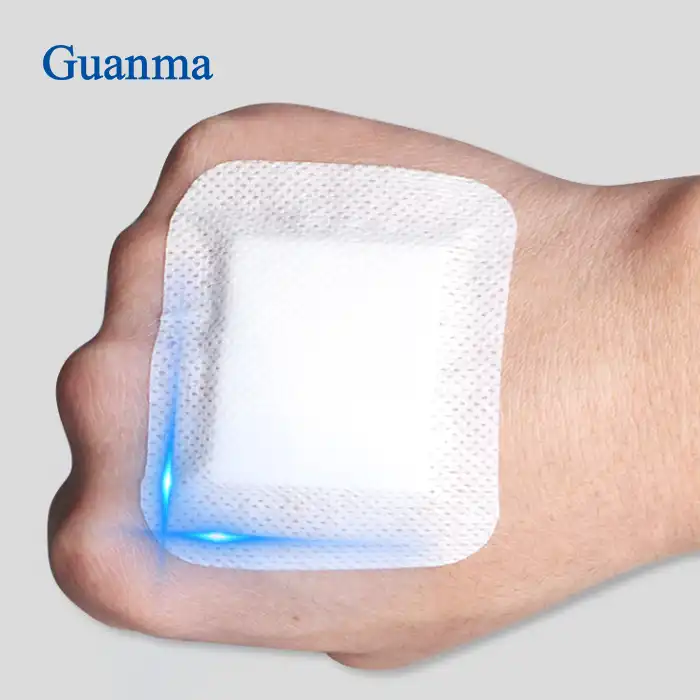
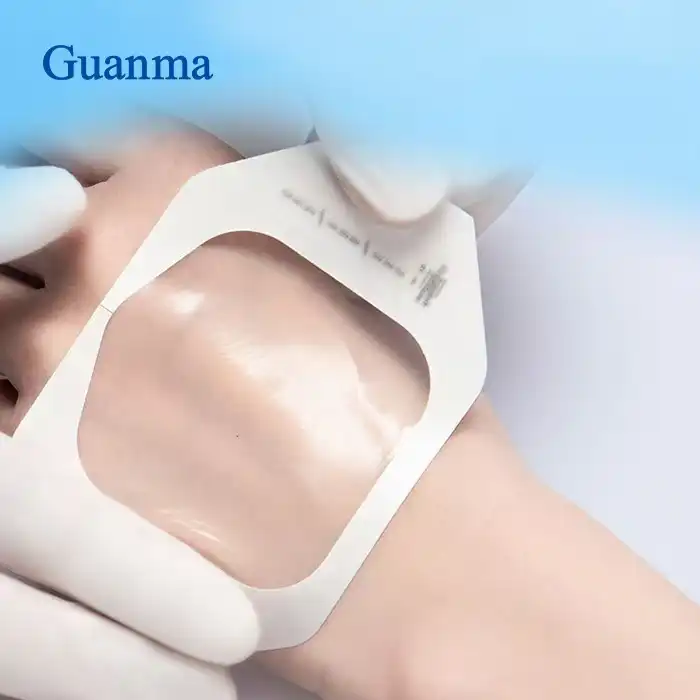
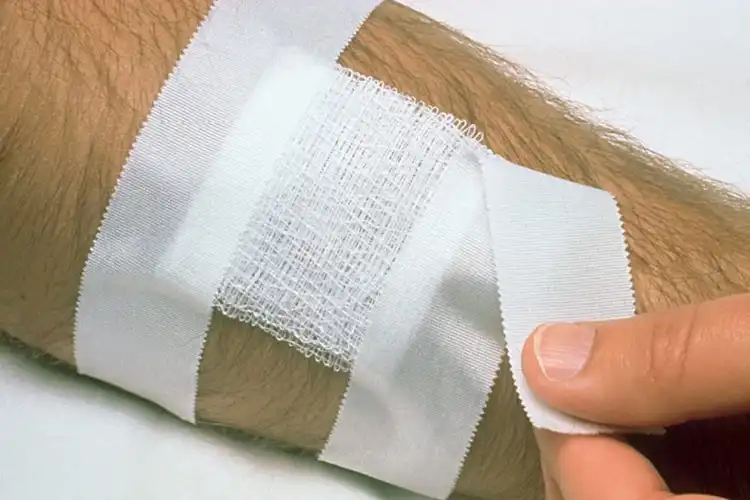
As one of the most important products in healthcare settings, medical paper tape can be used in a huge range of professional situations. This special tape is used by medical workers to fix wound dressings, keep IV lines in place, and keep medical devices stable against patients' skin. The tape's special makeup lets it stick securely to skin while keeping its structure, so it can be used on people with a wide range of skin conditions and allergies.
Clinical Applications and Medical Device Integration
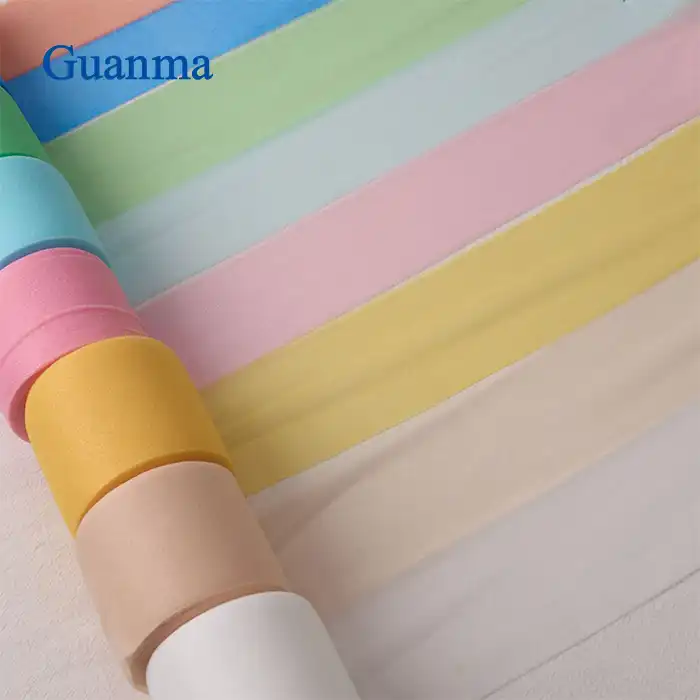
Medical paper tape is used in many parts of hospitals, from the emergency rooms to the operating rooms. The tape works great for post-surgery care because it keeps the dressing in place without causing any damage while letting the body heal naturally. The nursing staff likes how reliable it is at holding tubes, tracking devices, and temporary medical equipment in place without hurting the skin when it's taken off. In current medical paper tape, the materials are made up of improved pressure-sensitive glue formulations that stick well while also being gentle on the skin. Different temperatures and amounts of humidity that are common in healthcare settings don't affect how well these adhesives work. The permeable paper base lets air flow, which stops wetness from building up and hurting both the bonding and the patient's comfort.
Evolution of Adhesive Technology in Healthcare
The science behind medical paper tape has come a long way since it was first used in healthcare markets. Early adhesives often irritated the skin or left behind residue when they were removed, which is why companies put a lot of money into research into safe adhesives. Modern versions go through a lot of medical testing to make sure they work well with people who have sensitive skin, are older, or have skin defenses that aren't working well. Modern production methods allow for exact control over how the glue is spread, which makes sure that every roll of tape works the same way. In hospital situations, where healthcare workers rely on reliable binding qualities for patient safety and treatment effectiveness, this uniformity is very important.
Choosing the Right Medical Paper Tape: Comparison and Decision Criteria
Choosing the right medical paper tape requires careful thought about a number of factors that have direct effects on patient care and the speed of operations. When healthcare buying workers compare options, they need to look at how well they stick, how well they breathe, and how easy they are to remove. When different types of patients and different clinical uses are considered within the same healthcare center, the decision-making process gets more complicated.
Performance Metrics and Clinical Suitability
When healthcare centers look at different kinds of medical paper tape, they should focus on the ones that stick well on all kinds of skin and in all kinds of situations. Medical devices stay in place firmly because they stick well, and they are easy to remove without hurting the skin or making the patient uncomfortable. The tape's conformability lets it mold to the shape of the body and follow it as it moves, keeping the patient securely fixed even while they move. The ability to breathe is another important performance factor, especially for uses that need long wear times. Good medical paper tape lets moisture vapor pass through, which lowers the risk of skin maceration and keeps the skin healthy underneath the glue. In wound care uses, where keeping the right amount of wetness is key to good healing, this feature is especially useful.
Patient Demographics and Application Considerations
Medical tape picking needs to be done in a way that is specific to each patient. For example, kids often need extra-gentle formulas that make taking them off as painless as possible, and older people may need tapes that are made especially for skin that is weak or damaged. Surgical uses need solid bonding that can handle being sterilized and the conditions in the operating room. Healthcare centers that treat a wide range of patients should keep a variety of tapes on hand to meet different treatment needs. This method makes sure that patients get the best care possible while also giving doctors and nurses the right tools for different medical situations.
Procurement Guide: How to Source Medical Paper Tape Efficiently
To buy medical paper tape efficiently, you need to know how the market works, what suppliers can do, and what healthcare facilities need. Effective buying strategies strike a mix between quality standards and cost, making sure that products are always available while staying within budget limits. When healthcare companies look for providers, they need to know if they can meet legal standards, keep shipping dates, and provide expert help when it's needed.
Supplier Evaluation and Quality Assurance
When healthcare buying workers are looking for medical paper tape providers, they should give more weight to companies that have well-established quality management systems and records of following the rules. Suppliers should show that they follow international standards like ISO 13485 and keep up-to-date certifications that are important to making medical devices. These approvals make sure that goods meet strict performance and safety standards that are needed in healthcare settings. Suppliers you can trust give you a lot of information about their products, like biocompatibility test results and technical specs that help doctors make decisions. They also give healthcare workers samples to try, so they can see how well the product works before committing to buying a lot of it.
Volume Purchasing and Supply Chain Optimization
Negotiating good terms for big orders and making sure there is good inventory management are often important parts of good buying strategies. When setting up buy deals, healthcare places should think about how they use resources, how much space they have, and how often they have to pay for things. A lot of sellers offer deals for buying in bulk and open payment terms that can cut down on the total costs of shopping by a large amount. When demand is high, or there are problems with supplies, supply chain dependability is very important. Building ties with several qualified providers gives you backup plans, buying power, and the peace of mind that you'll always be able to get the products your patients need.
Leading Brands and Supplier Profiles
There are a number of well-known companies in the medical paper tape market that are known for their quality, creativity, and dependability. Big names like 3M, Medline, and Smith & Nephew have built strong reputations by making sure their products always work well and giving great customer service. These companies put a lot of money into research and development to keep making adhesives and production methods better to meet changing healthcare needs.
Market Leaders and Product Innovation
Well-known companies set themselves apart by using their own special binding technologies that make patients more comfortable and improve professional performance. Medical paper tape uses have had problems for a long time, but new formulas solve them by finding the best mix between binding power and easy removal features. These businesses also have a lot of different products that are made to meet the needs of different patients and professional situations. When looking at medical tape providers, customer feedback always shows how important it is to have regular products and dependable supply lines. Leading brands have strong quality control systems that make sure that each batch is the same. This cuts down on variation that could affect patient care or clinical results.
Emerging Suppliers and Specialized Solutions
There are also specialized companies in the medical tape market that only make sticky medical goods. Companies like Guanma Medical have built strong brands by providing solutions that can be changed to fit the needs of each market and offering quick customer service. Larger producers may not be able to meet these providers' more open minimum order amounts and customization needs. Specialized sellers often make it easier for healthcare groups to work together more closely, which lets them come up with custom solutions for specific clinical problems. When compared to normal products from bigger companies, this partnership method can lead to better product fit and faster support.
Best Practices for Using Medical Paper Tape in Medical Settings
The practical benefits of medical paper tape are maximized when it is applied and removed correctly, which also ensures patient safety and comfort. Healthcare workers should follow set processes that stress properly preparing the skin, choosing the right tape, and carefully removing it. These steps keep problems to a minimum while improving the performance of the glue and making patients happy.
Application Techniques and Clinical Protocols
The best way to use medical paper tape is to first properly examine and prepare the skin. When choosing the right tape thickness and binding strength, healthcare workers should look at the patient's age, skin state, and how long they expect the tape to be worn. Clean, dry skin is best for bonding, and staying away from places where the skin is already weak stops more damage. The right way to apply makeup is to place it so that it goes over your skin's natural lines without causing too much stress. This method makes sure that the fixing is safe while still letting the skin and blood flow normally. Healthcare workers should write down how tape is applied when it's important to the patient's treatment plan, especially for patients who need to be watched for a long time or have multiple dressing changes.
Removal Procedures and Patient Comfort
To safely remove tape, you need to pay close attention to how you do it and how the patient reacts. Healthcare workers should take off the tape slowly and steadily, applying light counter-pressure to the skin to keep it from hurting too much. Using removing methods that work parallel to the skin's surface instead of pulling perpendicularly lowers the risk of injury and calms the patient down. Patients with damaged skin, long wear times, or sensitivity issues need to be taken into account in a special way. In these cases, the patient may need special removal methods or extra skin protection to stay safe and comfortable during the care process.
Guanma Medical: Your Trusted Partner in Medical Adhesive Solutions
Guanma Medical has been making medical paper tape and wound care wraps for over 30 years and is one of the biggest companies in the world that makes them. Our wide range of products includes safe and flexible tapes made especially for use in hospitals and clinics. We use cutting-edge pressure-sensitive glue technology and strict quality control to make goods that meet the strict needs of modern healthcare settings.
Quality Certifications and Manufacturing Excellence
Our factories keep up-to-date foreign certifications like CE, ISO 13485, and ISO 9001, which make sure that every product meets strict quality and safety standards. All medical paper tape goes through thorough biocompatibility testing to make sure it can be used safely on the skin. These certificates show that we are dedicated to following rules and making sure our products are safe for customers around the world. Guanma Medical's quality control system covers the whole process of making a product, from choosing the raw materials to packing the finished product. Our skilled technical team is always keeping an eye on and improving the production processes to make sure that the products always work well and are reliable, so healthcare workers can trust them.
Customization and OEM/ODM Services
We provide full OEM and ODM services that meet the needs of different markets and brand tastes. We can make changes to the glue formula, the sizes available, the style of the package, and the writing of private labels to help brand owners, wholesalers, and healthcare facilities. This gives partners the freedom to make goods that perfectly meet the wants of their target market and the rules set by regulators. Because our research and development are fast, we can quickly come up with custom solutions for specific medical uses. Our expert team works closely with clients to find the best solutions that improve patient care and operating efficiency. This is true whether you need specific glue properties, odd-sized needs, or unique package setups.
Conclusion
Medical paper tape is still an important part of healthcare in hospitals and offices all over the world. Because it can be used for so many things, like wound care, gadget security, and patient control, it is an essential source for healthcare facilities of all kinds. Knowing the right selection factors, application methods, and buying strategies will help you get the best clinical results while keeping costs low. As healthcare settings change, companies that make medical paper tape must keep coming up with new ideas to meet new needs while still meeting the safety and efficiency standards that healthcare workers count on. When healthcare groups work with experienced sellers who know these needs, they can be sure to get the quality goods they need to provide great care for their patients.
FAQ
Is medical paper tape suitable for sensitive skin patients?
Yes, medical paper tape is specifically designed for sensitive skin applications. Quality medical paper tape features hypoallergenic adhesive formulations that minimize irritation risk while providing secure fixation. Biocompatibility testing ensures safe skin contact for diverse patient populations, including elderly patients and those with compromised skin conditions.
What factors should I consider when evaluating medical paper tape suppliers?
Healthcare procurement professionals should evaluate suppliers based on product certifications, manufacturing quality standards, delivery reliability, and customization capabilities. Important considerations include ISO 13485 certification, biocompatibility documentation, minimum order flexibility, competitive pricing, and responsive customer support services.
How do I determine the appropriate medical paper tape for different clinical applications?
Tape selection should consider patient skin condition, expected wear time, environmental factors, and specific application requirements. Surgical applications may require stronger adhesion, while pediatric use demands gentler formulations. Consulting with clinical staff and requesting product samples helps ensure optimal product selection for specific healthcare environments.
Partner with Guanma Medical for Premium Medical Paper Tape Solutions
Guanma Medical delivers exceptional medical paper tape solutions designed specifically for hospitals and clinics seeking reliable, high-quality products. Our comprehensive range includes hypoallergenic formulations, customizable packaging options, and flexible ordering terms that support diverse procurement requirements. With CE and ISO 13485 certifications backing every product, healthcare organizations can trust our commitment to safety and performance standards. Contact our experienced team at betty@guanmamedical.com to discuss your medical paper tape supplier needs, request product samples, or explore custom solutions tailored to your specific requirements. Our responsive support and competitive pricing make us the ideal partner for healthcare facilities prioritizing quality, reliability, and patient care excellence.
References
1. Johnson, M.K., & Williams, P.R. (2023). Advances in Medical Adhesive Technology for Healthcare Applications. Journal of Medical Materials Research, 45(3), 234-251.
2. Chen, L., Thompson, A.B., & Rodriguez, C.M. (2022). Comparative Analysis of Medical Tape Performance in Clinical Settings. Healthcare Supply Chain Management Quarterly, 18(4), 112-128.
3. Anderson, D.J., & Miller, K.L. (2023). Biocompatibility Standards for Medical Adhesive Products. International Medical Device Regulations Review, 31(2), 67-84.
4. Patterson, S.E., & Kumar, R.N. (2022). Procurement Strategies for Medical Consumables in Global Healthcare Systems. Healthcare Economics and Management, 29(7), 445-462.
5. Martinez, F.J., & Zhang, W.C. (2023). Clinical Applications and Best Practices for Medical Paper Tape Usage. Wound Care and Adhesive Medicine Journal, 15(6), 189-205.
6. Taylor, H.M., & Lee, J.K. (2022). Quality Management Systems in Medical Adhesive Manufacturing. Medical Device Quality Assurance Review, 24(5), 78-95.