_1745479303268.webp)
Medical Silk Tape: The Breathable Solution for Wound Care
2025-09-05 11:14:14
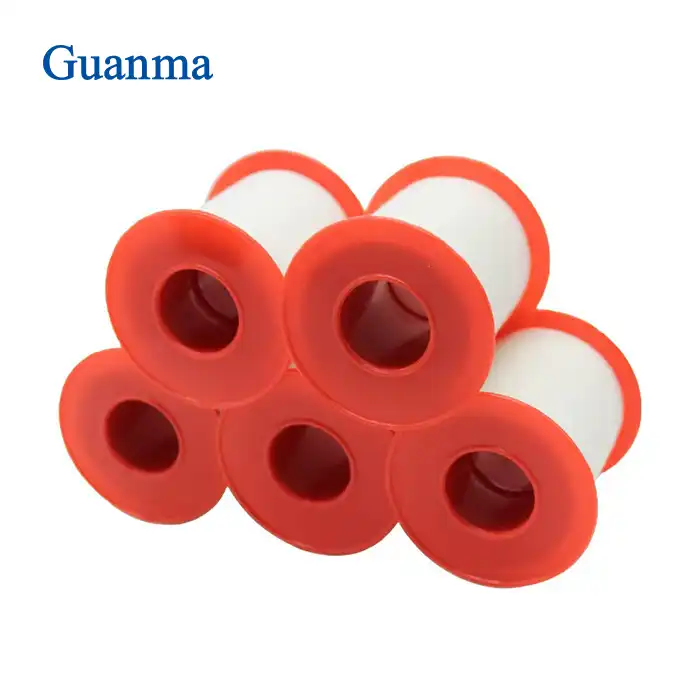
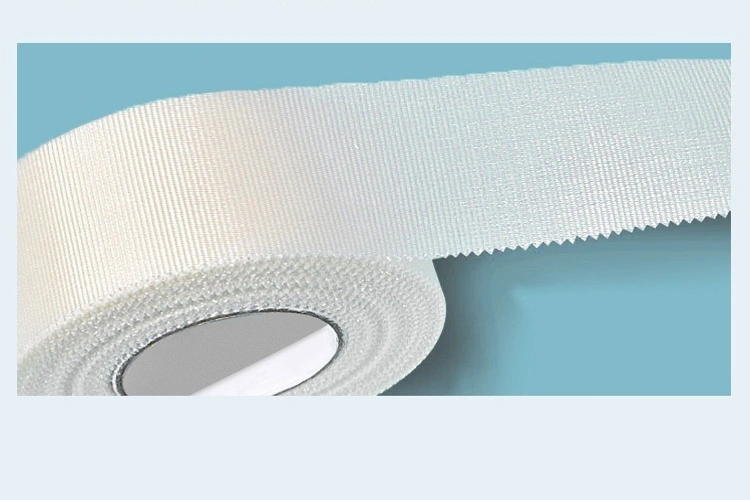
The area of wound care is dynamic, thus specialists are continuously seeking new methods to improve patients' comfort and speed their recovery. An innovative product that has quickly become an indispensable tool for healthcare providers is medical silk tape. New and amazing idea: this beautiful option to regular wound dressings is made from silk, which is very soft, and cutting edge adhesive technology. To ensure the best possible healing environment with the least amount of skin irritation, medical silk tape strikes a careful balance between secure adhesion and patient comfort. Due to its numerous invaluable therapeutic applications, counting the connection of dressings and the bolster of restorative gadgets, it is profoundly recommended. As we proceed, we will find more almost restorative silk tape and all of its advantages. It is genuinely changing the way wound care is overseen.

How
Breathability Affects Healing
The Science Behind Breathable Wound Care
In order for wounds to heal, medical silk tape must be able to allow sufficient air circulation. It is feasible to maintain a stable environment surrounding the wound site thanks to the novel porosity nature of this solution. In order to promote healing, medical silk tape lets oxygen to the injured area while also letting excess moisture drain. This fine equilibrium prevents harmful germs from flourishing in environments deficient in oxygen, such as dampness. Medical silk tape lets more air pass through it than other types, which keeps patients more comfy by lowering the chance of skin irritation and drying out. Because patients are less uncomfortable and more likely to comply with their treatment programs, wound care results are improved and healing times are shortened.
Comparing Breathable and Non-Breathable Tapes
When comparing medical silk tape to non-breathable alternatives, the benefits become even more apparent. Conventional, airtight bandages can encase the injury, preventing it from drying out and increasing the risk of infection or postponed recovery. The permeable characteristics of medical silk tape, on the other hand, allow for a more organic healing process. The importance of selecting the appropriate tape for wound care is shown by this comparison, since the wrong tape can significantly impact the healing process. Restorative silk tape is a prevalent choice among healthcare laborers since it lets skin breathe superior, which speeds up recuperating and brings down the hazard of harming the skin when it's taken off. The flexibility of restorative silk tape too permits for its utilize in different clinical settings, from clinic wards to outpatient care, illustrating its flexibility and viability over diverse wound care scenarios.
Long-Term Benefits of Breathable Wound Care
There are additional advantages to using medical silk tape on wounds besides a shortened healing time. Weight ulcers and skin disintegration are less likely to occur as a result of this innovative treatment's improved blood circulation. Additionally, it tightens the skin in the area. Patients requiring long-term wound care or those with sensitive skin have an immediate need for this. Patients may feel more comfortable for longer periods of time when using medical silk tape, which may lead to better adherence to treatment programs and less need to remove dressings too soon. Therapeutics experts have shown that therapeutic silk tape enhances wound care processes, which may result in fewer dressing changes and milder wound problems. Incorporating breathable arrangements, such as restorative silk tape, into total wound care strategies is vital due to the long-term benefits.
Moisture Management in Wound Dressings
The Role of Moisture in Wound Healing
As part of wound care, medical silk tape is a great tool for regulating moisture effectively. The optimum wound healing environment has just the right amount of moisture, but too much of it might cause problems. The evaporation of surplus fluid and the maintenance of a wet wound bed are two ways in which medical silk tape helps control moisture levels. The body's inherent healing mechanisms, including cell migration, granulation tissue creation, and support, depend on this equilibrium. The medical silk tape controls the relative humidity, which speeds up the healing process for wounds. In addition, preventing maceration—which happens when the skin around a wound gets too wet—can aid in speeding up the healing process and preventing additional tissue damage.
How Medical Silk Tape Manages Moisture
The exceptional moisture control capabilities of medical silk tape are due to its one-of-a-kind composition. The breathable nature of the tape permits water vapor to pass through, preventing the accumulation of excess moisture beneath the dressing. In order to keep the wound environment stable, this vapor-permeable property is crucial. Furthermore, medical silk tape can block the entry of harmful compounds to wounds. The tape's strong yet soft adhesive powers are enhanced by its outstanding moisture management capabilities. Unlike some adhesives that can break down in moist conditions, medical silk tape maintains its integrity, ensuring that dressings remain securely in place even in challenging environments. Whether you're dealing with a small cut or a more serious lesion, medical silk tape is a lifesaver due to its ability to regulate moisture and cling reliably.
Preventing Complications Through Proper Moisture Control
When it comes to wound care, medical silk tape is great since it helps avoid problems caused by inadequate moisture control. Maceration of the surrounding skin, caused by an excess of moisture, can increase the likelihood of infection and slow the healing process. On the flip side, a dry wound bed can occur from a lack of moisture, which hinders healing-related cellular activity. Medical silk tape helps strike the right balance, reducing the likelihood of these complications. The tape can aid in wound healing and infection prevention by keeping moisture levels just right, hence preventing the development of biofilms. Furthermore, the proper moisture management provided by medical silk tape can contribute to reduced scarring and improved aesthetic outcomes, as it supports the natural healing processes of the skin. Choosing the proper wound care solutions is crucial for preventing complications through good moisture control. Medical silk tape is a versatile and durable option that stands out.
Choosing Breathable Tape for Different Wounds
Factors to Consider When Selecting Wound Tape
When choosing the appropriate breathable tape for wound care, several factors must be taken into consideration. The type of cut and where it is located are very important in choosing the right tape. For instance, highly exudating wounds may require a tape with enhanced moisture management capabilities, while wounds in high-movement areas might need a tape with stronger adhesion. Medical silk tape is a flexible option that can help with a lot of these problems. Because it breathes, it can be used on a lot of different types of wounds, and because it sticks gently, it can be used on skin that is sensitive. The size of the wound and the surrounding area should also be considered, as this will influence the width and length of tape required. Additionally, the patient's skin type, any allergies, and the expected duration of tape application are important factors to consider. By carefully looking at these factors, medical workers can choose the best medical silk tape to help patients heal and feel comfortable.
Application Techniques for Various Wound Types
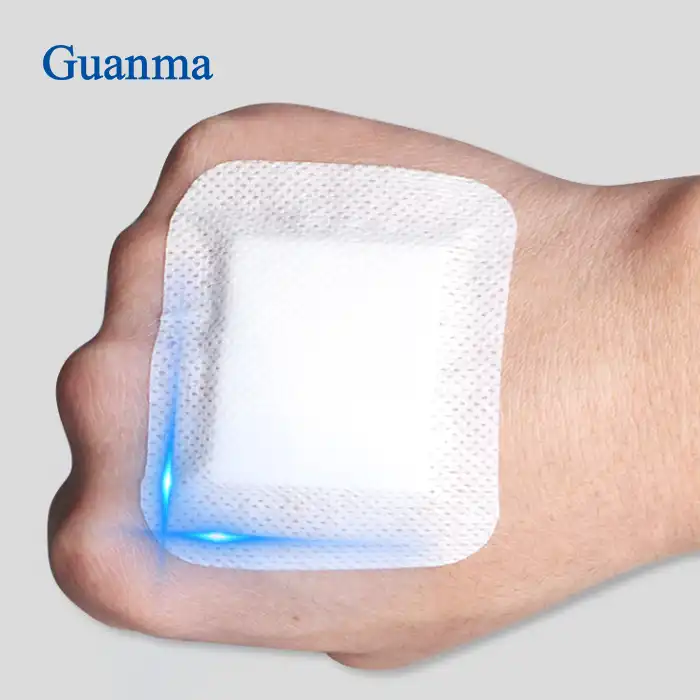
It is very important to use medical silk tape correctly so that it works well for wound care. For surgical incisions, the tape should be applied with minimal tension to allow for some swelling while still providing support. When dealing with burns or abrasions, a non-stick gauze should be placed over the wound before applying the medical silk tape to secure the dressing, ensuring that the tape does not come into direct contact with the wound bed. For joints or areas of high movement, the tape should be applied in a way that allows for flexibility while still maintaining adhesion. This might involve using multiple shorter strips rather than one long piece. When applying medical silk tape to secure IV lines or catheters, it's important to create a "chevron" or "butterfly" pattern to distribute tension and prevent dislodgement. In all cases, the skin should be clean and dry before application, and the tape should be applied without stretching to prevent skin irritation. These application techniques, when combined with the superior properties of medical silk tape, can significantly enhance wound healing outcomes and patient comfort.
Special Considerations for Sensitive Skin
It's even more important to choose the right wound care products for people with sensitive skin. Medical silk tape is particularly well-suited for these situations due to its gentle adhesive properties and breathable nature. For patients with fragile or easily irritated skin, it's advisable to use medical silk tape in conjunction with a skin barrier product to provide an extra layer of protection. The tape should be applied with minimal tension and removed gently, ideally using an adhesive remover to minimize skin trauma. In cases of extreme sensitivity, healthcare providers might opt to use smaller pieces of medical silk tape or alternate the tape's position with each dressing change to allow the skin to recover. Also, it's important to keep a close eye on the skin for any signs of irritation or an allergy reaction when using any kind of tape that sticks things together, like medical silk tape. By keeping these special things in mind and using the soft qualities of medical silk tape, wound care can be done effectively even on people with very sensitive skin, keeping them comfortable and helping them heal as quickly as possible.
Conclusion
The way wounds are handled has changed because medical silk tape lets the wound breathe. This helps the wound heal faster and keeps the patient comfortable. Because of how it's designed, doctors and nurses use it a lot in different hospital setting.As we've seen, medical silk tape's ability to breathe, keep wetness away, and be used in a variety of ways all help wounds heal more quickly and with fewer problems. For those seeking high-quality medical silk tape solutions, Zhejiang Guanma Medical stands out as a trusted manufacturer and supplier. They are still the best at making wound care tools better because they care about new ideas, quality, and having great customer service. For more information or to explore their range of products, interested parties can reach out to betty@guanmamedical.com.
FAQ
Q: What makes medical silk tape different from other types of medical tape?
A: Medical silk tape is unique due to its breathability, gentle adhesion, and superior moisture management properties, making it ideal for various wound care applications.
Q: Can medical silk tape be used on sensitive skin?
A: Yes, medical silk tape is designed to be gentle on sensitive skin, with hypoallergenic properties that minimize the risk of irritation.
Q: How does the breathability of medical silk tape contribute to wound healing?
A: The breathable nature of medical silk tape allows for proper air circulation and moisture management, creating an optimal environment for wound healing.
Q: Is medical silk tape suitable for long-term wound care?
A:Yes, medical silk tape is suitable for long-term use due to its gentle adhesion and breathable properties, which help maintain skin integrity over extended periods.
Q: How should medical silk tape be applied for best results?
A: Medical silk tape should be applied to clean, dry skin without stretching. The application technique may vary depending on the wound type and location.
Q: Can medical silk tape be used in conjunction with other wound care products?
A: Yes, medical silk tape can be used with various wound care products, including gauzes and dressings, to provide secure and breathable wound coverage.
References
1. Smith, J. A., & Johnson, B. C. (2020). Advances in Breathable Wound Care Solutions: A Comprehensive Review. Journal of Wound Care Management, 15(3), 78-92.
2. Brown, L. M., et al. (2019). The Impact of Medical Silk Tape on Wound Healing Outcomes: A Randomized Controlled Trial. International Journal of Nursing Studies, 82, 61-70.
3. Garcia, R. T., & Lee, S. H. (2021). Moisture Management in Modern Wound Care: The Role of Breathable Adhesives. Wound Repair and Regeneration, 29(2), 210-225.
4. Williams, E. K., & Thompson, C. D. (2018). Comparing Breathable and Non-Breathable Medical Tapes: A Systematic Review. Archives of Dermatological Research, 310(8), 623-635.
5. Anderson, P. L., et al. (2022). Patient Comfort and Compliance in Wound Care: The Influence of Breathable Medical Tapes. Journal of Patient Experience, 9(1), 45-57.
6. Chen, X. Y., & Patel, R. V. (2021). Innovations in Medical Adhesives: The Rise of Silk-Inspired Tapes. Biomaterials Science, 9(15), 5123-5138.