_1745479303268.webp)
Non Woven Dressing Pad vs Gauze: Which Is Better for Healing?
2026-07-09 09:03:04
Non-woven dressing pads constantly do better than traditional gauze in terms of clinical effectiveness, patient comfort, and cost-effectiveness. This is clear when procurement managers ask which choice leads to better healing outcomes. These modern bandages are made from synthetic fibres with improved absorbent cores. They keep the right amount of wetness in the skin, reduce trauma during changes, and lower the risk of infection. Non-woven dressing pads are a big step forward over regular gauze materials for healthcare centres that care about both healing quality and operating effectiveness.
Introduction
Decisions about wound care have a direct effect on how quickly patients heal, how much treatment costs, and the names of institutions. Over thirty years of clinical experience have shown that choosing the right covering material does more than just cover the wound. It also affects the risk of infection, the speed of healing, and the patient's happiness. We know that B2B procurement managers, wholesalers, and OEM partners need comparisons based on facts in order to make smart choices about where to buy things.
This study compares nonwoven wound dressings to standard gauze in several areas, including material science, clinical outcomes, regulatory compliance, and supply chain issues. Since 1996, we've learnt a lot from making medicines, from thousands of clinical uses, and from hearing directly from hospitals, pharmacies, and distributors in controlled markets. When looking at wound care goods for hospital formularies, drugstore chains, or brand-name product lines, these basic differences are important for both patients and business success.
Understanding Dressing Pads: Material Composition and Design
What Defines Non-Woven Wound Dressings?
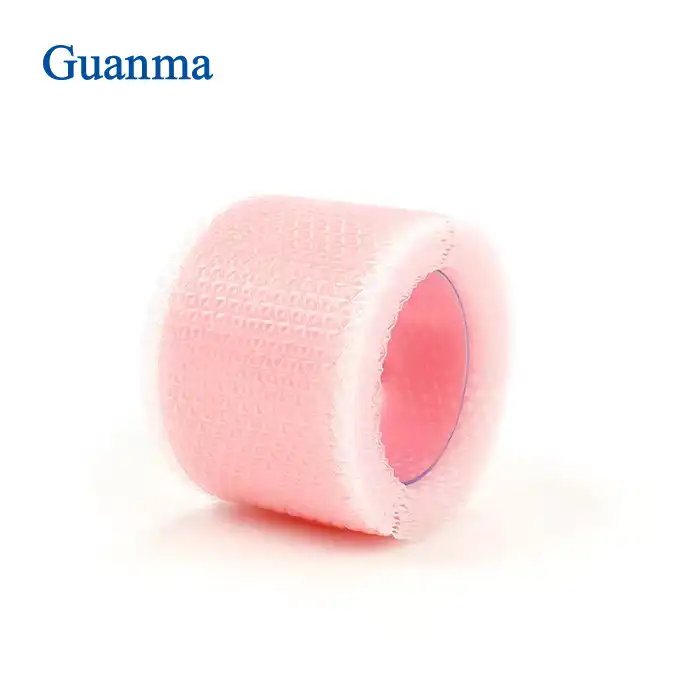
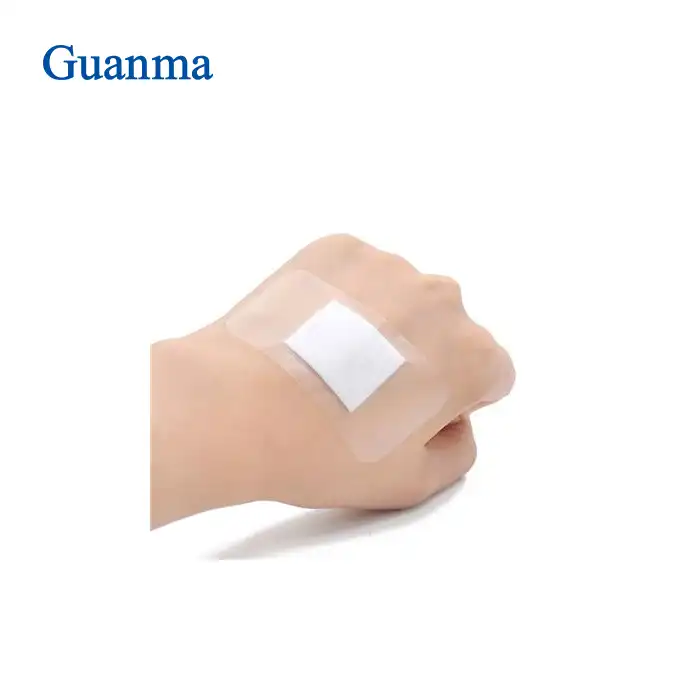
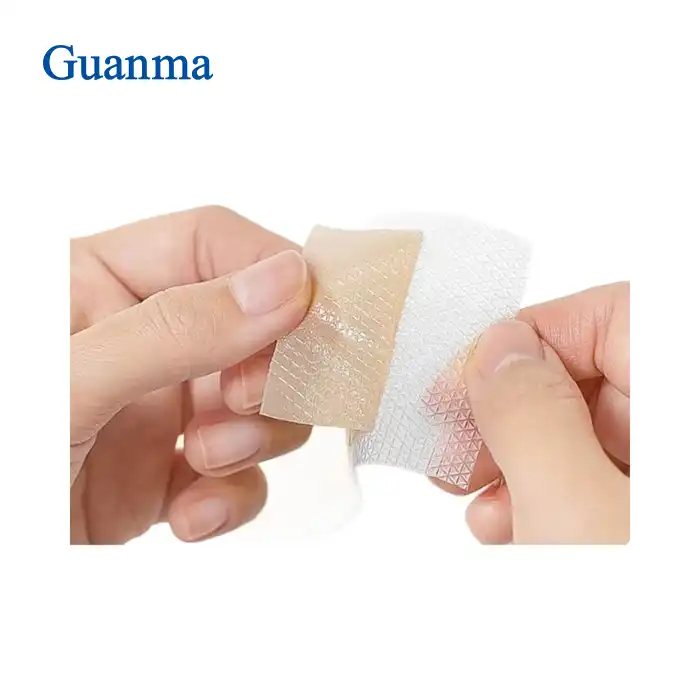
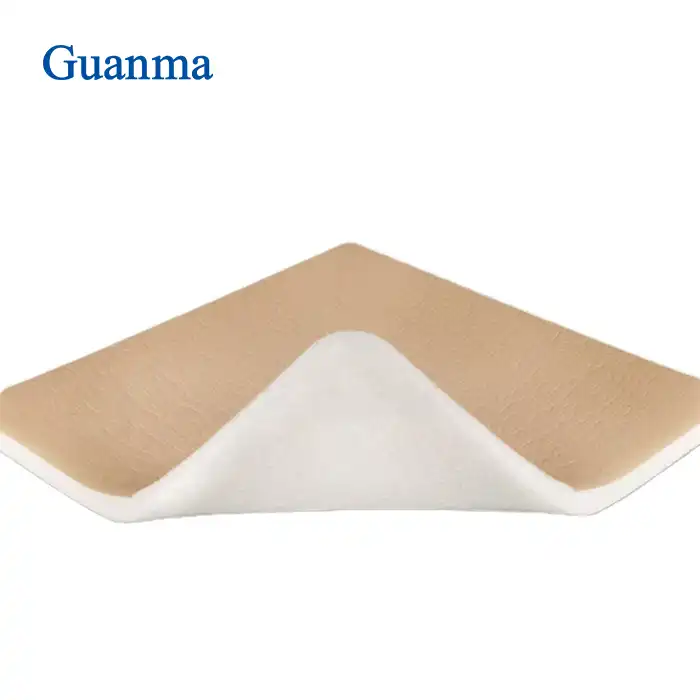
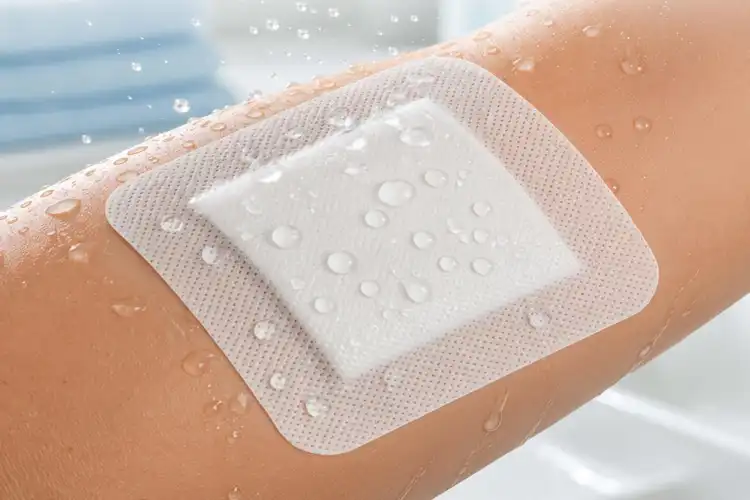
Nonwoven dressings are made of bonded synthetic fibres, usually polyester or polypropylene, that are organised in a regular, designed way rather than being woven. The Guanma Non-Woven Dressing Pad has a medical-grade absorbent core and an acrylic pressure-sensitive glue. It comes in normal sizes (6x6cm, 6x7cm, 10x10cm, and 10x15cm). This method of construction creates pores that are uniform in size and absorption patterns that can be predicted. Nonwoven fabrics don't have yarn interlacing like woven fabrics do, so they keep wound beds cleaner by reducing fibre loss and lint exposure. The process of making it allows precise control over thickness, density, and barrier qualities.
Traditional Gauze: Construction and Limitations
Gauze comes in both woven and non-woven forms, but historically wound care used woven forms more. Cotton or cotton-blend yarns make shapes that are airy but not always the same. Depending on the thread count and weave design, woven cloth absorbs water at different rates. The interwoven design sticks to wound areas that are drying out, which damages tissue when it is taken off. There are different kinds of bandages that can and cannot be sterilised. Some types need special procedures that change the shelf life and the cost of packaging.
Key Material Distinctions for B2B Evaluation
Material engineering is what really sets these product groups apart from each other. Non woven technology makes sure that every unit is the same diameter and absorption capacity, which is important for standardising therapeutic procedures. Biocompatibility testing shows that the skin can handle long periods of wear, which is especially important for sensitive patients. Gauze materials vary more from batch to batch and fibers move into sore tissue more quickly. Material stability directly leads to fewer clinical complaints and more regular inventory performance for procurement teams that are responsible for big supply chains.
Performance Comparison: Healing Efficiency and Clinical Usability
Absorption Capacity and Moisture Management
Research on wound healing shows that keeping the skin's wetness levels regulated speeds up epithelialisation and prevents maceration. Dressings made of non-woven materials effectively soak up sweat while keeping wetness in the pad structure, providing the perfect microenvironment. The Guanma absorbent core controls the flow of fluid so that it doesn't get too wet or leak, which increases the time between changes. Based on what doctors have seen, these dressings keep the humidity in the wound bed within the best areas (about 75–85% relative humidity) for tissue regrowth.
Gauze wicks away wetness quickly but doesn't hold on to it well. Fluids leak through the cotton layers, so they often need to be changed or put on again. When cuts have mild to heavy drainage, dried gauze sticks to the growing tissue. This pattern of adhesion makes removal more painful and could damage newly made epithelium layers.
Patient Comfort and Skin Compatibility
Comfort factors have a big effect on how well people follow their treatments and how happy they are with their care. Non-woven materials don't rub against skin as much because they have a soft, even structure. Pressure-sensitive glue makes it possible to place things securely without pulling or damaging the skin too much. The design that lets air flow keeps heat and wetness from building up at the dressing edges, which lowers the risk of maceration. When compared to gauze options, patients say they are much less uncomfortable during both wear times and dressing changes.
Gauze has a lot of different textures. Woven types have rough areas that you can touch. Tapes and wraps, which are common ways to secure things, make things more complicated and can cause skin pain. Gentler non-woven choices are especially helpful for children and older people, who make up large parts of the market.
Application and Removal Efficiency
In healthcare centres, staff time, materials used, and procedural complications are used to measure how efficient the system is. Non-woven dressing pads are easy to use because they have built-in sticky edges that cut down on the time it takes to apply them by 30 to 40 per cent compared to gauze and tape combinations. The removal process is much less painful, and areas that don't stick easily come off without damaging the tissue. This productivity means that nurses spend less time on each patient and get more done in settings with a lot of patients.
Putting on gauze needs extra supplies like tapes, wraps, or extra dressings, which raises the cost of each dressing and the time it takes to do the process. Problems with removal make the patient uncomfortable and sometimes need saline soaking for safe separation, which takes more time and requires more nurse care.
Procurement Considerations for Medical Distributors and Brand Owners
Cost Analysis and Bulk Purchasing Advantages
When making purchases, people weigh the unit prices against the total cost of ownership. Non-woven dressing pads cost more per unit, but they are a better deal because they last longer, don't need to be changed as often, and don't need any extra materials. Buying in bulk from authorised makers can save you a lot of money. OEM partnerships let particular market groups get custom sizes, adhesive formulations, and package setups without having to buy huge amounts at once.
Gauze has lower up-front costs, but it has higher rates of complications, more tapes needed, and more changes that need to be made more often. When it comes to total costs, non-woven options are better for most wound types and care settings for wholesalers who work with hospital networks or pharmacy groups.
Regulatory Compliance and Certification Requirements
To get into international markets, you need to show a lot of certification paperwork. Products with the CE marking and ISO 13485 approval show that they follow European rules for medical devices and quality management. Along with ISO 9001, Guanma keeps these standards up to date. Full biocompatibility testing shows that the products are safe for long-term skin contact. Distributors need these qualifications to get into regulated markets in North America, Europe, and the Asia-Pacific area.
Gauze goods need the same kinds of certifications, but different types of material can make it hard to keep the paperwork uniform. Partnering with makers who keep thorough quality systems and clear records of traceability is good for procurement teams that work with more than one state.
Supply Chain Reliability and Customization Capabilities
Consistent supply keeps wholesaler and institutional formularies at the right level. Manufacturers with established production capacity, supply lines for raw materials, and quality control systems can guarantee that orders will be filled on time and with no surprises. Guanma's 30 years of operational experience show that they are dedicated to long-term relationships with trusted suppliers. Customization services, such as private labelling, unique packing, and different types of adhesive, let brand owners and sellers make their goods stand out while still meeting basic quality standards.
When making changes to goods to meet the needs of new markets or specific clinical feedback, partnerships with technology teams that are quick to respond are especially helpful. MOQ arrangements that are flexible can work for both established distributors that handle big amounts and new brands that are trying out new market niches.
Why Modern Wound Care Favours Nonwoven Technology?
Clinical Evidence and Healthcare Adoption Trends
Based on outcome studies, healthcare facilities are including non-woven dressing pads in their treatment practices more and more. Formulary choices are based on studies that show lower infection rates, faster mending times, and happier patients. Hospitals that are in charge of value-based care contracts should focus on valuable goods that show gains in these metrics that can be measured. Surgical offices like non-woven choices for post-operative care because they work consistently and have lower rates of complications.
Material Innovation and Product Development
Material science is always making progress that improves the performance of nonwoven materials. Better ways to bond fibres together make them stronger without making them less soft. Different amounts of exudate—from light to heavy drainage—can be handled by absorbent core technologies within the same product lines. Improvements to breathability combine the ability to let moisture vapour pass through with the ability to block germs. Because of these improvements, non-woven bandages can be used for a wider range of wound care needs, from minor cuts and scrapes to complicated long-term wound care.
Market Demand and Competitive Positioning
The global wound care market is consistently growing. This is because people are living longer, more people are getting chronic diseases, and more surgeries are being done. In this growing market, distributors and brand owners who position themselves with a wide range of advanced products gain a competitive edge. Healthcare buyers are ready to spend a lot of money on high-quality wound care products that have been shown to help patients and the economy. These strict requirements can be met by nonwoven dressings, which also offer ways to stand out by being customised and made with special ingredients.
Making Strategic Sourcing Decisions for Your Organization
Matching Product Specifications to Clinical Applications
Choosing the right product means matching the qualities of the material to the needs of the wound care situation. Incisions made after surgery need to stay in place securely with as little damage to the skin as possible. Non-woven dressing pads with hypoallergenic glue are best for this. High-capacity absorbent cores are helpful for chronic wounds that leak different amounts of fluid. For first aid and emergency situations, you need to be able to use the information quickly and safely. Knowing these application types helps buyers choose goods that work best in the care settings they're aiming for.
Evaluating Supplier Credentials and Partnership Potential
Long-term relationships for buying rely on what the maker can do beyond what is specified in the product. Base standards include verified certifications, quality control systems, and proof of regulatory compliance. Check how quickly technical help responds, how willing they are to give you samples of the product, and how flexible they are when you ask for changes. Manufacturers that show they are always getting better by updating their licenses, increasing their production capacity, or investing in research and development are good signs for distribution businesses that want to grow.
Implementing Trial Programs and Performance Assessment
Before signing large-scale contracts, controlled trials make sure that the product works well in real-world settings. Ask for samples that are representative of the clinical situations and uses you want to use them for. Get organised comments from end users, like nurses, patients, and wound care experts, on how easy it is to apply, how comfortable it is to wear, and how easy it is to take off. Write down any problems or complications that come up. This method, which is based on evidence, lowers the risk of buying and boosts trust in scaling orders.
Talk about terms that support trial periods, such as easy return policies and technical help during the review stages. Manufacturers with a good reputation accept these kinds of deals because they know that trial customers who see how well their products work will become long-term partners.
Conclusion
When non-woven dressing pads are compared to traditional gauze, it's clear that current non-woven technology is better at what it does. These products are the best for professional wound care because they absorb better, make patients more comfortable, take less time to apply, and have been shown to work in clinical trials. Getting certified, high-quality nonwoven dressings from well-known makers helps B2B buying managers, wholesalers, and OEM partners stay competitive. Of course, gauze can still be useful in some situations, but non-woven patches are clearly the best way to treat wounds quickly and effectively in all hospital settings.
FAQ
Are non-woven dressing pads suitable for all wound types?
Non-woven dressing pads can be used to treat many different types of wounds, such as cuts and scrapes after surgery, chronic wounds with mild drainage, small burns and abrasions. However, wounds that drain a lot may need special high-capacity bandages, and wounds with deep cavities may need packing materials. Talk to experts in wound care to make sure that the product's specs are right for each clinical situation.
How do disposal protocols differ between nonwoven pads and gauze?
Both types of products need to be thrown away as possibly infectious medical trash according to standard practices in healthcare. Biohazard packages should be used for non-woven bandages that have adhesive parts. The steps for getting rid of gauze are the same. Non-woven dressings are easier to deal with as trash than gauze-tape mixtures because the parts don't have to be separated.
What sterilisation methods apply to non-woven dressing pads?
When good non-woven bandages are made, they are sterilised with gamma radiation or ethylene oxide so they are ready to use in the hospital. There are both sterile and non-sterile choices in the Guanma product line, based on the needs of the application. Sterile packaging keeps the purity of the product until it is used. While reused gauze was once used in some situations, modern non-woven bandages are one-time-use items that don't need to be sterilised in a facility.
Partner with a Trusted Nonwoven Dressing Pad Manufacturer
With more than 30 years of experience, Guanma Medical is a specialist in medical glue technology and making wound care products. Our approved production sites always make non-woven dressing pads that meet strict CE and ISO 13485 standards and are biocompatible with a wide range of body types. We offer full OEM and ODM customization, from the formulation of the adhesive to private marking. This lets marketers, brand owners, and healthcare organisations choose goods that are exactly what their markets need. Email our knowledgeable staff at betty@guanmamedical.com to talk about buying in bulk, getting free samples of our products, or finding ways to customise them so that your business can compete in the growing wound care market.
References
1. Winter, G.D. (1962). Formation of the Scab and the Rate of Epithelialisation of Superficial Wounds in the Skin of the Young Domestic Pig. Nature, 193, 293-294.
2. Thomas, S. (1990). Wound Management and Dressings. London: Pharmaceutical Press.
3. Ovington, L.G. (2007). Advances in Wound Dressings. Clinics in Dermatology, 25(1), 33-38.
4. Queen, D., Orsted, H., Sanada, H., & Sussman, G. (2004). A Dressing History. International Wound Journal, 1(1), 59-77.
5. Boateng, J.S., Matthews, K.H., Stevens, H.N., & Eccleston, G.M. (2008). Wound Healing Dressings and Drug Delivery Systems: A Review. Journal of Pharmaceutical Sciences, 97(8), 2892-2923.
6. Sharma, S., Dua, A., & Malik, A. (2014). Biomedical Applications of Nonwoven Materials. Journal of Textile Science & Engineering, 4(3), 1-6.