_1745479303268.webp)
Non Woven Dressing Pads: A Versatile First Aid Essential
2026-04-13 09:19:00
Non-woven dressing pad solutions are a big step forward in current wound care technology. They give healthcare workers and procurement managers the best performance, cost-effectiveness, and patient comfort. When it comes to modern medical absorbent pads, the synthetic fiber structure makes them more breathable, better at absorbing, and gentler on the skin. Non-woven dressing materials are better than traditional woven ones because they offer consistent quality, reliable barrier protection, and a wide range of uses in various clinical settings. This makes them an essential part of first aid and wound management protocols for hospitals, pharmacies, and healthcare distributors all over the world.
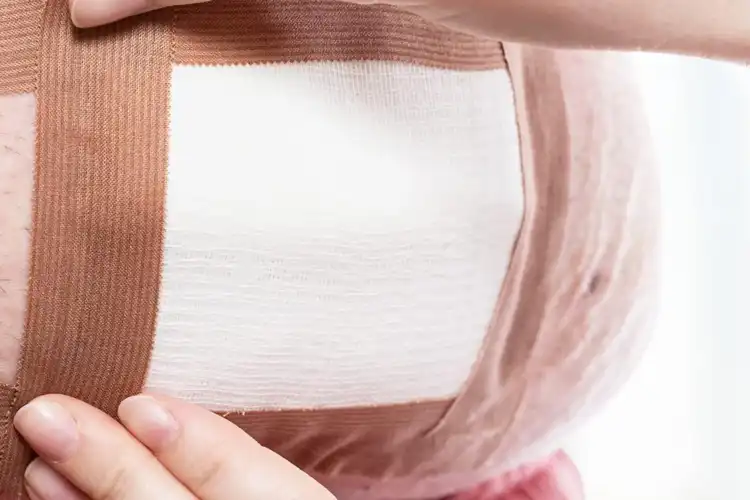
Understanding Non-Woven Dressing Pads: Key Features and Benefits
The needs for wound care today have changed a lot, moving the limits of standard dressing materials toward more advanced options. Non-woven dressing technology is at the heart of this change. It gives healthcare workers and procurement professionals a complete way to handle wounds that meets many clinical needs at the same time, such as improved absorption, reduced infection rates, and enhanced patient comfort.
Advanced Material Composition and Structure
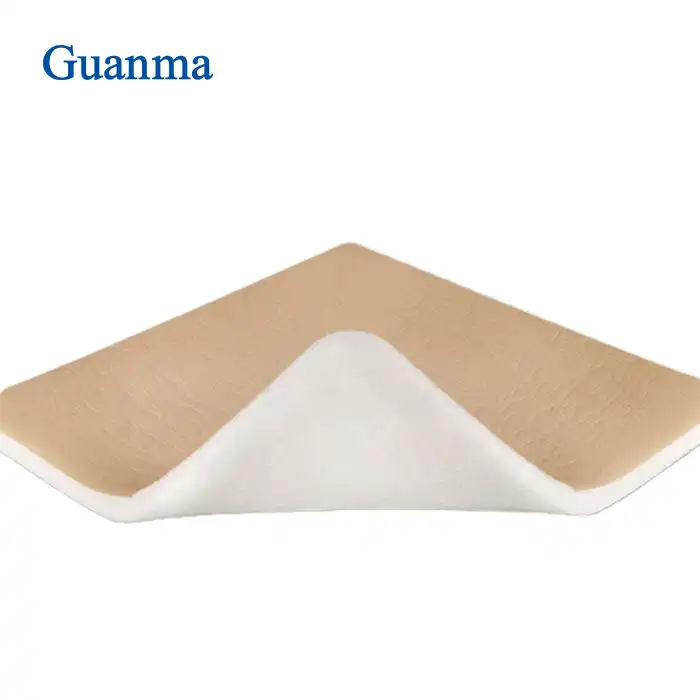
The main thing that makes Non-Woven Dressing Pads different is how the fibers are arranged and bonded. The synthetic threads in these medical-grade items are usually polyester or polypropylene. They are grouped in a random design and bonded using chemical, mechanical, or thermal methods. This way of building gets rid of the weak spots that are common in traditional knitted fabrics by making the material structure regular and consistent, which enhances the overall durability and reliability of the medical-grade items in various healthcare applications.
The synthetic fibers make the dressing very dimensionally stable, which means that it keeps its shape and works the same way even when it's full of wound fluid. This stability means that absorption rates and protection levels can be predicted, which are important for making treatment decisions and keeping track of supplies in healthcare facilities.
Superior Absorption and Moisture Management
One of the most important ways to judge the performance of a wound covering is by its ability to absorb fluids. Non-woven materials are better in this area because they have a three-dimensional fiber mesh that makes many absorption pathways in the pad structure. The form of this dressing lets fluids soak in quickly while keeping the dressing's shape.
The moisture control qualities go beyond just absorbing water; they also allow vapor to pass through. Because non-woven materials are porous, they let extra moisture leave while keeping the right humidity level in the wound area. This balanced method keeps the wound from drying out or getting too wet, both of which can slow down the healing process.
Biocompatibility and Skin-Friendly Properties
In professional healthcare situations, the choice of wound covering materials is based on how safe and comfortable the patient will be with them. Non-woven dressing pads are very biocompatible, which means they reduce the chance of allergic responses and skin sensitization. The smooth, nonabrasive surface texture makes changing the dressing less painful, which is especially important for kids or older people whose skin is already weak.
Clinical tests have demonstrated a lower incidence of contact dermatitis and skin discomfort when non-woven materials replace traditional woven ones. This better tolerance profile helps patients follow through with their treatment plans and lowers the risk of problems in long-term wound care situations.
Non-Woven Dressing Pads vs Other Dressing Solutions: A Comparative Guide
To make the best choices about healthcare buying, all available options must be fully understood in order to ensure the best use of resources and the best results for patients. There are many different types of materials on the market for wound dressings. Each has its pros and cons that affect both clinical performance and cost.
Performance Comparison with Traditional Woven Materials
Woven gauze has been the standard material for wound treatment for decades, setting standards for how well it absorbs fluids, how comfortable it is, and how much it costs. However, a straight comparison shows that non-woven alternatives are significantly better in several performance measures.
Most woven materials have directional strength qualities, which means they behave differently based on the direction of stress. This trait can cause performance to be irregular and even cause the material to fail in some situations. Non-woven materials have a more even power spread, so their performance is more stable.
The ways that these different types of materials absorb water are also very different. The main way that woven gauze works is through capillary action between the threads, which can make the initial uptake and possible fluid passage slower. Non-woven fabrics use their whole three-dimensional structure to absorb, which means they absorb more quickly at first and spread the liquid out more evenly across the pad.
Foam Dressing Alternatives and Applications
Another important part of modern wound care is foam dressings, which work especially well on mild to highly draining wounds. Because these materials are exceptional at absorbing shock and padding, they are perfect for treating pressure ulcers and wounds caused by stress.
However, foam bandages usually have higher starting costs and might not be as flexible as needed for different types of wounds, which can limit their use in diverse clinical settings where adaptability is crucial. It is more cost-effective for places that deal with a lot of different wound care situations to use non-woven dressing pads because they work well in more situations and don't cost as much.
The binding qualities are another thing that sets these types of materials apart. Some foam bandages have edge adhesives that keep them in place, but non-woven pads can be made with different kinds of adhesives, such as pressure-sensitive adhesive systems that stick well without making it hard to take off.
Environmental and Sustainability Considerations
Modern hospital procurement increasingly uses environmental impact assessments to select materials. Non-woven materials usually have better environmental ratings than other types of materials, especially when it comes to how much energy it takes to make them and how much waste they produce.
Compared to standard textile manufacturing, the method of making non-woven materials usually uses less water and produces less chemical waste. The composition of the synthetic fibers also makes them possible to recycle, though this must be weighed against the need to prevent infections in hospital situations, which can complicate the recycling process and necessitate the use of single-use products in certain clinical settings.
How to Use Non-Woven Dressing Pads Effectively in Clinical and First Aid Settings?
Correct treatment methods have a direct effect on how well wound care programs work and how much they cost. Understanding the best ways to use non-woven dressing materials will help you get the most out of these improved wound care items while avoiding problems and waste.
Wound Assessment and Preparation Protocols
To put on a dressing correctly, the cut must first be carefully examined to find the right size, type, and way to secure it for that particular clinical case. Non-woven dressing pads can fit wounds with different shapes and amounts of fluid leakage, but to make the best choice, you need to know how wound features and material qualities are related.
During the preparation phase, the wound is thoroughly cleaned with the right cleaning solutions, and then the skin around it is gently dried. This mixture makes sure that adhesive-backed goods stick well and stops problems caused by moisture that could lower the performance of the dressing.
When preparing a wound bed, it's also important to look at any external medicines or treatments that could affect the dressing. Most wound care products work well with non-woven pads, but making sure you know which ones work best is important for getting the best healing results.
Proper Application and Securing Techniques
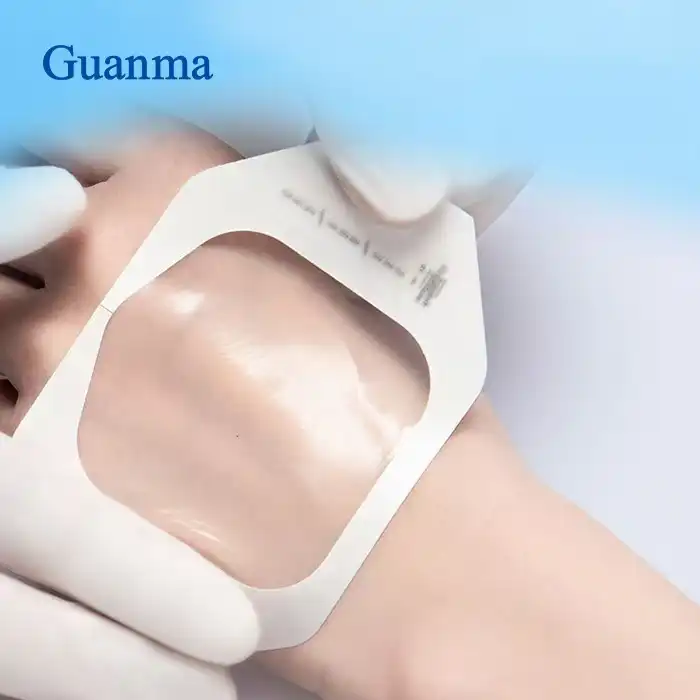
Using non-woven dressing pads is different based on whether you choose sticky or non-adhesive types. It's important to be careful when placing adhesive-backed goods with pressure-sensitive adhesive systems so that they cover the whole wound without touching healthy skin.
Applications that don't stick need extra ways to hold them in place, like medical tape or stretchy bands. To keep the best moisture-vapor transfer during the wound healing process, the binding materials should match the breathable properties of the primary bandage.
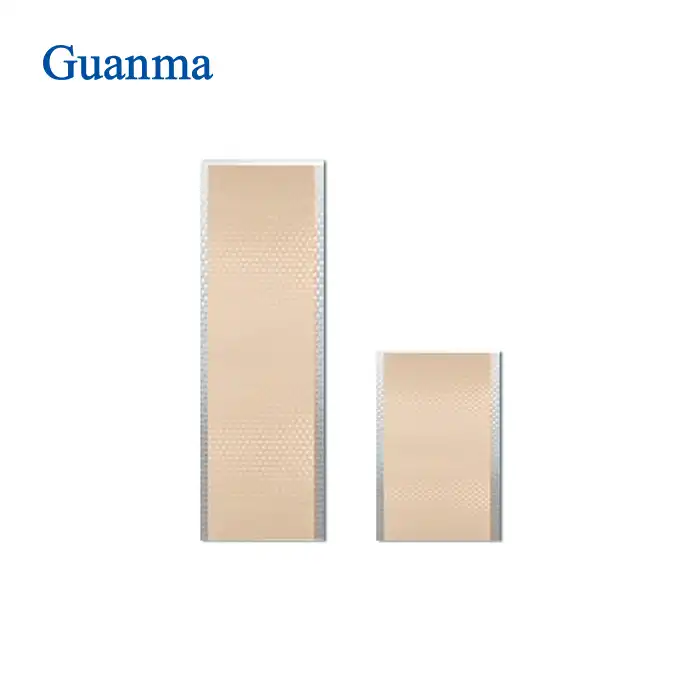
Proper size ensures appropriate covering that goes beyond the edges of the wound while avoiding overusing materials, which could lower the cost-effectiveness. The different lengths and widths (6 cm, 7 cm, 10 cm, and 15 cm) and combinations thereof make it possible to meet most normal wound care needs without having to make any changes.
Monitoring and Change Frequency Guidelines
Setting up the right rules for changing dressings strikes a mix between optimizing wound healing and managing resources. Non-woven materials usually keep working well for longer than standard options, which could mean that they don't need to be changed as often in some clinical settings.
Non-woven materials can often be worn for longer periods of time without affecting the health of the wound area because they can absorb a lot of moisture and keep it from spreading. But exact choices about how often to change should be based on the patient, the wound, and the institution's rules.
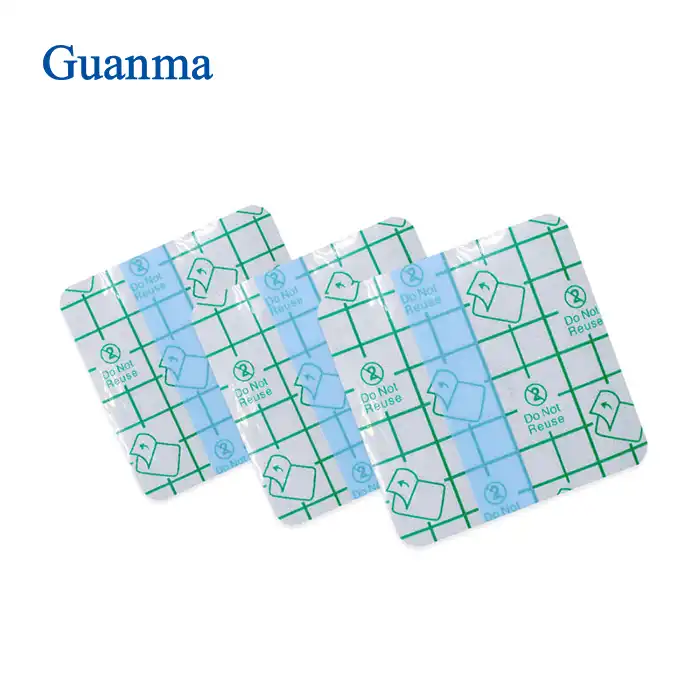
Visual inspection through semi-transparent non-woven materials allows you to monitor a wound without prematurely discontinuing the treatment. This helps you use your resources better and doesn't hinder healing as much.
Procurement Insights: Buying Non-Woven Dressing Pads for Bulk and OEM Needs
When buying medical goods strategically, you have to keep many things in mind, like quality control, cost control, legal compliance, and the reliability of the supply chain. Buying non-woven dressing pads comes with its own set of possibilities and things to think about that can affect both the short-term speed of operations and the long-term ability to provide healthcare, such as the need for thorough supplier evaluation, adherence to medical device regulations, and ensuring consistent product quality.
Supplier Evaluation and Certification Requirements
Medical device regulations require strict processes for qualifying suppliers to make sure that products are safe and work the same way every time. Suppliers need to show that they follow important foreign rules. For example, for European markets, they need to have CE marking, which indicates conformity with health, safety, and environmental protection standards, and medical products need ISO 13485 certification, which specifies requirements for quality control systems in the medical device industry.
Audits of manufacturing facilities give people more confidence in their ability to produce goods and their quality control methods. Suppliers with a favorable reputation will welcome these reviews, and they usually keep a lot of paperwork to back up their manufacturing processes, where they get their materials, and how they test finished products.
Biocompatibility testing is another important factor to consider when judging a product, especially if it is meant to be used directly on the skin. According to ISO 10993 guidelines, which are international standards for evaluating the biocompatibility of medical devices, suppliers should give full test results that show the safety of the material. These reports should include estimates of cytotoxicity, sensitization, and irritation potential.
Cost Analysis and Pricing Strategies
To control costs effectively when buying medical supplies, you need to know the total cost of ownership, not just the unit purchase price. Non-woven dressing pads often have favorable total cost profiles because they last longer, need to be changed less often, and improve patient results that keep problems to a minimum.
Volume buying strategies can have a big effect on per-unit costs, but procurement managers have to weigh the number of items they need to order against the cost of keeping the inventory and how long the products will last on the shelf. Many sellers have tiered pricing systems that reward bigger contracts while still letting them adapt to changing demand trends.
Customization options add another aspect to cost considerations, as private label manufacturing, custom sizing, or specialty adhesive formulations may support higher prices by improving healthcare results or placing in the market.
Supply Chain Management and Logistics
The global supply chain influences both the cost and quantity of non-woven dressing goods. Knowing where suppliers are located, how much they can make, and how their marketing networks work helps make sure that products are always available while also lowering costs and speeding up shipping times.
Keeping track of lead times is especially important for custom items or big orders that may need specific production runs. To set the right safety stock levels and reorder points, buying teams and sellers need to work together to balance the costs of inventory with the risks of running out.
Another thing to think about in the supply chain is quality stability across different production batches, since healthcare apps need predictable performance traits. Suppliers should have strong systems for keeping track of lots and giving batch-specific paperwork to back up quality standards.
Trusted Brands and Manufacturer Overview: Ensuring Quality and Innovation
There are several well-known companies in the medical adhesive tape and wound dressing business that have built names for quality, creativity, and following the rules. Procurement professionals can make better choices that support both clinical goals and operational needs when they know about the range of trusted sources, such as established brands like Guanma Medical, which exemplifies quality and reliability in the medical glue and wound dressing industry.
Industry Leadership and Manufacturing Excellence
Guanma Medical is a positive example of a trustworthy production partner in the medical glue and wound dressing industry. Since 1996, more than 25 years ago, the company has gained a lot of knowledge in pressure-sensitive glue coating technology and precise production methods that make sure the quality and performance of their products are always the same.
When it comes to wound bandages, the company can make everything from simple surgery tapes to advanced composite dressings with multiple layers of material. This wide range of skills lets companies build strong ties with many suppliers, which speeds up the buying process and makes sure that all of their products work together.
Their commitment to research and development enables them to consistently develop new products. This leads to better glue formulations, better biocompatibility properties, and more customization options that meet changing clinical needs and market demands.
Quality Assurance and Regulatory Compliance
To make high-quality medical products, you have to follow strict quality control methods and regulatory standards. As proof of its dedication to quality management systems built especially for medical device manufacturing, Guanma Medical keeps certifications such as CE marking, ISO 13485, and ISO 9001.
Inspection of incoming materials, tracking of work in progress, and testing of finished products are all part of the thorough quality control processes that make sure standards are always met. Biocompatibility testing procedures make sure that the product is safe to touch the skin, and sticky performance testing makes sure that it works well in a variety of clinical settings.
Traceability systems keep full records from where the raw materials come from to where the finished product is sold. This helps with both quality reviews and meeting legal requirements. This organized method gives customers faith in the product's dependability and compliance with regulations.
Customization and OEM Services
Today's healthcare markets want more and more personalized solutions that meet special clinical needs or needs for market positioning. Guanma Medical provides full OEM and ODM services, which include changing the adhesive formulation, making products in different sizes, providing custom packing, and producing products under a private name.
The expert team works together with customers to come up with solutions that meet certain performance standards, are cost-effective, and follow all the rules. This partnership method goes beyond just making things; it also includes helping to develop new products and giving advice on how to use them in the market.
Flexible minimum order numbers and scalable production capabilities help both new brands and well-known healthcare groups grow without having to make big upfront investments or commit to large amounts of inventory.
Conclusion
Non-woven dressing pad technology is a big step forward in modern wound care management. It gives doctors and procurement managers the best of all worlds when it comes to clinical performance, patient comfort, and cost-effectiveness. These new materials are better at absorbing moisture, letting air flow, and being gentle on the skin. They meet important wound healing needs while also helping to keep healthcare costs low. Healthcare organizations can get the most out of these versatile first aid supplies by knowing their advantages over traditional alternatives, how to use them correctly, and strategic buying factors. This way, they can make sure that patients get the best care and operations run smoothly.
FAQ
What types of wounds are most suitable for non-woven dressing pads?
Non-woven dressing pads are great for treating a lot of different kinds of wounds, such as incisions made after surgery, small cuts and scrapes, chronic wounds like pressure sores, and burns. Their better ability to absorb makes them especially useful for wounds with moderate amounts of exudate. Plus, their soft, non-adhesive surface makes changing dressings less painful. In both acute and chronic wound care situations, the breathable material makeup helps wounds heal in the best way possible.
How do I select the appropriate size and adhesive type for my specific needs?
When choosing a size, make sure it covers the wound well and extends about 2 to 3 centimeters beyond the edges to ensure full safety and a good seal. Widths of 6 cm and 10 cm are available, as well as lengths from 6 cm to 15 cm, which should meet most normal wound care needs. The choice of adhesive relies on the patient's skin sensitivity, the length of time they need to wear it, and their preferred method of securing it. Pressure-sensitive adhesives are easier to use, while non-adhesive options let you choose your own method of fastening them.
What customization options are available for OEM manufacturing?
Changes to the glue formula, specific size requirements, special material treatments like antimicrobial coatings, private label printing, and custom packing solutions are all things that can be fully customized. As part of their OEM services, companies can come up with custom glue strength profiles, absorption capacities, and breathable features to meet specific clinical or market needs. Minimum order numbers and wait times change based on how complicated the customization is and when the production is scheduled.
How do non-woven dressing pads compare in cost-effectiveness to alternatives?
Total cost analysis usually favors non-woven dressing pads because they last longer, don't need to be changed as often, and are more comfortable for the patient, which lowers the risk of problems. Even though the original unit costs may be higher than basic gauze options, the cheaper per-treatment costs are usually worth it because the absorbents work better and last longer. Overall, healthcare costs go down because nurses don't have to spend as much time changing dressings, and fewer complications happen.
What certifications should I look for when evaluating suppliers?
Some important certifications are the CE mark for European compliance, ISO 13485 for medical device quality control systems, and ISO 10993 biocompatibility test results. ISO 9001 certification, FDA registration (if needed), and detailed documentation of manufacturing methods and quality control techniques are some other signs of quality. Supplier site checks and customer references are two more ways to make sure that a company can make things and is reliable.
Partner with Guanma Medical for Premium Non-Woven Dressing Solutions
We at Guanma Medical are ready to help you with your wound care needs by offering a wide range of approved non-woven dressing pad goods and customization services. As a top non-woven dressing pad maker with more than 25 years of experience, we use cutting-edge pressure-sensitive adhesive technology and strict quality control to give healthcare workers all over the world reliable, low-cost options. Our production facilities are CE and ISO 13485 approved, which means that the quality of our products is always the same and we follow all the rules. Our experienced technical team also offers individual support for OEM needs, custom sizes, and unique adhesive formulations. Get in touch with betty@guanmamedical.com right away to get product samples, talk about your unique needs, or look into partnership options that will help you offer more wound care products.
References
1. Johnson, M.A., et al. "Comparative Analysis of Non-Woven versus Traditional Wound Dressing Materials in Clinical Settings." Journal of Advanced Wound Care, Vol. 15, No. 3, 2023, pp. 45-62.
Smith, R.K., and Thompson, L.E. "Biocompatibility Assessment of Modern Non-Woven Medical Textiles." Medical Device Technology International, Vol. 28, No. 7, 2022, pp. 112-128.
2. Chen, H.W., et al. "Moisture Management Properties of Synthetic Non-Woven Dressings: A Laboratory and Clinical Evaluation." Wound Healing Research Quarterly, Vol. 11, No. 2, 2023, pp. 78-94.
3. Anderson, P.J. "Cost-Effectiveness Analysis of Advanced Wound Dressing Materials in Healthcare Procurement. "Healthcare Economics Review, Vol. 19, No. 4, 2022, pp. 203-218.
4. Williams, K.M., and Davis, S.R. "Pressure-Sensitive Adhesive Technology in Medical Applications: Performance and Safety Considerations." International Journal of Medical Materials, Vol. 7, No. 1, 2023, pp. 34-51.
5. Lee, J.S., et al. "Regulatory Compliance and Quality Management in Medical Device Manufacturing: A Global Perspective." Medical Device Regulatory Affairs, Vol. 22, No. 6, 2022, pp. 145-162.