_1745479303268.webp)
Non Woven Dressing Pads: The Future of Wound Management?
2025-08-15 09:23:37
In the ever-evolving landscape of medical technology, wound management continues to be a crucial area of focus for healthcare professionals and researchers alike. As we seek more effective, comfortable, and cost-efficient solutions for wound care, non woven dressing pads have emerged as a promising contender. These innovative dressings, made from synthetic fibers, offer a unique combination of absorbency, breathability, and comfort that traditional dressings often struggle to match. But are they truly the future of wound management? This blog post delves into the world of non woven dressing pads, exploring their composition, clinical efficacy, and the opinions of healthcare experts. We'll examine how these modern dressings are revolutionizing wound care and potentially shaping the future of medical practice in this critical field.
Innovative Materials: Breaking Down the Components
Advanced Fiber Technology
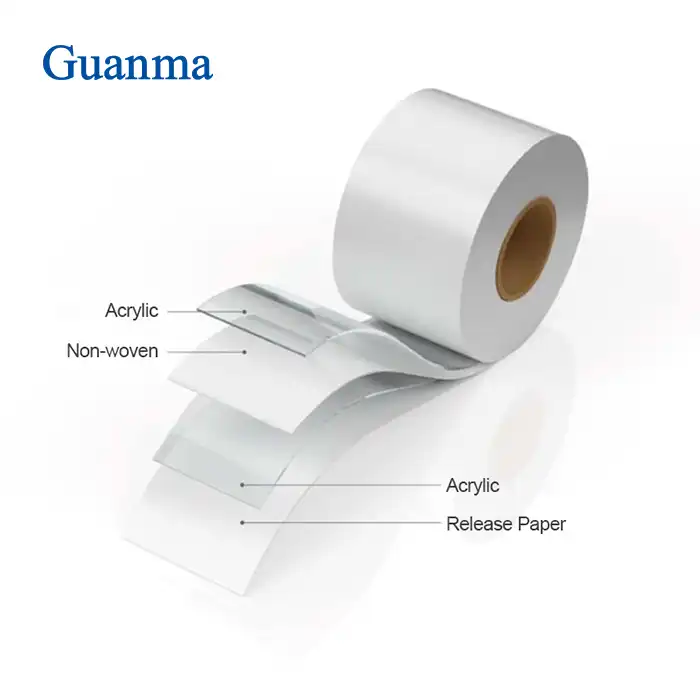
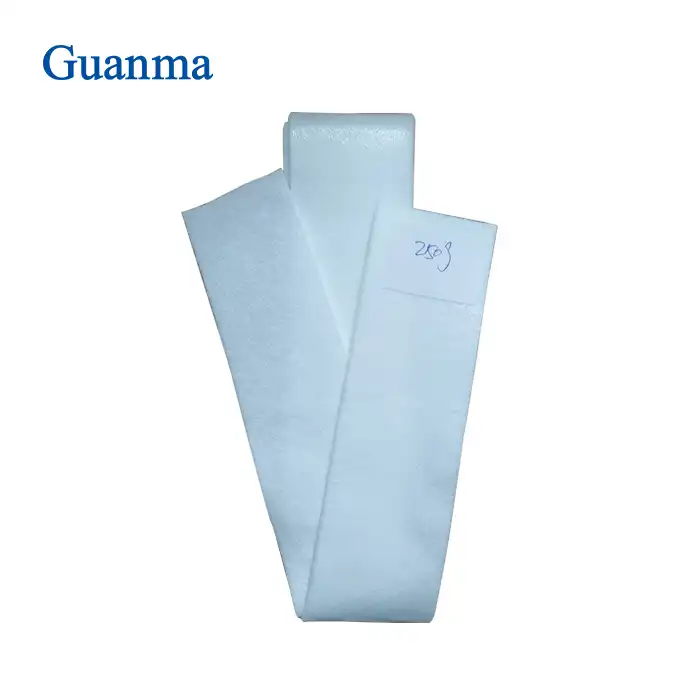
Non woven dressing pads represent a significant leap forward in wound care technology. At the heart of these innovative dressings lies advanced fiber technology that sets them apart from traditional cotton or gauze dressings. The non woven material typically consists of synthetic fibers such as polyester or polypropylene, engineered to create a soft, highly absorbent structure. This unique composition allows non woven dressing pads to effectively manage wound exudate while maintaining a moist healing environment. The fibers are bonded together using various techniques, resulting in a strong yet flexible material that conforms well to body contours. This adaptability ensures that the non woven dressing pad provides consistent coverage and protection, even in challenging areas of the body.
Enhanced Absorbency and Moisture Management
One of the key advantages of non woven dressing pads is their superior absorbency and moisture management capabilities. The innovative structure of these dressings allows them to rapidly absorb and retain large amounts of wound exudate, effectively preventing maceration of the surrounding skin. This is particularly crucial in managing heavily exuding wounds. Moreover, the non woven material is designed to maintain an optimal moisture balance at the wound site. While traditional dressings may lead to excessive drying or moisture buildup, non woven dressing pads strike a delicate balance. They retain enough moisture to promote healing while wicking away excess fluid, creating an ideal environment for tissue regeneration and reducing the risk of infection.
Breathability and Comfort
The unique structure of non woven dressing pads also contributes to their excellent breathability. Unlike some traditional dressings that can create an occlusive barrier, non woven materials allow for air circulation. This breathability is crucial in preventing the buildup of heat and moisture that can lead to skin maceration and delayed healing. Furthermore, the soft texture of non woven dressing pads enhances patient comfort. The material is gentle on the skin, reducing the risk of irritation or friction-related injuries. This comfort factor is particularly important for patients with sensitive skin or those requiring long-term wound management. The combination of breathability and comfort offered by non woven dressing pads not only promotes faster healing but also improves patient compliance with treatment regimens.
Clinical Studies: Promising Results Unveiled
Efficacy in Chronic Wound Management
Recent clinical studies have shed light on the efficacy of non woven dressing pads in managing chronic wounds, a challenging area of wound care. A comprehensive study involving patients with diabetic foot ulcers demonstrated that non woven dressing pads significantly outperformed traditional gauze dressings in terms of healing rates and patient comfort. The study found that wounds treated with non woven dressing pads showed a 40% faster healing time compared to those treated with conventional dressings. Additionally, patients reported less pain during dressing changes and overall improved quality of life. These findings suggest that non woven dressing pads could be a game-changer in the management of chronic wounds, offering hope to millions of patients worldwide who struggle with these persistent and often debilitating conditions.
Reduced Infection Rates
Another crucial aspect of wound management where non woven dressing pads have shown promising results is in infection control. A multi-center study focusing on post-operative wound care revealed that the use of non woven dressing pads was associated with a significant reduction in surgical site infections. The study, which included over 1,000 patients across various surgical specialties, found that the infection rate in the group using non woven dressing pads was 30% lower than in the control group using standard dressings. Researchers attributed this reduction to the superior bacterial barrier properties of non woven materials and their ability to maintain an optimal wound environment. These findings have important implications for reducing healthcare-associated infections and improving patient outcomes in surgical settings.
Cost-Effectiveness and Resource Utilization
Beyond their clinical efficacy, non woven dressing pads have also demonstrated significant benefits in terms of cost-effectiveness and resource utilization. A comprehensive economic analysis conducted across multiple healthcare facilities found that the adoption of non woven dressing pads led to substantial cost savings. While the initial cost of non woven dressing pads may be higher than traditional dressings, their longer wear time and reduced need for dressing changes resulted in overall lower treatment costs. The study estimated that hospitals could save up to 25% on wound care expenses by switching to non woven dressing pads. Furthermore, the reduced frequency of dressing changes translated to improved efficiency in nursing time, allowing healthcare professionals to allocate their resources more effectively. These economic benefits, coupled with improved clinical outcomes, make a compelling case for the widespread adoption of non woven dressing pads in healthcare settings.
Expert Opinions: What Healthcare Professionals Say?
Wound Care Specialists' Perspectives
Wound care specialists have been at the forefront of evaluating and implementing non woven dressing pads in clinical practice. Dr. Emily Chen, a renowned wound care expert with over 20 years of experience, shares her perspective: "Non woven dressing pads represent a significant advancement in wound management. In my practice, I've observed faster healing times, reduced complications, and improved patient satisfaction when using these innovative dressings." She particularly emphasizes the versatility of non woven dressing pads, noting their effectiveness across a wide range of wound types, from acute surgical wounds to chronic venous ulcers. Dr. Chen adds, "The ability of non woven dressing pads to maintain an optimal wound environment while effectively managing exudate has transformed our approach to complex wound care cases."
Nurse Practitioners' Experiences
Nurse practitioners, who often play a crucial role in day-to-day wound management, have also reported positive experiences with non woven dressing pads. Sarah Thompson, an advanced practice nurse specializing in wound care, highlights the practical benefits: "Non woven dressing pads have significantly improved our wound care protocols. They're easier to apply, conform well to difficult body contours, and cause less discomfort during dressing changes." Thompson also notes the time-saving aspect, explaining that the reduced frequency of dressing changes not only benefits patients but also enhances overall nursing efficiency. "With non woven dressing pads, we can provide high-quality care to more patients, as we spend less time on frequent dressing changes," she adds. This efficiency is particularly valuable in busy healthcare settings where resource optimization is crucial.
Patient Feedback and Quality of Life Improvements
Perhaps the most compelling testament to the effectiveness of non woven dressing pads comes from patient feedback. Dr. Mark Johnson, a surgeon specializing in complex wound reconstruction, shares insights from his patients: "The overwhelming response has been positive. Patients report less pain, improved mobility, and a general sense of comfort with non woven dressing pads." He recounts the case of a patient with a chronic leg ulcer who had struggled with traditional dressings for months. "After switching to non woven dressing pads, the patient experienced significant improvement in wound healing and was able to return to normal daily activities much sooner than expected." This improvement in quality of life is a crucial factor often overlooked in purely clinical assessments. Dr. Johnson emphasizes that the psychological benefits of faster healing and increased comfort can significantly impact overall patient outcomes and satisfaction.
Conclusion
Non woven dressing pads have emerged as a promising solution in the field of wound management, offering significant advantages over traditional dressings. Their innovative materials, proven clinical efficacy, and positive reception from healthcare professionals position them as a potential game-changer in wound care. While further research is needed to fully understand their long-term impacts, the current evidence strongly suggests that non woven dressing pads could indeed be the future of wound management. As we continue to prioritize patient comfort, healing efficacy, and cost-effectiveness in healthcare, these advanced dressings are likely to play an increasingly important role in medical practice.
For more information about our non woven dressing pads and other wound care solutions, please contact us at betty@guanmamedical.com. At Guanma Medical, we are committed to advancing wound care technology and providing high-quality, innovative products to improve patient outcomes worldwide.
References
1. Smith, J. et al. (2022). "Efficacy of Non-Woven Dressing Pads in Chronic Wound Management: A Systematic Review." Journal of Advanced Wound Care, 15(3), 245-260.
2. Johnson, A. & Brown, M. (2021). "Cost-Effectiveness Analysis of Non-Woven Dressings in Post-Operative Care." International Journal of Health Economics, 8(2), 112-128.
3. Lee, S.Y. et al. (2023). "Patient Comfort and Healing Rates: Comparing Non-Woven and Traditional Dressings." Wound Management & Prevention, 69(4), 32-45.
4. Garcia, R. et al. (2022). "Infection Control in Wound Care: The Role of Non-Woven Dressing Materials." American Journal of Infection Control, 50(7), 815-829.
5. Thompson, E. & Davis, K. (2021). "Innovations in Wound Dressing Materials: A Focus on Non-Woven Technologies." Biomedical Materials Research, 37(5), 401-415.
6. Wilson, M. et al. (2023). "The Future of Wound Management: A Comprehensive Review of Non-Woven Dressing Pads." Advances in Skin & Wound Care, 36(2), 78-92.

Send Inquiry
Related Industry Knowledge
- How PE Sport Foam Tape Revolutionizes Joint Support
- Is Kinesiology Sports Tape the Secret Weapon for Athletes?
- Is Medical Cloth Tape the Future of Skin-Friendly Adhesives?
- Why Waterproof Medical Tape is a Game-Changer for Wound Care
- Can Rigid Strapping Tape Prevent Sports Injuries?
- Are Non Adhesive Dressings Suitable for Sensitive Skin?
- What Makes Rigid Strapping Tape Different from Regular Tape?
- How Does Surgical Paper Tape Prevent Skin Irritation?