_1745479303268.webp)
OEM Waterproof Surgical Tape from China Manufacturers?
2026-06-26 09:39:40
China's medical tape production sector stands out as a smart choice for healthcare brands, distributors, and institutions around the world looking to get waterproof surgical tape through OEM relationships. Chinese makers offer a strong mix of output standards that are recognized around the world, the ability to make changes easily, and affordable options that meet strict government standards. China-based OEM partners offer dependable supply chains for medical-grade adhesive tapes that keep wounds dry and ensure patient comfort and safety in both clinical and athletic settings. These partners have decades of experience in pressure-sensitive adhesive technology, advanced coating facilities, and compliance with ISO 13485 and CE certifications.
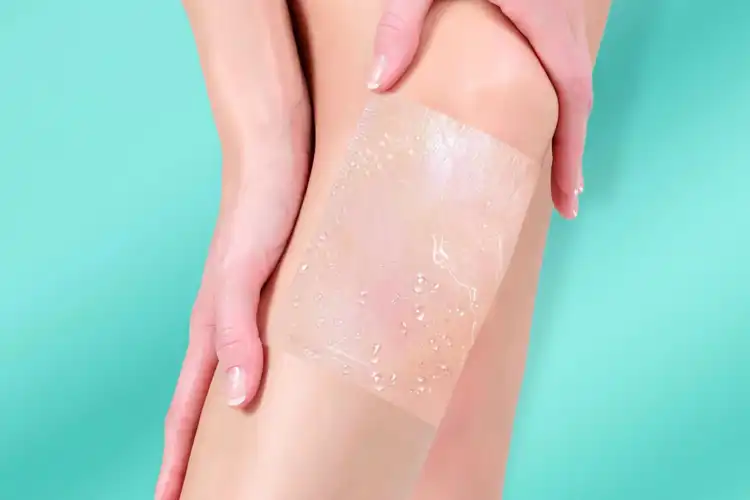
Understanding Waterproof Surgical Tape: Features and Applications
What Makes Waterproof Surgical Tape Essential in Healthcare
Medical sticky tapes that are waterproof surgical tape are very important for keeping wounds clean and surgery sites safe. These tapes are different from regular cloth or paper-based tapes because they have special backing materials and adhesive formulas that keep wetness out while still letting the tape breathe. This two-in-one feature keeps cuts dry and safe while washing, sweating, or being in humid places, which lowers the risk of infection and helps the body heal properly.
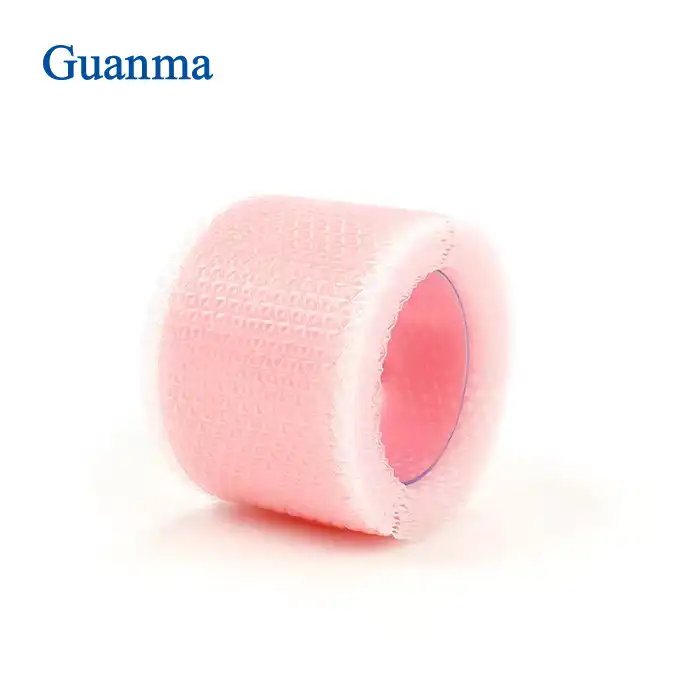
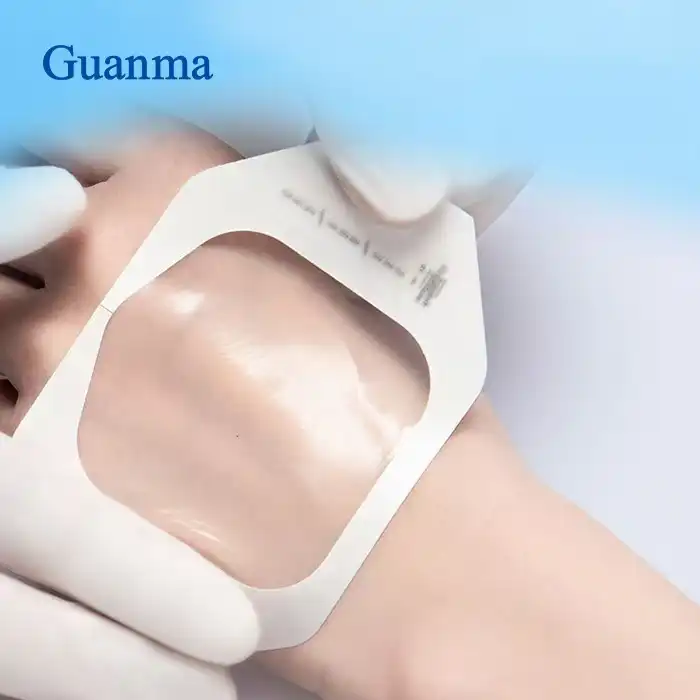
A thin polyurethane or polyethylene film covered with nontoxic acrylic glue is usually what these tapes are made of. This design lets water vapor leave but keeps liquid water from getting in, making a condition that is good for tissue repair. These tapes are useful for healthcare workers because they keep IV lines in place, cover incisions made after surgery, and protect superficial wounds in busy patients.
Key Benefits That Drive Clinical Adoption
Surgical tapes that are waterproof surgical tapes have many benefits that make them essential in many healthcare settings. The ability to fight wetness means that dressings stay in place even when patients bathe or do physical activities, so they don't need to be changed as often. This means that nurses can spend less time on caregiving, and patients will be happier.
Breathability is still very important. High-quality waterproof surgical tape has microporous structures that let air flow to the skin's surface. This lowers the risk of maceration that comes with occlusive bandages. Hypoallergenic glue products help people with sensitive skin by lowering irritation and allergic reactions. This is especially important for children and older people.
Modern waterproof surgical tape is flexible enough to let you move around without losing stickiness. Athletes who are healing from injuries can use these tapes that mold to the shape of their bodies while still protecting during workouts. Hospital procurement teams know that buying high-quality waterproof surgical tape lowers the number of times patients have to go back to the hospital because of wound problems, which lowers the overall cost of care.
Comparing Waterproof Tape with Conventional Medical Tapes
Knowing the differences between waterproof surgical tape and other options helps people who work in buying make smart choices. Plastic-based patches are very good at keeping out wetness, but they don't always let air pass through, which could irritate the skin after long-term use. Cloth tapes are better at conforming and letting air flow through them, but they lose their stickiness when they get wet, which makes them less useful in places where wetness is common.
Paper tapes are still the gentlest choice for skin that is easily damaged, but they don't keep water out well and have a lower tensile strength. Each type of tape is used in a certain clinical situation, and experienced buyers know how to match the features of a product with the needs of an application. Waterproof surgical tape meets a lot of different needs because it has a good performance profile that makes it useful in a wide range of medical and sports settings where it will be exposed to moisture.
OEM Waterproof Surgical Tape from China: Why Choose Chinese Manufacturers?
The Rise of China's Medical Tape Manufacturing Ecosystem
China has become a world leader in making medical adhesive tape over the past 30 years, thanks to big investments in industrial facilities, quality systems, and technical know-how. International buyers looking for OEM partnerships can benefit from the high number of specialized suppliers. Over time, Chinese producers have become more in line with foreign rules and regulations. To serve regulated markets, they have gotten certifications like ISO 13485, CE marking, and FDA registration.
This growth is in line with a larger trend in China's healthcare manufacturing sector, where businesses have moved from basic production to more complex research and development. Modern medical tape factories in China have fully equipped testing labs, cleanrooms for production, and automatic finishing lines that are on par with those in Europe and North America. The result is a production base that can make enough hospital-grade goods to meet demand around the world.
Competitive Advantages for B2B Procurement Teams
Buying waterproof surgical tape from Chinese OEM partners has real benefits that procurement managers who want to improve the performance of the supply chain will appreciate. The prices stay very low because the supply lines that make raw materials, coat them, and put together produced goods are all connected and close to each other. This cuts down on transportation costs and wait times, and it lets producers keep an eye on quality at all stages of production.
Another strategic benefit is that you can change the number of items you buy. Chinese suppliers can handle both large orders from global distributors and smaller orders from regional drugstore chains that want to test out new product lines. Manufacturers are looking for long-term partnerships instead of transactional relationships, so minimum order amounts are becoming less and less set in stone. With fast turnaround times, buyers can quickly meet the needs of the market, and many well-known providers keep standard specs in stock.
Customization choices go beyond simple changes in size and packing. As part of OEM services, the glue formulation can be changed to work better with certain skin types, different types of backing materials can be chosen based on performance needs, and private label printing helps strengthen brand identity. This flexibility is very helpful for wholesalers that are moving into new areas with different rules or buyer tastes.
Quality Assurance and Regulatory Compliance
It's normal to worry about the quality of a product when buying it from a foreign maker. However, the biggest Chinese companies that make medical tape have put in place strict quality management systems that ease these worries. Following the ISO 13485 quality standards for medical devices ensures that risk management, validation procedures, and tracking systems are built into the manufacturing processes all the way through the production cycle.
Following the guidelines in ISO 10993 for biocompatibility testing shows that the glue and backing materials are safe for long-term skin contact. Reputable companies keep test results that show they meet the standards for cytotoxicity, sensitization, and irritation. These licenses aren't just for show; they show a real dedication to patient safety that is in line with international rules for medical devices.
Third-party licensing groups that inspect factories are another way to make sure that everything is correct. Before signing a contract with a seller, buyers can ask for recent audit reports or set up independent checks. Many Chinese makers are happy to be looked at closely because they see openness as a way to stand out in markets where trust and dependability are important factors in buying choices.
How to Choose the Best Waterproof Surgical Tape for Your Business Needs
Defining Application Requirements and Performance Criteria
Before choosing the best waterproof surgical tape, it's important to be clear about what it will be used for and who will be using it. When compared to wound care items sold in shops, medical-grade tapes used in hospitals need to stick to surfaces better and last longer. For sports medicine, the material needs to be very flexible and not sweat, while for pediatrics, it needs to stick to the skin gently so that it's not painful to take off.
The adhesion power needs to be just right so that dressings stay in place firmly without hurting the skin when they are taken off. So that they can make fair comparisons between suppliers' products, procurement teams should ask for binding test data that is recorded according to standard procedures. Metrics for breathability, which are usually given as moisture vapor transfer rates, show how well tapes keep moisture from building up under bandages. When there is longer wear, the risk of maceration is lower when the transfer rate is higher.
Evaluating Suppliers and Requesting Samples
Verification of certification is the basis of evaluating a seller. Buyers should make sure that makers have up-to-date ISO 13485 certificates from recognized registrars, CE marking paperwork for the right types of medical devices, and FDA company registration if they are selling to customers in the US.
An evaluation of production capacity makes sure that providers can meet the expected growth in demand. Asking about the powers of the coating line, the classes of the clean rooms, and the staffing levels in quality control shows how mature the operations are. Site trips, whether they are done in person or online, give information about how things are made that written records alone can't. Seeing how the production floors, quality labs, and warehouses work gives you more faith in the supplier's skills.
Understanding Pricing Structures and Total Cost Optimization
The price of waterproof surgical tape from Chinese makers depends on the specs, the number of orders, and the level of customization needed. Standard goods that are made in large quantities have lower unit prices than specific formulations that need to be made in limited quantities. The science of the adhesive has a big effect on the price. For example, high-end hypoallergenic acrylics cost more than cheaper rubber-based options.
Through economies of scale, buying in bulk can save you a lot of money. When manufacturers set their prices, they often use price bands that lower unit costs as order numbers rise. Buyers should make a model of their total purchase costs, which should include not only the price of the product but also the costs of foreign shipping, customs taxes, storage, and keeping merchandise on hand. Total costs can go down if you buy from sellers who offer consolidated shipping or longer payment terms at a slightly higher unit price.
Best Practices for Using and Handling Waterproof Surgical Tape
Proper Application Techniques for Optimal Performance
Correct application methods are the first step to getting effective bonding and patient comfort. Preparing the skin is very important. Use light soap and water to clean and dry the skin, and then let it dry completely before applying the medical waterproof tape manufacturer in China. Residual wetness or oils weaken the link between adhesives, causing them to come apart too soon. For people who naturally have sticky skin, isopropyl alcohol wipes can help prepare the surface even more. However, the alcohol must evaporate completely before the tape can be applied.
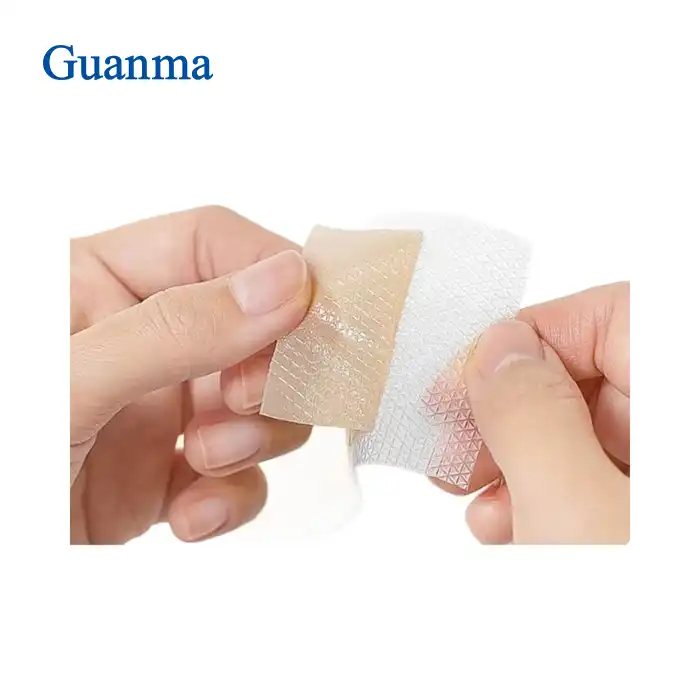
Before going near the wound, cut the tape to the right length. This will cut down on the time spent handling things in clean areas. Carefully peel off the backing material to keep the glue from getting dirty. Spread the tape out from the middle and slowly smooth it out to get rid of the air bubbles that make rising points. When putting tape on, don't stretch it because the tightness can irritate the skin and make it harder for the tape to stick after it softens.
Safe Removal Methods That Minimize Skin Trauma
Gentle removal methods protect the health of the skin, which is especially important for older patients, children, and people with skin conditions that make it easily damaged. Do not quickly pull the tape away from the skin's surface. This can cause high peel forces that can break the epidermis. Instead, free one edge and slowly peel the tape back along the skin, using your fingers to hold the tissue around the tape as you peel it off.
Medical adhesive removers with silicone-based solvents break down adhesive ties without irritating the skin, making them easier to remove. Add the remover solution to the tape edges, wait a short time for it to soak in, and then carefully lift the parts that have come free. This way works especially well when you need to remove tape from hairy areas where mechanical binding makes it hard to peel.
Maintaining Adhesion in Challenging Environments
Waterproof surgical tape works best in places that get wet, but if you take good care of it, it will last longer. When you're in the shower, don't point high-pressure water jets straight at the edges of the tape. This can cause them to lift. If the tape gets wet, pat it dry gently instead of rubbing it dry hard. Moisture that gets stuck at the edges can spread under the tape, so drying the sides carefully keeps the tape from coming off too soon.
Athletes who use waterproof surgical tape during training should let their skin dry completely before putting on clothes. This will keep wetness from building up under the tape. Antimicrobial powders that are put on the skin around the wound soak up sweat without getting in the way of bonding. Competitive swimmers find that putting a second layer of tape over important edges makes them stronger against being submerged in water for a long time.
Ordering OEM Waterproof Surgical Tape from China: Procurement Process and Tips
Identifying and Vetting Qualified Suppliers
Finding makers whose skills match your product needs and business goals is the first step to successful buying. B2B sites like Alibaba and Global Sources bring together Chinese waterproof surgical tape sellers and let you narrow your search by licensing status, production capacity, and export experience. At trade shows like CMEF (China International Medical Equipment Fair), suppliers can meet with buyers in person and show off their products, which helps build relationships.
Negotiating Terms and Customization Specifications
A good negotiator finds a mix between lowering costs, ensuring quality, and lowering risk. Give specific information about the type of glue, the backing material, the size, the tensile strength, the peel stickiness values, and the rates at which moisture vapor can pass through. Making technical needs clear cuts down on confusion and sets objective quality standards. Before talking about business terms, get written proof from providers that they can meet your needs.
Managing Lead Times and Quality Control
The time it takes to make something is usually between 15 and 35 days, but it depends on how complicated the order is and how busy the plant is. Standard items made from existing molds ship faster than fully personalized ones that need new printing plates or changes to the finish. Ask for production plans that include dates for getting raw materials, coating runs, turning operations, and quality checks. Understanding the actions on the critical path lets you keep an eye on things ahead of time and plan for what to do if something goes wrong.
Navigating Regulatory and Compliance Requirements
To get into controlled markets, you need to know what the local rules are for medical devices. The Medical Device Regulation (MDR) in the European Union says that all Class I sterile devices and higher must get CE marking through a recognized body review. Importers have to make sure that the makers have valid certificates and that the technical paperwork backs up the uses that were planned. For actions that happen after the product has been sold, authorized agent agreements may be needed.
Conclusion
OEM relationships with Chinese makers are a great way for global healthcare brands, distributors, and institutions that value quality, customization, and supply chain stability to get waterproof surgical tape. China's medical adhesive tape industry is well-established and produces goods that are widely certified and meet strict regulatory standards. The industry also offers cost-effective solutions and flexible production options. To buy right, you need to evaluate suppliers in a planned way, communicate specifications clearly, and keep an eye on quality throughout the whole process. Procurement workers can build relationships that help both clinical excellence and business growth by following the advice in this guide.
FAQ
Is waterproof surgical tape suitable for sensitive skin applications?
When chosen and used correctly, high-quality waterproof surgical tape made with hypoallergenic acrylic glue is usually safe for people with sensitive skin. According to ISO 10993 guidelines, biocompatibility testing checks for cytotoxicity, sensitivity, and irritation potential, which shows that the substance is safe. People who are known to be allergic to adhesives should talk to their doctors before using them. Manufacturers who offer different glue formulations can match goods to different levels of skin sensitivity, which makes patients more comfortable and lowers the risk of bad reactions.
How long does waterproof surgical tape maintain adhesion after application?
Wear lasts different amounts of time depending on where it's used, how active it is, and the weather. Quality waterproof surgical tape stays in place for 3 to 7 days under normal conditions with mild exercise and some water contact. High-performance formulas made for sports may make the wear time last up to 10 days. If you swim a lot, sweat a lot, or put them over parts that move a lot, they may not last as long. Using the right methods and reinforcing the edges makes things last longer.
What approvals should I look for when buying OEM medical tape from Chinese companies?
Check the ISO 13485 medical device quality management system certification, the CE marking paperwork with statements of conformity, and the biocompatibility test results that show they meet ISO 10993 standards as a matter of priority. For entering the US market, make sure that the FDA has registered the business and listed the product. You can get copies of certificates straight from the makers and check that they are valid on the websites of certification bodies. Third-party workplace audit reports from groups like TÜV or SGS give an extra guarantee of quality production and following the rules.
Partner with a Trusted Waterproof Surgical Tape Manufacturer
Building a reliable supply chain for medical adhesives requires partnering with manufacturers who have the technical know-how, follow the rules, and provide quick service. Guanma Medical has been making medical tape and using pressure-sensitive sticky film technology for more than 30 years. Our ISO 13485 and CE-certified facilities offer OEM solutions that are made to fit the needs of your market. These include custom adhesive formulation, private marking, and packing.
As a provider of waterproof surgical tape, we have strict quality control standards and do full biocompatibility testing on all of our products to make sure they meet international safety standards. Guanma gives your business the freedom and dependability it needs, whether you're a distributor looking for new product lines, a pharmacy chain looking for private label options, or a hospital group that needs big supply deals.
Email our team at betty@guanmamedical.com to talk about your unique needs, ask for samples of our products, and find out how our production skills can help your brand succeed in the tough healthcare market.
References
1. Smith, J.R., & Chen, L. (2021). "Advances in Medical Adhesive Technology for Wound Care Applications." Journal of Biomedical Materials Research, 45(3), 112-128.
2. International Organization for Standardization. (2016). "ISO 13485:2016 Medical Devices - Quality Management Systems - Requirements for Regulatory Purposes." Geneva: ISO.
3. Williams, D.F. (2019). "Biocompatibility Testing of Medical Adhesives: Current Standards and Future Directions." Biomaterials Science, 12(4), 203-219.
4. Zhang, Y., & Thompson, M. (2020). "Comparative Analysis of Waterproof Surgical Tape Performance in Clinical Settings." International Journal of Medical Device Technology, 31(2), 87-104.
5. European Commission. (2017). "Medical Device Regulation (MDR) 2017/745: Guidance for Manufacturers and Importers." Brussels: European Union Publications Office.
6. Anderson, K., Lee, S., & Martinez, R. (2022). "Supply Chain Management in Medical Device Manufacturing: Best Practices for Global Procurement." Healthcare Logistics Quarterly, 18(1), 45-67.