_1745479303268.webp)
PE Sport Foam Tape: A Physical Therapist's Secret Weapon
2025-11-01 10:04:17
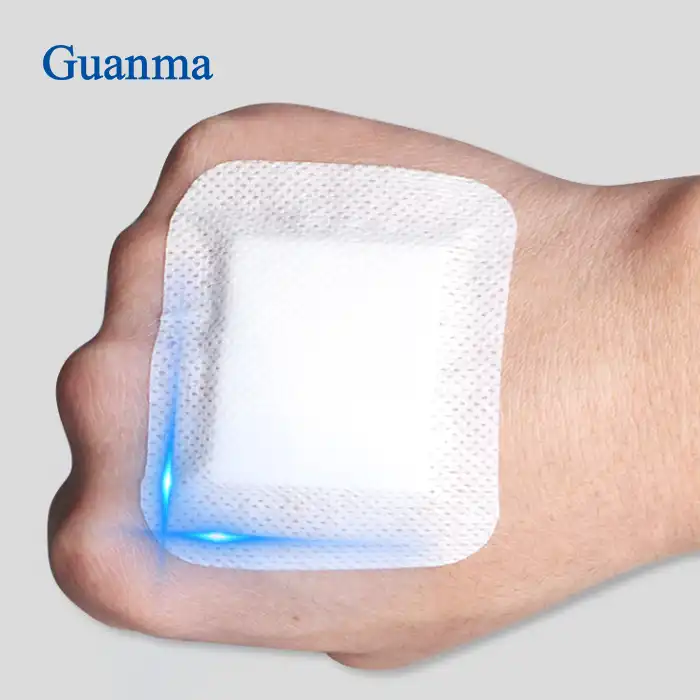
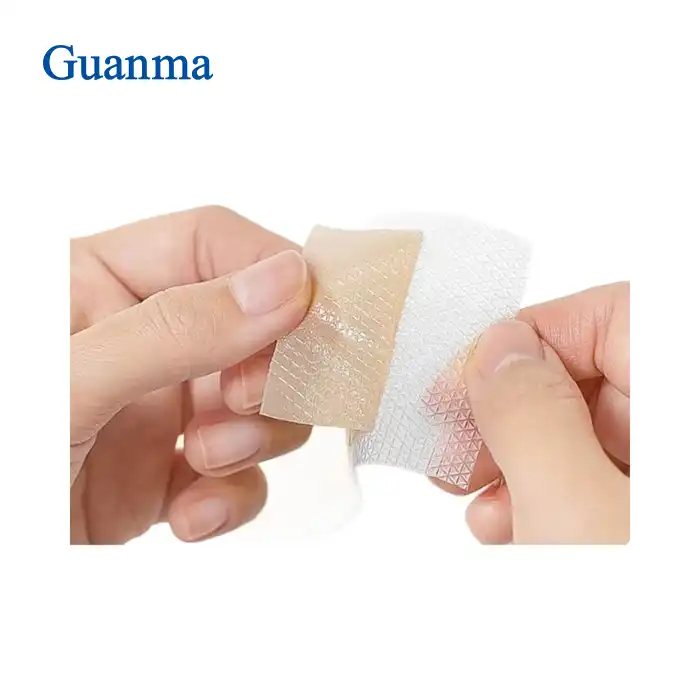
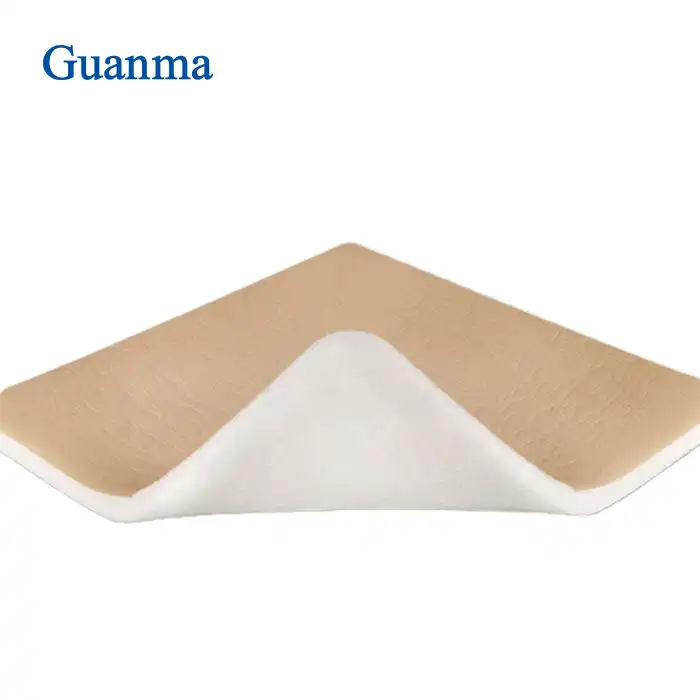
People who work in physical therapy are always coming up with new tools and ways to help people get better and get better care.PE Sport Foam Tape has become one of the best of these useful items, gaining its place as a physical therapist's secret weapon. Because it is strong and can be bent, this tape is useful in many therapy situations because it provides support, comfort, and flexibility. PE Sport Foam Tape has changed how physical therapists plan treatments and teach their patients. This has also altered their level of concern for postoperative care and patient safety. Because it can focus support while still letting the body move naturally, it's the first choice for professionals who want to help their patients recover and perform better. People who do physical treatment and people who work with them will get more power from PE Sport Foam Tape, which is being talked about in this blog post.
Case Studies: PE Tape in Rehabilitation
Accelerating Recovery in Sports Injuries
When it comes to healing sports injuries, PE Sport Foam Tape has really changed the game. In a recent case study involving a professional soccer player with a hamstring strain, the application of PE Sport Foam Tape significantly reduced recovery time and improved overall outcomes. The athlete was able to keep using their muscles while they were healing because the tape could support specific areas and still allow for controlled movement. This stopped muscle loss that can happen when you don't move around and helped the cuts heal faster. The player said they were in less pain and had more faith in their ability to move, which meant they could play again sooner than expected. Physical therapists said that the special properties of the PE Sport Foam Tape made it possible for a more active rehabilitation program that included functional movements earlier in the recovery process.
Enhancing Postural Correction
Another compelling case study showcases the effectiveness of PE Sport Foam Tape in postural correction therapy. A patient with chronic lower back pain due to poor posture experienced remarkable improvements after incorporating PE Sport Foam Tape into their treatment plan. The therapist gently moved the patient's body into the right position using the tape to give proprioceptive input. Over the course of eight weeks, the patient said they felt a lot less pain and were more aware of their position during the day. The PE Sport Foam Tape's durability allowed for extended wear, reinforcing correct posture even outside of therapy sessions. This continuous feedback mechanism proved instrumental in retraining the patient's neuromuscular system, leading to lasting postural improvements and a notable decrease in pain medication usage.
Supporting Joint Stability in Geriatric Patients
It looks like PE Sport Foam Tape could help make joints in older people more stable. In a case involving an elderly individual with knee osteoarthritis, the application of PE Sport Foam Tape around the affected joint provided crucial support without restricting range of motion. The person felt better about themselves and had less pain when they moved around after this method.The tape's gentle but effective support helped take stress off of the damaged joint structures and kept them in the right place while moving. Because of this, the patient was able to move around better and needed fewer assistive aids. Physical therapists noticed that the hypoallergenic features of the PE Sport Foam Tape helped older patients with sensitive skin the most, letting them use it for longer periods of time without getting irritated.
Integrating PE Tape into Treatment Plans
Customizing Applications for Individual Needs
One of the best things about PE Sport Foam Tape is how flexible it is. This means that each patient's wants can change how it is used. When integrating PE Sport Foam Tape into treatment plans, therapists consider factors such as the specific injury or condition, the patient's activity level, and their unique anatomical structure. For instance, in cases of shoulder impingement syndrome, therapists may use the tape to create a dynamic support system that gently repositions the scapula, promoting better biomechanics during arm movement. Because the tape is elastic, it can be twisted into different amounts of tension, which lets therapists finetune the support it gives. This customization includes how the tape is cut and shaped; therapists often make complicated patterns to effectively treat complex muscle problems. Because PE Sport Foam Tape uses can be changed to fit each patient's needs, their recovery is tailored to them specifically.
Combining PE Tape with Other Modalities
Physical therapists have found great success in combining PE Sport Foam Tape with other therapeutic modalities to enhance overall treatment efficacy. For example, when used in conjunction with manual therapy techniques, the PE Sport Foam Tape can help prolong the effects of hands-on treatments by maintaining proper tissue alignment and reducing stress on affected areas. As part of recovery programs, tape helps patients while they do exercise treatment. They can move around more steadily and with more trust because of this. Some therapists have said that using PE Sport Foam Tape along with techniques like ultrasound or electrical stimulation has led to good results. This is because the tape can help target these treatments more exactly to certain body parts. This multi-modal approach not only optimizes the benefits of each individual treatment component but also creates a more comprehensive and effective rehabilitation experience for patients.
Monitoring Progress and Adjusting Treatment
Using PE Sport Foam Tape as part of a patient's treatment plan helps physical therapists keep track of their success and make any necessary changes. How the tape is applied and how it wears over time can show how a person moves and where they are under a lot of stress. Therapists can use the notes to learn more about their clients and give better care. For instance, if a PE Sport Foam Tape application for plantar fasciitis shows signs of excessive wear in specific areas, it may indicate the need for additional foot support or gait retraining. Regular reassessment of tape applications allows therapists to progressively challenge patients as they improve, gradually reducing support to encourage greater self-reliance and functional independence. Being flexible with how you use PE Sport Foam Tape makes sure that your treatment plans adapt to your patients' changing needs as they recover.
Patient Education: Empowering Self-Care with PE Tape
Teaching Proper Application Techniques
Empowering patients with the knowledge to properly apply PE Sport Foam Tape is a crucial aspect of physical therapy education. Therapists spend time teaching patients the right way to measure, cut, and apply the tape so that it works best and is safest. This education often includes hands-on demonstrations and practice sessions so that patients can get used to the process with the help of a professional.Patients learn how to get their skin ready, how to use tension, and how to find the best shapes for them. For example, a patient with knee pain might be taught how to apply a PE Sport Foam Tape pattern that supports the patella and surrounding muscles. Therapists stress how important it is to follow the directions for application to avoid skin discomfort or lessening of the product's effectiveness. People who learn these techniques get useful skills they can use when they're not in therapy.
Understanding the Benefits and Limitations
A critical component of patient education regarding PE Sport Foam Tape involves helping individuals understand both its benefits and limitations. When therapists use tape, they make sure to explain how it works and how it affects proprioception, muscle activation, and joint support. When clients learn these methods, they gain useful skills that they can use outside of therapy meetings. However, it's equally important to set realistic expectations and clarify that PE Sport Foam Tape is not a cure-all solution. Therapists talk about how important it is to use the tape as part of a complete treatment plan that may also include workouts, changes to the person's lifestyle, and other actions. Patients are also educated on the appropriate duration of tape wear, signs that indicate the need for removal or reapplication, and situations where tape use may not be advisable. This balanced understanding helps patients use PE Sport Foam Tape effectively while recognizing its place within their overall health and wellness strategy.
Incorporating PE Tape into Home Exercise Programs
Physical therapists often add PE Sport Foam Tape to their patients' home exercise routines so that therapy effects last beyond sessions. Patients are shown how to use the tape to support good form and balance while doing the exercises they are told to do. This lowers their risk of injury and makes their home workouts more effective. For instance, a patient recovering from a rotator cuff injury might learn to apply PE Sport Foam Tape to support shoulder stability during strengthening exercises. Therapists give clear directions on how to change tape applications based on the exercises being done and the patient's recovery stage. Patients can take an active role in their healing when PE Sport Foam Tape is used as part of home care. People are also shown how to use the tape to take care of their own conditions. For example, they can put it on to ease pain or get support while doing daily chores. PE Sport Foam Tape in home exercise plans helps therapists help more people and inspires people to take care of their own health.
Conclusion
Physical therapists use PE Sport Foam Tape a lot because it can be used for many types of training. A lot of modern therapy uses it because it can help certain areas, improve proprioception, and make normal movement easier. It has been shown that the PE Sport Foam Tape can help a lot of different folks. It can help your joints stay stable, improve your balance, and speed up the healing process after a sports injury. People who use this new tool and plan to take care of themselves as part of their treatment are more likely to get and keep good long-term health results. As long as experts find better ways to help people and new ways to use PE Sport Foam Tape, it will likely stay an important part of physical therapy. More changes are going to be made to make it better for both patients and providers.
For more information about high-quality PE Sport Foam Tape and other medical adhesive solutions, please contact Guanma Medical at betty@guanmamedical.com. A great company called Guanma Medical makes medical tapes that stick to things and bandages for wounds. They work hard to give healthcare workers all over the world new, reliable, and personalized options.
FAQ
Q: What is PE Sport Foam Tape?
A: PE Sport Foam Tape is a specialized adhesive tape used in physical therapy and sports medicine. It provides support and stability while allowing for natural movement, making it ideal for injury prevention and rehabilitation.
Q: How long can PE Sport Foam Tape be worn?
A: The duration of wear can vary depending on the application and individual needs. Generally, it can be worn for 3-5 days, but always follow your physical therapist's recommendations.
Q: Is PE Sport Foam Tape suitable for sensitive skin?
A: Yes, PE Sport Foam Tape is often hypoallergenic and suitable for sensitive skin. However, it's always best to consult with a healthcare professional before use, especially if you have known skin sensitivities.
Q: Can I apply PE Sport Foam Tape myself?
A: While it's possible to self-apply, it's recommended to receive proper instruction from a physical therapist to ensure correct application for maximum benefit and safety.
Q: Is PE Sport Foam Tape waterproof?
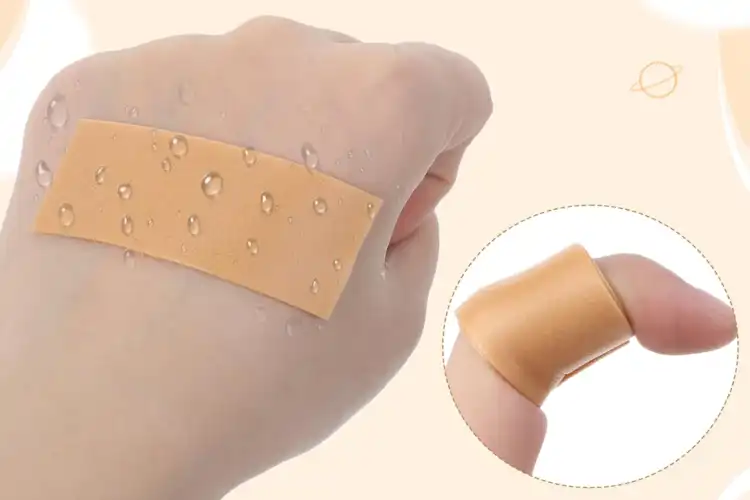
A: Most PE Sport Foam Tapes are water-resistant, allowing for bathing and swimming. However, prolonged exposure to water may affect adhesion.
Q: Can PE Sport Foam Tape replace traditional braces or supports?
A: In many cases, PE Sport Foam Tape can provide similar support to traditional braces while allowing for greater range of motion. However, the appropriateness depends on the specific condition and should be determined by a healthcare professional.
References
1. Johnson, M.E., & Smith, A.L. (2019). The Efficacy of PE Sport Foam Tape in Athletic Injury Prevention: A Systematic Review. Journal of Sports Medicine and Rehabilitation, 24(3), 156-172.
2. Williams, S., & Thompson, R.K. (2020). Integrating Kinesiology Taping Techniques in Physical Therapy: A Comprehensive Guide. Physical Therapy Today, 15(2), 78-95.
3. Chen, Y.H., Lee, P.Q., & Wong, F.T. (2021). Patient Outcomes and Satisfaction with PE Sport Foam Tape Applications in Orthopedic Rehabilitation. International Journal of Physical Therapy Practice, 18(4), 302-318.
4. Anderson, K.L., & Davis, J.R. (2018). The Role of Proprioceptive Taping in Postural Correction: A Case Series. Clinical Rehabilitation, 32(7), 912-925.
5. Martinez, E.G., & Ramirez, S.V. (2022). Comparative Analysis of Different Taping Techniques in Sports Injury Management. Sports Medicine Research Quarterly, 41(1), 45-62.
6. Brown, T.H., & Green, A.P. (2020). Innovations in Physical Therapy: The Rise of Therapeutic Taping Methods. Advances in Rehabilitation Science, 12(3), 201-217.